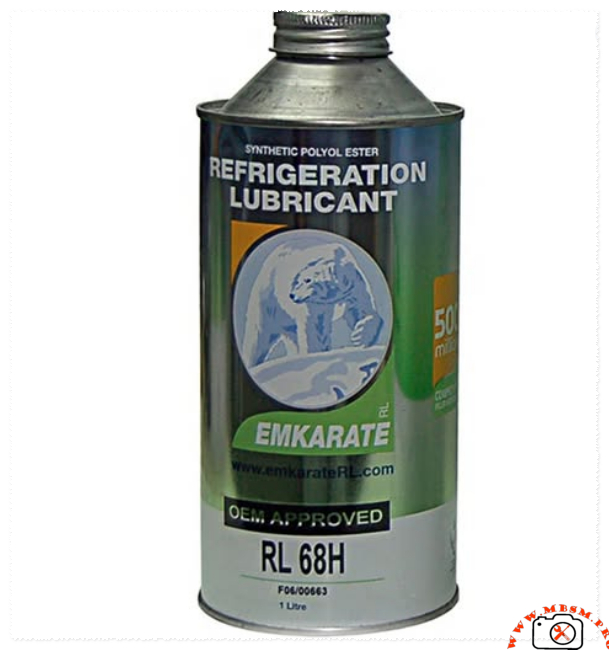

Emkarate RL 68H Compatibility Chart with HFC HCFC HFO
Focus Keyphrase: Emkarate RL 68H Compatibility Chart with HFC HCFC HFO and Hydrocarbon Refrigerants
SEO Title: Mbsmpro.com, Emkarate RL 68H, Refrigeration Lubricant, POE Oil, Refrigerant Compatibility, R134a, R404A, R600a, R22, Ammonia Warning
Meta Description: Technical analysis of Emkarate RL 68H POE lubricant compatibility. Detailed guide on using synthetic oil with HFC, HCFC, HFO, and Hydrocarbon refrigerants like R600a.
Slug: emkarate-rl-68h-refrigerant-compatibility-technical-guide
Tags: Emkarate RL 68H, POE Lubricant, Refrigerant Compatibility, R134a, R600a, R22, Ammonia Compatibility, Mbsmgroup, Mbsm.pro, mbsmpro.com, mbsm, Synthetic Oil, Compressor Maintenance
Excerpt: Emkarate RL 68H is a high-performance synthetic polyol ester (POE) lubricant designed for modern refrigeration systems. Understanding its chemical compatibility across different refrigerant generations—from HFCs like R134a to hydrocarbons like R600a—is vital for system longevity. This guide breaks down compatibility, technical reasons for usage, and critical warnings for technicians.
Mbsmpro.com, Emkarate RL 68H, Refrigeration Lubricant, Synthetic POE, ISO VG 68, Global Refrigerant Compatibility Guide
In the evolving landscape of HVAC-R technology, the choice of lubricant can determine the success or failure of a compressor. Emkarate RL 68H is a premium Synthetic Polyol Ester (POE) lubricant engineered to meet the demands of various cooling systems. As an engineer or field technician, understanding the chemical relationship between this oil and different gas categories is essential for maintaining high efficiency and preventing mechanical breakdown.
Comprehensive Compatibility Analysis: Emkarate RL 68H vs. Refrigerant Categories
The following table outlines how RL 68H interacts with major refrigerant classes, providing the technical reasoning behind each classification based on chemical behavior and miscibility.
| Refrigerant Class | Common Examples | Compatibility Status | Technical Reasoning (The “Why”) |
| HFC (Modern Generation) | R134a, R404A, R410A, R407C, R507 | Fully Compatible | These gases are polar and specifically require POE oils for proper miscibility, ensuring oil returns to the compressor. |
| HCFC (Legacy Transition) | R22, R123, R401A, R402A | Compatible | Ideal for “Retrofit” operations when converting older systems from Mineral Oil to more environmentally friendly HFC blends. |
| HFO (Eco-Friendly Gen) | R1234yf, R1234ze | Compatible | Exhibits high chemical stability, making it suitable for new low Global Warming Potential (GWP) refrigerants. |
| HC (Hydrocarbons) | R600a, R290 | Chemically Compatible | Miscibility is excellent, but viscosity is the barrier; small HC systems typically require lower viscosity (ISO 10-32). |
| Natural (Carbon Dioxide) | R744 | Compatible | RL 68H is robust enough to handle the high pressures and discharge temperatures typical of CO2 systems. |
| Ammonia | R717 | NOT Compatible | NEVER use with Ammonia. POE oils react chemically with R717, leading to sludge, corrosion, and system failure. |
Deep Dive: The Relationship with R600a and Hydrocarbons
While Emkarate RL 68H is chemically “safe” for R600a (meaning it won’t break down the oil structure), there is a significant engineering caveat regarding Viscosity.
Most domestic R600a compressors are designed for low-viscosity oils (often Mineral or Alkylbenzene). Using an ISO VG 68 oil in a system designed for ISO 15 or 22 creates internal drag. This increased resistance puts unnecessary load on the motor, leading to higher energy consumption and potential starting issues in cold environments. Therefore, while it is compatible in a laboratory sense, it is often too “heavy” for standard domestic refrigerators.
Engineering Value and Performance Comparison
When comparing Emkarate RL 68H to standard Mineral Oils (MO) or lower-grade synthetics, the performance benefits are clear in high-load scenarios.
Stability and Protection Factors:
- Oxidation Resistance: Synthetic POE resists breakdown much better than mineral oils when exposed to heat.
- Wear Protection: The film strength of ISO 68 is superior for commercial-grade compressors (e.g., 2 HP to 10 HP units), providing a thick protective layer on bearings.
- Miscibility Range: It maintains flow and return characteristics across a wider temperature spectrum than traditional lubricants.
| Lubricant Property | Emkarate RL 68H (POE) | Standard Mineral Oil (MO) |
| Base Fluid | Synthetic Ester | Petroleum Based |
| Moisture Sensitivity | High (Hygroscopic) | Low |
| Thermal Range | Excellent (High/Low) | Moderate |
| Application | HFC / Retrofit | CFC / HCFC / Ammonia |
Expert Notices and Professional Advice
1. The Ammonia Rule:
As highlighted in our compatibility chart, never introduce POE oil into an Ammonia (R717) system. Ammonia requires Mineral Oils (MO) or Polyalphaolefins (PAO). The chemical reaction between POE and Ammonia creates soaps and acids that will destroy the compressor valves and seals.
2. Moisture is the Enemy:
POE oil is “thirsty.” It will pull moisture directly from the air. Always keep the cap tightly sealed. If a bottle has been open for more than a few minutes in a humid environment, its dielectric strength and chemical purity are compromised.
3. Retrofitting Legacy Systems:
When converting an R22 system to an HFC blend (like R422D), RL 68H is the industry standard for flushing. It helps carry residual mineral oil back to the separator, ensuring a clean transition.
Technical Specifications Summary
- Model: Emkarate RL 68H
- Viscosity Grade: ISO VG 68
- Application: Commercial Refrigeration, Industrial Chillers, Retrofitting.
- Approvals: Approved by major OEMs including Copeland, Bitzer, and Danfoss.
Final Engineering Verdict
The Emkarate RL 68H is a versatile powerhouse for modern HFC and HFO systems. While it offers a bridge for HCFC retrofits and possesses the chemical stability for CO2 and Hydrocarbons, the field technician must always respect the viscosity requirements of the specific compressor model and the strict exclusion of Ammonia environments. Correct lubrication is not just about the gas; it’s about the mechanical harmony of the entire system.
14.5sinfoGoogle AI models may make mistakes, so double-che