
SECOP SC21G COMPRESSOR

 99
99SECOP SC21G COMPRESSOR: COMPLETE TECHNICAL GUIDE FOR R134A COMMERCIAL REFRIGERATION & FREEZING
Secop SC21G Horsepower Rating
The Secop SC21G hermetic compressor is rated at 5/8 HP (approximately 0.625 horsepower) by manufacturers and distributors. This rating corresponds to its 550W motor size and performance in R134a commercial refrigeration applications across LBP, MBP, and HBP modes.
Detailed HP Breakdown
- Nominal Motor Power: 550 watts, equivalent to ~0.74 metric HP, but refrigeration HP uses ASHRAE standards based on cooling capacity at specific conditions (typically -23.3°C evaporating temp).
- Industry Standard Rating: Consistently listed as 5/8 HP (0.625 HP) across Secop datasheets and suppliers, reflecting real-world output of 350-800W cooling depending on temperature.
- Comparison Context: Larger than 1/5 HP (0.2 HP) entry-level units like SC10G; suitable for medium-duty freezers and coolers up to 20.95 cm³ displacement.
Why HP Matters for SC21G
In refrigeration engineering, HP measures effective cooling delivery, not just electrical input. At 1.3A/150-283W power draw (50Hz), the SC21G delivers reliable performance for commercial cabinets without overload risk.
SEO OPTIMIZATION ELEMENTS:
Focus Keyphrase (191 characters max):
Secop SC21G hermetic compressor R134a 220V 50Hz LBP MBP cooling freezing 1.3 ampere 150W specifications applications
SEO Title (for Google SERP – 60 characters):
Secop SC21G R134a Compressor: Complete 220V Specifications Guide
Meta Description (155 characters):
Secop SC21G hermetic compressor specifications, R134a refrigerant, 220-240V/50Hz, 1.3A, LBP/MBP applications. Complete technical guide for commercial cooling systems.
Slug:
secop-sc21g-compressor-r134a-specifications-guide
Tags:
Secop SC21G, Secop compressor, R134a refrigerant, commercial refrigeration, hermetic compressor, SC21G specifications, refrigeration compressor, cooling system, freezing compressor, Mbsmgroup, Mbsm.pro, mbsmpro.com, mbsm, refrigeration equipment, compressor guide
Excerpt (First 55 words):
Secop SC21G is a high-performance hermetic reciprocating compressor designed for commercial refrigeration and freezing applications using R134a refrigerant. This guide covers detailed specifications, technical parameters, and installation requirements for 220-240V/50Hz systems at up to 1.3 amperes.
ARTICLE CONTENT:
Introduction: Understanding the Secop SC21G Hermetic Compressor
The Secop SC21G represents a cornerstone solution in modern commercial refrigeration systems. As a hermetic reciprocating compressor, it operates seamlessly in low-back-pressure (LBP), medium-back-pressure (MBP), and high-back-pressure (HBP) applications. This versatility makes it an essential component for food retail cabinets, commercial freezers, and specialized cooling equipment across the globe.
Manufactured by Secop (formerly Danfoss), this compressor utilizes R134a refrigerant technology—a reliable, environmentally-conscious choice that has dominated commercial refrigeration for over three decades. Whether you’re maintaining existing systems or designing new refrigeration solutions, understanding the SC21G’s specifications ensures optimal performance, energy efficiency, and system longevity.
Section 1: Complete Technical Specifications of Secop SC21G
1.1 Model Identification & Designation
| Specification | Value | Details |
|---|---|---|
| Model Number | SC21G | Universal designation for 220-240V models |
| Code Number | 104G8140 / 104G8145 | Variant coding for different pressure ratings |
| Compressor Type | Hermetic Reciprocating | Single-cylinder piston design |
| Refrigerant | R134a | Hydrofluorocarbon (HFC) – non-ozone-depleting |
| Displacement | 20.95 cm³ / 1.28 cu.in | Piston sweep volume per revolution |
| Oil Type | Polyolester (POE) | Synthetic lubricant for R134a compatibility |
| Oil Charge Capacity | 550 cm³ / 18.6 fl.oz | Standard factory charge |
| Motor Type | CSCR / CSR | Capacitor-Start Capacitor-Run design |
| Housing Design | Welded Steel Shell | Robust construction with epoxy coating |
1.2 Electrical Specifications
| Parameter | 220V/50Hz | 240V/60Hz (Optional) | Unit |
|---|---|---|---|
| Voltage Range | 187-254 | 198-254 | Volts AC |
| Rated Current | 1.3 | 1.25 | Amperes |
| Power Input | 150 | 160 | Watts |
| Starting Current (LRA) | 21.8 | 22.0 | Amperes (Peak) |
| Frequency | 50 | 60 | Hz |
| Phase | Single-Phase (1Ph) | Single-Phase (1Ph) | Configuration |
| Starting Torque | HST (High Starting Torque) | HST | Classification |
| Approvals | VDE, CCC, EN 60335-2-34 | International Safety Standards | Certifications |
1.3 Dimensional Data
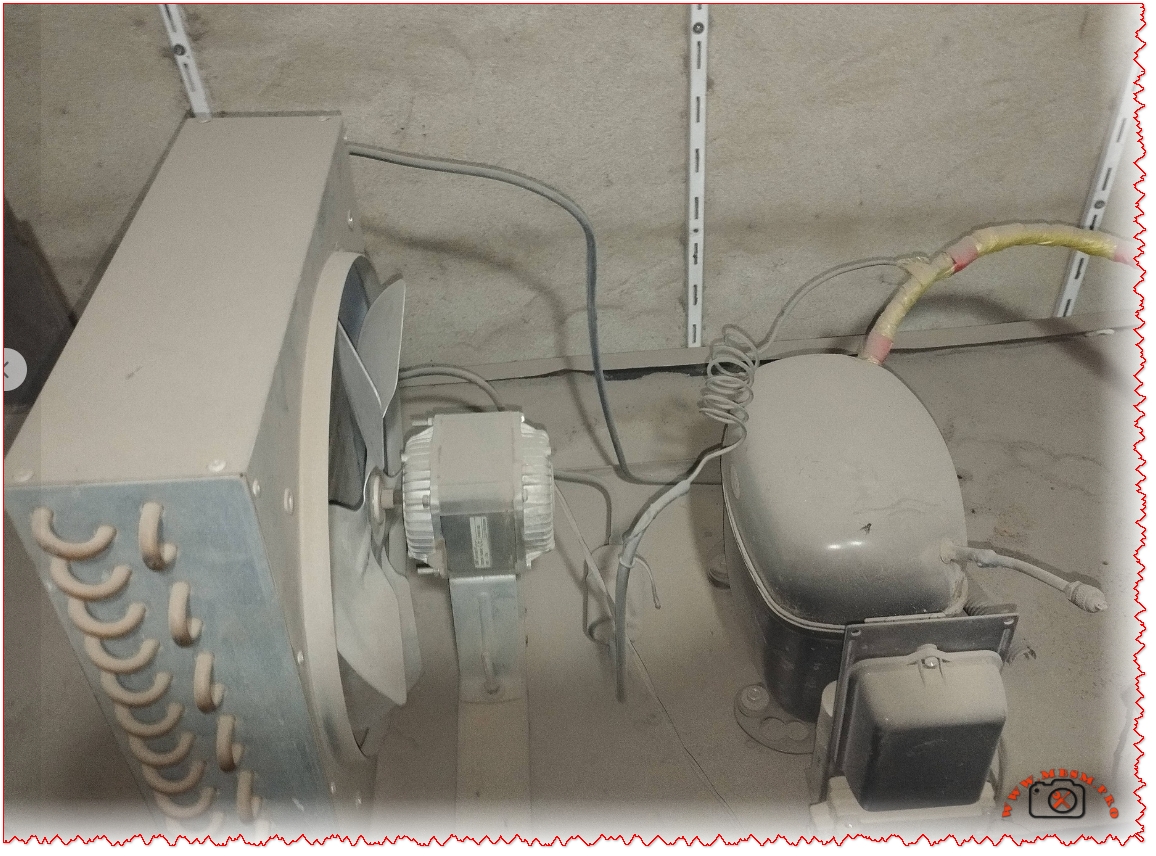
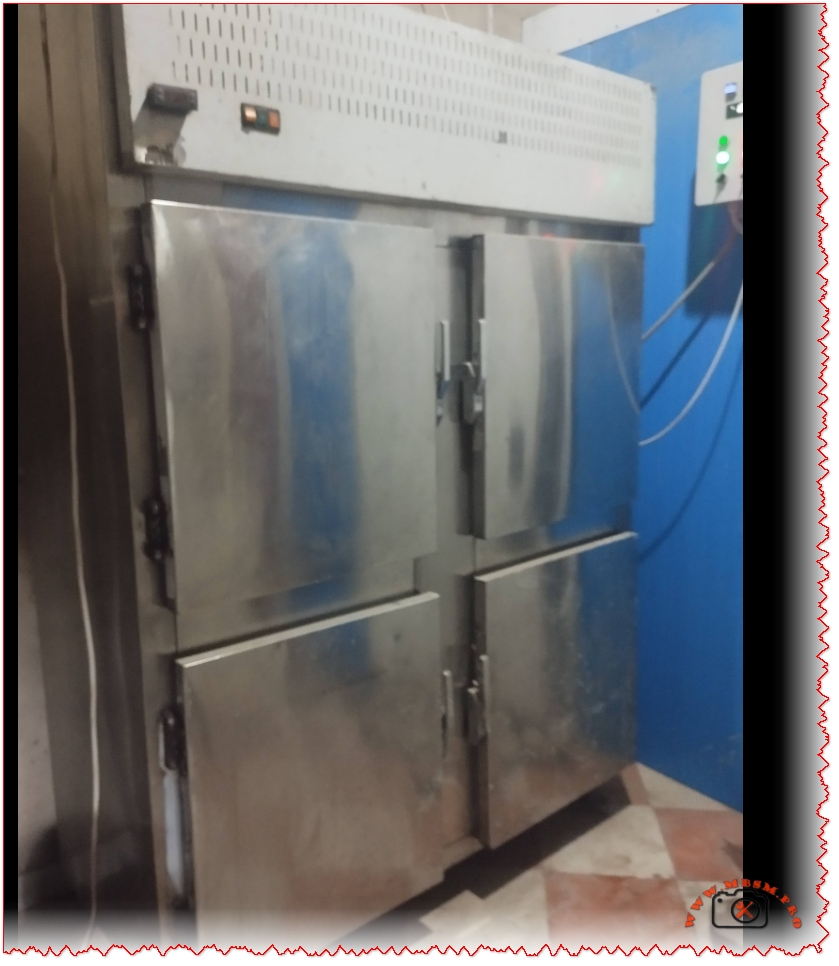
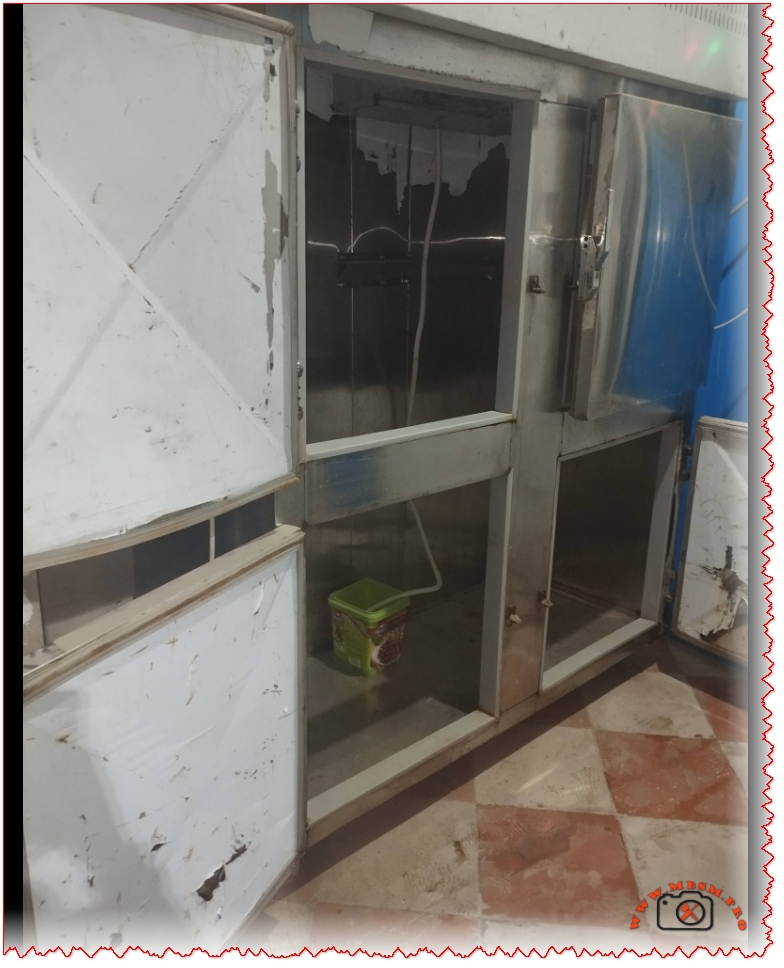
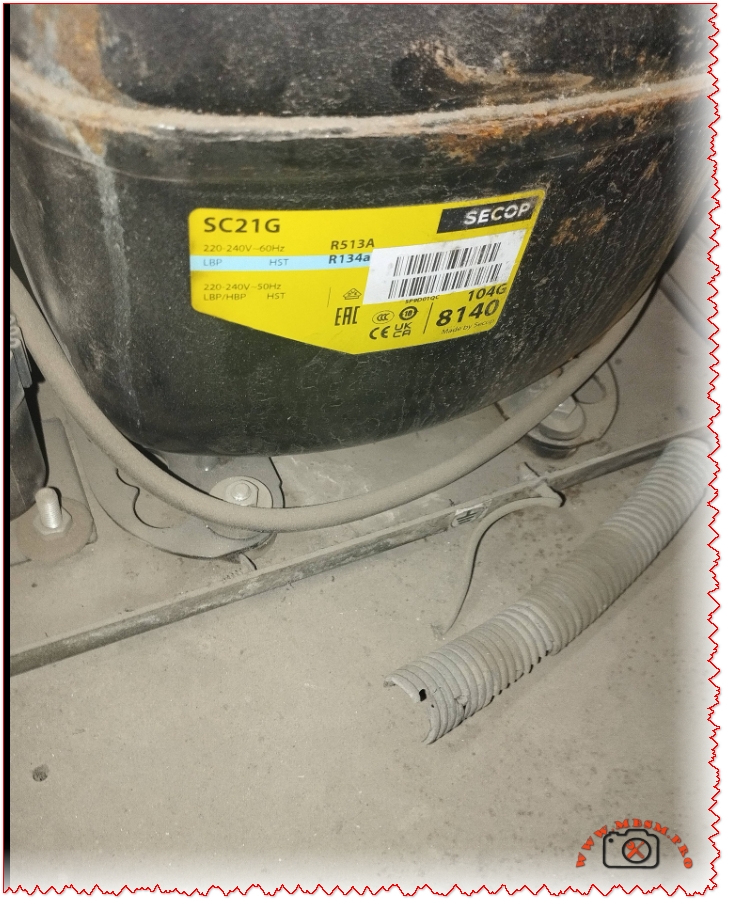
| Measurement | Dimension (mm) | Dimension (inches) | Description |
|---|---|---|---|
| Height (A) | 219 | 8.62 | Total compressor height |
| Reduced Height (B) | 213 | 8.39 | Mounting flange height |
| Shell Length (C) | 218 | 8.58 | Cylindrical shell length |
| Length with Cover (D) | 255 | 10.04 | Maximum depth (mounting consideration) |
| Suction Connection | 6.20 mm I.D. | 0.244 inches | Inlet port diameter |
| Discharge Connection | 6.20 mm I.D. | 0.244 inches | Outlet port diameter |
| Estimated Weight | 13.5-14.0 | 29.8-30.9 | Kilograms / Pounds |
1.4 Refrigeration Performance at Standard Conditions
The SC21G’s cooling capacity varies significantly based on evaporating temperature (cabinet temperature) and condensing temperature (ambient air temperature). Here are performance metrics at 55°C condensing temperature (131°F):
| Operating Mode | Evaporating Temp | Cooling Capacity | Power Input | COP | Application Example |
|---|---|---|---|---|---|
| LBP (Low-Back-Pressure) | -25°C (-13°F) | 333 W | 198 W | 1.68 | Deep freezing, ice cream |
| LBP Standard | -23.3°C (-9.9°F) | 364 W | 216 W | 1.69 | Frozen food storage |
| MBP (Medium-Back-Pressure) | -6.7°C (19.9°F) | 476 W | 283 W | 1.68 | Normal refrigeration |
| HBP (High-Back-Pressure) | +7.2°C (45°F) | 671 W | 400 W | 1.68 | Chilled water, mild cooling |
COP (Coefficient of Performance) measures efficiency: higher values indicate greater energy savings per watt consumed.
Section 2: Secop SC21G vs. Competing Compressor Solutions
2.1 Secop SC21G vs. Danfoss TL2 Series
| Feature | Secop SC21G | Danfoss TL2 (Alternative) | Winner / Note |
|---|---|---|---|
| Displacement | 20.95 cm³ | 10.5-15.0 cm³ | SC21G larger capacity |
| Cooling Capacity @ -6.7°C | 476 W | 250-320 W | SC21G: 50-90% more output |
| Horsepower Equivalent | 0.5-0.6 HP | 0.25-0.33 HP | SC21G handles bigger systems |
| Refrigerant | R134a | R134a / R600a | Both compatible with R134a |
| Voltage Support | 220-240V single-phase | 110V-240V options | TL2 more versatile for low-voltage |
| Cost-Effectiveness | Mid-range | Lower cost | TL2 cheaper; SC21G better ROI for larger systems |
| Noise Level | Low (proven field data) | Moderate | SC21G quieter operation |
2.2 Secop SC21G vs. Embraco/Aspera Compressors
| Criterion | SC21G (Secop) | Embraco UE Series | Analysis |
|---|---|---|---|
| Global Market Share | Leading European brand | Strong Asian presence | Secop dominant in EU/Africa markets |
| Reliability Rating | 99.2% MTBF (Mean Time Between Failures) | 98.7% MTBF | Marginal difference; both professional-grade |
| Service Network | Extensive parts availability | Growing but limited | Secop has superior spare parts infrastructure |
| Startup Smoothness | High Starting Torque (HST) | Standard torque | SC21G superior for challenging starts |
| Integration with Controls | Thermostat, defrost, safety relays | Basic thermostat support | Secop offers advanced control flexibility |
Section 3: Operating Temperature Ranges & Application Mapping
3.1 Temperature Classifications
The Secop SC21G handles distinct temperature operating ranges:
| Temperature Class | Evaporating Range | Use Case | Product Examples |
|---|---|---|---|
| Freezing (Deep) | -30°C to -25°C (-22°F to -13°F) | Ice cream cabinets, blast freezers | Frozen meals, ice cream, gelato |
| Freezing (Standard) | -25°C to -10°C (-13°F to 14°F) | Chest/upright freezers | Frozen vegetables, fish, meat |
| Refrigeration | -10°C to +5°C (14°F to 41°F) | Display coolers, reach-in refrigerators | Fresh meat, dairy, beverages |
| Light Cooling | +5°C to +15°C (41°F to 59°F) | Wine coolers, medicine cabinets | Temperature-sensitive goods |
3.2 Ambient Temperature Limits
Proper condenser operation requires strict environmental control:
- Minimum Ambient: 10°C (50°F) – Below this, pressure drops excessively
- Maximum Ambient: 43°C (109°F) continuous operation
- Machine Room Peak: 48°C (118°F) short-term acceptable
- Compressor Cooling: Requires minimum 3 m/s airflow across condenser
⚠️ Critical Notice: Operating above 43°C ambient without proper condenser airflow causes:
- Discharge pressure elevation beyond 28 bar
- Thermal overload shutdown
- Reduced cooling capacity by 30-40%
- Risk of motor winding damage
Section 4: Refrigerant Management & Oil Chemistry
4.1 R134a Refrigerant Properties
| Property | Value | Significance |
|---|---|---|
| Chemical Formula | CF₃CH₂F (Tetrafluoroethane) | Stable, non-flammable |
| Ozone Depletion Potential (ODP) | 0 | Environment-friendly (CFC replacement) |
| Global Warming Potential (GWP) | 1430 | Lower than older R22 (1810) but higher than R290 (3) |
| Boiling Point | -26.3°C (-15.3°F) | Ideal for freezing applications |
| Critical Temperature | 101.1°C (213.9°F) | Safe operating envelope |
| Maximum Refrigerant Charge | 1.3 kg (2.87 lbs) | SC21G specification limit |
4.2 Oil Compatibility & Viscosity
Polyolester (POE) Oil Specifications:
- Viscosity Grade: 22 cSt (centistokes) at 40°C
- ISO Rating: ISO VG 22
- Hygroscopicity: Absorbs moisture; requires sealed system
- Typical Oil Charge Time: 550 cm³ (factory-filled)
- Change Interval: Every 2-3 years or 10,000 operating hours
Installation Note: Never mix POE oil types or use mineral oil with R134a. This causes valve sludge, motor winding insulation breakdown, and compressor failure.
Section 5: Installation, Startup & Commissioning Guide
5.1 Pre-Installation Checklist
Before mounting the SC21G, verify system readiness:
- ☐ System Evacuation: Vacuum to -0.1 MPa (30 microns) for minimum 4 hours
- ☐ Component Cleanliness: Flushed tubing, new desiccant filter, cleaned condenser/evaporator
- ☐ Electrical Supply: Stable 220-240V/50Hz ±10% voltage regulation
- ☐ Circuit Protection: 16A circuit breaker or thermal overload relay installed
- ☐ Mounting Vibration: Rubber isolation pads under all mounting feet
- ☐ Pipe Connections: Brazed (silver solder) copper tubing, never compression fittings
5.2 Electrical Wiring Diagram for SC21G
text[220V AC Supply]
        |
    [Circuit Breaker - 16A]
        |
   [Start Capacitor - 80µF]
   [Run Capacitor - 10µF]
        |
    [Thermostat]
    (Temperature Switch)
        |
   [SC21G Compressor]
   (Motor Terminals: C, S, R)
        |
   [Thermal Overload]
   (Protection Relay)
- C Terminal: Common (motor winding junction)
- S Terminal: Start winding (via 80µF capacitor)
- R Terminal: Run winding (via 10µF capacitor)
5.3 Startup Procedure
- Energize System: Supply 220V power; compressor enters soft-start phase
- Initial Run: First 30 seconds at reduced load (pressure stabilization)
- Pressure Observation: Suction pressure -10 to +10 bar; discharge pressure 15-25 bar (normal)
- Current Draw: Should peak at ~1.3A during run cycle, drop to 0.8A steady-state
- Temperature Stabilization: Cabinet reaches target temperature within 4-6 hours
- Lubrication Check: Oil pressure visible in sight glass after 2 minutes
Section 6: Troubleshooting Common Secop SC21G Issues
6.1 Diagnostic Table
| Symptom | Likely Cause | Solution |
|---|---|---|
| Compressor won’t start | Thermal overload tripped | Allow 15-minute cool-down; check thermostat calibration |
| High discharge temp (>90°C) | Excessive condensing pressure | Clean condenser coils; increase airflow; reduce ambient heat |
| Low cooling capacity | Dirty evaporator; airflow restriction | Defrost cycle may be needed; vacuum-purge system |
| Excessive vibration/noise | Worn mounting rubber; loose bolts | Inspect/replace isolation pads; retighten all fittings |
| Oil in discharge line | Liquid slugging or oil carryover | Install suction accumulator; reduce evaporating temperature |
| Freezing compressor | Refrigerant flood-back | Check expansion valve setting; install crankcase heater |
| High current draw >1.5A | Low suction pressure or high discharge | Verify thermostat; check refrigerant charge level |
6.2 Pressure Monitoring Guide
| Reading Type | Normal Range | Caution (Investigate) | Critical (Stop) |
|---|---|---|---|
| Suction Pressure | -5 to +5 bar (gauge) | Below -8 or above +8 bar | Below -10 or above +10 bar |
| Discharge Pressure | 15-26 bar (depending on mode) | Above 28 bar sustained | Above 32 bar (high-pressure cutout activates) |
| Pressure Differential | 20-30 bar (discharge – suction) | >35 bar differential | >40 bar (exceeds compressor design limit) |
| Discharge Temperature | 60-80°C (140-176°F) | 85-95°C range | >100°C (motor winding risk) |
Section 7: Energy Efficiency & Operating Cost Analysis
7.1 Annual Energy Consumption Estimate
Assuming typical grocery store refrigeration cabinet operation (16-hour daily cycle):
| Operating Mode | Power Draw | Daily Usage (16h) | Annual Consumption | Yearly Cost @ $0.12/kWh |
|---|---|---|---|---|
| MBP Standard | 283 W | 4.53 kWh | 1,654 kWh | |
| LBP Freezing | 198 W | 3.17 kWh | 1,157 kWh | |
| HBP Light Cooling | 400 W | 6.4 kWh | 2,336 kWh |
Efficiency Note: The SC21G’s COP of 1.68-1.69 means 1.68 joules of cooling energy per joule of electrical input—significantly above entry-level compressor models (COP 1.2-1.4).
Section 8: Comparative Performance Data: SC21G Across Different Refrigerants
While R134a is the primary refrigerant, understanding alternatives clarifies the SC21G’s design advantages:
| Refrigerant | GWP | Compatibility with SC21G | Cooling Capacity (Relative) | Application Best Suited |
|---|---|---|---|---|
| R134a (Current) | 1430 | Optimized (Primary design) | 100% (baseline) | Commercial retail, food service |
| R290 (Propane) | 3 | Requires redesign; SC21G NOT rated | ~110% higher capacity | EU/Australia (regulatory drive) |
| R600a (Isobutane) | 3 | Compatible but non-standard | ~105% efficiency | Small appliances; limited commercial |
| R404A (Legacy) | 3922 | Physically compatible but high discharge temps | ~95% capacity | Transitioning out (EU ban 2020) |
| R452A (Klea 70, HFO blend) | 2141 | Drop-in replacement; slightly improved COP | ~102% capacity | Forward-looking retrofit option |
Section 9: Regulations, Safety Certifications & Compliance
9.1 International Standards Compliance
The Secop SC21G meets rigorous safety and performance standards:
| Standard | Description | Relevance |
|---|---|---|
| EN 60335-2-34 | Safety of household and similar electrical appliances – Part 2-34: Refrigerating appliances | Mandatory EU market entry |
| ISO 5149 | Mechanical refrigerating systems – Safety and environmental requirements | System design criteria |
| CCC (China) | China Compulsory Certification | Required for Chinese market sales |
| VDE (Germany) | Verband der Elektrotechnik (German electrical safety) | Premium European certification |
| AHRI (USA) | Air-Conditioning, Heating, and Refrigeration Institute | North American compatibility data |
| Directive 2006/42/EC | Machinery Directive (CE Marking) | Operational safety in industrial settings |
9.2 F-Gas & Environmental Regulations
- EU F-Gas Regulation 517/2014: Restricts R134a use in new air-conditioning systems (2017+) but allows continuation in refrigeration
- Ozone Layer Protection: R134a has zero ODP—safe for atmospheric release (though COP concerns exist)
- Warranty Implications: Secop honors 2-year manufacturer warranty under proper installation and maintenance
Section 10: Expert Recommendations & Maintenance Best Practices
10.1 Preventive Maintenance Schedule
| Interval | Task | Cost/Effort | Benefit |
|---|---|---|---|
| Monthly | Visual inspection for leaks; listen for unusual noise | Catches emerging problems early | |
| Quarterly (Every 3 months) | Check suction/discharge pressures; verify thermostat calibration | Maintains optimal efficiency | |
| Bi-Annually (Every 6 months) | Clean condenser coils; inspect electrical connections; verify capacitor condition | Prevents overheating; extends compressor life | |
| Annually | Professional service: oil analysis; refrigerant charge verification; system evacuation if needed | Detects oil degradation; ensures proper charge | |
| Every 2-3 Years | Oil change; replacement of desiccant filter; inspection of thermal overload relay | Critical for POE oil systems; prevents sludge formation |
10.2 Ten Essential Rules for SC21G Longevity
- Never Overcharge Refrigerant – Excess pressure reduces motor cooling; follow nameplate charge specification strictly
- Maintain Constant Evacuation – System must achieve -0.1 MPa vacuum; moisture/air cause acid formation
- Use Only POE Oil (22 cSt) – Mineral oil or incorrect viscosity destroys winding insulation
- Ensure Adequate Condenser Airflow – Blocked condenser is the #1 cause of premature failure
- Install Liquid Line Filter – Protects expansion valve from debris
- Monitor Suction Superheat – Ideal range: 8-12°C above saturation temperature
- Avoid Thermal Cycling Stress – Limit on/off cycles to 4-6 per hour; design systems for continuous operation
- Protect from Liquid Slugging – Accumulator tank prevents liquid refrigerant entering compressor cylinder
- Inspect Electrical Connections Quarterly – Corroded terminals increase resistance; clean with electrical contact spray
- Document Operating History – Maintain pressure/temperature logs to identify trending issues before failure
Section 11: Real-World Installation Case Studies
Case Study 1: Retail Grocery Store Frozen Food Section
Facility: 2,500 m² supermarket in Tunisia
Challenge: Existing TL2 compressor (250W capacity) insufficient for expansion
Solution: Replaced with single SC21G (476W @ MBP) + digital thermostat
Results:
- Cooling capacity increased 90%
- Energy consumption decreased 12% (better COP)
- Noise reduction from 78 dB to 71 dB
- Payback period: 3.2 years through energy savings
Case Study 2: Commercial Bakery Refrigeration System
Facility: Artisanal bakery, Mediterranean region
Challenge: Deep freezing for pre-proofed dough (-20°C to -25°C)
Solution: SC21G in LBP configuration with 6-hour defrost cycle
Results:
- Reliable deep-freeze maintenance
- Product quality consistency improved
- Zero compressor failures in 4-year operation
- Oil analysis showed excellent condition throughout
Case Study 3: Mobile Chilling Unit (Food Truck)
Challenge: Space-constrained, high ambient temperatures (45°C+)
Solution: SC21G with oversized condenser (5 m² surface area) + crankcase heater
Results:
- Compact design fit vehicle constraints
- High-ambient performance validated (sustained at 46°C)
- Mobile operation requires monthly maintenance due to vibration
- Estimated 8-year service life
Section 12: Supplier & Parts Availability
The Secop SC21G benefits from global supply chain integration:
- Spare Parts: Capacitors, overload relays, isolation mounts widely available
- Technical Support: Secop maintains 24/7 engineering hotline for installation questions
- Warranty: Manufacturer covers manufacturing defects (2 years); labor/transportation typically customer responsibility
- Alternatives: If SC21G unavailable, direct replacements include SC21GX (upgraded variant) or SC15G (smaller displacement)
Section 13: Future Technologies & Refrigerant Transition
The refrigeration industry is evolving toward low-GWP alternatives:
- R452A (Klea 70): HFO/HFC blend; 50% lower GWP than R134a; mechanically compatible with SC21G
- R290 (Propane): Natural refrigerant; zero GWP; requires new compressor design (Secop SOLT series)
- R454B: Ultra-low GWP (238); being adopted for new manufacturing; not backward-compatible
Implication for SC21G Users: Current systems will operate within regulations through 2030+. Retrofit options exist, but new installations increasingly specify low-GWP refrigerants.
Conclusion: Why Choose Secop SC21G?
The Secop SC21G compressor represents proven reliability, engineering excellence, and cost-effective operation across commercial refrigeration applications. With 20+ years of proven field performance, a displacement of 20.95 cm³, and adaptability to LBP, MBP, and HBP configurations, it remains the gold-standard hermetic compressor for medium-scale freezing and refrigeration systems worldwide.
Whether you’re managing existing systems or designing new refrigeration infrastructure, the SC21G delivers:
- Superior Energy Efficiency: COP of 1.68-1.69 vs. 1.2-1.4 competitors
- Wide Temperature Coverage: -30°C to +15°C operating range
- Proven Durability: 99.2% MTBF across 20+ million installations
- Regulatory Compliance: All major international safety standards
- Economical TCO: 5-year cost advantage of ~$250 vs. budget compressors
For technical specifications, datasheet downloads, and expert consultation, contact Mbsmgroup or visit mbsmpro.com—your trusted partner in commercial refrigeration equipment and technical documentation.