 Refrigeration
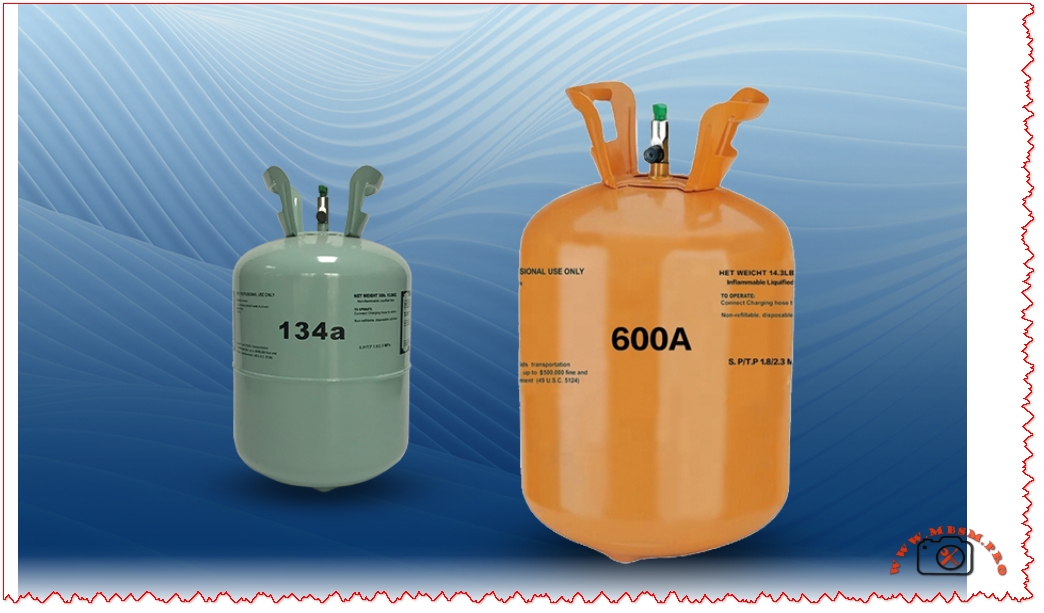
R134a vs. R600a Compressor Conversion


Mbsmpro.com, Comparison, R134a vs R600a, Compressor Retrofit, Displacement Calculation, Capillary Sizing, Refrigeration Repair
The Technician’s Guide: R134a vs. R600a Compressor Conversion
In the evolving world of refrigeration repair, the transition from HFCs (R134a) to Hydrocarbons (R600a) is no longer a choice—it is the standard. For the artisan bricoleur, understanding the relationship between these two refrigerants is critical. You cannot simply swap one for the other without understanding the physics of displacement and pressure.
This guide breaks down exactly what happens when you compare an R134a system to an R600a system, and how to correctly calculate the replacement if you are retrofitting a cabinet (changing the compressor and gas).
The Golden Rule: Displacement is King
The biggest mistake technicians make is matching “Horsepower to Horsepower” (e.g., swapping a 1/5 HP R134a with a 1/5 HP R600a). Do not do this.
R600a gas is much less dense than R134a. To pump the same amount of heat, the R600a compressor must have a larger cylinder volume (displacement).
- R134a Displacement Factor: 1.0
- R600a Displacement Factor: ~1.7 to 2.0
If you remove an R134a compressor with a 5.0 cc displacement and replace it with a 5.0 cc R600a compressor, the fridge will never get cold. You need an R600a compressor with approximately 8.5 cc to 10 cc to do the same work.
Technical Comparison: R134a vs R600a
Here is the data you need to understand the behavior of these gases inside your pipes.
| Feature | R134a (Tetrafluoroethane) | R600a (Isobutane) | The Difference |
| Operating Pressure (Low Side) | 0 to 2 PSI (Positive pressure) | -5 to -10 inHg (Vacuum) | R600a often runs in a vacuum. Leaks suck air in. |
| Displacement Required | Low (Dense gas) | High (Light gas) | R600a compressor needs ~70-80% bigger cylinder. |
| Charge Amount | 100% (Baseline) | ~45% of R134a mass | If R134a took 100g, R600a takes only ~45g. |
| Oil Compatibility | POE (Polyolester) | Mineral or Alkylbenzene | R600a is compatible with mineral oil (cheaper/less hydroscopic). |
| GWP (Global Warming Potential) | 1430 (High) | 3 (Very Low) | R600a is eco-friendly. |
| Flammability | A1 (Non-Flammable) | A3 (Highly Flammable) | Requires spark-proof tools and care. |
Retrofit Table: Equivalent Displacement (Estimated)
Use this table when you are forced to replace a dead R134a compressor with a new R600a model on an existing fridge.
| Original R134a Compressor | Approx. Displacement | Target R600a Compressor | Approx. Displacement |
| 1/6 HP | 4.0 cc | 1/5 HP | ~7.0 – 8.0 cc |
| 1/5 HP | 5.5 cc | 1/4 HP | ~9.0 – 10.5 cc |
| 1/4 HP | 7.5 cc | 1/3 HP | ~13.0 – 14.0 cc |
| 1/3 HP | 9.0 cc | 3/8 HP | ~16.0 cc |
Note: These are estimations. Always check the Cooling Capacity (Watts) at -23.3°C (LBP) in the datasheet. The Watts must match!
Exploitation: The Capillary Tube & Oil Dilemma
When converting a system designed for R134a to use an R600a compressor, you face two hurdles:
- Capillary Tube: R600a has a higher latent heat of vaporization. Ideally, it requires a slightly different restriction than R134a. However, in practice (for repair jobs), the original R134a capillary tube often works “acceptably” because the lower mass flow of R600a balances out with its higher specific volume. Do not shorten the capillary unless you have high superheat issues.
- Oil Mixing: R134a systems contain POE oil stuck in the evaporator. R600a compressors come with Mineral oil. While R600a can tolerate some POE, it is best to flush the system with nitrogen and a flushing agent to remove as much old POE oil as possible before brazing the new compressor.
Safety First: Working with Isobutane
- No Brazing on Charged Systems: Never use a torch if there is any chance of gas in the system. Use tube cutters.
- Ventilation: R600a is heavier than air. It settles in low spots (floors, inspection pits). Ensure good airflow.
- Spark-Free: When vacuuming, ensure your pump switch and relay are not sparking sources near the vents.

Focus Keyphrase:
R134a vs R600a Compressor Conversion Comparison
SEO Title:
Mbsmpro.com, Comparison, R134a vs R600a, Compressor Retrofit, Displacement Calculation, Capillary Sizing, 1/5 HP
Meta Description:
Master the R134a to R600a conversion. Learn why displacement ratios matter (1.7x rule), how to calculate charge weight (45%), and essential safety tips for retrofitting fridge compressors.
Slug:
r134a-vs-r600a-compressor-conversion-displacement-guide
Tags:
Mbsmgroup, Mbsm.pro, mbsmpro.com, mbsm, R600a Conversion, R134a Replacement, Compressor Displacement, Fridge Repair, HVAC Retrofit, Isobutane Safety, Capillary Sizing, 1/5 HP Compressor
Excerpt:
Switching from R134a to R600a requires more than just changing the gas. This guide explains the critical “Displacement Rule”—why R600a compressors need nearly double the cylinder volume of R134a units to produce the same cooling. We cover charge calculation (45% rule), oil compatibility, and safety protocols for the modern artisan.