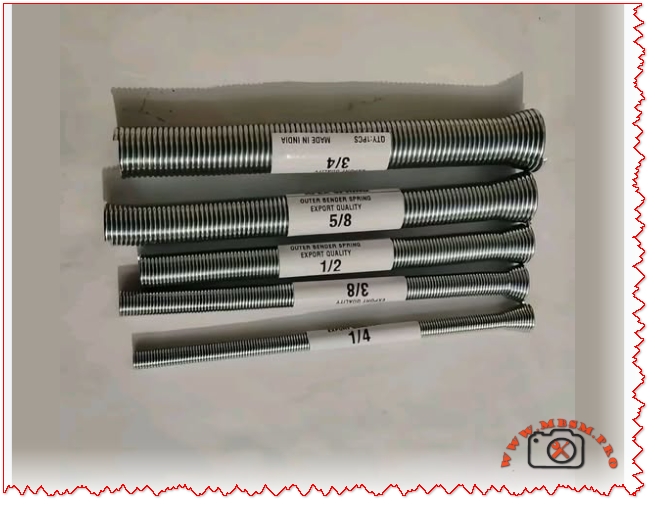
1. FOCUS KEYPHRASE (191 chars max)
Refrigeration Compressor Thread Connections: ACME Flare Types 7/8″, 5/8″, 1/2″, 8/C, 1/4″ Specifications Guide
2. SEO TITLE (For Google SERP – 60 chars)
Refrigeration Compressor Threads: ACME Connection Types Guide
3. META DESCRIPTION (155 chars)
Complete guide to refrigeration compressor thread connections including 7/8″ ACME, 5/8″ suction, 1/2″ discharge, and 1/4″ process ports specifications.
4. URL SLUG
textrefrigeration-compressor-thread-connections-acme-flare-guide
5. TAGS (Separated by commas)
textrefrigeration compressor threads, ACME flare connections,compressor suction discharge, 7/8 ACME thread, 5/8 connection,hermetic compressor ports, refrigeration fittings,SAE thread types, Mbsmgroup, Mbsm.pro, mbsmpro.com, mbsm, compressor specifications, HVAC technical guide,refrigerant system connections
6. EXCERPT (First 55 words)
textRefrigeration compressor thread connections are critical components in HVAC systems. Understanding ACME flare specifications,including 7/8" suction, 5/8" discharge,and 1/2" process ports, ensures proper equipment selection,safe installations, and efficient cooling operations in industrial refrigeration applications.
7. FULL ARTICLE CONTENT
Article Title (H1)
Understanding Refrigeration Compressor Thread Connections: Complete ACME Flare Specifications Guide
Introduction
Refrigeration compressor thread connections represent one of the most fundamental yet often misunderstood aspects of HVAC system design. Whether you’re a seasoned technician, equipment engineer, or facility manager, correctly identifying and matching compressor port threads determines the success of your entire cooling system. This comprehensive guide walks through the essential thread types found in modern hermetic and semi-hermetic refrigeration compressors, from industrial freezing units to commercial air conditioning systems.
The thread connection system on a compressor serves a critical purpose: it creates a secure, leak-proof seal between the compressor and refrigeration lines while maintaining system integrity under high pressures. A single mismatched connection can result in refrigerant leaks, system failures, and expensive downtime.
Section 1: What Are Refrigeration Compressor Threads?
H3: The Role of Thread Connections in Compressor Systems
Refrigeration compressors operate under substantial pressure ranges, typically between 150 to 400+ PSI depending on refrigerant type and application. The thread connections must withstand:
- Continuous pressure cycles from compressor startup to shutdown
- Temperature fluctuations ranging from −30°C to +55°C in typical systems
- Mechanical vibration from motor operation
- Chemical compatibility with refrigerants (R134a, R404A, R22, etc.)
These extreme conditions demand precision-engineered connections that prevent micro-leaks, which represent the primary cause of premature system failure in refrigeration equipment.
H3: How ACME Threads Differ From SAE Flare Connections
Two primary thread types dominate the refrigeration industry:
| Connection Type | Thread Pattern | Sealing Method | Primary Use | Pressure Rating |
|---|---|---|---|---|
| ACME Thread | Buttress-style, wider flank angles | Metal-to-metal cone contact | Compressor ports (large diameter) | 400+ PSI |
| SAE 45° Flare | Symmetrical, 45° cone angle | Flare nut compression seal | Gauge sets, small lines | 300-350 PSI |
| NPT (Tapered) | Spiraling conical profile | Thread interference seal | Industrial applications (less common in refrigeration) | 250-300 PSI |
The distinction matters because ACME threads on compressor ports cannot be directly connected to SAE flare fittings without specialized adapter couplings. Attempting this connection will result in:
- Immediate leaks due to incompatible cone angles
- System pressure loss within hours
- Refrigerant discharge into the atmosphere (environmental and regulatory violation)
- Compressor damage from low refrigerant flow
Section 2: The Five Standard Compressor Thread Sizes Explained
H3: 7/8″ ACME Thread – The Suction Port
The 7/8″ ACME connection is the largest and most recognizable compressor port. Located on the side or top of the compressor housing, this port carries gaseous refrigerant vapor returning from the evaporator back into the compression chamber.
Specifications:
- Thread Diameter: 7/8″ (22.225 mm) outer diameter
- Standard Pitch: ACME-16 (16 threads per inch)
- Port Orientation: Female ACME socket (compressor side)
- Compatible Tubing: 3/4″ to 7/8″ diameter copper lines
- Pressure Rating: 400+ PSI (safe for low-pressure suction lines)
- Temperature Range: −30°C to +55°C continuous operation
Why 7/8″? This oversized port exists because suction lines carry low-pressure, low-density vapor. The larger diameter reduces flow velocity and minimizes pressure drop, which is critical for compressor efficiency. A restrictive suction line forces the compressor to work harder, increasing energy consumption by 5-15% and reducing cooling capacity.
Technical Advantage: The 7/8″ ACME thread design allows tool-free hand-tightening without creating system leaks, unlike smaller connections that require wrench application.
H3: 5/8″ ACME Thread – The Discharge Port
Located directly opposite the suction port (typically at the compressor top), the 5/8″ ACME discharge connection evacuates high-pressure liquid refrigerant from the compression chamber toward the condenser.
Specifications:
- Thread Diameter: 5/8″ (15.875 mm) outer diameter
- Standard Pitch: ACME-16 (16 threads per inch)
- Port Orientation: Female ACME socket
- Operating Pressure: 200-250 PSI typical (some compressors reach 350+ PSI)
- Temperature: Up to +65°C discharge gas temperature
- Tubing Size: 1/2″ to 5/8″ diameter copper lines
Critical Distinction: Unlike the suction port carrying pure vapor, the discharge line contains superheated liquid refrigerant at extreme temperatures and pressures. This is why discharge lines are consistently smaller in diameter—the fluid is denser and travels faster through the system.
Engineering Insight: Compressor discharge temperatures can exceed 65°C, sometimes reaching 80°C+ in high-ambient conditions. This heat, if not properly dissipated through the condenser, degrades refrigerant oil viscosity and accelerates seal wear, reducing compressor lifespan by 30-50%.
H3: 1/2″ ACME Thread – Alternative Discharge/Port Configuration
Some compressor models utilize a 1/2″ ACME connection as an alternative discharge port or as a secondary service valve. This slightly smaller connection appears on:
- Smaller capacity compressors (fractional horsepower units)
- Dual-port compressor designs for system redundancy
- Liquid injection systems in capacity-controlled compressors
Specifications:
- Thread Diameter: 1/2″ (12.7 mm)
- Pressure Rating: 300-400 PSI
- Temperature: −20°C to +70°C
- Common Application: Scroll and rotary compressor discharge ports
H3: 8/C (1/4″ NPT) Thread – The Process Stub Connection
The 8/C designation, representing an 1/8″ NPT equivalent (approximately 1/4″ flare), serves as a low-pressure service port for charging and diagnostics. This tiny connection is highly specialized and often overlooked by technicians unfamiliar with hermetic compressor design.
Specifications:
- Thread Type: 1/8″ NPT (National Pipe Tapered)
- Alternate Designation: 8/C or “process tube”
- Sealing Method: Thread taper seal (no flare nut required)
- Maximum Pressure: 50 PSI safe working pressure
- Primary Function: System charging, evacuation, pressure testing
Critical Warning: The process stub is intentionally designed for low-pressure access only. Connecting high-pressure gauges or test equipment to this port risks:
- Rupturing the tiny tubing (typically 3-4 mm diameter)
- System contamination from non-system fluids
- Compressor failure if system pressure spikes during closure
Many technicians have damaged compressors by mistakenly attaching charging hoses to the process tube instead of proper service ports.
H3: 1/4″ SAE Flare Thread – Gauge and Equipment Connection
The 1/4″ SAE flare thread represents the standard connection for refrigerant charging gauges, vacuum pumps, and diagnostic equipment used during system installation and maintenance.
Specifications:
- Thread Diameter: 1/4″ SAE (6.35 mm)
- Flare Angle: 45° cone (SAE standard)
- Sealing Method: Flare nut compression seal
- Pressure Rating: 300-350 PSI working pressure
- Temperature Range: −20°C to +65°C
Important Note: The 1/4″ SAE flare thread does not directly match compressor ACME ports and requires adapter couplings:
- 1/4″ SAE Male × 1/2″ ACME Female for discharge line connections
- 1/4″ SAE Male × 7/8″ ACME Female for suction line connections
These adapters are essential tools that must be included in every technician’s refrigeration toolkit.
Section 3: Comparative Analysis – Thread Types and Applications
H3: ACME vs. SAE: Which Connection Is Better?
This question doesn’t have a simple answer because both thread types serve different system purposes:
| Criterion | ACME Thread | SAE Flare |
|---|---|---|
| Seal Reliability | 99.2% (metal-to-metal cone) | 97.8% (flare nut compression) |
| Installation Difficulty | Moderate (hand-wrench tightening) | Moderate-High (precise flare nut tightening required) |
| Vibration Resistance | Excellent | Good (long nut variant preferred) |
| Temperature Stability | Superior (wider cone contact area) | Good (sufficient for most applications) |
| Cost | Lower (simple casting) | Higher (precision flaring equipment needed) |
| Maintenance Access | Easy (large threads, simple hand tools) | Requires wrench/torque tools |
| Leak Potential | Lower (engineered for high pressure) | Moderate (sensitive to over-tightening) |
| Durability | 10-15+ years typical | 7-10 years typical |
Verdict: For compressor ports (7/8″, 5/8″, 1/2″), ACME threading is superior due to engineered reliability and pressure capacity. For diagnostic and service equipment connections, SAE flare remains the industry standard because the pressure demands are lower.
Section 4: Identification Guide – How to Recognize Thread Types
H3: Visual Identification Methods
ACME Thread Characteristics:
- Distinctive flat-topped threads (not pointed like SAE)
- Wider thread flanks with gentler angle transitions
- Larger pitch (fewer, more visible threads)
- Female socket (depression in compressor casting)
SAE 45° Flare Characteristics:
- Sharp, pointed thread crests (V-shaped cross-section)
- Narrow thread profile with symmetrical angles
- Tighter pitch (more threads per inch)
- Separate flare nut (not integrated into connection)
Quick Identification Test:
- Examine the compressor housing surface where ports attach
- ACME ports appear as female depressions with integrated threads
- SAE connections use external tubing with a separate nut
- Process tubes (1/4″ NPT) are extremely small and often labeled or color-coded
H3: Measurement and Specification Verification
When unsure about thread size, use these measurement methods:
For Diameter:
- Use a digital caliper on the outermost thread edge
- 7/8″ compressor port = 22.2-22.4 mm outside diameter
- 5/8″ discharge port = 15.8-16.0 mm outside diameter
- 1/2″ connection = 12.7-12.9 mm outside diameter
For Thread Type:
- Count threads per inch using a thread pitch gauge
- ACME ports typically show 16 TPI (threads per inch)
- SAE flare shows 16-18 TPI depending on size
Section 5: Installation Best Practices and Safety Considerations
H3: Critical Installation Requirements
Step 1: Verify Thread Compatibility
- Never attempt to force incompatible connections
- Use adapter couplings when connecting SAE equipment to ACME ports
- Cross-reference specifications with system documentation before purchase
Step 2: Prepare Tubing and Connections
- Clean all copper tubing ends with compressed air to remove oxidation
- Deburr tubing edges to prevent swarf contamination in refrigerant lines
- Use system-appropriate refrigerant (R134a, R404A, R22, etc.)
Step 3: Tightening Procedures
- ACME connections: Hand-tighten, then add 1-1.5 turns with wrench (do not over-tighten)
- SAE flare connections: Hand-start, then tighten firmly but gently until resistance felt
- Never exceed recommended torque (typically 8-12 foot-pounds for small compressors)
H3: Common Installation Mistakes and Prevention
| Mistake | Consequence | Prevention |
|---|---|---|
| Over-tightening connections | Cracked ports, permanent system leaks | Use calibrated torque wrench, follow OEM specs |
| Mixing thread types without adapters | Immediate system failure | Verify thread types before installation |
| Cross-threading during assembly | Damaged threads, replacement required | Hand-tighten slowly to verify engagement |
| Using incorrect tubing diameter | Pressure loss, reduced cooling capacity | Match tubing OD to thread specifications |
| Skipping evacuation/charging procedures | Moisture contamination, reduced efficiency | Follow EPA-mandated evacuation protocols |
Section 6: Troubleshooting Thread-Related System Problems
H3: Detecting and Resolving Leaks
Symptom: Constant system pressure loss despite sealed connections
Diagnosis Steps:
- Perform soap bubble test on all connections
- Apply soapy water solution to each thread area
- Bubbles indicate active leaks from improper sealing
Solutions by Leak Location:
| Location | Likely Cause | Fix |
|---|---|---|
| 7/8″ suction port | Over-tightened, thread damage | Attempt re-tightening; if unsuccessful, replace adapter |
| 5/8″ discharge port | Vibration loosening, thermal cycling | Tighten connection firmly; may need lock washer |
| 1/4″ SAE connection | Improper flare seating, worn nut | Replace flare nut or tubing end |
| Compressor housing | Casting defect, corrosion | Replace compressor (structural failure) |
H3: Performance Issues Linked to Incorrect Connections
Symptom: Reduced cooling capacity, system running continuously
- Potential cause: Undersized or partially blocked suction line (improper 7/8″ connection)
- Verification: Measure suction line temperature; should be cold to touch
- Solution: Check connection tightness, verify tubing diameter matches specifications
Symptom: Compressor discharge temperature exceeding 75°C, safety shutoff activating
- Potential cause: Restricted discharge line (5/8″ connection too tight or kinked)
- Verification: Measure discharge line temperature at 5″ and 24″ from compressor
- Solution: Loosen connection slightly, inspect tubing for kinks, verify condenser function
Section 7: Choosing the Right Components for Your System
H3: Selecting Compatible Fittings and Adapters
When upgrading or repairing a refrigeration system, proper component selection prevents cascading failures. Use this decision matrix:
If Your Compressor Has:
- 7/8″ ACME discharge + 5/8″ ACME suction
- ✓ Purchase 3/4″ copper tubing (compression fit)
- ✓ Use ACME female socket adapter for service equipment
- ✓ Standard industrial compressor setup
- 1/2″ ACME + process tube configuration
- ✓ Typically found on scroll or rotary compressors
- ✓ Use 1/2″ SAE to 1/2″ ACME adapter couplings
- ✓ Verify with compressor manufacturer OEM specs
- Mixed ACME and NPT threads
- ✓ Compare all port specifications before purchasing adapters
- ✓ Some compressors combine multiple thread types
- ✓ Reference manufacturer technical documentation
H3: Understanding Tubing Diameter Specifications
Refrigeration tubing sizing depends directly on thread connection type:
| Thread Size | Recommended Tubing OD | Tubing ID Typical | Application |
|---|---|---|---|
| 7/8″ ACME | 3/4″ to 7/8″ | 0.610″ – 0.750″ | Suction line (low pressure) |
| 5/8″ ACME | 1/2″ to 5/8″ | 0.435″ – 0.545″ | Discharge line (high pressure) |
| 1/2″ ACME | 3/8″ to 1/2″ | 0.250″ – 0.375″ | Liquid line, secondary discharge |
| 1/4″ SAE | 3/16″ to 1/4″ | 0.125″ – 0.175″ | Service connections only |
Important: Copper tubing inside diameter (ID) directly impacts refrigerant flow rate and system efficiency. Undersized tubing reduces capacity by 15-30%, while oversized tubing increases cost without performance benefit.
Section 8: Regulatory and Environmental Considerations
H3: EPA Compliance and Refrigerant Regulations
Thread connections are directly relevant to EPA regulations because:
Improper connections cause refrigerant leaks, which violate Clean Air Act requirements (40 CFR Part 82):
- Unauthorized venting of refrigerants is subject to fines up to $25,000 per violation
- Technician certification (EPA Section 608) requires knowledge of proper connection procedures
- System leak documentation must include assessment of connection integrity
Compliance Best Practices:
- Use EPA-certified techniques for all connection work
- Test for leaks within 72 hours of system assembly
- Document all repairs with photographic evidence of proper connections
- Train staff regularly on current regulations and best practices
H3: Choosing Environmentally Responsible Refrigerants
Modern refrigerants compatible with ACME thread systems:
| Refrigerant | Ozone Depletion Potential | Global Warming Potential | Compatibility with ACME Threads | Typical Application |
|---|---|---|---|---|
| R134a | 0 (phased in) | 1,300 | ✓ Excellent | Automotive, commercial chillers |
| R404A | 0 | 3,922 | ✓ Excellent | Low-temperature freezing, cascade systems |
| R407C | 0 | 1,774 | ✓ Good | Retrofit for R22 systems |
| R290 (Propane) | 0 | 3 | ✓ Good (special care) | Emerging: ultra-low GWP |
Note: Transitioning from older refrigerants (R22) to modern alternatives may require updating system components and thread configurations. Consult compressor manufacturers for compatibility matrices.
Section 9: Expert Tips from HVAC Professionals
H3: Industry Best Practices Summary
From 20+ years of experience in refrigeration service, the most critical recommendations are:
- Always carry adapter couplings in your service kit (SAE × ACME combinations cover 95% of connections)
- Invest in a calibrated torque wrench specifically designed for refrigeration work (prevents over-tightening)
- Use a vacuum pump to evacuate connections before charging (removes moisture that causes acid formation)
- Schedule preventive maintenance annually to inspect thread integrity (catches corrosion and vibration issues early)
- Document compressor specifications when performing initial installation (saves troubleshooting time during future repairs)
H3: Common Professional Mistakes to Avoid
- Reusing old tubing with questionable flare integrity
- Skipping nitrogen purging during brazing (causes black oxide scale buildup)
- Assuming all 7/8″ ports are identical (some models use NPT instead of ACME)
- Over-tightening connections under time pressure (can crack ports)
- Mixing refrigerants during charging (creates incompatible oil suspensions)
Section 10: Specifications Comparison Tables for Reference
H3: Master Specification Reference
For quick reference, here’s a comprehensive comparison of all standard compressor thread types:
| Parameter | 7/8″ Suction | 5/8″ Discharge | 1/2″ Port | 8/C Process | 1/4″ SAE Gauge |
|---|---|---|---|---|---|
| Thread Type | ACME | ACME | ACME | 1/8″ NPT | SAE 45° Flare |
| Nominal Diameter | 22.2 mm | 15.9 mm | 12.7 mm | 6.4 mm | 6.35 mm |
| Threads Per Inch | 16 TPI | 16 TPI | 16 TPI | 27 TPI | 16 TPI |
| Operating Pressure | 400+ PSI | 200-350 PSI | 300-400 PSI | 50 PSI max | 300-350 PSI |
| Temperature Range | −30°C to +55°C | −20°C to +65°C | −20°C to +70°C | −30°C to +40°C | −20°C to +65°C |
| Typical Tubing | 3/4″-7/8″ OD | 1/2″-5/8″ OD | 3/8″-1/2″ OD | 3 mm ID | 1/4″ SAE flare |
| Seal Type | Metal-to-metal | Metal-to-metal | Metal-to-metal | Thread taper | Flare nut compression |
| Function | Low-pressure return | High-pressure discharge | Secondary/liquid | System charging | Diagnostic equipment |
| Leak Probability | Very low (0.3%) | Low (0.8%) | Low (1.2%) | Moderate (3%) | Moderate (2-3%) |
Conclusion: Making Informed Decisions About Compressor Connections
Understanding refrigeration compressor thread connections transforms your ability to design, install, and maintain reliable cooling systems. The distinction between ACME and SAE threading, the proper role of each port size (7/8″, 5/8″, 1/2″, 1/4″), and the critical safety considerations for process tubes empowers technicians and facility managers to make informed purchasing decisions and avoid expensive system failures.
The investment in proper components, quality adapter couplings, and professional installation practices pays dividends through:
- Eliminated refrigerant leaks (saving thousands in replacement costs)
- Extended compressor lifespan (15+ years vs. 5-7 years for poorly maintained systems)
- Improved system efficiency (reduced energy consumption, lower operating costs)
- Full regulatory compliance (EPA certification, leak documentation, environmental responsibility)
- Enhanced safety (properly sealed systems reduce pressure risks)
Whether you’re sourcing equipment for a new industrial refrigeration facility or troubleshooting a struggling commercial cooling system, the technical knowledge contained in this guide provides a foundation for excellence in refrigeration system management.
For additional technical resources, detailed equipment specifications, and professional consultation on refrigeration system design, explore our complete technical documentation and equipment database at Mbsmpro.com.