The Pulse of a Classic Gas Water Heater: Quick Technical Guide
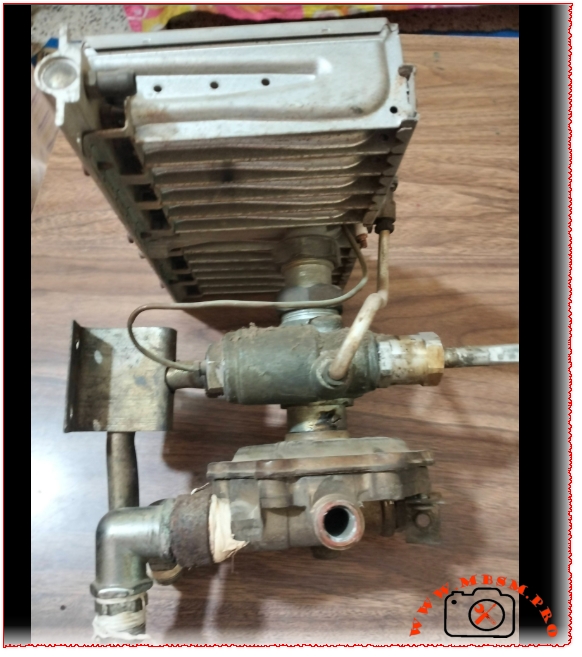
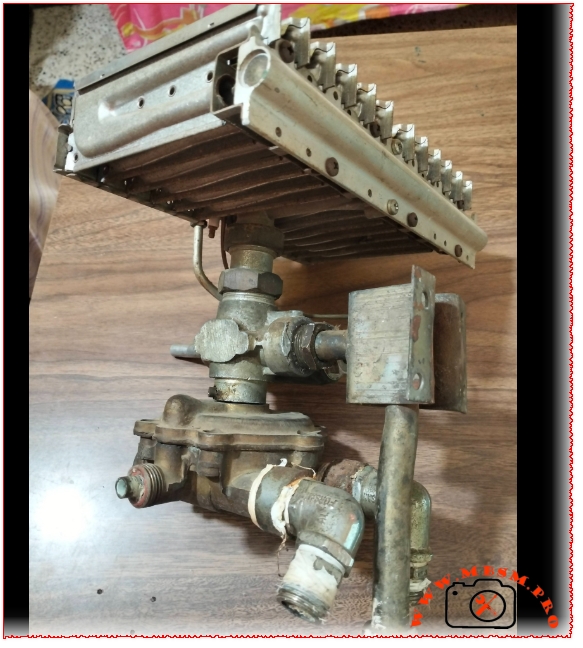
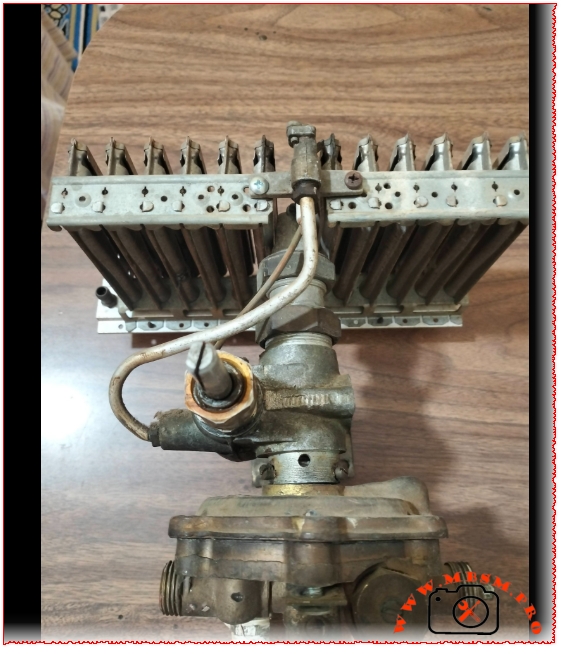
This heavy brass assembly is the pure mechanical heart of a vintage Junkers instant gas water heater. No circuit boards, no sensors, no batteries—just raw hydro-mechanical engineering designed to last for decades.
How the Core Works
- The Water Block (Bottom): When you open a hot water tap, cold water rushes into this brass chamber, pushing an internal rubber diaphragm (membrane) upward. This membrane drives a solid metal rod straight up into the gas section.
- The Gas Block (Middle): The rising rod mechanically forces the gas valve open. For safety, a copper thermocouple reads the heat from the pilot light; if the flame goes out, a magnetic valve instantly snaps shut to block the gas.
- The Burner (Top): Gas shoots through precise brass jets (gicleurs) into the metal slotted plates, igniting a clean blue flame blanket to instantly heat the water pipes above.
Quick Troubleshooting
- Water runs, but no fire? The rubber membrane inside the water block is likely stretched, stiff, or torn. Pop the brass chamber open and replace the rubber.
- Stiff control knob? The factory silicone grease on the selector shaft has dried up or calcified. Clean the spindle and apply fresh heat-resistant silicone grease.
- Yellow, dirty flames? Dust or gas impurities are clogging the jets. Clean them out with a fine nozzle needle or compressed air to stop soot from choking the heat exchanger.