Refrigeration
Electrostatic Paint Sprayer: Precision Coating for Modern Workshops


Electrostatic Paint Sprayer: Precision Coating for Modern Workshops
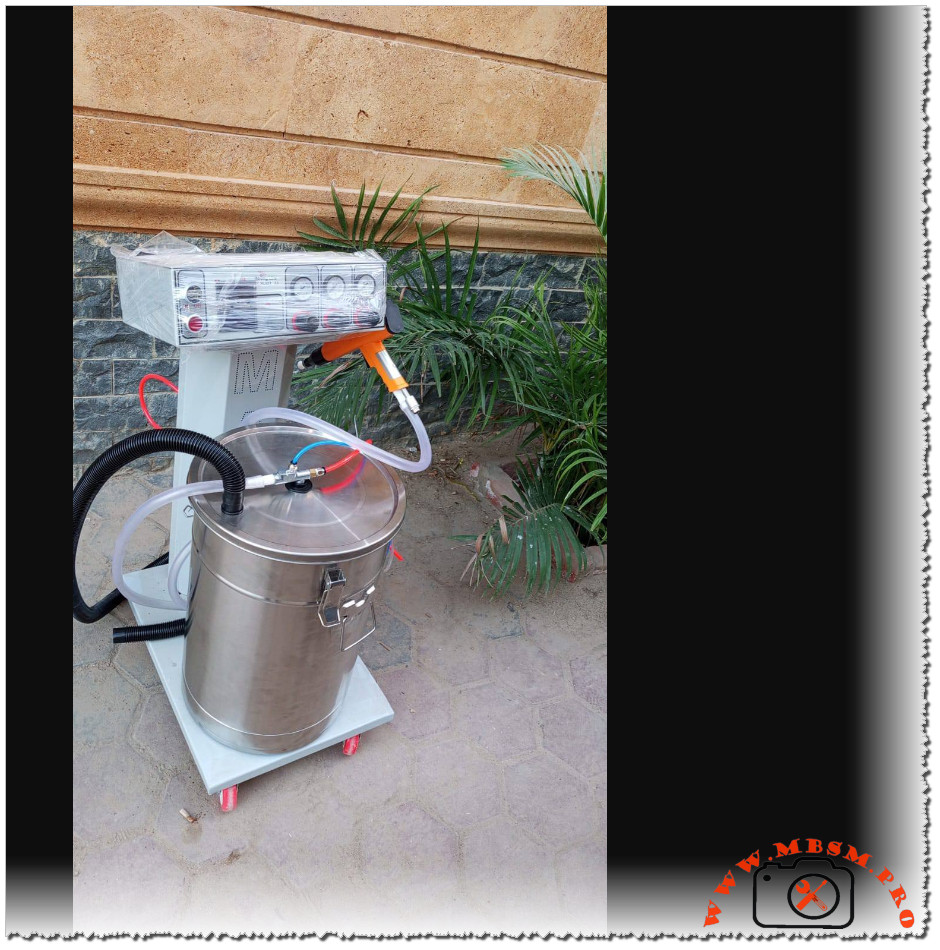
In many metalworking, HVAC and automotive workshops, an electrostatic paint sprayer has quietly become the secret weapon for achieving premium finishes with less paint and less mess. This compact system, often mounted on a mobile trolley with an integrated paint tank and control cabinet, charges each droplet of paint so it is strongly attracted to grounded metal parts. The result is a smooth, uniform coat that wraps around complex shapes while cutting material waste and spray‑booth pollution.
How an electrostatic sprayer works
At the heart of the system is a high‑voltage power supply that charges the paint as it leaves the spray gun nozzle. Charged particles repel each other, creating a fine, even mist that spreads uniformly across the target surface. When the workpiece is correctly grounded, those same particles are pulled in like iron filings to a magnet, covering corners, tubes and hidden edges that are often missed with conventional guns.
A typical workshop installation includes:
- A stainless‑steel paint tank with secure lid and fittings for circulation and flushing.
- A control column housing electrical and pneumatic controls, often shielded under a clear cover for safety.
- Flexible hoses supplying paint and air to the gun, plus return lines for cleaning and color change.
- A wheeled base, allowing the whole unit to move between production lines, vehicles or HVAC modules on site.
Key advantages for professional finishers
The biggest reason technicians move to electrostatic spraying is transfer efficiency. Because so much of the paint lands on the part instead of drifting away as overspray, manufacturers report efficiencies up to around 90%, compared with much lower figures for traditional air spray or HVLP equipment. That efficiency translates directly into cost savings on coatings, thinner layers of hazardous waste, and shorter booth cleaning cycles after each job.
Beyond savings, electrostatic systems deliver a noticeably better finish. The wrap‑around effect and consistent atomization create a smooth, uniform film even on complex geometries like compressor bodies, fan housings and tubular frames. This often means fewer passes, reduced risk of runs and sags, and less rework on high‑value components. For businesses like Mbsmgroup that work across HVAC, refrigeration and light industrial applications, that combination of quality and efficiency can be a significant competitive advantage.
Typical applications in metal, HVAC and automotive work
Electrostatic liquid systems are widely used wherever metal parts need durable, professional coatings. In HVAC and refrigeration workshops they are ideal for repainting cabinets, condensers, brackets and custom fabricated parts after repair or modification. In automotive environments, they are used on frames, panels, wheels and accessories where consistent film build is critical. They also appear in general manufacturing, coating everything from furniture frames to machinery guards.
Because the technology works with both solvent‑based and water‑based paints when the right gun and isolation strategy are used, one machine can often serve several product lines. Compact, mobile units – like the one pictured – make it possible for small and medium firms to benefit from the same technology used by large paint shops, without investing in a full robotic or conveyorized system.
Safety, maintenance and best practice
Electrostatic equipment concentrates energy and chemicals in one place, so good practice is essential. All workpieces and hangers must be well grounded for the charge to work and to avoid dangerous sparking; operators should regularly clean hooks, clamps and racks so insulation from dried paint does not build up. Personal protective equipment – mask or respirator, gloves and coveralls – remains mandatory because the process still uses fine aerosols and potentially volatile solvents.
Routine maintenance tasks include flushing paint hoses and the stainless‑steel tank between colors, checking filters, and inspecting the high‑voltage cable and gun body for damage. A simple maintenance log helps track nozzle changes, pump service and safety checks, improving uptime and extending the life of the system in demanding workshop conditions.
Technical overview table