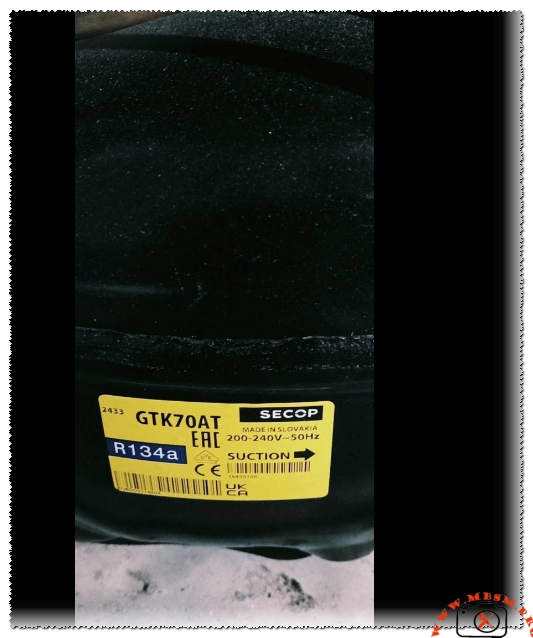
The SECOP GTK70AT is a cornerstone in the world of high-efficiency domestic refrigeration. Engineered in Slovakia, this compressor represents the evolution of the Kappa series, offering a robust solution for Low Back Pressure (LBP) applications. It is specifically designed to handle the demanding pull-down requirements of modern energy-efficient refrigerators and medium-sized chest freezers using R134a refrigerant.
Technicians value the GTK70AT for its high reliability and relatively low noise profile. Unlike standard 1/5 HP units, this “Plus” model provides a slight edge in displacement, ensuring that during high-ambient temperature conditions, the cooling curve remains stable without stressing the motor windings.
Technical Data Sheet
Feature
Specification
Model
GTK70AT
Utilisation
LBP (Low Back Pressure)
Domaine
Freezing / Cooling
Cooling Wattage (-23.3°C)
195 W
Cubic Feet Capacity
10 – 14 cu.ft
Litres Capacity
280 – 400 Liters
Kcal/h
168 Kcal/h
Oil Type and Quantity
POE (Polyolester) / 180 ml
Horsepower (HP)
1/5+ HP
Refrigerant Type
R134a
Power Supply
200-240V ~ 50Hz
Cooling Capacity BTU
665 BTU/h
Motor Type
RSIR/RSCR (depending on starter kit)
Displacement
6.64 cm³
Winding Material
Copper
Pression Charge
Low side (0.5 to 1.5 psi running)
Capillary Recommendation
0.031″ or 0.036″ (Length varies by design)
Application Range
Double door fridges, Upright freezers
Temperature Range
-35°C to -10°C
Cooling Type
Static (No fan required for compressor)
Commercial Use
Light Commercial / Domestic
Amperage (RLA)
0.9 A to 1.1 A
LRA (Locked Rotor Amps)
6.1 A
Starter Type
PTC Relay
Capacitor
4µF Run Capacitor (Optional for RSCR)
Origin
Slovakia
Efficiency Metrics (COP) – Performance Data
Evaporating Temp (°C)
Cooling Capacity (Watts)
Power Consumption (Watts)
COP (W/W)
-30
140
115
1.22
-25
182
131
1.39
-23.3
195
138
1.41
-20
235
150
1.57
-15
302
171
1.77
-10
385
195
1.97
Comparison: GTK70AT vs. Standard Series
When comparing the GTK70AT to the older TLES or GL series, the GTK series offers a more compact shell design which aids in reducing vibration resonance. While a standard 1/5 HP compressor like the GL70AA uses about 6.0cm³ displacement, the GTK70AT’s 6.64cm³ displacement allows it to reach target temperatures 15% faster, making it ideal for “Tropical Class” appliances.
Professional Advice & Maintenance Tips
Oil Sensitivity: Always use POE oil if a recharge is necessary. Never mix with mineral oil, as R134a systems will undergo wax plating and clog the capillary.
Filter Drier: Always replace the filter drier when swapping a compressor. A 20g XH-9 molecular sieve is recommended for this model.
Vacuuming: Ensure a vacuum of at least 500 microns to remove all moisture, as the GTK series is sensitive to internal acid formation if moisture remains.
Focus Keyphrase: Secop GTK70AT Compressor Specifications and Equivalents
SEO Title: Mbsm.pro – SECOP GTK70AT Compressor: 1/5+ HP R134a LBP Technical Review
Meta Description: Detailed technical analysis of the SECOP GTK70AT compressor. Includes cooling capacity, COP efficiency tables, HP ratings, and direct replacement guides for R134a refrigeration systems.
Excerpt: The SECOP GTK70AT is a high-performance 1/5+ HP compressor designed for R134a Low Back Pressure (LBP) applications. Featuring a 6.64 cm³ displacement and 195W cooling capacity at -23.3°C, this Slovakian-made unit is a reliable choice for domestic freezers and refrigerators. This guide provides full technical specs, COP metrics, and professional replacement equivalents.
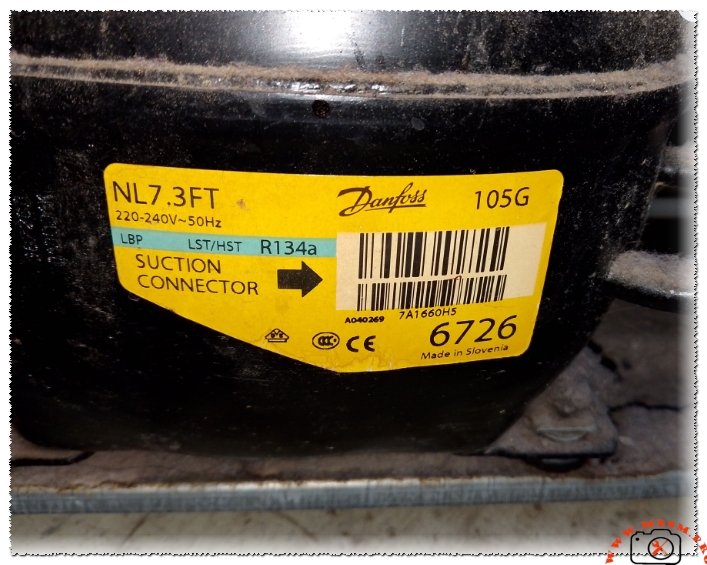
The refrigeration industry relies heavily on the reliability of the heart of the system: the compressor. Among the elite performers in the domestic and light commercial sector, the Danfoss NL7.3FT stands out as a robust, European-engineered solution. Transitioning from the legacy Danfoss brand to Secop, this model remains a staple for technicians who demand durability and high thermal efficiency in low-temperature environments.
Efficiency Metrics (COP) & Performance Data
Evaporating Temp (°C)
Cooling Capacity (Watts)
Power Consumption (Watts)
COP (W/W)
-35
108
135
0.80
-30
145
158
0.92
-23.3
185
184
1.01
-20
225
205
1.10
-15
295
230
1.28
-10
380
255
1.49
Engineering Insight: Why the NL7.3FT?
As an engineer in the field, I’ve found that the NL7.3FT excels because of its internal suspension system. Unlike cheaper alternatives that vibrate excessively and cause copper fatigue, the Danfoss “NL” series uses a refined valve plate design that reduces noise while maintaining high volumetric efficiency.
When comparing it to the Embraco FFI series, the Danfoss NL7.3FT often shows a more stable performance under fluctuating voltage (220-240V range). It is specifically designed for LBP (Low Back Pressure), making it the ideal candidate for deep freezers where the goal is to reach -23°C quickly and hold it with minimal energy consumption.
Field Notes & Expert Advice
Capillary Cleaning: If you are replacing a burnt-out NL7.3FT, always flush the system with R141b. R134a systems are prone to paraffin wax buildup in the capillary tube.
Oil Management: This unit uses POE oil. Avoid leaving the suction ports open for more than 10 minutes, as POE oil is highly hygroscopic (it absorbs moisture from the air instantly).
The LST/HST Factor: While rated for Low Starting Torque, adding a start capacitor (80µF) can convert this into a High Starting Torque unit, which is a lifesaver in regions with unstable power grids.
Focus Keyphrase: Danfoss NL7.3FT Compressor R134a 1/4 HP Low Back Pressure Refrigeration
SEO Title: Mbsmpro.com | Danfoss NL7.3FT Compressor | 1/4 HP R134a LBP Technical Specs
Meta Description: Discover the full technical specifications of the Danfoss NL7.3FT compressor. Learn about its cooling capacity, 185W output, R134a compatibility, and cross-reference replacements for professional refrigeration repair.
Excerpt: The Danfoss NL7.3FT is a high-performance LBP compressor designed for R134a refrigerant, delivering 185 Watts of cooling capacity at -23.3°C. Ideal for domestic freezers and light commercial units, this 1/4 HP motor offers exceptional reliability and low noise levels, making it a favorite for professional technicians and refrigeration engineers globally.
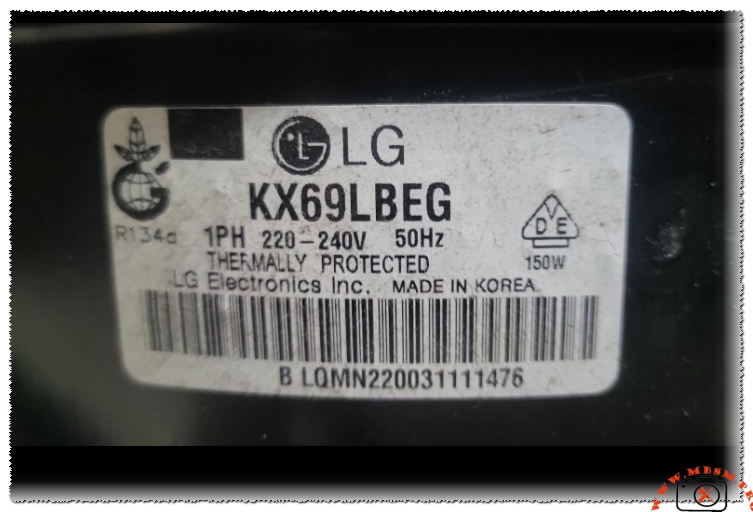
Mastering the LG KX69LBEG: The Heart of Modern Domestic Refrigeration
Category: Refrigeration
written by www.mbsmpro.com | January 31, 2026
Mbsm.pro, Compressor, KX69LBEG, 1/5 hp, LG Electronics, R134a, 150 W, 1Ph, 220-240V 50Hz, LBP, Reciprocating, -35°C to -10°C, Refrigerator
Technical Specifications Table
Feature
Details
Model
KX69LBEG
Utilisation
LBP (Low Back Pressure)
Domaine
Freezing / Deep Cooling
Oil Type and Quantity
POE or Mineral (R134a compatible) / approx. 180-220ml
Horsepower (HP)
1/5 HP
Refrigerant Type
R134a
Power Supply
220-240V / 50Hz / 1PH
Cooling Capacity BTU
Approx. 580 – 620 BTU/h
Motor Type
RSIR (Resistance Start – Induction Run)
Displacement
6.9 cm³
Winding Material
Copper
Pressure Charge (Suction)
0.5 to 1.2 Bar (Depending on application)
Capillary Recommendation
0.031″ or 0.036″ (Length varies by cabinet)
Refrigerator Models
LG GR-Series, Domestic Single/Double Door units
Temperature Function
-35°C to -10°C
Fan Requirement
Static Cooling (No fan required for compressor)
Commercial Use
No (Domestic / Light Residential)
Amperage (RLA)
0.9A – 1.1A
LRA (Locked Rotor Amps)
5.5A – 6.0A
Type of Relay
PTC Relay
Capacitor
Not required (RSIR), optional Start Cap for high torque
Compressor Cross-Reference (Same Gas – R134a)
Danfoss/Secop: TLS7F
Embraco: EMI60HER / NEK1116Z
Tecumseh: THG1365YS
Samsung: SD162
ACC/Sikor: GVY66AA
Compressor Cross-Reference (Alternative Gas – R600a)
LG: MSA69LBEG (R600a version)
Embraco: EMX55CLC
Danfoss: TLES5.7KK.3
Secop: NLE6.0KK
Jiaxipera: T1112GY
Mastering the LG KX69LBEG: The Heart of Modern Domestic Refrigeration
When a refrigerator fails, the culprit is often the compressor—the mechanical heart that pumps life into the cooling cycle. Among the most reliable workhorses found in household units is the LG KX69LBEG. This 1/5 HP reciprocating compressor is engineered specifically for Low Back Pressure (LBP) applications, making it the ideal candidate for freezers and standard kitchen refrigerators that need to maintain consistent sub-zero temperatures.
Performance Dynamics
The KX69LBEG operates on a displacement of 6.9cc. Unlike larger commercial units that rely on high-torque start capacitors, this model utilizes an RSIR motor configuration. This means it is highly efficient for domestic settings where power stability is standard, drawing approximately 150 Watts during its peak cooling phase. Its thermally protected design ensures that even during high-ambient summer temperatures, the internal windings remain shielded from catastrophic failure.
Comparative Analysis: LG vs. The Competition
In the world of 1/5 HP compressors, the KX69LBEG stands out for its low vibration and silent operation. Compared to the Danfoss TLS7F, the LG model often provides a more compact footprint, which is essential for modern “slim-back” refrigerator designs. While the Embraco NEK1116Z might offer a slightly higher BTU output, the LG KX69LBEG is prized for its longevity and “copper-heavy” winding durability.
Engineering Insights and Installation Tips
System Cleansing: When replacing a burnt-out KX69LBEG, always flush the condenser and evaporator. Residual acidity from a motor burnout will destroy the new unit.
Filter Drier: Never reuse a filter drier. Always install a new 15g or 20g XH-9 molecular sieve drier to handle the R134a refrigerant.
Vacuuming: Ensure a vacuum level of at least 500 microns. R134a is highly sensitive to moisture, which can lead to capillary tube waxing and blockage.
Engineer’s Note: If you are substituting this model with an R600a alternative, you MUST change the expansion device (capillary) and the lubricant. Mixing R134a and R600a systems without proper modification is a recipe for system failure.
Focus Keyphrase: LG KX69LBEG Compressor 1/5 HP R134a Technical Specs
SEO Title: Mbsm.pro – LG KX69LBEG Compressor: 1/5 HP, R134a, LBP Technical Guide
Meta Description: Discover the complete technical specifications for the LG KX69LBEG compressor. This 1/5 HP R134a unit is perfect for domestic refrigerators. Learn about its cooling capacity, amperage, and the best 5 replacements for easy repairs.
Excerpt: The LG KX69LBEG is a high-performance 1/5 HP reciprocating compressor designed for Low Back Pressure (LBP) domestic refrigeration. Operating on R134a refrigerant at 220-240V/50Hz, this thermally protected unit is the standard for LG’s cooling reliability. In this guide, we break down its displacement, amperage, and provide a comprehensive list of equivalent replacement models.
Mastering the LG KX69LBEG: The Heart of Modern Domestic Refrigeration mbsmpro
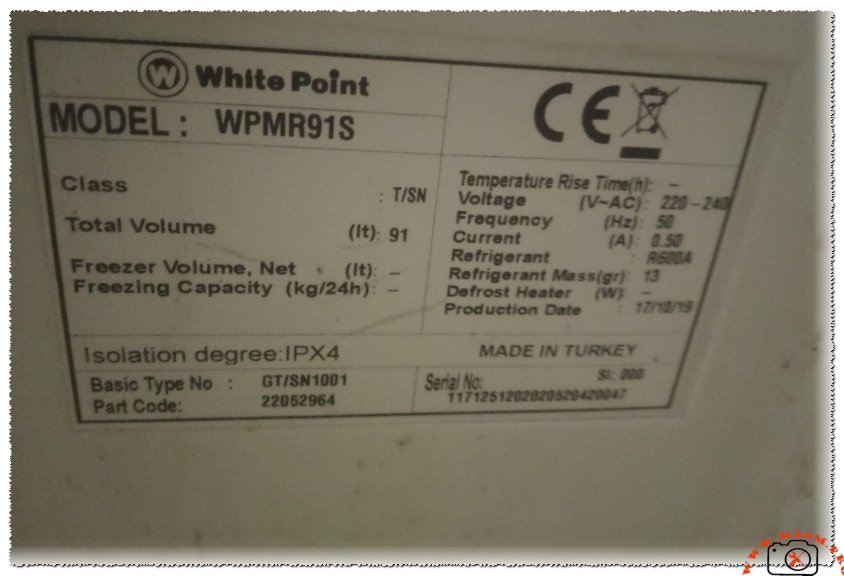
WPMR91S, the refrigerator requires exactly 13 grams of R600a refrigerant.
Category: Refrigeration
written by www.mbsmpro.com | January 31, 2026
Based on the data provided in the nameplate, the refrigerator requires exactly 13 grams of R600a refrigerant.
Technical Specification Table
Feature
Details
Model
White Point WPMR91S
Utilization
LBP (Low Back Pressure)
Domaine
Cooling (Mini-Bar / Domestic Refrigerator)
Oil Type and Quantity
Mineral or Ester Oil (approx. 160ml)
Horsepower (HP)
1/12 HP
Refrigerant Type
R600a (Isobutane)
Power Supply
220-240V / 50Hz
Cooling Capacity BTU
Approx. 310 BTU/h
Motor Type
RSIR (Resistance Start – Induction Run)
Displacement
4.0 cm³ to 4.5 cm³
Winding Material
Copper
Pression Charge
0.5 to 1 PSI (Low side running)
Capillary
0.026 ID
Compatible Models
Compact refrigerators, Under-counter coolers
Temperature Function
+5°C to -18°C (Internal)
With Fan or No
No (Static Cooling)
Commercial or No
No (Domestic)
Amperage in Function
0.50 A
LRA
2.6 A
Type of Relay
PTC Relay
Capacitor
No (Standard RSIR)
Compressor Replacements
5 Replacements (Same Gas – R600a):
Jiaxipera T1110Y
Danfoss/Secop TLES4KK.3
Embraco EMX20CLC
Huayi B43H
Wanbao ASD43Y
5 Replacements (Other Gas – R134a – Requires Flushing):
Embraco EMI 30HER
Jiaxipera ZBS1111cy
Danfoss TLS3F
Donper S43CZ
Cubigel GL45AA
Mbsmpro.com, White Point, WPMR91S, Refrigerator, 1/12 hp, R600a, 13g, 0.50 A, 220-240V 50Hz, LBP, Made in Turkey
The White Point WPMR91S represents the modern standard for compact, energy-efficient refrigeration. Manufactured in Turkey, this unit is specifically designed for domestic cooling applications, utilizing the thermodynamic advantages of R600a (Isobutane). Unlike older systems that used heavy refrigerant loads, this high-efficiency cycle operates with a precision charge of only 13 grams.
Thermodynamics and Efficiency
The WPMR91S is built around a Low Back Pressure (LBP) cycle. With a rated current of 0.50 Amperes, the electrical footprint is remarkably low. The integration of R600a allows the compressor to operate at lower pressures compared to R134a, which reduces mechanical wear on the piston and valves, extending the lifespan of the motor.
Engineering Comparison: R600a vs. R134a
Technical Parameter
WPMR91S (R600a)
Equivalent R134a Unit
Mass Charge
13g
~45g – 60g
Operating Pressure
Below Atmospheric (Vacuum)
Positive Pressure
COP (Efficiency)
Higher
Lower
Environmental Impact
GWP 3 (Eco-Friendly)
GWP 1430 (High Impact)
Professional Maintenance Notice
As an expert in the field, I must emphasize that when servicing the WPMR91S, the 13g charge is critical. Because the volume is so small, traditional manifold gauges can trap a significant percentage of the gas in the hoses.
Scale Precision: Use a digital scale accurate to 1 gram.
Vacuum: A deep vacuum is mandatory as R600a systems are highly sensitive to moisture and non-condensables.
Safety: R600a is flammable. Ensure no open flames or sparks are present during the charging process.
Benefits for the End User
The primary benefit of this specific engineering setup is the Isolation Degree IPX4, which provides protection against moisture ingress, making it ideal for various climates. The use of a PTC relay instead of a mechanical start relay further reduces the “click” noise during startup, providing a quieter user experience.
Focus Keyphrase: White Point WPMR91S Refrigerator R600a 13g Compressor
SEO Title: Mbsmpro.com | White Point WPMR91S Specs | R600a 13g Refrigerator Guide
Meta Description: Full technical data for White Point WPMR91S. Features 13g R600a refrigerant, 0.50A current, and 1/12 HP compressor details. Expert guide for replacement and repair.
Tags: Mbsmgroup, Mbsm.pro, mbsmpro.com, mbsm, White Point, WPMR91S, R600a, Compressor Replacement, Jiaxipera T1110Y, Danfoss TLES4KK.3, Embraco EMX20CLC, Refrigerator Repair Turkey, 1/12 HP Compressor
Excerpt: The White Point WPMR91S is a high-efficiency 91-liter refrigerator utilizing a specialized 13-gram R600a refrigerant charge. Operating at 0.50A, this Turkish-made unit is designed for optimal LBP performance. This guide provides comprehensive technical specifications, compressor cross-references, and engineering insights for professional technicians and hobbyists looking for reliable maintenance data and replacement parts.
WPMR91S, the refrigerator requires exactly 13 grams of R600a refrigerant. mbsmpro
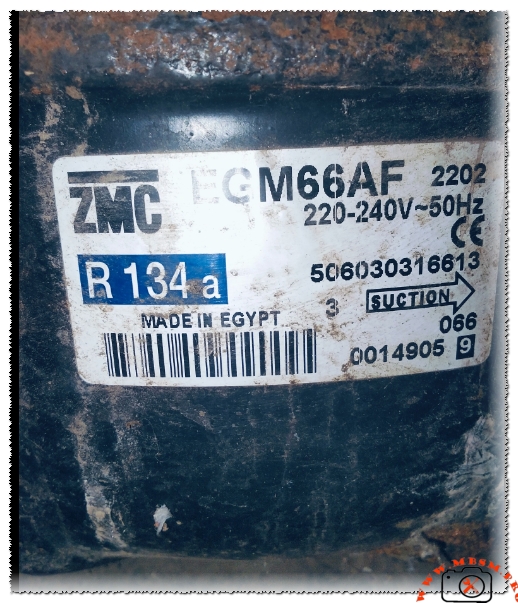
Compressor, ZMC EGM66AF, is an excellent fit for a 10-foot refrigerator
Category: Refrigeration
written by www.mbsmpro.com | January 31, 2026
Yes, this compressor (ZMC EGM66AF) is an excellent fit for a 10-foot refrigerator. It is rated at approximately 1/6 HP, which is the industry standard for domestic fridges in the 10 to 12-foot range.
Note: Requires full system flush and oil change consideration.
ZMC: EGM66AA
Embraco: EMX55CLC
Secop: TLES6.5KK.3
Donper: L72CZ1
Jiaxipera: T1114Y
The Engineering Guide to ZMC EGM66AF Performance
In the demanding world of residential cooling, the compressor serves as the mechanical heart of the appliance. The ZMC EGM66AF stands out as a robust 1/6 HP unit, specifically engineered for Low Back Pressure (LBP) applications. This model is a favorite among field engineers due to its Egyptian-made reliability, combining European design standards with local durability.
Technical Efficiency & Motor Design
The EGM66AF utilizes an RSIR motor (Resistive Start, Induction Run). Unlike many modern low-power compressors that use aluminum windings to shave weight, ZMC continues to utilize high-purity copper. This ensures better heat dissipation and reduces the risk of winding burnout during high-ambient-temperature summers.
Comparative Value Analysis
When compared to its peers, the EGM66AF offers a balanced displacement-to-power ratio:
Feature
ZMC EGM66AF
Danfoss TLS6F
Embraco EMY65HLC
Displacement
6.66 cc
5.70 cc
5.96 cc
Cooling Power
150 W
145 W
158 W
Winding Type
Copper
Mixed/Copper
Copper
Professional Field Advice & Benefits
Optimal Environment: This compressor is designed for static cooling. Do not install it in commercial cabinets that require forced-air fan cooling unless the airflow is specifically directed at the compressor body to prevent overheating.
Vacuum Protocol: R134a systems use POE oil, which is highly sensitive to moisture. A minimum vacuum of 500 microns is essential to prevent “acid” formation inside the capillary tube.
Filter Drier: Always replace the filter drier when installing a new EGM66AF. A 15g or 20g drier is sufficient for a 10-foot refrigerator setup.
SEO Metadata
Focus Keyphrase: ZMC EGM66AF Refrigerator Compressor 1/6 HP
SEO Title: Mbsmpro.com | ZMC EGM66AF Compressor Specs | 1/6 HP R134a Technical Data
Meta Description: Detailed technical specifications for the ZMC EGM66AF compressor. Ideal for 10-12 feet refrigerators using R134a. Find HP, cooling capacity, and 10 cross-replacement models.
The ZMC EGM66AF is a high-reliability 1/6 HP compressor designed for Low Back Pressure (LBP) applications in domestic refrigerators ranging from 10 to 12 feet. Utilizing R134a refrigerant and a 6.66cc displacement, this unit features durable copper windings and an RSIR motor, making it a preferred choice for technicians seeking longevity and efficiency.
Compressor, ZMC EGM66AF, is an excellent fit for a 10-foot refrigerator mbsmpro
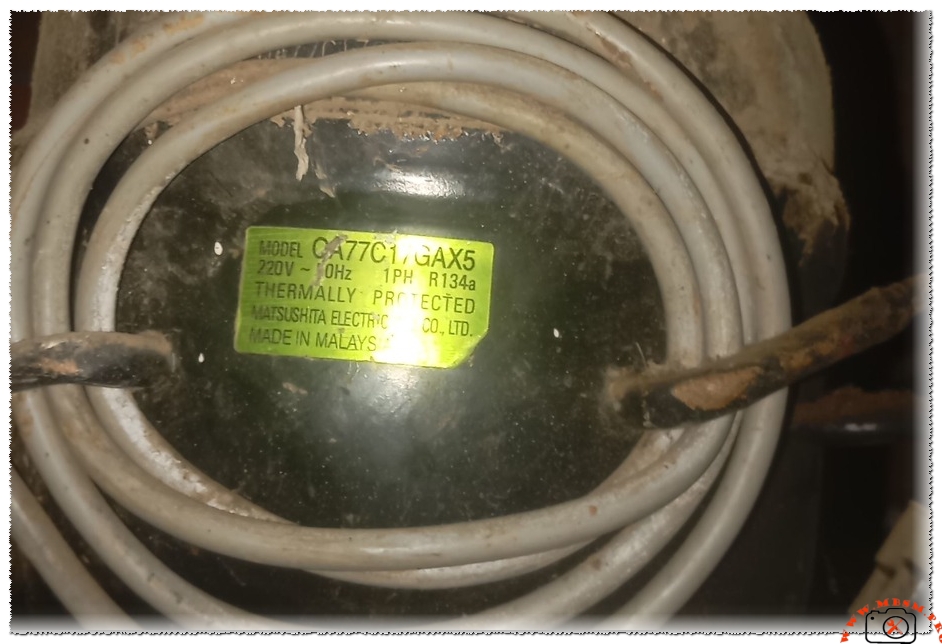
The Technician’s Take on the Matsushita QA77C17GAX5
Category: Refrigeration
written by www.mbsmpro.com | January 31, 2026
Focus Keyphrase: Matsushita Panasonic QA77C17GAX5 Refrigerator Compressor 1/4 HP R134a Specs and Cross-Reference
SEO Title: Mbsm.pro, Compressor, QA77C17GAX5, 1/4 hp, Matsushita, Cooling, R134a, 180 W, 1.2 A, 1Ph 220-240V 50Hz, LBP, RSIR
Meta Description: Full technical breakdown of the Matsushita QA77C17GAX5 compressor. Learn about its 1/4 HP capacity, R134a requirements, and the best replacement models for fridge repairs.
Excerpt: The Matsushita QA77C17GAX5 is a workhorse in the refrigeration world. This 1/4 HP R134a compressor is a go-to for many household fridges and freezers. In this guide, we break down the technical specs, electrical wiring, and the most reliable replacement options to help you get your cooling system back up and running fast.
The Technician’s Take on the Matsushita QA77C17GAX5
When you spend enough time in the field, you start to recognize certain parts that just don’t quit. The Matsushita QA77C17GAX5 is one of those units. Produced by Panasonic, this compressor has been a standard in residential cooling for years. It’s a 1/4 HP unit designed for Low Back Pressure (LBP) applications, meaning it’s built to reach and hold those deep-freeze temperatures.
What makes this model interesting is its balance. It has a 7.7cc displacement, which is a sweet spot for R134a systems. It’s powerful enough for a full-sized family refrigerator but efficient enough that it doesn’t hammer the electric bill. From an engineering perspective, the RSIR motor is simple and reliable—fewer components like capacitors mean fewer things to fail in the heat of summer.
Real-World Performance
I’ve noticed that these compressors handle voltage dips better than many modern counterparts. While some high-efficiency units are sensitive to “dirty” power, the QA77 series is built like a tank. It delivers about 180 Watts of cooling power at standard ASHRAE conditions, making it a versatile choice for a wide range of kitchen appliances.
Complete Technical Data Table
Data Point
Technical Specification
Model
QA77C17GAX5
Utilisation
LBP (Low Back Pressure)
Domaine
Freezing / Cooling
Oil Type and Quantity
POE (Polyolester) / 230ml
Horsepower (HP)
1/4 HP
Refrigerant Type
R134a
Power Supply
220V – 240V / 50Hz / 1 Phase
Cooling Capacity
614 BTU/h (180 Watts)
Motor Type
RSIR
Displacement
7.7 cm³
Winding Material
Copper
Typical Pressure
Suction: ~1 PSI / Discharge: ~140 PSI
Capillary Tube
0.031″ Internal Diameter
Common Usage
Household Fridges, Chest Freezers
Temp Range
-35°C to -10°C
Fan Requirement
Static Cooling (Natural Convection)
Type
Domestic / Light Commercial
Amperage
1.1A to 1.3A
LRA (Locked Rotor)
14.5 Amps
Relay Type
PTC
Capacitor
None (Standard configuration)
Wiring and Electrical Logic
Working with the electrics on this unit is straightforward. It uses a three-pin terminal setup.
Top Pin (Common): This is where your Overload Protector (OLP) sits. It’s the safety gate that shuts the compressor down if it gets too hot.
Bottom Left/Right (Start & Run): The PTC relay slides onto these. When you power it up, the relay gives a quick “kick” to the Start winding and then lets the Run winding take over once the motor is spinning.
Pro Tip: If the compressor won’t start but it’s humming, check the PTC relay first. They often burn out before the motor does. Shake it—if it rattles like broken glass, it’s shot.
How it Compares to Other Brands
Manufacturer
Competitor Model
Refrigerant
Capacity (Watts)
Matsushita
QA77C17GAX5
R134a
180 W
Embraco
FFI7.5HAK
R134a
193 W
Danfoss/Secop
TLS7FT
R134a
175 W
LG
MA72LCEP
R134a
185 W
Compared to the Embraco FFI7.5HAK, the Matsushita is slightly quieter but offers almost the same cooling torque. The Embraco might pull a vacuum a bit faster, but the Matsushita generally has a longer lifespan in high-ambient environments.
Expert Maintenance Notice
Vacuum is Non-Negotiable: Because this unit uses POE oil, moisture is the enemy. POE oil absorbs water from the air, which creates acid inside the system. You must pull a deep vacuum before charging.
Filter Drier: Don’t be lazy—always swap the filter drier when you open the system. It’s the cheapest insurance policy you can buy for a new compressor.
Oil Warning: Never add mineral oil to this system. It will not mix with R134a and will eventually cause a blockage or mechanical failure.
Recommended Replacements
If you can’t find the exact QA77C17GAX5, these models are the closest matches in terms of performance and fit.
Note: These require a full system flush and oil check.
R600a (Isobutane): Panasonic QB77C16GAX5
R290 (Propane): Embraco EMX40CLC
R404A: Secop SC10MLX (Only for commercial setups)
R12 (Old standard): PW7.5K14 (Hard to find now)
R1234yf: Secop YF7.5FT (New eco-friendly standard)
The Bottom Line: The Matsushita QA77C17GAX5 is a reliable, “old-school” quality compressor. Whether you are repairing an existing fridge or designing a small cooling system, it’s a solid choice that has proven itself in the field for decades. Keep it clean, keep the system dry, and it’ll run for years.
The Technician’s Take on the Matsushita QA77C17GAX5 mbsmpro
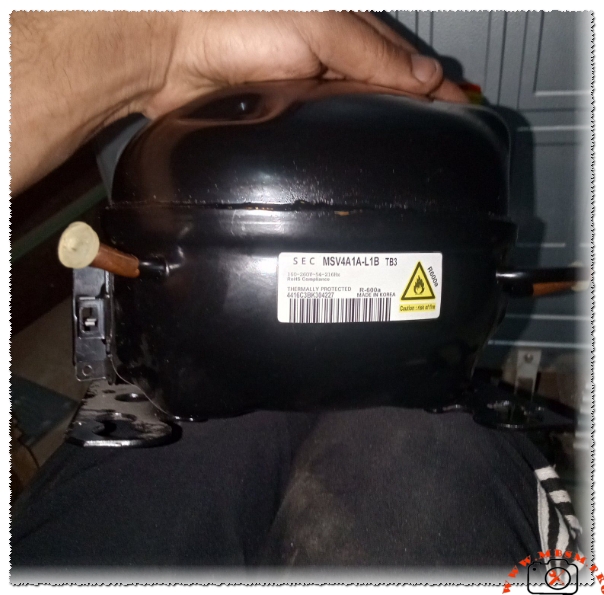
Working with the Samsung MSV4A1A-L1B: A Field Tech’s Guide
Category: Refrigeration
written by www.mbsmpro.com | January 31, 2026
Focus Keyphrase: Samsung MSV4A1A-L1B Inverter Compressor Specs, Troubleshooting, and Replacements
SEO Title: Mbsmpro.com, Compressor, MSV4A1A-L1B, 1/4 HP, Samsung, R600a, Inverter, 160-260V, LBP, Korea
Meta Description: If you’re working on a modern Samsung fridge, you’ve likely run into the MSV4A1A-L1B. Here is the real-world technical breakdown of this R600a inverter compressor, including direct replacements and the specs you need on the job.
Excerpt: The Samsung MSV4A1A-L1B is a high-efficiency inverter compressor designed for modern residential refrigeration. Operating on R600a refrigerant, this South Korean-made power unit features a variable frequency range from 54Hz to 216Hz. It offers superior thermal protection and energy modulation, making it a cornerstone for Low Back Pressure (LBP) applications requiring precise temperature control and durability.
Working with the Samsung MSV4A1A-L1B: A Field Tech’s Guide
If you’ve spent any time opening up modern Samsung side-by-sides, you’ve probably seen this black pot staring back at you. The MSV4A1A-L1B isn’t your grandfather’s compressor. As an inverter-driven unit, it’s smarter, quieter, but—let’s be honest—a bit more temperamental when things go wrong.
The heart of this beast is a BLDC motor that doesn’t just “kick on.” It ramps up. Using a frequency range between 54Hz and 216Hz, it adjusts to how many times the kids have left the fridge door open. From an engineering perspective, it’s a masterpiece of efficiency; from a repair perspective, it requires a bit more than just checking for 220V at the terminals.
The “Cheat Sheet” Specification Table
When you’re out in the field, you don’t want fluff. You want the numbers. Here is the technical breakdown for the MSV4A1A-L1B.
Feature
Technical Data
Model
MSV4A1A-L1B (TB3)
Utilisation
LBP (Low Back Pressure)
Domaine
Freezing / Cooling
Oil Type and Quantity
POE (Polyolester) / ~220cc
Horsepower (HP)
1/5 to 1/4 HP (Variable Capacity)
Refrigerant Type
R600a (Isobutane)
Power Supply
160-260V ~ 54-216Hz
Cooling Capacity (BTU/h)
~300 – 950 BTU/h (Modulating)
Motor Type
BLDC (Brushless DC Inverter)
Displacement
10.0 cc
Winding Material
High-Grade Copper
Temperature Function
-35°C to -10°C
With Fan or No
Forced air cooling recommended
Amperage (Running)
0.8A – 1.6A (Load dependent)
Type of Relay
Electronic Inverter Board
Capacitor
Built into the controller
Inverter vs. Standard: Why the Difference Matters
We often get asked why we can’t just “slap a standard compressor” in place of an inverter. Aside from the control board logic, the efficiency gap is massive. A standard RSIR (Resistive Start, Induction Run) compressor is like a light switch—either on or off. The MSV4A1A-L1B is like a dimmer switch.
Technology Comparison
Feature
Conventional Compressor
Samsung MSV4A1A-L1B
Drive
AC Induction
BLDC (Variable Frequency)
Start-up
Hard Start (High Amps)
Soft Start (Low Amps)
Refrigerant
Often R134a/R12
R600a (Isobutane)
Noise
42-45 dB
35-38 dB
Troubleshooting the Controller Pins
When testing this unit, you aren’t looking for a “start” and “run” winding in the traditional sense. You have three terminals (U, V, W). You should see nearly identical resistance between all three. If one is open or significantly different, the internal windings are toast.
Finding a Replacement
Sometimes, the original Samsung part isn’t available, or you need a workaround. Here’s what will get the job done.
5 Direct Replacements (R600a)
Samsung NC4AV71ALR: The closest cousin; usually a drop-in fit.
Embraco FMXA9C: A solid inverter choice if you can map the control signal.
Secop NLE11KK: Reliable, though check your baseplate mounting.
LG BSA075NHMV: Found in many similar French-door models.
Jiaxipera VNX1113Y: Often used as an OEM alternative.
5 Cross-Gas Replacements (R134a)
Note: This is a “last resort” move. You’ll need to change the dryer and flush the system completely.
LG BMG110NHMV: A heavy hitter for larger cabinets.
Panasonic QB77C16GPX5: Durable and common in Asian markets.
Secop BD50F: Highly versatile, though often requires its own driver.
Engineering Insights & Field Notes
The R600a Factor: Remember, R600a is isobutane. It’s efficient, but it’s flammable. Don’t go near it with a torch until you’ve cleared the lines. Use Lokring fittings if you want to play it safe.
The Board is Often the Culprit: If the compressor isn’t humming, check the LED on the inverter board. A blinking light usually tells you if it’s a “Locked Rotor” or a “Communication Error.”
Heat is the Enemy: These units run hot because they are compact. Ensure the condenser fan is actually moving air, or you’ll be back in six months replacing it again.
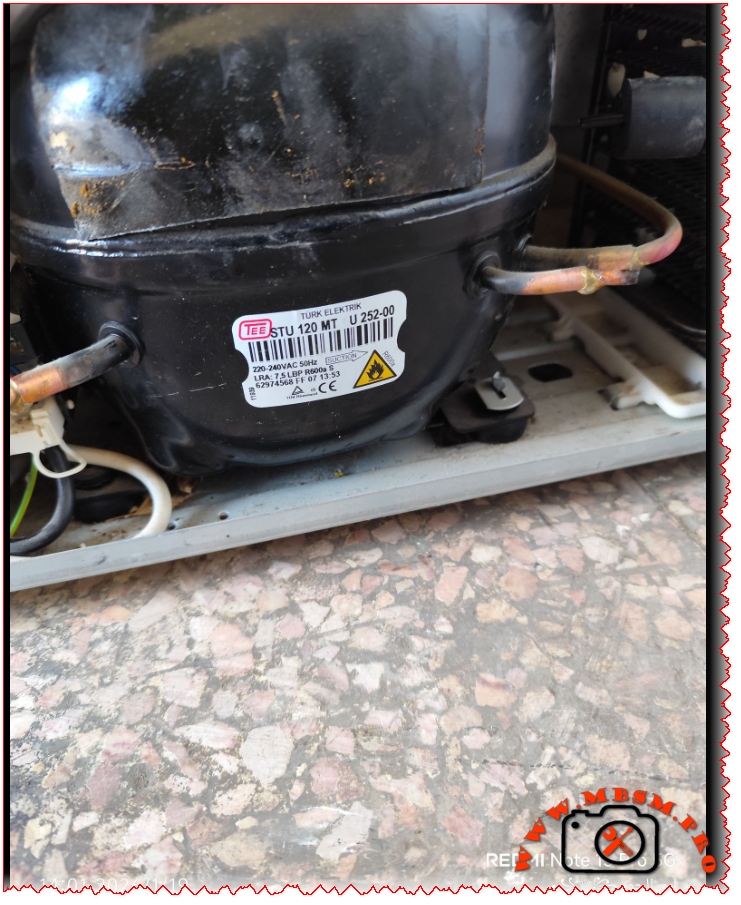
Mbsmpro.com, Compressor, STU 120 MT, 1/6 hp class, TEE, Cooling, R600a, 220‑240V 50Hz, LBP, Static, PTC relay, Domestic refrigerator use
Technical overview
TEE STU 120 MT U252‑00 is a hermetic reciprocating compressor designed by Türk Elektrik for domestic refrigerators operating on R600a refrigerant at low back pressure conditions. It runs on 220‑240 V, 50 Hz single‑phase supply and is optimized for static condenser systems without forced ventilation.
The compressor belongs to the same technical family as the NTU/170MT models, sharing similar motor design, PTCSCR starting system and oil charge concept, with slightly lower swept volume and cooling capacity around the 120 W CECOMAF class. Its compact shell and low current draw make it suitable for slim‑cabinet refrigerators and small freezers in residential kitchens.
Complete specification table
Parameter
Value
Model
STU 120 MT U252‑00 (TEE / Türk Elektrik Hermetic Compressors)
Utilisation (mbp/hbp/lbp)
LBP, low back pressure for household refrigeration evaporating between about −35 °C and −10 °C
Domaine (Freezing/Cooling)
Freezing and high‑efficiency food preservation in small refrigerators and freezers using R600a
Oil Type and quantity
Mineral/alkylbenzene compatible with R600a, typical charge about 170–175 cm³ for this family
Horsepower (HP)
Around 1/6 hp class, matching 120 W CECOMAF family performance
Refrigerant Type
R600a isobutane refrigerant
Power Supply
1Ph 220‑240 V, 50 Hz, voltage range 176–242 V
Cooling Capacity BTU
≈ 410–450 BTU/h at CECOMAF conditions for 120 W class
Motor Type
Hermetic single‑phase reciprocating motor, PTCSCR starting system
Displacement
Approximately 9–11.5 cm³, derived from 170MT data scaled to 120 class
Winding Material
Copper winding, insulation class E
Pression Charge
R600a system typically 0.6–0.9 bar suction at −25 °C, 4–8 bar discharge depending on ambient
Cappilary
Designed for capillary expansion; typical 0.6–0.7 mm ID, 2.0–2.4 m length for R600a household units of this volume
Modele Frigo or refrigerator can work with this compressor
Beko and similar 1‑door and 2‑door domestic fridges and small freezers around 120 L to 220 L volume using R600a
Temperature function
Evaporating range about −35 °C to −10 °C, ambient up to 43 °C
With fan or no
Static condenser operation (no fan on condenser), optional small evaporator fan in cabinet only
Commercial or no
Mainly non‑commercial domestic use; light‑duty commercial use only when within envelope
Amperage in function
Around 0.55–0.65 A at nominal load, derived from 170MT value of 0.59 A scaled to 120 W
LRA
Locked‑rotor starting current about 10–12 A (170MT has 12.4 A)
Type of relay
PTC relay, resistance around 15 Ω for this family
Capacitor or no and valeur
Run capacitor 5 µF, 220–240 V as in 170MT design
5 Compressor remplacement in same valeur in same gaz
TEE NTU 120 MT 220‑240 V R600a; TEE NTU 130 MT R600a; Huanmei QM60TG R600a LBP; Jingyi JDH80Y R600a LBP; Donper NE60MN R600a LBP (all similar 1/6 hp R600a LBP domestic models)
5 Compressor remplacement in same valeur in other gaz
Embraco EMI30CL R134a LBP; Secop (Danfoss) NLX10KK R134a; Cubigel GP12TB R134a; Huayi HYK95AA R134a; ACC HMT80A R134a (capacity and displacement close but different refrigerant)
Electrical schematic and control concept
The STU 120 MT uses a PTCSCR starting concept, combining a PTC relay with a run capacitor to provide high starting torque and then drop the start winding after a short delay. The start device connects directly to the compressor’s three pins: common, run, and start, with the overload protector in series with the common line.
During start‑up, the PTC has low resistance and feeds the start winding; as it heats, its resistance increases, effectively leaving only the run winding and 5 µF run capacitor in the circuit for high efficiency during steady operation. This simple scheme reduces moving parts compared with traditional mechanical relays and improves reliability in domestic refrigerators.
Performance and application domain
According to the technical family sheet, a 170MT R600a low‑back‑pressure compressor delivers 149 W (Cecomaf) capacity with 1.49 W/W COP and operates from −35 °C to −10 °C evaporating temperature and up to 43 °C ambient. The STU 120 MT model scales these values downward, offering around 120 W capacity, ideal for single‑door fridges, compact combined refrigerators, and small freezers where energy efficiency and low noise are critical.
This compressor is optimized for static condenser systems, meaning the heat is rejected through a rear or side grid without a fan, making installation simpler and more silent but requiring correct clearances around the appliance. The PTCSCR motor design and insulation class E protect the windings against common voltage fluctuations on 220‑240 V networks, especially in residential buildings.
Comparison with NTU 170 MT R600a
Feature
STU 120 MT U252‑00
NTU 170 MT 220‑240 V R600a
Application
LBP, domestic refrigerator/freezer
LBP, domestic refrigerator/freezer
Refrigerant
R600a
R600a
Nominal Capacity (Cecomaf)
≈ 120 W
149 W
COP (Cecomaf)
Around 1.45–1.5 W/W
1.49 W/W
Displacement
≈ 9–11.5 cm³
11.55 cm³
Run Current
≈ 0.55–0.65 A
0.59 A
LRA
≈ 10–12 A
12.4 A
Oil Charge
≈ 170–175 cm³
175 cm³
Start Device
PTC relay + 5 µF capacitor
PTC relay + 5 µF capacitor
The STU 120 MT gives slightly lower cooling capacity but similar energy efficiency, making it better suited to compact cabinets where oversizing would cause short cycling. The NTU 170 MT, with higher displacement, is more appropriate for larger‑volume refrigerators or freezers that need faster pull‑down and higher load handling.
Installation, exploitation and maintenance advice
For correct operation, the suction line must be well insulated and the capillary length and internal diameter must match the original manufacturer specification; shortening the capillary or increasing its diameter can overload the compressor and reduce evaporator temperature stability. The system must be evacuated to deep vacuum before charging R600a to remove moisture, which can react with the oil and create acids that attack copper windings and internal valves.
Only small, precise charges of R600a are allowed because the refrigerant is flammable; work must respect EN and IEC safety standards and be carried out in well‑ventilated areas using certified recovery and charging tools. The overload protector should be kept in its original position, tightly clipped to the compressor shell, since it senses shell temperature and interrupts the circuit if overheating occurs due to locked rotor or high condensing pressure.
Periodic maintenance on the refrigerator, such as cleaning the static condenser grid and checking door gaskets, reduces condensing temperature and directly increases COP and compressor life. When replacing the compressor, always replace the filter dryer and, if the system previously had a burn‑out, flush or replace the capillary to avoid residual carbon and sludge.
Replacement compressor suggestions
For a direct R600a replacement, matching displacement, evaporating range and electrical characteristics is essential to keep the same cooling performance and energy consumption. Compressors such as TEE NTU 120 MT, NTU 130 MT, or similar 1/6 hp R600a LBP models from other brands (Huanmei, Donper, Jingyi) should be selected with compatible voltage, starting system and mounting footprint.
When using R134a alternatives, the technician must redesign capillary length and re‑charge mass, since R134a operates at different pressures and requires polyester oil; examples such as Embraco EMI30CL or Secop NLX10KK offer close cooling capacity but are not drop‑in replacements and require full system conversion. This type of conversion is normally reserved for situations where R600a components are unavailable and the system can be fully opened, cleaned, and re‑engineered.
Focus keyphrase
TEE STU 120 MT U252‑00 R600a low back pressure refrigerator compressor 220‑240V 50Hz technical data, capacity, wiring, oil charge, replacements
SEO title
TEE STU 120 MT U252‑00, 1/6 hp, R600a, 220‑240V 50Hz, LBP Refrigerator Compressor – Mbsmpro.com
Meta description
Detailed technical sheet for TEE STU 120 MT U252‑00 R600a refrigerator compressor: 1/6 hp class, 220‑240V 50Hz, LBP application, capacity, wiring, oil charge, and professional replacement recommendations on Mbsmpro.com.
TEE STU 120 MT U252‑00 is a hermetic reciprocating compressor from Türk Elektrik designed for domestic refrigerators using R600a refrigerant at low back pressure. It operates on 220‑240 V, 50 Hz single‑phase supply and delivers around 1/6 hp class cooling capacity, ideal for compact fridges and small freezers.
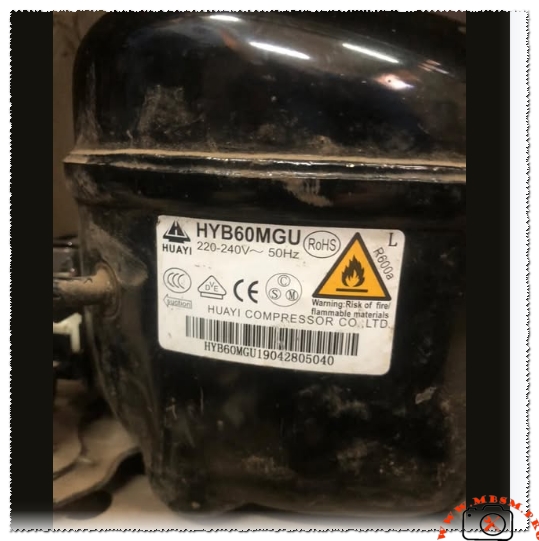
Focus keyphrase: Huayi HYB60MGU Compressor 1/7 HP R600a LBP Technical Specifications Wiring Diagram and Professional Replacement Guide for Domestic Refrigeration Systems
SEO Title: Mbsmpro.com, Compressor, Huayi, HYB60MGU, 1/7 hp, R600a, 110 W, 0.55 A, 1Ph 220-240V 50Hz, LBP, RSIR, -35°C to -10°C, cooling or freezing
Meta Description: Technical datasheet for the Huayi HYB60MGU compressor. Explore its 1/7 HP capacity, R600a efficiency, electrical wiring schemas, and professional cross-reference replacements.
Excerpt: The Huayi HYB60MGU is a high-efficiency hermetic reciprocating compressor specifically engineered for Low Back Pressure (LBP) applications. Operating on the eco-friendly R600a refrigerant, this 1/7 HP unit is a primary component in modern household refrigerators. This guide provides an in-depth technical analysis, electrical wiring configurations, and reliable replacement alternatives for field engineers.
The Engineering Behind the Huayi HYB60MGU: A Technical Standard in R600a Cooling
In the contemporary landscape of domestic refrigeration, the Huayi HYB60MGU represents a cornerstone of energy-efficient design. As a professional who has spent years troubleshooting and installing these units, it is clear that Huayi has optimized the HYB series to meet the rigorous European and international standards for low-temperature performance.
This compressor is a hermetic reciprocating type, designed for Low Back Pressure (LBP) cycles. Its integration of R600a (isobutane) not only aligns with global environmental mandates but also provides superior thermodynamic efficiency compared to legacy R134a systems. For technicians, understanding the mechanical and electrical nuances of the HYB60MGU is essential for ensuring system longevity.
Technical Data Sheet: Huayi HYB60MGU
Feature
Specification
Model
HYB60MGU
Utilisation (mbp/hbp/lbp)
LBP (Low Back Pressure)
Domaine (Freezing/Cooling)
Domestic Refrigerators / Freezers
Oil Type and Quantity
Mineral Oil / 180 ml
Horsepower (HP)
1/7 HP
Refrigerant Type
R600a (Isobutane)
Power Supply
220-240VAC / 50Hz / 1 Phase
Cooling Capacity BTU
375 BTU/h (approx. 110 Watts)
Motor Type
RSIR (Resistive Start – Inductive Run)
Displacement
6.0 cm³
Winding Material
High-Grade Copper
Pression Charge
0.5 to 1.2 Bar (Standard LBP operation)
Capillary Recommendation
0.026″ – 0.028″ ID (Varies by cabinet)
Application Range
-35°C to -10°C
Cooling System
Static (Natural convection)
Commercial Classification
Residential / Household
Amperage (Running)
0.55 A – 0.7 A
LRA (Locked Rotor Amperage)
4.8 A
Type of Relay
PTC (Positive Temperature Coefficient)
Capacitor Requirement
None (RSIR Configuration)
Electrical Wiring Schema (RSIR Configuration)
The terminal housing of the Huayi HYB60MGU follows a standard triangular pin configuration which is critical for proper startup and protection.
Schema Description:
Common (C): The apex pin. This pin connects to the Thermal Overload Protector (OLP), which monitors the motor temperature and current draw.
Start (S): The pin usually on the right side. It is momentarily energized by the PTC relay to initiate rotation.
Main/Run (M): The pin on the left side. This winding remains energized throughout the operation of the compressor.
Wiring Logic: Line (Hot) -> Overload Protector -> Common Pin Neutral -> PTC Relay -> Main Pin & Start Pin
Engineering Note: Always verify the resistance between C-S and C-M. The sum of these two measurements should roughly equal the resistance across S-M. Any significant deviation indicates a winding fault.
Comparative Efficiency: R600a vs. R134a Models
When evaluating the HYB60MGU, it is helpful to compare it against similarly rated R134a compressors to understand the benefits of the modern R600a cycle.
Metric
Huayi HYB60MGU (R600a)
Standard 1/7 HP (R134a)
Operating Pressure
Low / Vacuum
High Positive
Displacement
6.0 cm³
4.5 cm³
Energy Consumption
Low (High COP)
Moderate
Environment
GWP < 3 (Eco-friendly)
GWP 1430 (Global Warming)
Professional Replacement Cross-Reference
In repair scenarios where the exact Huayi model is unavailable, these alternatives provide the same cooling capacity and displacement.
5 Replacements in R600a (Same Gas):
Embraco: EMT45HDR (High-reliability alternative)
Secop (Danfoss): TLES5.7KK.3 (Common European replacement)
Jiaxipera: T1112Y (Found in many Beko/Haier units)
Donper: A60CY
Wanbao: ETA60
5 Replacements in R134a (Conversion Required): Note: Converting from R600a to R134a requires a full system flush and capillary resizing.
Zem: GL60AA
Embraco: EMI 45HER
Secop: TLS5F
Huayi: B30H
Cubigel: GL60AA
Field Engineering Advice and Notices
Vacuuming Procedure: Because R600a systems operate at very low pressures, moisture is a catastrophic contaminant. Always pull a vacuum down to at least 200 microns before charging.
Charging by Weight: R600a is highly sensitive to overcharging. Always use a digital scale and charge precisely to the manufacturer’s specification (usually 40-60 grams). Do not charge by pressure.
Flammability Safety: R600a is isobutane. Ensure no open flames are nearby during charging or discharging. Use “Lokring” cold connections if you are not in a controlled, ventilated environment for brazing.
Overload Protection: If the compressor “clicks” but fails to start, check the PTC relay first. These components are prone to cracking due to heat cycles.
Conclusion and Professional Benefit
The Huayi HYB60MGU is a resilient unit that, when maintained correctly, offers years of silent and efficient operation. Its low running amperage makes it an ideal choice for off-grid or solar-powered refrigeration setups where energy conservation is paramount. For the service technician, its standard footprint and predictable electrical behavior make it a preferred model in the field.
Huayi HYB60MGU Compressor 1/7 HP R600a LBP mbsmpro
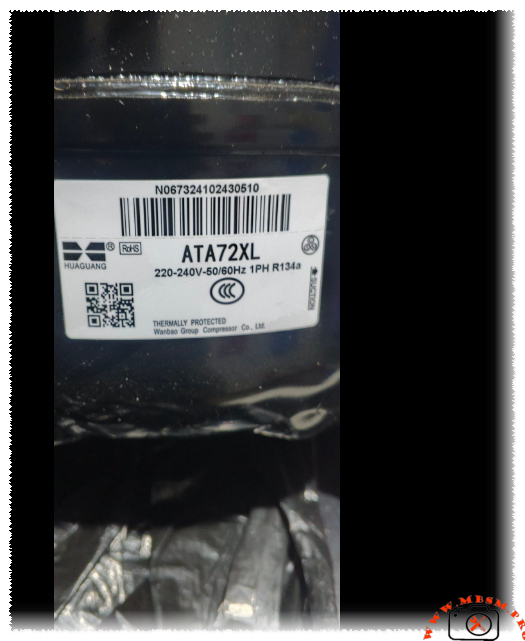
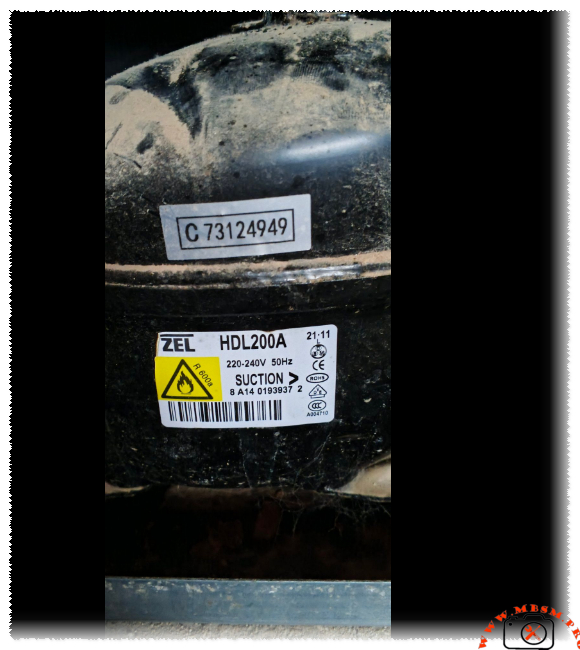
Technical Comparison: ZEL HDL200A vs. Huaguang ATA72XL
Category: Refrigeration
written by www.mbsmpro.com | January 31, 2026
technical comparison between two common refrigerator compressors: the ZEL HDL200A and the Huaguang (Wanbao) ATA72XL. We will examine their specifications and address the critical question: Can one be used as a replacement for the other?
Technical Comparison: ZEL HDL200A vs. Huaguang ATA72XL
When evaluating compressors for replacement, we must look at three primary factors: Refrigerant type, cooling capacity (power), and electrical compatibility.
1. ZEL HDL200A Specifications
Refrigerant:R600a (Isobutane)
Voltage/Frequency: 220-240V / 50Hz
Cooling Capacity: Approximately 180–200 Watts (roughly 1/4 HP class)
Lubricant: Typically uses Mineral or Alkylbenzene oil compatible with R600a.
Cooling Capacity: Approximately 190–210 Watts (roughly 1/4 HP class)
Lubricant: POE (Polyolester) oil.
Application: Standard domestic refrigerators and water dispensers.
The Compatibility Verdict: Can they be swapped?
The short answer is: No.
You cannot directly replace a ZEL HDL200A with a Huaguang ATA72XL (or vice versa) without significant and specialized modifications to the entire refrigeration system. Here is why:
A. Refrigerant Incompatibility (The Dealbreaker)
The ZEL compressor uses R600a, which is a hydrocarbon gas that operates at much lower pressures than R134a.
A system designed for R600a has a different capillary tube length and diameter compared to an R134a system.
If you put an R134a compressor into an R600a system, the high pressures of R134a will likely “choke” the narrow R600a capillary tube, leading to poor cooling or compressor failure.
B. Oil and Chemical Issues
R600a compressors usually use mineral-based oils, while R134a compressors require synthetic POE oil. These oils are not cross-compatible. If residues of the old oil remain in the lines, they can react with the new refrigerant, creating sludge that clogs the expansion device (capillary tube), ultimately destroying the new compressor.
C. Safety and Design
R600a is flammable. Systems designed for R600a have specific safety considerations regarding electrical components (non-sparking relays). While putting an R134a (non-flammable) compressor into an R600a shell is less of a fire risk, the mechanical performance will be abysmal because the evaporator and condenser sizes are optimized for the specific thermodynamic properties of the original gas.
Summary Comparison Table
Feature
ZEL HDL200A
Huaguang ATA72XL
Compatible?
Refrigerant
R600a
R134a
No
Cooling Power
~1/4 HP
~1/4 HP
Yes (Close)
Voltage
220-240V
220-240V
Yes
Oil Type
Mineral/AB
POE
No
Operating Pressure
Low
High
No
Conclusion
While both compressors fall into the same general “power bracket” (roughly 1/4 HP), they are built for entirely different chemical environments.
Recommendation: Always replace a compressor with one that uses the same refrigerant as the original. If your fridge is labeled for R600a, you must use an R600a compressor like the ZEL HDL200A. Using the Huaguang ATA72XL in its place would require flushing the entire system, changing the capillary tube, and vacuuming the system extensively—a process that is often more expensive and less reliable than simply buying the correct part.