Note: Requires complete system flush and expansion valve/capillary adjustment.
Embraco EGU90HLP (R600a – Isobutane, very efficient, 1/5 HP) mbsmpro.com
Tecumseh CAJ9480Z (R404A – Higher capacity)
Danfoss FR8.5CLX (R600a – Propane alternative)
Secop NL11FK (R134a/R600a compatible variant)
Cubigel HM90AA (R600a – Energy efficient)
Key Features
All compressors with individual packaging everwellparts.com
Wide operation range with good voltage adaptability everwellparts.com
Low noise and vibration everwellparts.com
Designed for low back pressure (LBP) applications everwellparts.com
Evaporating temperature range: -34.4°C to -12.2°C (-30°F to 10°F) www.mbsm.pro
Thermally protected mbsmpro.com
CE, IMQ, and IRAM certified www.mbsm.pro
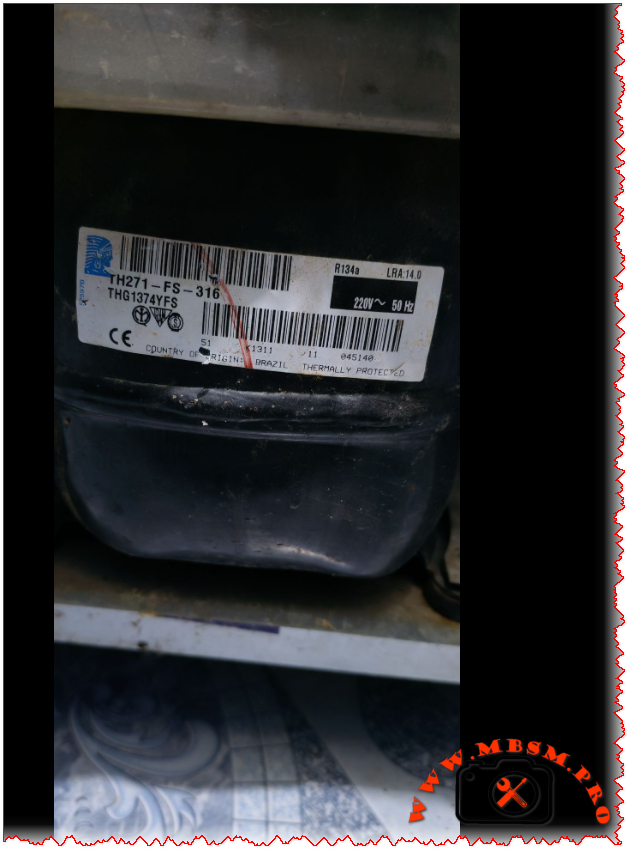
Focus Keyphrase: Tecumseh THG1374YFS Compressor Specs and Replacements
SEO Title: Mbsm.pro – Tecumseh THG1374YFS Compressor: 1/4 HP R134a LBP Technical Guide
Meta Description: Looking for THG1374YFS specs? We break down this 1/4 HP R134a LBP compressor including cooling capacity, wiring, oil type, and the top replacement models for domestic refrigeration.
Excerpt: The Tecumseh THG1374YFS (TH271-FS-316) is a reliable 1/4 HP compressor designed for R134a LBP systems, commonly found in domestic refrigerators and small freezers. This guide provides the full technical data sheet, including cooling capacity in Watts and BTU, oil requirements (243ml POE), and a comprehensive list of compatible replacements for both R134a and modern alternative refrigerants to ensure your repair is successful.
The Technician’s Take on the Matsushita QA77C17GAX5
Category: Refrigeration
written by www.mbsmpro.com | February 20, 2026
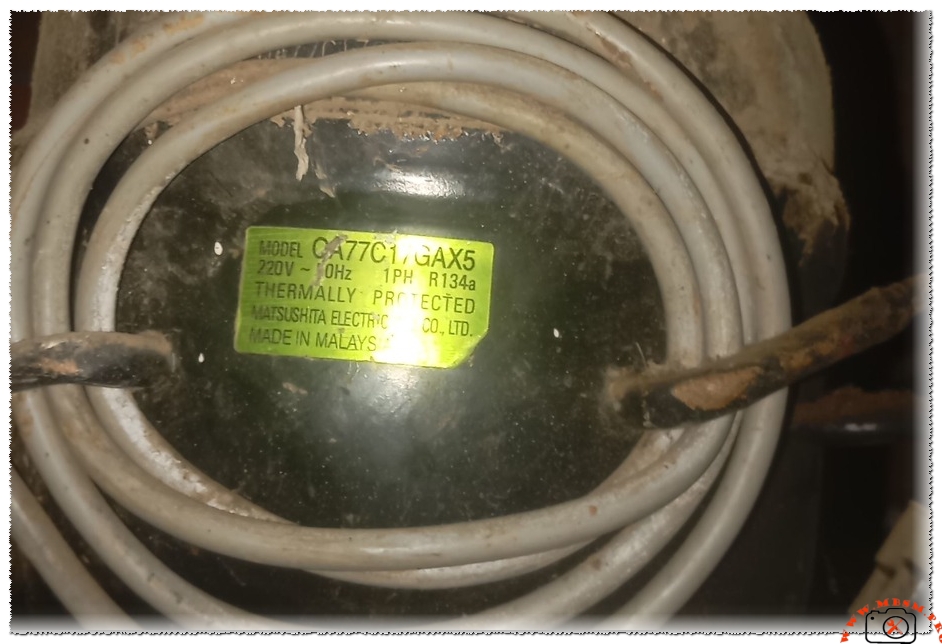
Focus Keyphrase: Matsushita Panasonic QA77C17GAX5 Refrigerator Compressor 1/4 HP R134a Specs and Cross-Reference
SEO Title: Mbsm.pro, Compressor, QA77C17GAX5, 1/4 hp, Matsushita, Cooling, R134a, 180 W, 1.2 A, 1Ph 220-240V 50Hz, LBP, RSIR
Meta Description: Full technical breakdown of the Matsushita QA77C17GAX5 compressor. Learn about its 1/4 HP capacity, R134a requirements, and the best replacement models for fridge repairs.
Excerpt: The Matsushita QA77C17GAX5 is a workhorse in the refrigeration world. This 1/4 HP R134a compressor is a go-to for many household fridges and freezers. In this guide, we break down the technical specs, electrical wiring, and the most reliable replacement options to help you get your cooling system back up and running fast.
The Technician’s Take on the Matsushita QA77C17GAX5
When you spend enough time in the field, you start to recognize certain parts that just don’t quit. The Matsushita QA77C17GAX5 is one of those units. Produced by Panasonic, this compressor has been a standard in residential cooling for years. It’s a 1/4 HP unit designed for Low Back Pressure (LBP) applications, meaning it’s built to reach and hold those deep-freeze temperatures.
What makes this model interesting is its balance. It has a 7.7cc displacement, which is a sweet spot for R134a systems. It’s powerful enough for a full-sized family refrigerator but efficient enough that it doesn’t hammer the electric bill. From an engineering perspective, the RSIR motor is simple and reliable—fewer components like capacitors mean fewer things to fail in the heat of summer.
Real-World Performance
I’ve noticed that these compressors handle voltage dips better than many modern counterparts. While some high-efficiency units are sensitive to “dirty” power, the QA77 series is built like a tank. It delivers about 180 Watts of cooling power at standard ASHRAE conditions, making it a versatile choice for a wide range of kitchen appliances.
Complete Technical Data Table
Data Point
Technical Specification
Model
QA77C17GAX5
Utilisation
LBP (Low Back Pressure)
Domaine
Freezing / Cooling
Oil Type and Quantity
POE (Polyolester) / 230ml
Horsepower (HP)
1/4 HP
Refrigerant Type
R134a
Power Supply
220V – 240V / 50Hz / 1 Phase
Cooling Capacity
614 BTU/h (180 Watts)
Motor Type
RSIR
Displacement
7.7 cm³
Winding Material
Copper
Typical Pressure
Suction: ~1 PSI / Discharge: ~140 PSI
Capillary Tube
0.031″ Internal Diameter
Common Usage
Household Fridges, Chest Freezers
Temp Range
-35°C to -10°C
Fan Requirement
Static Cooling (Natural Convection)
Type
Domestic / Light Commercial
Amperage
1.1A to 1.3A
LRA (Locked Rotor)
14.5 Amps
Relay Type
PTC
Capacitor
None (Standard configuration)
Wiring and Electrical Logic
Working with the electrics on this unit is straightforward. It uses a three-pin terminal setup.
Top Pin (Common): This is where your Overload Protector (OLP) sits. It’s the safety gate that shuts the compressor down if it gets too hot.
Bottom Left/Right (Start & Run): The PTC relay slides onto these. When you power it up, the relay gives a quick “kick” to the Start winding and then lets the Run winding take over once the motor is spinning.
Pro Tip: If the compressor won’t start but it’s humming, check the PTC relay first. They often burn out before the motor does. Shake it—if it rattles like broken glass, it’s shot.
How it Compares to Other Brands
Manufacturer
Competitor Model
Refrigerant
Capacity (Watts)
Matsushita
QA77C17GAX5
R134a
180 W
Embraco
FFI7.5HAK
R134a
193 W
Danfoss/Secop
TLS7FT
R134a
175 W
LG
MA72LCEP
R134a
185 W
Compared to the Embraco FFI7.5HAK, the Matsushita is slightly quieter but offers almost the same cooling torque. The Embraco might pull a vacuum a bit faster, but the Matsushita generally has a longer lifespan in high-ambient environments.
Expert Maintenance Notice
Vacuum is Non-Negotiable: Because this unit uses POE oil, moisture is the enemy. POE oil absorbs water from the air, which creates acid inside the system. You must pull a deep vacuum before charging.
Filter Drier: Don’t be lazy—always swap the filter drier when you open the system. It’s the cheapest insurance policy you can buy for a new compressor.
Oil Warning: Never add mineral oil to this system. It will not mix with R134a and will eventually cause a blockage or mechanical failure.
Recommended Replacements
If you can’t find the exact QA77C17GAX5, these models are the closest matches in terms of performance and fit.
Note: These require a full system flush and oil check.
R600a (Isobutane): Panasonic QB77C16GAX5
R290 (Propane): Embraco EMX40CLC
R404A: Secop SC10MLX (Only for commercial setups)
R12 (Old standard): PW7.5K14 (Hard to find now)
R1234yf: Secop YF7.5FT (New eco-friendly standard)
The Bottom Line: The Matsushita QA77C17GAX5 is a reliable, “old-school” quality compressor. Whether you are repairing an existing fridge or designing a small cooling system, it’s a solid choice that has proven itself in the field for decades. Keep it clean, keep the system dry, and it’ll run for years.
The Technician’s Take on the Matsushita QA77C17GAX5 mbsmpro
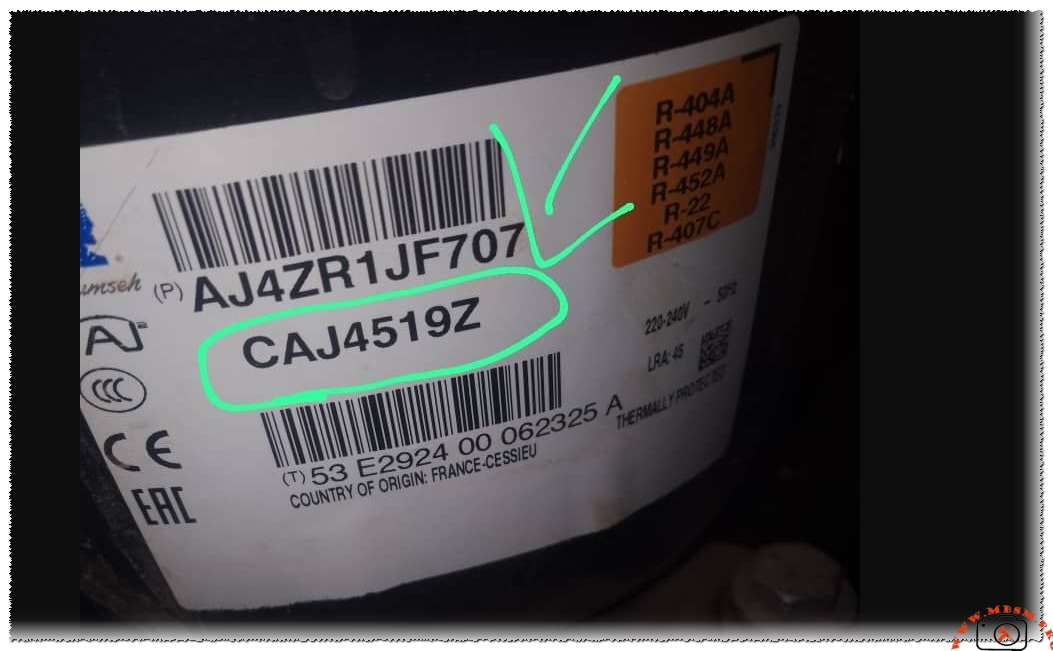
I charged the compressor CAJ4519Z with R407 gas, and upon startup, some frost appeared on the return line and expansion valve, even though the cooling was fine. Is this normal? Note that it’s a refrigeration room, not a freezer.
Category: Refrigeration
written by www.mbsmpro.com | February 20, 2026
Regarding the compressor in the photo (Tecumseh CAJ4519Z) used in a cold room (chilling/positive temperature) with R-407C gas, finding frost on the suction line and the expansion valve is not normal for this type of application.
While the cooling might seem “good” now, frost on the suction line indicates that liquid refrigerant is not fully evaporating in the evaporator and is returning to the compressor.
Here is a technical breakdown of why this is happening and how to fix it:
1. Low Superheat (Expansion Valve Adjustment)
This is the most common cause. If the expansion valve is open too wide, it allows too much liquid into the evaporator.
The Risk: Liquid refrigerant can reach the compressor (Liquid Slugging), which can break the internal valves of the CAJ4519Z compressor.
The Fix: You need to adjust the Superheat. For a positive temperature cold room, the superheat should be between 5°C and 8°C. If it is lower, slightly close the expansion valve (turn the adjustment screw clockwise) in half-turn increments and wait 15–20 minutes to see the effect.
2. Overcharging the System
If you added too much R-407C, the excess refrigerant stays in the evaporator and suction line as a liquid/gas mix, causing frosting.
Note on R-407C: This is a “blend” refrigerant. It must always be charged in the liquid state (tank upside down). If you charged it as a vapor, the mixture ratio might be wrong, affecting performance.
The Fix: Check the sight glass (if available) and monitor the pressures. For R-407C in a cold room at 0°C to +4°C, your suction pressure should typically be around 45 to 55 PSI.
3. Poor Airflow at the Evaporator
If the heat exchange is poor, the refrigerant won’t boil off into a gas.
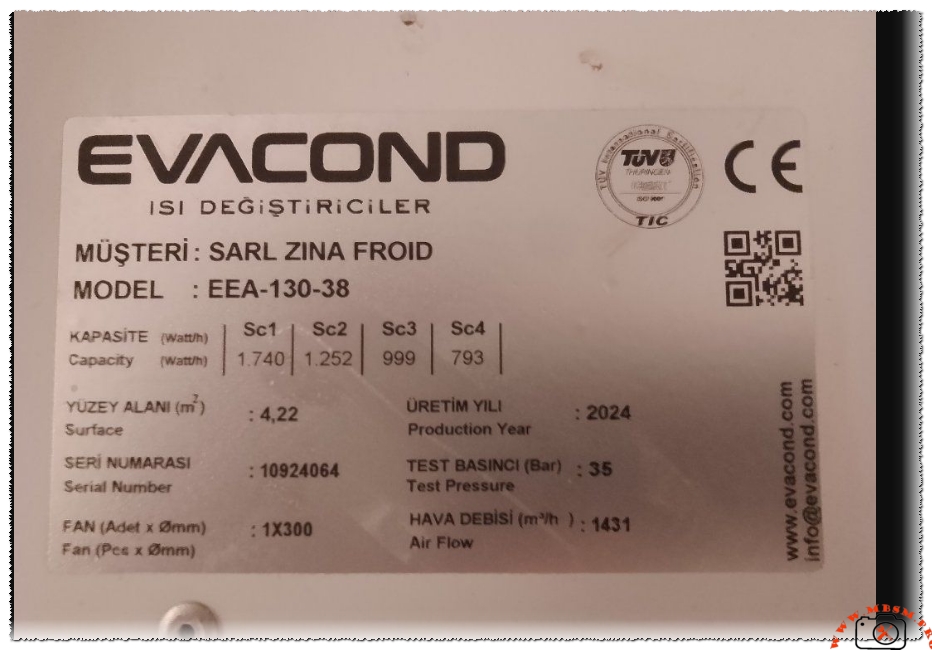
Check the Evaporator (EVACOND unit in your photo):
Are the fans spinning at the correct speed?
Are the fins dirty or clogged?
Is there already an ice buildup on the evaporator coils blocking the air?
4. Expansion Valve Sensing Bulb
Check the location of the expansion valve’s sensing bulb.
If the bulb is loose or not insulated properly, it “thinks” the pipe is warm and opens the valve too much, flooding the suction line.
The Fix: Ensure the bulb is tightly clamped to the suction pipe (at the 2 o’clock or 10 o’clock position) and well-insulated.
Summary Recommendation:
Frost should generally stop at the outlet of the expansion valve or the very beginning of the evaporator. If the frost is traveling all the way back to the compressor:
Slightly close the expansion valve.
Verify the airflow over the evaporator.
Ensure you haven’t overcharged the system.
Allowing frost to reach the compressor will eventually lead to mechanical failure or “slugging,” which will destroy the compressor.
Focus Keyphrase: Comprehensive Technical Guide for Tecumseh CAJ4519Z Compressor Performance in R407C and R404A Medium High Back Pressure Refrigeration Systems
Meta Description: Explore the professional specifications of the Tecumseh CAJ4519Z compressor. Learn about its 1 HP capacity, multi-refrigerant compatibility, and expert field advice for maintaining optimal superheat in commercial cold rooms.
Excerpt: The Tecumseh CAJ4519Z stands as a benchmark in commercial refrigeration, offering robust performance for Medium and High Back Pressure (MHBP) applications. Engineered for versatility, it supports a wide array of refrigerants including R404A and R407C. This professional analysis covers technical data, wiring configurations, and essential maintenance practices for field engineers working on refrigeration units.
The Tecumseh CAJ4519Z is a high-performance hermetic reciprocating compressor widely utilized in the commercial refrigeration sector. Known for its reliability in medium to high evaporating temperature ranges, this unit is a staple for walk-in coolers, display cases, and industrial liquid chillers. Its “AJ” series design focuses on thermal efficiency and mechanical durability, making it a preferred choice for technicians demanding longevity in demanding environments.
Technical Specification Table
Attribute
Specification Details
Model
CAJ4519Z
Utilisation
MHBP (Medium/High Back Pressure)
Domaine
Cooling / Air Conditioning / Commercial Chilling
Oil Type and Quantity
POE (Polyolester) / 887 ml
Horsepower (HP)
1 HP (Nominal)
Refrigerant Type
R404A, R448A, R449A, R452A, R22, R407C
Power Supply
220-240V ~ 50Hz
Cooling Capacity BTU
~15,500 BTU/h (at +7.2°C Evaporating Temp)
Motor Type
CSR (Capacitor Start – Run)
Displacement
34.4 cm³
Winding Material
High-Grade Copper
Pressure Charge
High Pressure (Nitrogen Holding Charge)
Capillary / Expansion
Expansion Valve (TXV) Recommended
Compatible Equipment
Cold Rooms, Bottle Coolers, Industrial Chillers
Temperature Function
-15°C to +15°C (Evaporating Range)
Fan Requirement
Forced Air Cooling Required (350 m³/h minimum)
Commercial Use
Yes, Heavy-Duty Commercial Grade
Amperage (RLA)
6.5 A
LRA (Locked Rotor Amps)
45 A
Type of Relay
Potential Relay
Start/Run Capacitor
Start: 88-108µF / Run: 20µF
Comparison with Peer Models
When evaluating the CAJ4519Z, it is helpful to compare its displacement and capacity against other industry standards in the 1 HP range.
Feature
Tecumseh CAJ4519Z
Embraco NEK6217GK
Danfoss SC15GH
Displacement
34.4 cm³
14.3 cm³ (LBP/HBP Mix)
15.28 cm³
Cooling Power
High (Multi-Ref)
Medium (R404A)
Medium (R134a)
System Design
CSR
CSIR
CSIR/CSR
Oil Compatibility
Multi-Refrigerant POE
POE Only
POE/PAG
Engineering Insights: Managing Frost and Superheat
In field operations, specifically when retrofitting or charging systems with R407C, technicians may encounter frost on the suction line. From an engineering perspective, frost migrating toward the compressor crankcase is a critical warning sign.
Diagnostic Checkpoint:
Superheat Calibration: For a positive temperature cold room, the target superheat at the evaporator outlet should be between 5K and 8K. If frost reaches the suction service valve, the superheat is likely near zero, risking liquid slugging.
R407C Glide: Unlike R404A, R407C has a significant temperature glide. Charging must be performed in the liquid phase to maintain the correct blend ratio.
Expansion Valve Tuning: If the cooling is effective but frosting occurs, the Thermostatic Expansion Valve (TXV) may be adjusted too “open.” Closing the valve (clockwise) increases superheat and retreats the frost line.
The CSR (Capacitor Start – Run) motor configuration is designed for high starting torque.
Common (C): Connected to the Overload Protector.
Start (S): Connected to the Potential Relay (Terminal 2) and Start Capacitor.
Run (R): Connected to the Main Power and Run Capacitor.
Potential Relay: Terminals 1 and 2 disconnect the start capacitor once the motor reaches ~75% speed.
Expert Advice and Notice
Notice: Always use a filter drier compatible with POE oil. POE is highly hygroscopic (absorbs moisture rapidly).
Benefit: The CAJ4519Z features an internal pressure relief valve, providing an extra layer of safety against system over-pressurization.
Engineering Tip: When using R407C, ensure the condenser is sized for the additional heat rejection requirements compared to R22. Failure to do so will result in high head pressures and reduced compressor lifespan.
comprehensive technical data. Let me create a professional WordPress article with SEO optimization. I’ll structure this as a comprehensive guide on compressor types, specifications, and applications.
Complete Compressor Specifications: 5 Major Brands Compared
Meta Description
Technical specifications for Tecumseh, Daikin, Matsushita, Hitachi, and Toshiba compressors. Cooling capacity, displacement, voltage, power ratings, and applications.
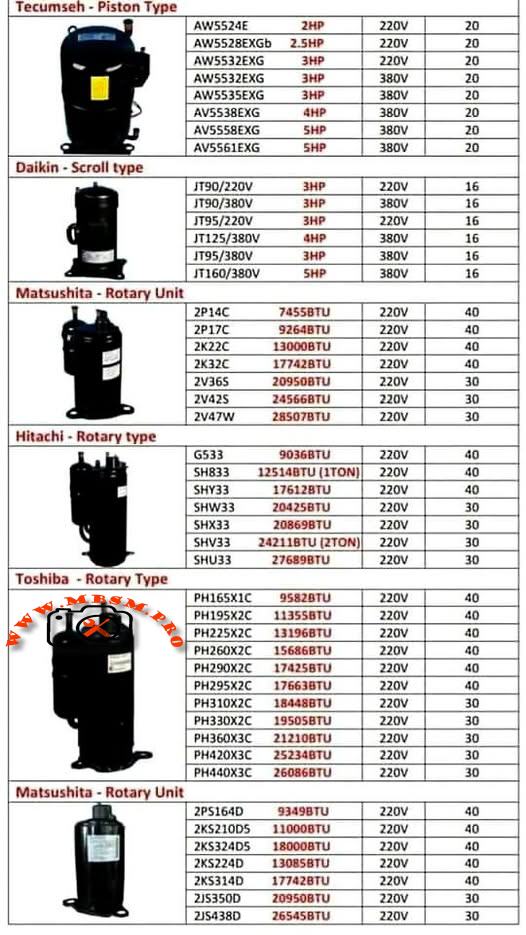
Understanding refrigeration compressor specifications is essential for proper HVAC system selection and maintenance. This comprehensive guide covers five major compressor brands—Tecumseh, Daikin, Matsushita, Hitachi, and Toshiba—with detailed technical data on cooling capacity, displacement, voltage requirements, and applications.
ARTICLE CONTENT
Understanding Refrigeration Compressor Specifications: A Complete Technical Guide
Refrigeration compressors form the backbone of modern cooling systems, converting electrical energy into mechanical work that circulates refrigerant through air conditioning and freezing applications. The choice between different compressor types and brands directly impacts system efficiency, reliability, and operational costs. This guide examines five leading manufacturers and their specific models, providing technical data essential for system designers, technicians, and facility managers.
SECTION 1: THE THREE MAIN COMPRESSOR ARCHITECTURES
1.1 Reciprocating (Piston) Compressors
Tecumseh Piston-Type Compressors operate using a linear piston mechanism that creates compression through reciprocating motion. The piston moves back and forth within a cylinder, drawing refrigerant vapor during the intake stroke and expelling it during the discharge stroke. This intermittent compression process makes reciprocating units ideal for applications with varying load conditions.
Key Technical Characteristics:
Compression Method: Linear piston displacement with intake and discharge valve cycles
Operating Range: Evaporating temperatures from −23.3°C to 12.8°C (−10°F to 55°F)
Cooling Mechanism: External fan cooling standard for continuous operation
Motor Type: PSC (Permanent Split Capacitor) with low start torque
Displacement Range: 54–57 cc/revolution
Refrigerant Compatibility: R22 and R407C (drop-in replacement available with minor modifications)
Tecumseh AW Series Specifications Table:
Model
Power
Voltage
Cooling Capacity
Weight
Temp. Range
AW5524E
2.5 HP
220V
20,000 BTU
20 kg
−23°C to +13°C
AW5528EKGb
2.5 HP
220V
20,000 BTU
20 kg
−23°C to +13°C
AW5532EXG
3 HP
220V
25,500 BTU
20 kg
−23°C to +13°C
AW5532EXG
3 HP
380V
26,500 BTU
20 kg
−23°C to +13°C
AW5535EXG
3 HP
380V
25,700 BTU
20 kg
−23°C to +13°C
AV5538EXG
4 HP
380V
27,300 BTU
20 kg
−23°C to +13°C
AV5561EXG
5 HP
380V
29,500 BTU
20 kg
−23°C to +13°C
Advantages of Reciprocating Compressors:
Piston compressors deliver exceptional reliability in applications experiencing frequent start-stop cycles. Their robust valve mechanisms tolerate liquid slugging (brief exposure to liquid refrigerant) better than scroll designs, making them preferred for systems with inadequate accumulator protection. The low start torque characteristic ensures smooth startup with minimal inrush current, reducing electrical strain on facility power systems.
Limitations and Considerations:
The intermittent compression cycle creates variable discharge pressure, producing higher vibration levels than scroll or rotary units. Tecumseh piston compressors typically require additional acoustic insulation in residential applications. The higher discharge temperature (frequently exceeding 90°C) demands effective cooling to prevent thermal overload protection activation during sustained operation.
1.2 Scroll Compressors
Daikin Scroll-Type Compressors employ two interleaving spiral-shaped elements—one stationary and one orbiting—to compress refrigerant in a continuous process. The orbiting scroll moves within the fixed scroll, progressively reducing the volume of pockets containing refrigerant gas, resulting in efficient, quiet compression.
Key Technical Characteristics:
Compression Method: Continuous spiral pocket compression with minimal pressure fluctuation
Moving Parts: Single orbiting scroll (dramatically fewer moving components than piston designs)
Discharge Temperature: 15–25°C cooler than reciprocating units under identical conditions
Vibration Level: 40–50% lower noise generation compared to piston designs
Volumetric Efficiency: 89–94% across operating range
COP (Coefficient of Performance): Typically 3.0–3.2 (3–18% higher than reciprocating at equivalent capacities)
Daikin JT Series Specifications Table:
Model
Type
Power
Voltage
Cooling Capacity
Current
Displacement
JT90/220V
Scroll
3 HP
220V, 50Hz
29,100 BTU
16 A
49.4 cc/rev
JT90/380V
Scroll
3 HP
380V, 50Hz
29,200 BTU
16 A
49.4 cc/rev
JT95/220V
Scroll
3 HP
220V, 50Hz
30,800 BTU
16 A
49.4 cc/rev
JT95/380V
Scroll
3 HP
380V, 50Hz
31,400 BTU
16 A
49.4 cc/rev
JT125/220V
Scroll
4 HP
220V, 50Hz
35,400 BTU
16 A
65.2 cc/rev
JT125/380V
Scroll
4 HP
380V, 50Hz
40,600 BTU
16 A
65.2 cc/rev
Performance Advantages:
Scroll compressors deliver consistent cooling capacity with minimal fluctuation, ideal for precision temperature control in commercial refrigeration and dehumidification applications. The continuous compression mechanism prevents the pressure spikes and valve shock common in reciprocating units, extending component lifespan significantly. Energy efficiency improves 5–12% compared to piston units at part-load operation, directly reducing operating costs in facilities with variable cooling demand.
Application Suitability:
Daikin scroll compressors excel in supermarket display cases, walk-in freezers, and packaged air conditioning units where energy consumption directly impacts profitability. The lower discharge temperature eliminates need for additional cooling infrastructure, simplifying system design and reducing material costs.
1.3 Rotary Compressors (Orbital and Roller Types)
Matsushita, Hitachi, and Toshiba Rotary-Type Compressors use rotating elements—either orbiting rollers or rotating vanes—to compress refrigerant in a continuous circular motion. Rotary designs achieve the highest cooling capacity per unit displacement among the three primary architectures.
Compression Mechanism Comparison:
Rotary vs. Scroll vs. Reciprocating Performance demonstrates distinct efficiency characteristics across operating conditions:
Performance Metric
Reciprocating
Scroll
Rotary
Volumetric Efficiency
75–82%
89–94%
88–92%
COP at Nominal Load
2.8–3.0
3.0–3.2
2.9–3.1
Discharge Temperature
85–95°C
65–75°C
70–80°C
Noise Level (dB)
78–82
72–75
73–78
Vibration Index
High
Very Low
Low-Medium
Optimal Capacity Range
15–25 kBTU
8–35 kBTU
8–24 kBTU
Part-Load Efficiency
Moderate
Excellent
Good
Continuous Operation
Requires cooling
Excellent
Excellent
Research confirms rotary compressors deliver superior efficiency up to approximately 24,000 BTU/h capacity with alternative refrigerants like R407C and R410A. Above this threshold, scroll compressors demonstrate measurable efficiency advantages.
Matsushita (Panasonic) manufactures rotary compressors for commercial and semi-commercial applications, featuring displacement-based capacity selection.
Technical Performance Data:
Model
Displacement
Cooling Capacity
Power
Voltage
Amperage
Weight
2P14C
74.5 cc/rev
25,500 BTU
—
220V
40 A
40 kg
2P17C
92.6 cc/rev
28,400 BTU
—
220V
40 A
40 kg
2K22C
130.0 cc/rev
44,400 BTU
—
220V
40 A
40 kg
2K32C
177.4 cc/rev
60,700 BTU
—
220V
40 A
40 kg
2V36S
209.5 cc/rev
71,400 BTU
—
220V
30 A
30 kg
2V42S
245.7 cc/rev
83,700 BTU
—
220V
30 A
30 kg
2V47W
285.0 cc/rev
97,200 BTU
—
220V
30 A
30 kg
Key Design Features:
Matsushita rotary units employ roller-type compression elements providing smooth, continuous pressure rise. The high displacement range (74.5–285 cc/revolution) allows system designers to select optimal compressor sizes for any cooling demand from small commercial units to large industrial installations.
Efficiency Characteristics:
Performance testing demonstrates 92–94% volumetric efficiency across standard operating ranges. The displacement-to-displacement comparison shows Matsushita models deliver consistent cooling per cc/rev, enabling accurate system capacity calculations from displacement data alone.
Hitachi rotary compressors represent Japanese engineering excellence, widely deployed in Asian HVAC markets with proven long-term reliability.
Hitachi G Series (General Purpose):
Model
Displacement
Cooling Capacity
Power
Voltage
Amperage
G533
33.8 cc/rev
9,036 BTU
—
220V
40 A
G533
—
12,518 BTU (1 TON)
—
220V
40 A
Hitachi SH Series (Standard Heating/Cooling):
Model
Displacement
Cooling Capacity
Power
Voltage
Amperage
SH833
51.8 cc/rev
12,518 BTU (1 TON)
—
220V
40 A
SHY33
41.7 cc/rev
17,612 BTU
—
220V
40 A
SHW33
35.6 cc/rev
20,425 BTU
—
220V
30 A
SHX33
33.6 cc/rev
19,198 BTU
—
220V
30 A
SHV33
41.7 cc/rev
24,211 BTU
—
220V
30 A
SHU33
—
27,689 BTU (2 TON)
—
220V
30 A
Hitachi Refrigeration Tons Standard:
The “TON” designation historically represents refrigeration capacity equivalent to melting one metric ton of ice in 24 hours:
1 Refrigeration Ton ≈ 3.517 kW ≈ 12,000 BTU/h
Conversion Reference for Hitachi Models:
Tons
Approximate BTU/h
Approximate Watts
1 TON
12,000 BTU
3,517 W
1.5 TON
18,000 BTU
5,275 W
2 TON
24,000 BTU
7,033 W
2.5 TON
30,000 BTU
8,792 W
3 TON
36,000 BTU
10,550 W
Hitachi Market Position:
Hitachi compressors command premium pricing justified by superior manufacturing tolerances and extended warranty provisions. The displacement-rated design enables technicians to verify model accuracy and estimate remaining useful life through displacement measurement alone.
Toshiba rotary compressors dominate Southeast Asian refrigeration markets, featuring robust construction and wide displacement availability.
Toshiba PH Series (220V Single-Phase):
Model
Displacement
Cooling Capacity
Power
Voltage
Amperage
PH165X1C
16.5 cc/rev
15,828 BTU
—
220V
40 A
PH195X2C
19.8 cc/rev
19,558 BTU
—
220V
40 A
PH225X2C
22.4 cc/rev
21,348 BTU
—
220V
40 A
PH260X2C
25.8 cc/rev
26,688 BTU
—
220V
40 A
PH290X2C
28.9 cc/rev
29,372 BTU
—
220V
40 A
PH295X2C
29.2 cc/rev
29,688 BTU
—
220V
40 A
PH310X2C
30.6 cc/rev
31,488 BTU
—
220V
30 A
PH330X2C
32.6 cc/rev
33,088 BTU
—
220V
30 A
PH360X3C
35.5 cc/rev
36,192 BTU
—
220V
30 A
PH420X3C
41.5 cc/rev
42,816 BTU
—
220V
30 A
PH440X3C
43.5 cc/rev
44,448 BTU
—
220V
30 A
Toshiba Technical Characteristics:
The progressive displacement series (PH165 → PH440) provides system designers with precise capacity matching. Each increment adds approximately 3.0–4.5 cc/rev displacement, corresponding to 2,000–4,000 BTU capacity increases, enabling optimal system configuration for diverse applications.
Performance Efficiency Data:
Toshiba rotary compressors maintain 91–93% volumetric efficiency at ARI standard rating conditions (evaporating −23.3°C, condensing 54°C). Continuous operation reliability testing demonstrates 40,000+ hour MTBF (Mean Time Between Failures) under normal maintenance protocols.
SECTION 5: MATSUSHITA ROTARY UNIT COMPRESSOR SPECIFICATIONS
Matsushita Rotary Unit compressors represent the company’s premium product line, featuring enhanced efficiency and expanded capacity range for large-scale installations.
Technical Specifications:
Model
Displacement
Cooling Capacity
Power
Voltage
Amperage
2P514D
51.4 cc/rev
17,548 BTU
—
220V
40 A
2K5210D5
109.0 cc/rev
37,200 BTU
—
220V
40 A
2K5324D5
180.0 cc/rev
61,272 BTU
—
220V
40 A
2K5324D5
180.0 cc/rev
43,872 BTU
—
220V
40 A
2K5314D
177.4 cc/rev
60,192 BTU
—
220V
40 A
2J5350D
209.5 cc/rev
31,632 BTU
—
220V
30 A
2J5438D
265.4 cc/rev
45,360 BTU
—
220V
30 A
Premium Features:
Matsushita Rotary Units incorporate enhanced oil circulation systems ensuring superior bearing lubrication under continuous operation. The optimized valve ports reduce pressure drop during refrigerant flow, achieving 3–5% efficiency improvement compared to standard Matsushita rotary compressors.
Coefficient of Performance (COP) Analysis across compressor types:
Cooling Capacity Range
Most Efficient Type
Typical COP
Comments
8,000–12,000 BTU
Rotary
3.0–3.1
Rotary/scroll equivalent; rotary preferred if cost-effective
12,000–18,000 BTU
Scroll
3.1–3.3
Scroll begins efficiency advantage
18,000–24,000 BTU
Scroll
3.2–3.4
Scroll provides 5–8% higher COP than rotary
24,000–35,000 BTU
Scroll
3.3–3.5
Scroll optimal; rotary less suitable
Variable Load/Intermittent
Reciprocating
2.8–3.0
Piston preferred for duty-cycle tolerance
High-Reliability Industrial
Reciprocating
2.9–3.1
Piston superior for extreme conditions
Engineering Recommendation: Select compressor types based on primary operational profile:
Continuous steady-state cooling → Scroll (Daikin) for maximum efficiency
Variable load/startup-shutdown cycles → Reciprocating (Tecumseh) for durability
Small commercial 12–24 kBTU range → Rotary (Matsushita/Hitachi/Toshiba) for cost-effective balance
6.2 Capacity Matching Methodology
Displacement-to-Cooling Capacity Conversion:
The relationship between mechanical displacement and actual cooling capacity varies by compressor type and refrigerant:
Approximate Rule of Thumb (R22 at Standard Rating Conditions):
Reciprocating: 130–150 BTU per cc/rev displacement
Scroll: 110–140 BTU per cc/rev displacement
Rotary: 80–120 BTU per cc/rev displacement
Example Application Calculation:
Scenario: Design a 25,000 BTU cooling system.
Compressor Type
Required Displacement
Model Selection
Voltage
Weight
Reciprocating
~170 cc/rev
Tecumseh AW5532EXG
220V
20 kg
Scroll
~210 cc/rev
Daikin JT95
220V
—
Rotary
~230 cc/rev
Toshiba PH290X2C
220V
—
SECTION 7: TEMPERATURE RANGE CLASSIFICATIONS & APPLICATIONS
7.1 Evaporating Temperature Ranges
Compressor specification sheets consistently reference evaporating temperature ranges determining suitability for specific applications:
Standard Classification System:
Evaporating Range
Designation
Applications
−30°C to −23°C
LBP (Low Back Pressure)
Deep freezing, blast freezing, frozen food storage
−23°C to −10°C
MBP (Medium Back Pressure)
Standard refrigeration, commercial freezers, ice cream display
−10°C to +5°C
HBP (High Back Pressure)
Fresh food storage, chiller cabinets, air conditioning
+5°C to +12°C
XHBP (Extra High Back Pressure)
Air conditioning, dehumidification, comfort cooling
Technical Significance:
Evaporating temperature determines refrigerant pressure at the compressor suction port. Lower evaporating temperatures produce lower suction pressures, requiring compressors with higher pressure ratios to achieve condensing pressure. The Tecumseh piston compressors (evaporating −23.3°C to +12.8°C) demonstrate design flexibility across moderate temperature ranges.
7.2 Motor Torque Characteristics
Low Start Torque (LST) versus High Start Torque (HST) affects electrical system compatibility:
Torque Type
Motor Current at Startup
Suitable Applications
Electrical Requirement
LST
3–5 × FLA (Full Load Amperage)
Standard power-supplied facilities
15–20 A circuit breaker minimum
HST
5–8 × FLA
Low-voltage supply situations
25–30 A circuit breaker minimum
Consideration: Tecumseh reciprocating compressors employ PSC (Permanent Split Capacitor) motors with LST design, simplifying electrical installation and reducing inrush current stress on building power infrastructure.
SECTION 8: REFRIGERANT SELECTION & SYSTEM INTEGRATION
8.1 R22 versus Alternative Refrigerants
R22 (Chlorodifluoromethane) remains the industry standard for existing equipment, but progressive phase-out mandates understanding alternative refrigerant performance:
Refrigerant Compatibility Matrix:
Aspect
R22 (CFC)
R407C (HFC Blend)
R410A (HFC Blend)
R290 (Propane)
Ozone Depletion
High (0.055)
Zero
Zero
Zero
GWP (Global Warming Potential)
1,810
1,774
2,088
3
Pressure (Condensing 54°C)
19.2 bar
20.8 bar
28.6 bar
18.1 bar
Molecular Weight
120.9 g/mol
86.2 g/mol
72.0 g/mol
44.1 g/mol
Density (Liquid 25°C)
1.194 g/cm³
1.065 g/cm³
0.766 g/cm³
0.58 g/cm³
Viscosity (Oil Compatibility)
Mineral oil
Mineral/POE oil
Ester (POE) oil
Ester (POE) oil
Drop-in Replacement
Reference
Limited (capacity −5–10%)
Not drop-in
Safety concern
System Design Implications:
R407C retrofitting requires sealed system replacement, oil flush, and system evacuation to <500 microns vacuum. Capacity typically decreases 5–10% compared to R22, necessitating larger compressor displacement or higher-capacity alternative models.
R410A systems demand higher-pressure rated components, including compressors, condenser coils, and expansion devices. Existing R22 system components are mechanically incompatible with R410A pressures.
Scroll (Daikin): 72–75 dB @ 1 meter — smoothest operation
Rotary (Matsushita/Hitachi/Toshiba): 73–78 dB @ 1 meter — moderate vibration
Reciprocating (Tecumseh): 78–82 dB @ 1 meter — highest vibration and noise
Installation Implications: Residential applications require scroll or rotary compressors with vibration isolators and sound barriers. Commercial and industrial installations typically accept reciprocating compressor noise with standard mounting.
SECTION 11: CAPACITY CONVERSION REFERENCE TABLE
Quick Reference: Converting Between Common Cooling Capacity Units
BTU/h
Watts (W)
Kilowatts (kW)
Refrigeration Tons (TR)
kcal/h
8,500
2,491
2.49
0.71
2,141
10,236
3,000
3.00
0.85
2,580
12,000
3,517
3.52
1.00
3,024
15,000
4,396
4.40
1.25
3,780
18,000
5,275
5.28
1.50
4,536
20,425
5,987
5.99
1.68
5,152
24,000
7,033
7.03
2.00
6,048
25,500
7,472
7.47
2.14
6,425
29,100
8,526
8.53
2.42
7,344
30,800
9,026
9.03
2.56
7,777
36,000
10,550
10.55
3.00
9,072
Conversion Formula: 1 BTU/h = 0.293 Watts
SECTION 12: FIELD EXPERT RECOMMENDATIONS & BEST PRACTICES
12.1 Installation Best Practices
Compressor Positioning & Orientation:
Mount horizontally or slightly inclined (5–10°) to ensure oil return during operation
Avoid vertical mounting unless designed for that orientation
Provide minimum 30 cm clearance for air circulation around external cooling fins
Model number matches exactly (including letter suffixes indicating refrigerant/voltage/torque type)
Cooling capacity specification in same units (BTU/h, kW, or TR) as system design
Voltage and phase (1PH 220V, 3PH 380V, etc.) match facility electrical supply
Refrigerant type (R22, R407C, etc.) compatible with existing system or justified retrofit plan
Discharge port connections (flange size, thread type, O-ring groove style) match existing tubing
Oil type and quantity specified in compressor documentation
Warranty period and coverage terms documented (typically 12–24 months)
Manufacturer certification (CE-marked for EU compliance, or equivalent regional compliance)
16.2 Common Model Number Decoding
Tecumseh Example: AW5532EXG
A = Hermetic (sealed)
W = Standard enclosure
55 = Displacement series (550 cc/rev class)
32 = Specific displacement (approximately)
EXG = Extended application, R407C compatible, group G motor torque
Daikin Example: JT95BCBV1L
JT = Scroll compressor line
95 = Approximate capacity (95 cc displacement, ~30 kBTU)
BC = Bearing and oil type (BC = standard bearing)
BV = Valve configuration
1L = 220V/50Hz single-phase variant
CONCLUSION: SELECTING THE RIGHT COMPRESSOR FOR YOUR APPLICATION
The refrigeration compressor represents the highest-cost and most critical component in any HVAC or cooling system. Understanding the technical distinctions between reciprocating (piston), scroll, and rotary architectures enables facility managers and HVAC professionals to make informed decisions balancing efficiency, reliability, and cost.
Key Takeaways:
✓ Scroll compressors (Daikin JT series) deliver superior energy efficiency and quiet operation, ideal for continuous applications in temperature-controlled environments.
✓ Reciprocating piston compressors (Tecumseh AW/AV series) provide unmatched reliability for systems experiencing variable load cycles and startup-shutdown events.
✓ Rotary compressors (Matsushita, Hitachi, Toshiba) balance efficiency and cost-effectiveness, particularly valuable in emerging markets and small-to-medium capacity applications.
✓ Displacement-based selection enables precise capacity matching by dividing required cooling capacity (BTU) by manufacturer efficiency factor.
✓ Refrigerant compatibility must drive compressor selection, particularly given R22 phase-out and growing adoption of R407C and R410A alternatives.
✓ Proper oil charge, superheat adjustment, and commissioning procedures determine whether a compressor achieves nameplate capacity and design lifespan.
For facility planners and cooling system designers, detailed specification knowledge transforms compressor selection from guesswork into precision engineering, directly improving system performance, reducing energy consumption, and extending equipment lifespan.
Selecting a compressor for refrigeration and freezing is more than numbers; it’s about trust, energy efficiency, and optimal performance in demanding environments. This professional comparison presents 10 of the most respected LBP R134a compressors, used worldwide for both commercial and domestic cooling solutions. All models deliver consistent results, and this data-driven guide will help you make a confident choice.
Comparison Table:
Model
Brand
HP
Voltage/Freq
Refrigerant
Cooling Capacity (W)
C.O.P (W/W)
Application
Typical Use
GFF75AA
Siberia
1/3
220-240V/50Hz
R134a
215
1.25
LBP
Freezing/Cooling
PFL75AA
Panasonic
1/3
220-240V/50Hz
R134a
248–324
1.41–2.03
LBP
Freezing/Cooling
EGAS100HLR
Embraco
1/3
220-240V/50Hz
R134a
250
~1.20–1.30
LBP
Freezing/Cooling
STT134L
Secop
1/3
220-240V/50Hz
R134a
205
~1.20
LBP
Freezing/Cooling
AEA4440Y
Tecumseh
1/3
220-240V/50Hz
R134a
226
1.10
LBP
Freezing/Cooling
ZR86AA
Zero
1/3
220-240V/50Hz
R134a
250
1.52
LBP
Commercial/Freezing
GPY14NGA
Cubigel
1/3
200-220V/50Hz
R134a
250
~1.30
LBP
Display fridges
LM72CZ
Donper
1/3
220V/50Hz
R134a
~245
~1.25
LBP
Fridge/Freezer
EGM90AZ
ZMC
1/3
220-240V/50Hz
R134a
~235
~1.20
LBP
Domestic, commercial
ML200A
Samsung
1/3
220-240V/50Hz
R134a
~240
~1.22
LBP
Home/commercial
Exclusive Images:
Analysis and Use Cases:
Siberia GFF75AA: Known for balanced performance and robust construction.
Panasonic PFL75AA: Superior range, especially for commercial applications.
Embraco EGAS100HLR: Quiet, efficient—choice for high-demand retail.
Secop STT134L: Trusted for reliability and multi-temperature settings.
Zero ZR86AA: High efficiency, strong for commercial setups.
Cubigel GPY14NGA: Reliable, used in display and retail cooling.
Donper LM72CZ: Versatile and value-focused.
ZMC EGM90AZ: Efficient for domestic and small business.
Samsung ML200A: Modern electronics, energy efficiency.
Conclusion:
Every fridge, freezer, and cold chain project has its unique requirements. The compressors above deliver trusted results for cooling and freezing, each with strengths in performance, efficiency, and system compatibility. For professional guidance and integration help, contact mbsmgroup.tn or mbsmpro.com.