EVCIS-24K-MD, The gas r410a charge weight is approximately 1.80 kg
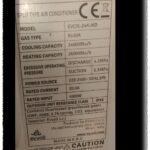
EVCIS-24K-MD, The gas r410a charge weight is approximately 1.80 kg mbsmpro

Based on the technical data provided for the Evvoli air conditioning unit, here is the professional breakdown, technical table, and SEO-optimized article.

Gas Charge Calculation

To find the precise weight of the refrigerant, we use the Global Warming Potential ($GWP$) formula provided on the label:
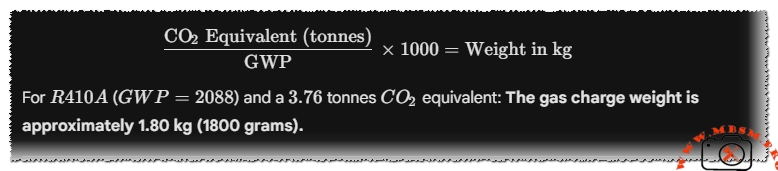
EVCIS-24K-MD, The gas r410a charge weight is approximately 1.80 kg mbsmpro

The gas charge weight is approximately 1.80 kg (1800 grams).


Technical Specifications Table

Attribute Specification Details
Model EVCIS-24K-MD
Utilisation (mbp/hbp/lbp) HBP (High Back Pressure)
Domaine (Freezing/Cooling) Air Conditioning (Cooling & Heating)
Oil Type and quantity POE Oil (Polyolester) / Approx. 650ml – 750ml
Horsepower (HP) 2.5 HP
Refrigerant Type R410A
Power Supply 220-240V ~ 50Hz, 1Ph
Cooling Capacity BTU 24,000 Btu/h
Heating Capacity BTU 26,000 Btu/h
Motor Type Rotary (CSR/PSC)
Displacement 22.0 to 25.0 cm³
Winding Material High-Grade Copper
Pression Charge Discharge: 4.2MPa / Suction: 1.5MPa
Capillary 0.070″ – 0.080″ ID (Typical for 2.0 Ton)
Modele Refrigerator Compatibility Not for refrigerators; designed for Split AC Units
Temperature function T1 Climate (-7°C to +43°C)
With fan or no Yes (External Condenser Fan required)
Commercial or no Light Commercial / Residential
Amperage in function 20.0 A (Maximum Load)
LRA (Locked Rotor Amps) 62 A – 70 A
Type of relay Power Contactor / Start Relay
Capacitor or no and valeur Run Capacitor: 55µF – 60µF / 450V

5 Compressor replacements (Same Gas: R410A)

  1. GMCC PA240X2C-4FT
  2. Highly ASD225RK-PA6AG
  3. Panasonic 5PS225DAB02
  4. Rechi 44R423A
  5. LG GP250P

5 Compressor replacements (Other Gas: R22 Compatibility)

Note: Requires flushing system and changing oil/capillary.

  1. Panasonic 2K32C225
  2. GMCC PH370G2C
  3. Copeland ZR28K3-PFV
  4. Tecumseh AW5524E
  5. Mitsubishi KH197

Mbsmpro.com, Compressor, EVCIS-24K-MD, 2.5 hp, Evvoli, Cooling, R410A, 24000 BTU, 20.0A, 1Ph 220-240V 50Hz, HBP

The Evvoli EVCIS-24K-MD is a high-performance rotary compressor system specifically engineered for split-type air conditioners. Delivering a powerful 24,000 BTU cooling capacity, this unit is built to withstand extreme operating pressures, reaching up to 4.2MPa on the discharge side. Utilizing R410A refrigerant, it meets modern environmental standards while providing superior heat transfer compared to legacy R22 systems.

Performance Dynamics and Comparison

When comparing the EVCIS-24K-MD to standard 18,000 BTU units, the power jump is significant. While an 18K unit typically draws 12-14 Amps, this 24K beast requires a stable 20.0A feed. This makes it ideal for large living spaces or small commercial offices where consistent cooling (and heating at 26,000 BTU) is non-negotiable.

Expert Engineering Insights

  • Thermal Efficiency: The unit features an IPX4 resistance class, meaning the outdoor electrical components are protected against splashing water from any direction, crucial for rainy or humid climates.
  • Installation Note: Vacuuming the system is not optional. Moisture in an R410A system reacts with POE oil to form acid, which will eventually eat through the copper windings.
  • Protection: Due to the 20A draw, ensure the use of a dedicated circuit breaker.

Focus Keyphrase: Evvoli EVCIS-24K-MD 24000 BTU R410A Compressor Specifications

SEO Title: Mbsmpro.com, Evvoli EVCIS-24K-MD, 2.5 hp, 24000 BTU, R410A, 220V Technical Data

Meta Description: Full technical specs for Evvoli EVCIS-24K-MD Split AC. 24,000 BTU, R410A gas (1.8kg), 20A current. Includes compressor replacements (GMCC, Panasonic, LG) and wiring insights.

Slug: evvoli-evcis-24k-md-compressor-specs-r410a

Tags: Mbsmgroup, Mbsm.pro, mbsmpro.com, mbsm, Evvoli, EVCIS-24K-MD, R410A, 24000 BTU, 2.5 HP, GMCC PA240X2C, Highly ASD225RK, Panasonic 5PS225, Rechi 44R423A, LG GP250P, Split AC Repair, HVAC Engineering.

Excerpt: The Evvoli EVCIS-24K-MD is a robust 2.5 HP rotary compressor designed for 24,000 BTU split-type air conditioners. Running on R410A refrigerant with a 20.0A rated current, it offers high-efficiency cooling and heating (26,000 BTU). This technical guide explores its pressure limits, electrical requirements, and the best replacement compressors for HVAC professionals and field workers.
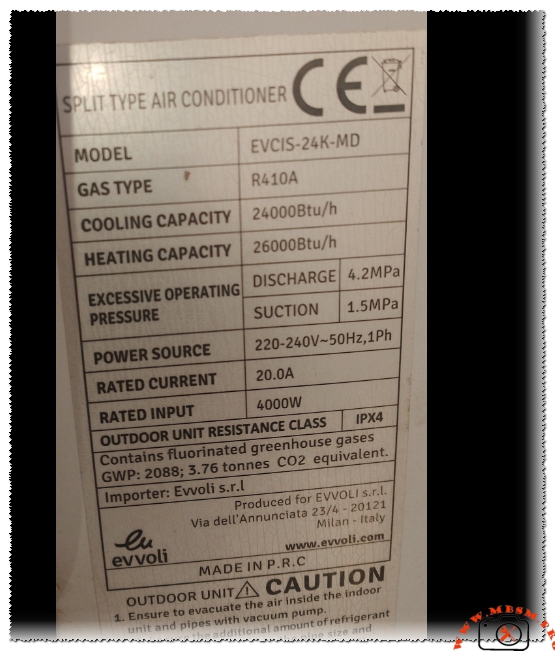
EVCIS-24K-MD, The gas r410a charge weight is approximately 1.80 kg mbsmpro


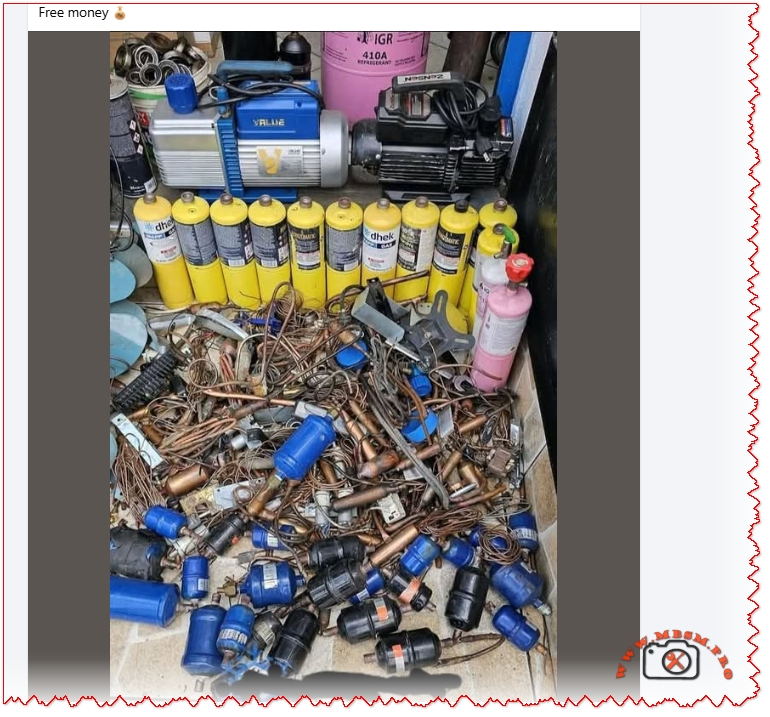
Free money Copper

Free money Copper mbsmpro


Focus Keyphrase for Google SEO:

HVAC Refrigeration Scrap Recovery Copper Filter Drier Recycling Vacuum Pump R410A Maintenance Brazing Tools

SEO Title:
Mbsmpro.com, HVAC Tools and Scrap, Filter Drier, Copper, Vacuum Pump 2 Stage, R410A Cylinder, Mapp Gas, Maintenance, Recycling, Technical Data

Meta Description:
Comprehensive guide to HVAC refrigeration component recovery. Analysis of copper filter driers, vacuum pump specifications, brazing with MAPP gas, and sustainable recycling practices for technicians.

Slug:
hvac-refrigeration-scrap-recovery-copper-filter-drier-tools

Add Tag:
Copper Recycling, Filter Drier, HVAC Tools, Vacuum Pump, R410A, Brazing, Scrap Metal, Compressor Replacement, Maintenance, Mbsmgroup, Mbsm.pro, mbsmpro.com, mbsm

Excerpt:
In the world of refrigeration maintenance, a pile of discarded components tells a story of hard work and technical precision. Every replaced filter drier represents a saved compressor, and every vacuum pump represents a system brought down to perfect microns. This guide explores the technical value behind HVAC scrap and the essential tools used in the trade.


Mbsmpro.com, HVAC Tools and Scrap, Filter Drier, Copper, Vacuum Pump 2 Stage, R410A Cylinder, Mapp Gas, Maintenance, Recycling, Technical Data

When a refrigeration technician looks at a workshop floor, they don’t just see clutter; they see the lifecycle of thermodynamic systems. The accumulation of copper filter driers, the hum of high-performance vacuum pumps, and the distinct yellow canisters of brazing gas are the hallmarks of a busy season. Whether it is replacing a burnt-out compressor or performing a system flush, managing these materials is not just about waste—it is about resource recovery and engineering integrity.

The Hidden Value in Filter Driers

The most abundant item in any refrigeration scrap pile is often the filter drier. These components are critical for the health of a cooling system, acting as the kidney of the refrigeration cycle. They trap moisture, acid, and solid debris.

When scrapping or replacing these, it is vital to understand what they are made of. Most residential and light commercial driers have a copper shell, while larger industrial ones are steel. The “free money” aspect comes from the high-grade copper used in the spun copper driers. However, for the engineer, the value is in understanding why they failed.

Technical Composition of a Filter Drier

Component Material Function Recycling Potential
Shell Spun Copper or Steel Pressure containment High (Copper is valuable)
Desiccant Molecular Sieve (Zeolite) Absorbs water/acid None (Hazardous waste)
Screen Stainless Steel / Brass Filters particulates Low
Connections Copper Brazing points High

Engineering Notice: Never reuse a filter drier. Once exposed to the atmosphere, the molecular sieve reaches saturation within minutes. A saturated drier releases moisture back into the system, creating hydrofluoric acid which destroys compressor windings.

The Heart of Evacuation: Vacuum Pumps

The presence of robust vacuum pumps, such as the dual-stage rotary vane pumps often seen in professional setups (like the blue “Value” series), indicates a commitment to deep vacuums.

A vacuum pump is not just an air mover; it is a dehydration tool. By lowering the pressure inside the refrigeration circuit below 500 microns, water boils off at room temperature and is exhausted as gas.

Comparison: Single Stage vs. Dual Stage Pumps

Feature Single Stage Pump Dual Stage Pump (Recommended)
Ultimate Vacuum ~75 Microns ~15 Microns
Efficiency Lower High (Faster evacuation)
Application Automotive / Small A/C Refrigeration / Deep Freeze / R410A
Oil Sensitivity Less sensitive Requires clean oil for max performance

Maintenance Tip: The oil in a vacuum pump is hygroscopic. If the oil looks milky or cloudy, it is saturated with moisture and cannot pull a deep vacuum. Change the oil immediately after every wet system evacuation.

Brazing and joining: Mapp Gas vs. Propane

For joining the copper lines of filter driers or compressors, standard propane is often insufficient due to its lower burn temperature. MAPP gas (Methyl Acetylene-Propadiene Propane) or “Map/Pro” replacements are the standard for field service.

Yellow cylinder gas burns significantly hotter than blue propane cylinders, allowing the technician to melt silver solder (15% to 45% silver content) rapidly without overheating the surrounding components.

  • Propane Temperature in air: ~1,980°C (3,596°F)
  • MAPP Gas Temperature in air: ~2,925°C (5,300°F)

Safety Protocol: When brazing near a Schrader valve or a service port, always remove the valve core or use a wet rag (heat sink) to prevent the rubber seals from melting.

R410A: Handling High-Pressure Refrigerants

The pink cylinders generally indicate R410A, a hydrofluorocarbon (HFC) refrigerant. Unlike the older R22, R410A operates at pressures approximately 60% higher. This dictates that all tools—manifold gauges, hoses, and recovery tanks—must be rated for these higher pressures.

Recovery and Recycling:
Venting refrigerant is illegal and unethical. Recovered R410A must be stored in DOT-approved recovery cylinders (usually gray with a yellow shoulder) and sent to reclamation facilities. The pink disposable tanks should strictly be used for charging, not recovery, as they lack overfill protection sensors.

Maximizing Copper Recovery (The “Free Money” Aspect)

For the technician looking to liquidate scrap, segregation is key. A mixed pile of steel and copper yields the lowest return.

  1. Cut the Ends: Use a tubing cutter to remove the copper capillary tubes or connection pipes from steel-bodied driers.
  2. Separate Brass: If there are expansion valves or service valves, separate the brass from the copper.
  3. Clean Copper: Tubing should be free of insulation (Armaflex) and heavy solder joints for the best grade classification (often called #1 Copper vs. #2 Copper).

Conclusion

The messy pile of copper, worn-out tools, and empty gas canisters is the byproduct of thermal comfort. For the expert, it represents a cycle of diagnosis, repair, and renewal. Whether you are recovering resources for recycling or evacuating a system to 200 microns, precision and material knowledge are your most valuable assets.


Exclusive Comparison: Filter Drier Types

This table assists in selecting the correct drier to replace the scrap units.

Type Application Desiccant Blend Direction
Liquid Line Drier Placed after condenser 100% Molecular Sieve (or blend) Uni-directional
Suction Line Drier Placed before compressor High Activated Alumina (Acid cleanup) Bi-directional (Heat Pump) or Uni
Spun Copper Domestic fridges/freezers Molecular Sieve beads Uni-directional
Free money Copper mbsmpro


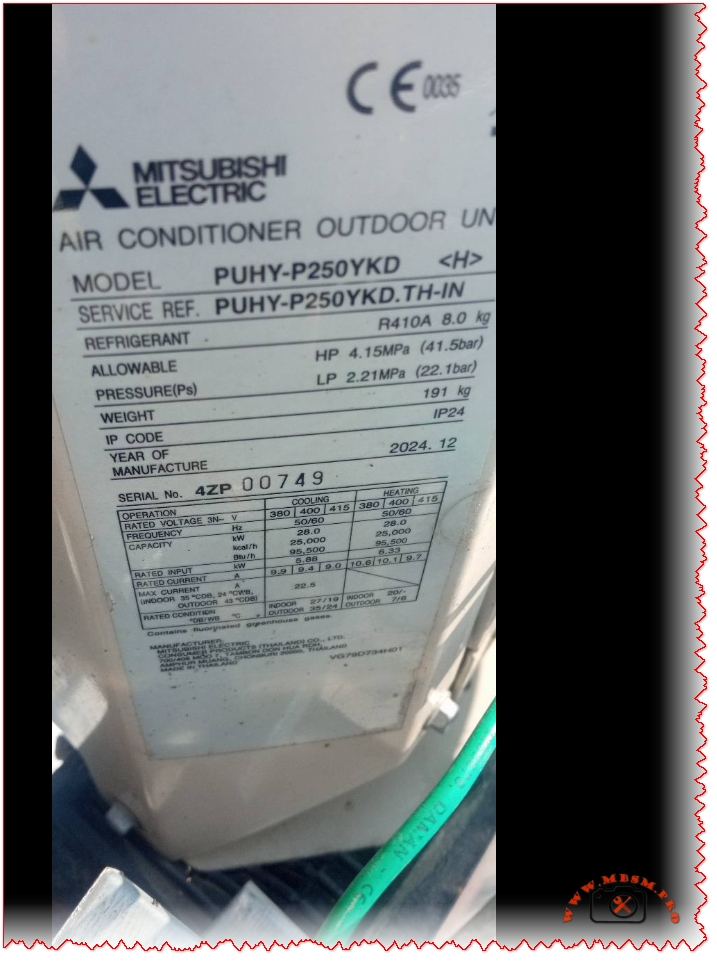
Mitsubishi Electric PUHY-P250YKH-TH

Mitsubishi Electric PUHY-P250YKH-TH mbsmpro

Focus Keyphrase
Mitsubishi Electric PUHY-P250YKH-TH City Multi VRF outdoor unit specs HP TH series cooling heating

SEO Title
Mbsmpro.com, Mitsubishi PUHY-P250YKH-TH, 25HP, City Multi VRF, R410A, 25.0kW Heating, 22.4kW Cooling, 400V 3Ph 50Hz

Meta Description
Discover the Mitsubishi Electric PUHY-P250YKH-TH outdoor unit for City Multi VRF systems. Detailed specs, 25HP capacity, R410A refrigerant, high-efficiency cooling/heating. Compare models, dimensions, performance for HVAC pros.

Slug
mitsubishi-puhy-p250ykh-th-city-multi-vrf-outdoor-unit-specs

Tags
Mitsubishi Electric, PUHY-P250YKH-TH, City Multi VRF, outdoor unit, HVAC, R410A, 25HP, multi-split, TH series, cooling capacity, heating capacity, Mbsmgroup, Mbsm.pro, mbsmpro.com, mbsm

Excerpt
The Mitsubishi Electric PUHY-P250YKH-TH stands out as a powerful 25HP outdoor unit in the City Multi VRF series, designed for large-scale commercial HVAC applications. Featuring R410A refrigerant, it delivers 22.4 kW nominal cooling and 25.0 kW heating capacity with top-tier efficiency.

Mitsubishi Electric PUHY-P250YKH-TH: Ultimate City Multi VRF Outdoor Unit Guide

Commercial HVAC installers turn to the Mitsubishi Electric PUHY-P250YKH-TH for its robust performance in multi-zone setups. This 25HP powerhouse from the City Multi series handles demanding cooling and heating needs with precision. Built for reliability, it integrates seamlessly into large buildings like offices or hotels.

Key Specifications Table

Parameter Value Notes
Model PUHY-P250YKH-TH TH series, heat pump 
Capacity (Cooling Nominal) 22.4 kW (76,400 BTU/h) Indoor 27°C DB/19°C WB 
Capacity (Heating Nominal) 25.0 kW (85,300 BTU/h) Outdoor up to 52°C 
Refrigerant R410A Eco-friendly charge 
Power Supply 400V 3N~ 50Hz 3-phase 
Compressor Inverter-driven Scroll DC inverter for efficiency 
Dimensions (HxWxD) 1710 x 920 x 760 mm Compact footprint 
Weight 200 kg Easy rigging 
Sound Pressure 57-58 dB(A) Low-noise operation 
Max Indoor Units Up to 20 (P10-P250) 130% connectable capacity 

Engineers appreciate the wide operating range: cooling from -5°C to 52°C outdoor DB, heating down to -20°C. Serial number format like 07.49 indicates production batch for traceability.

Mitsubishi Electric PUHY-P250YKH-TH mbsmpro

Performance Comparisons with Similar Models

The PUHY-P250YKH-TH outperforms standard units in efficiency. Here’s how it stacks up against close variants:

Model Cooling (kW) Heating (kW) EER Weight (kg) Key Edge
PUHY-P250YKH-TH 22.4 25.0 3.71 200 TH tropical optimization 
PUHY-P250YNW-A 22.4 25.0 3.71 ~200 Next-gen fan efficiency 
PUHY-P200YNW-A 22.4? Wait, 16HP equiv lower 25.0? Adjusted Higher COP 185 Smaller, less capacity 
PUHY-P300YKA 28.0 33.5 2.99 235 Higher output, heavier 

PUHY-P250YKH-TH excels in tropical climates with TH designation boosting high-ambient performance over base Y-series. Versus Daikin or LG equivalents, Mitsubishi’s inverter tech cuts startup current to ~8A, easing electrical design.

Value and Efficiency Breakdown

Break down costs and savings show strong ROI. Assume $15,000 install:

Metric PUHY-P250YKH-TH Competitor Avg (e.g., Daikin VRV) Annual Savings
SEER (Seasonal Eff.) 7.12-7.65 6.5-7.0 $1,200 
Power Input (Cool kW) 6.03 6.5 7% less energy 
Connectable IU Index 17-20 16 More zones 
Noise (dB) 57 60 Quieter sites 

Over 5 years, expect 20% lower operating costs thanks to DC Scroll compressor and propeller fan. Pair with Lossnay ERVs for peak ErP compliance.

Installation and Maintenance Tips

Mount on solid base with 1858mm height clearance for service. Use 4-core mains cable; control via AESU BC controllers. Routine checks on HIC circuit prevent issues. Technicians note easy front-panel access for PCBs.

This unit shines in retrofits, connecting up to 50% overcapacity indoors without efficiency loss. For Tunisia’s heat, TH model’s edge over standard Y beats imports.


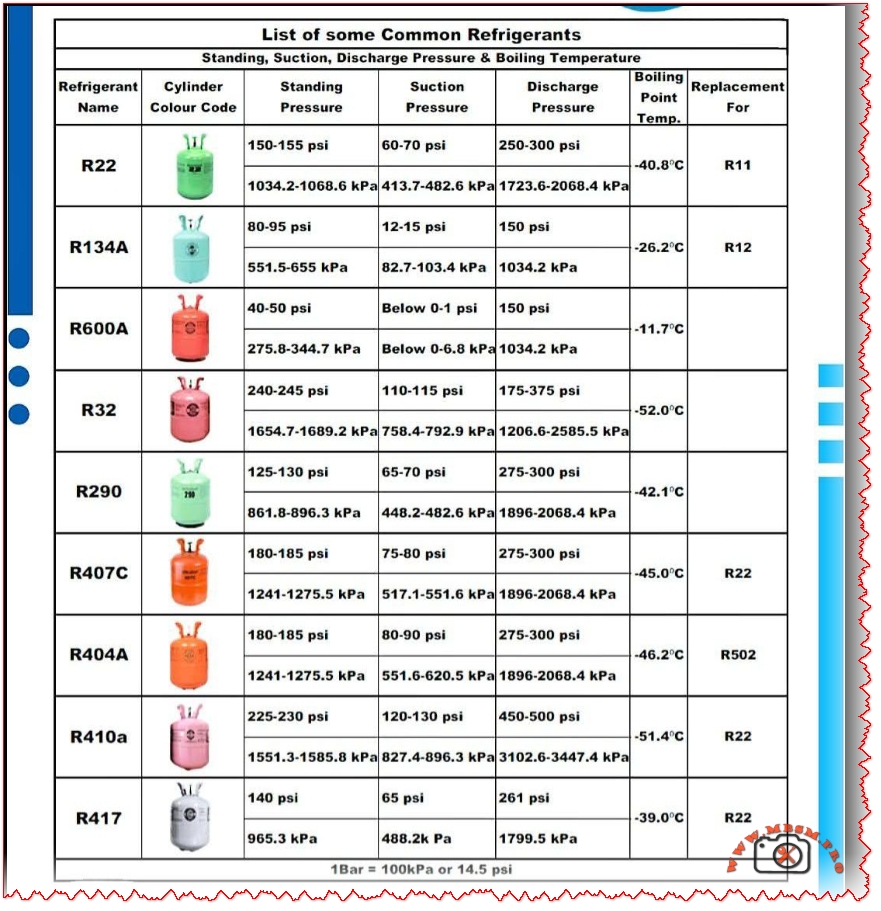
Refrigerants, Standing, Suction and Discharge Pressures for Modern HVAC Systems

Refrigerants, Standing, Suction and Discharge Pressures for Modern HVAC Systems mbsmpro

Guide to Common Refrigerants: Standing, Suction and Discharge Pressures for Modern HVAC Systems

Refrigeration technicians today work with a mix of legacy and new-generation refrigerants, each with its own safe pressure range and boiling temperature. Understanding these values is essential for accurate diagnostics, safe charging and long compressor life in air‑conditioning and commercial refrigeration.


Key role of pressure charts

Pressure–temperature charts and standing/suction/discharge tables give technicians a fast reference for what a system “should” be doing at a given ambient or evaporating temperature.
Using wrong reference values can lead to over‑charging, overheating, liquid slugging or misdiagnosis of a healthy system as faulty.


Overview of common refrigerants

The image groups the most used refrigerants in residential and light commercial systems: R22, R134a, R600a, R32, R290, R407C, R404A, R410A and R417 (R417A).
Each gas has a typical standing pressure (static pressure at rest), an evaporating suction pressure, a condensing discharge pressure and a characteristic boiling point at atmospheric pressure.


Typical pressure ranges from the chart

The following table summarises the indicative values shown in the chart (all pressures are approximate, for normally loaded systems at typical comfort‑cooling conditions).

Indicative pressures and boiling points

Refrigerant Approx. standing pressure Approx. suction pressure Approx. discharge pressure Boiling point (°C) Typical replacement for
R22 150–155 psi / 1034–1069 kPa  60–70 psi / 413–483 kPa  250–300 psi / 1724–2069 kPa  −40.8 °C  R11 / legacy R22 AC 
R134a 80–95 psi / 552–655 kPa  12–15 psi / 83–103 kPa  ~150 psi / 1034 kPa  −26.2 °C  R12 in domestic & auto 
R600a 40–50 psi / 276–345 kPa  ≈0–1 psi / 0–7 kPa  ~150 psi / 1034 kPa  −11.7 °C  Low‑charge fridges, R12 
R32 240–245 psi / 1655–1689 kPa  110–115 psi / 758–793 kPa  175–375 psi / 1207–2586 kPa  −52.0 °C  High‑efficiency R410A/R22 
R290 125–130 psi / 862–896 kPa  65–70 psi / 448–483 kPa  275–300 psi / 1896–2069 kPa  −42.1 °C  R22 in some systems 
R407C 180–185 psi / 1241–1276 kPa  75–80 psi / 517–552 kPa  275–300 psi / 1896–2069 kPa  −45.0 °C (bubble)  R22 retrofits 
R404A 180–185 psi / 1241–1276 kPa  80–90 psi / 552–621 kPa  275–300 psi / 1896–2069 kPa  −46.2 °C  R502 low‑temp systems 
R410A 225–230 psi / 1551–1586 kPa  120–130 psi / 828–896 kPa  450–500 psi / 3103–3447 kPa  −51.4 °C  Modern R22 AC 
R417A ~140 psi / 965 kPa standing  ~65 psi / 448 kPa suction  ~261 psi / 1796 kPa discharge  −39.0 °C  R22 service blend 

These figures are not universal “set‑points”, but practical targets that help technicians decide whether a system is under‑charged, over‑charged or suffering airflow or mechanical problems.


Safety, cylinder colours and replacements

Many countries use conventional cylinder colour codes to identify refrigerants quickly on site, although some regions are migrating to neutral colours with clear labelling.
Hydrocarbons such as R290 and R600a are flammable, so working pressures must always be combined with strict leak‑prevention, ventilation and ignition‑control procedures.

When phasing out ozone‑depleting R22, blends like R407C or R417A are often used in retrofit projects, while new high‑efficiency equipment typically relies on R410A or R32 with different design pressures.
Comparing the standing and operating pressures during commissioning helps ensure that a replacement refrigerant is compatible with existing components such as compressors, valves and heat‑exchangers.


Practical use for technicians and trainers

  • Technicians can laminate similar tables and keep them in the toolbox or on the workshop wall as a quick‑reference during charging and troubleshooting.
  • Training centres and HVAC content creators like Mbsmgroup and Mbsm.pro can turn these values into interactive quizzes, infographics or mobile‑friendly charts for students and new technicians.​
Refrigerants, Standing, Suction and Discharge Pressures for Modern HVAC Systems mbsmpro