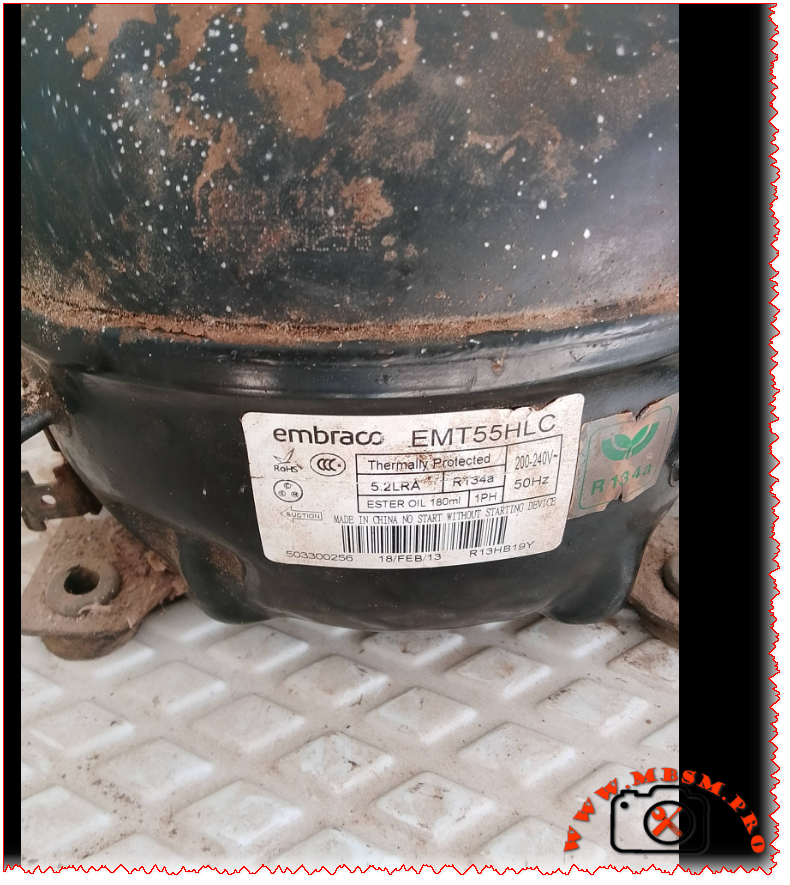
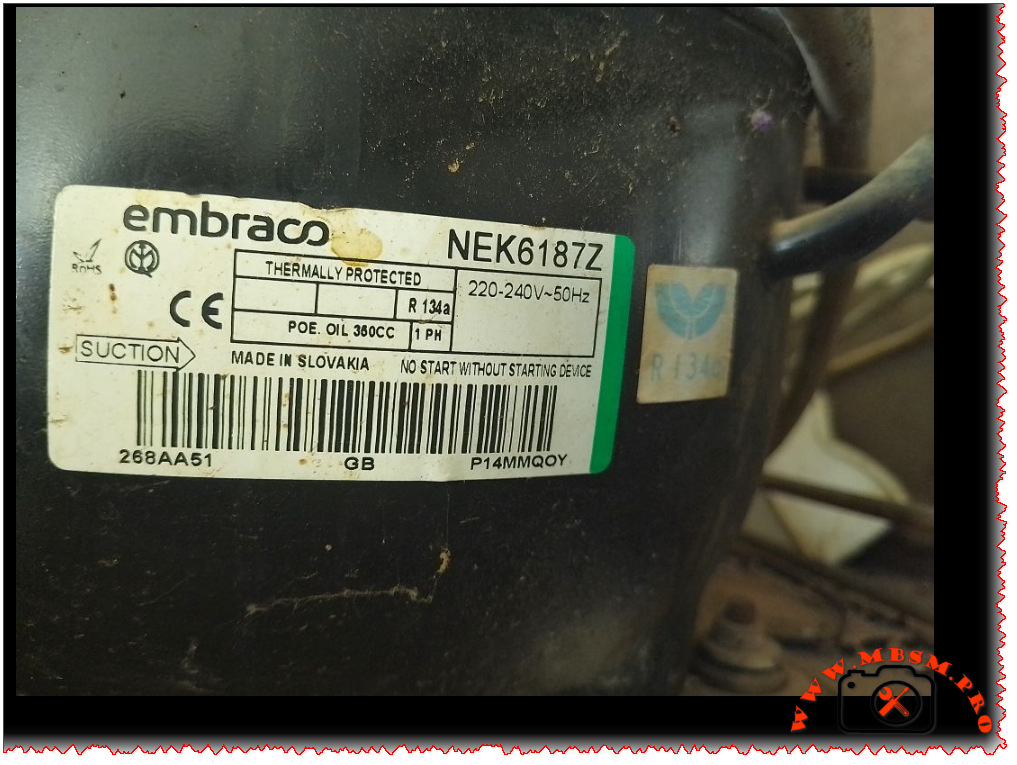
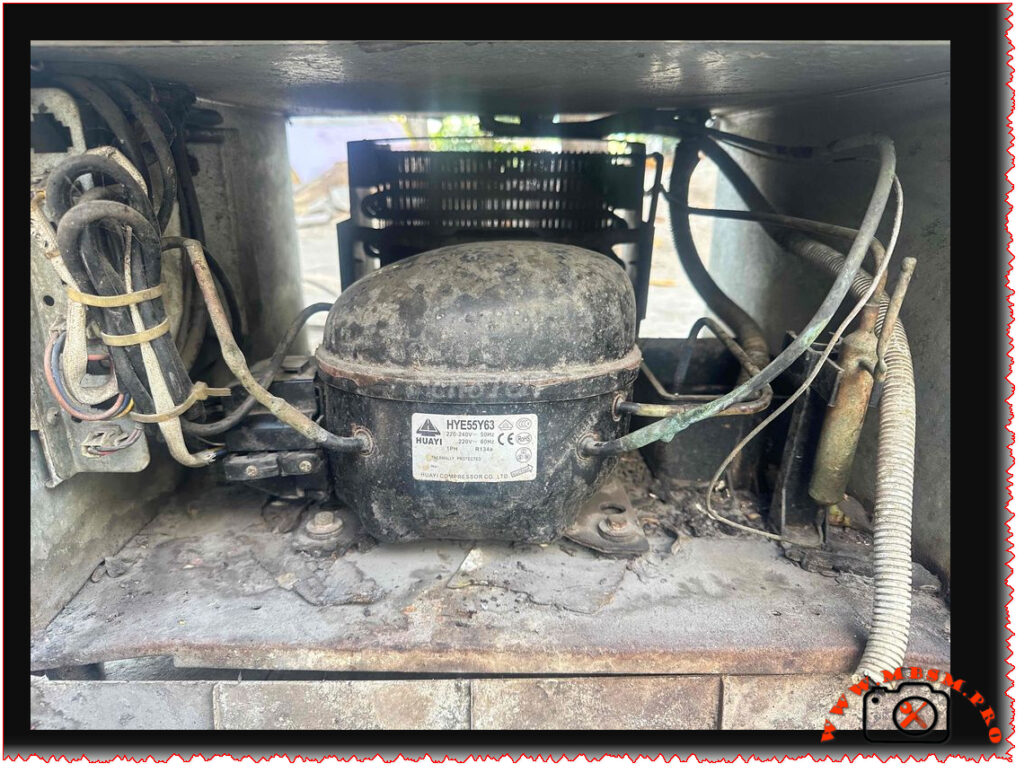
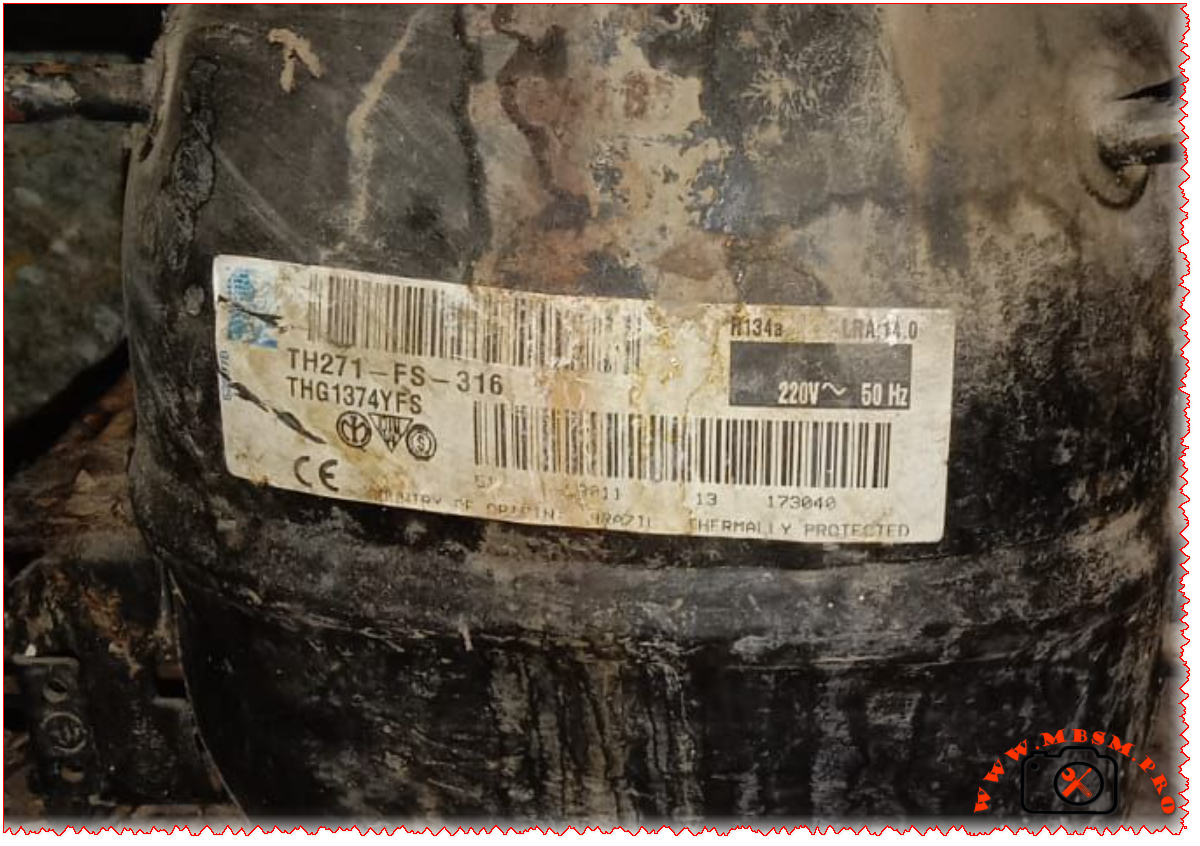
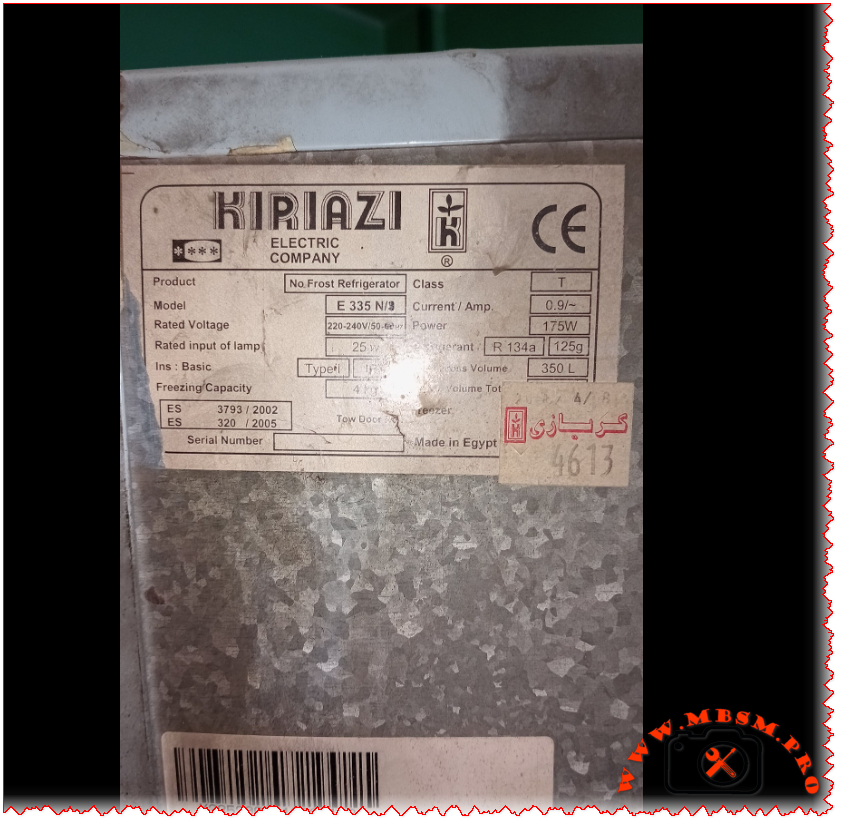
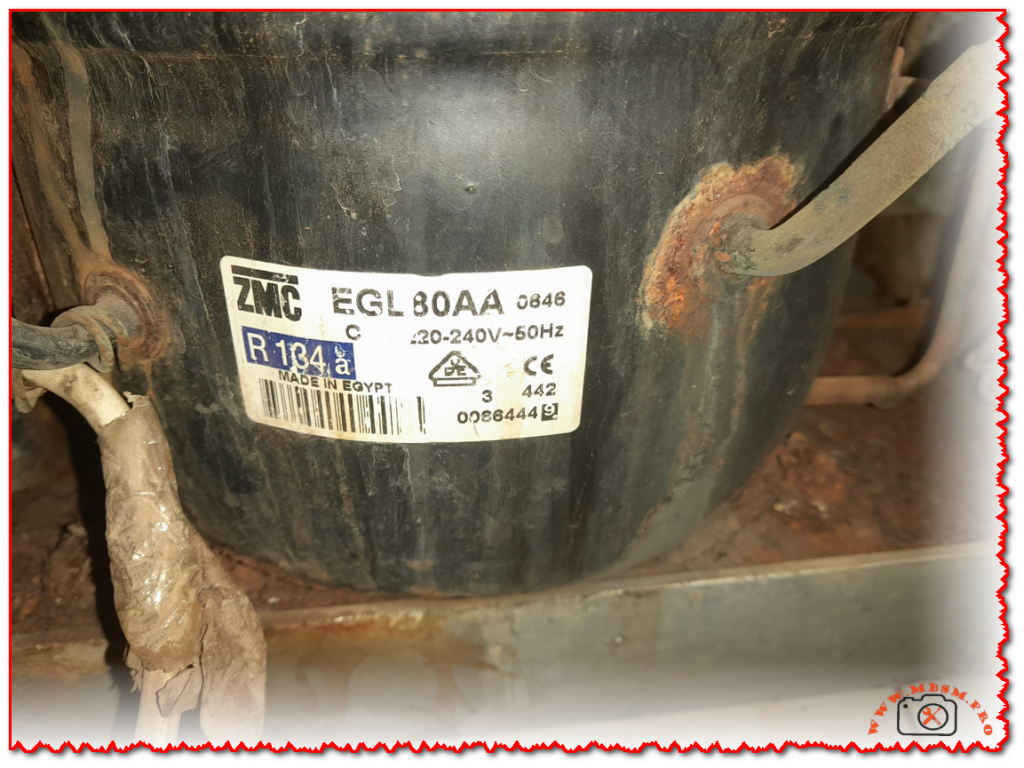
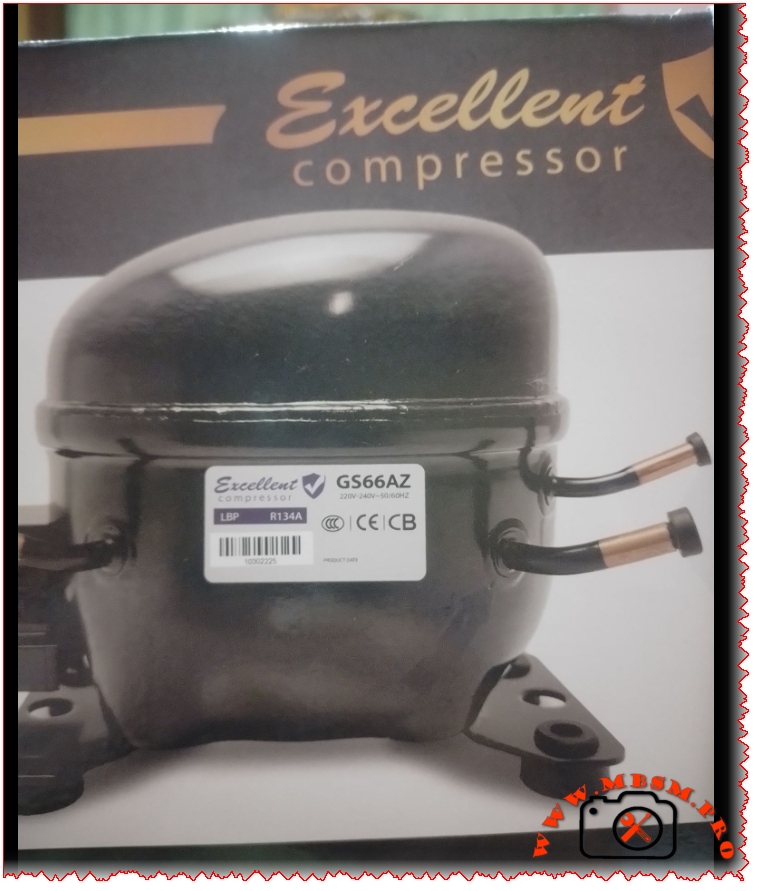
Embraco EM2Z 80HL.C compressor requires approximately 150 ml Oil

Embraco EM2Z 80HL.C compressor requires approximately 150 ml Oil mbsmpro

The Embraco EM2Z 80HL.C compressor requires approximately 150 ml (5.07 fl. oz.) of oil. The correct oil type is Polyolester (POE) with a viscosity of ISO 10, designed for use with R134a refrigerant.


Mbsmpro.com, Compressor, Embraco, EM2Z 80HL.C, 1/4 hp, R134a, 220-240V, 50Hz, LBP, 150ml Oil, Made in Brazil

Embraco EM2Z 80HL.C compressor requires approximately 150 ml Oil mbsmpro

Focus Keyphrase:
Embraco EM2Z 80HL.C Compressor R134a

SEO Title:
Mbsmpro.com | Embraco EM2Z 80HL.C Compressor Datasheet | 1/4 HP R134a

Slug:
mbsmpro-com-compressor-embraco-em2z-80hl-c-1-4-hp-r134a-oil-quantity

Meta Description:
Discover detailed specifications for the Embraco EM2Z 80HL.C compressor. 1/4 HP, R134a, 220-240V 50Hz, LBP with 150ml POE oil capacity. Comprehensive technical analysis and comparisons on Mbsmpro.com.

Excerpt:
The Embraco EM2Z 80HL.C is a robust hermetic reciprocating compressor engineered for refrigeration efficiency. Featuring a 1/4 HP motor and optimized for R134a refrigerant, this Brazilian-made unit delivers reliable Low Back Pressure (LBP) performance. This guide details its 150ml oil charge, electrical specs, and competitive advantages for technicians.


The Engineering Standard: Embraco EM2Z 80HL.C Technical Analysis

In the demanding world of commercial and domestic refrigeration, the Embraco EM2Z 80HL.C stands out as a reliable workhorse. Manufactured in Brazil, this hermetic reciprocating compressor is designed to meet the rigorous standards of modern cooling appliances. As refrigeration technicians seek precise data for repairs and replacements, understanding the core specifications of the EM2Z series becomes paramount for ensuring system longevity and efficiency.

This unit is specifically calibrated for Low Back Pressure (LBP) applications, making it an ideal choice for freezers, refrigerators, and display cabinets that require consistent temperature maintenance between -35°C and -10°C.

Detailed Technical Specifications

The EM2Z 80HL.C utilizes a high-efficiency motor configuration compatible with 220-240V at 50Hz power sources. Its internal architecture balances displacement with energy consumption, offering a streamlined solution for 1/4 HP refrigeration circuits.

Specification Category Technical Data
Brand Embraco (Nidec)
Model EM2Z 80HL.C
Refrigerant R134a (Tetrafluoroethane)
Displacement 6.76 cm³ (approx.)
Horsepower (HP) 1/4 HP (Light) / 1/5 HP (Heavy)
Voltage/Frequency 220-240V ~ 50Hz
Application LBP (Low Back Pressure)
Evaporating Range -35°C to -10°C (-31°F to 14°F)
Motor Type RSIR / RSCR (Check Starting Device)
Locked Rotor Amps (LRA) 5.32 A
Oil Charge Quantity 150 ml (5.07 fl. oz.)
Oil Type Ester (POE) ISO 10
Expansion Device Capillary Tube
Cooling Capacity ~170 – 190 Watts (ASHRAE LBP)
Origin Made in Brazil

Critical Lubrication Guidelines

One of the most frequent inquiries regarding the EM2Z 80HL.C involves its lubrication requirements. This compressor is factory-charged with 150 ml of Polyolester (POE) oil.

Technicians must strictly adhere to this quantity and oil type. R134a refrigerant requires POE oil due to its chemical miscibility properties. Using mineral oil or alkylbenzene will result in system failure, as these oils do not transport correctly with HFC refrigerants, leading to oil logging in the evaporator and eventual compressor seizure. The ISO 10 viscosity rating ensures the lubricant remains fluid enough to return to the compressor even at low evaporating temperatures.

Comparative Market Analysis

When evaluating the Embraco EM2Z 80HL.C, it is useful to compare it against similar compressors in the 1/4 HP, R134a LBP category. The table below highlights how it stacks up against competitors from Secop (Danfoss) and Tecumseh.

Feature Embraco EM2Z 80HL.C Secop (Danfoss) TL5G Tecumseh THG1365Y
Nominal HP 1/5+ to 1/4 HP 1/6+ to 1/5 HP 1/5 HP
Displacement 6.76 cm³ 5.08 cm³ 5.90 cm³
Voltage 220-240V 50Hz 220-240V 50Hz 220-240V 50Hz
Efficiency (COP) High Standard Standard
Motor Tech RSIR/RSCR RSIR/CSIR PTCS_CR
Oil Type POE ISO 10 POE POE

Note: The EM2Z 80HL.C often provides a slightly higher displacement than standard “light” 1/5 HP models, bridging the gap toward a full 1/4 HP performance.

Installation and Service Best Practices

For optimal performance, the EM2Z 80HL.C should be installed with a clean, moisture-free system. The POE oil is highly hygroscopic (absorbs moisture), so the compressor plugs should only be removed immediately before brazing.

  1. Vacuum Deeply: Ensure the system is evacuated to at least 500 microns to remove all moisture that could react with the POE oil.
  2. Starting Device: This model explicitly states “No Start Without Starting Device.” Ensure the original relay and overload protector (or approved replacements) are used to prevent winding damage.
  3. Condenser Airflow: As a static or fan-cooled unit, ensure the condenser is free of dust to maintain the head pressure within design limits, preserving the relatively small 5.32 LRA motor from thermal stress.

Tags:
Mbsmgroup, Mbsm.pro, mbsmpro.com, mbsm, Embraco, EM2Z 80HL.C, Compressor Oil Capacity, R134a Compressor, Refrigerator Repair, HVAC Technician, Compressor Datasheet, POE Oil, 1/4 HP Compressor, Made in Brazil, 220V 50Hz


Danfoss Compressor HP Chart – TFS, FR, SC Model Reference

Mbmpro-2026-01-04_150431 mbsmpro

Danfoss Compressor Model Code Chart: Quick Reference Guide for HP, Watts & Amps

Mbsmpro.com, Compressor HP Code Chart, TFS 4 AT to SC 18B, 1/8–5/8 hp, Danfoss/Secop, R134a R404A, 100–470 W, 220‑240V 50Hz, LBP MBP HBP, RSIR CSIR, Selection Guide

When a refrigerator or freezer arrives at the workshop with a worn nameplate or faded sticker, identifying the compressor becomes a guessing game. The Danfoss and Secop hermetic compressor model codes—such as TFS 4 AT, FR 8.5A, or SC 18B—tell you exactly what you’re dealing with if you know how to read them. This chart breaks down those cryptic codes into simple horsepower, watt consumption, and amp ratings so you can diagnose problems, choose the right replacement, or estimate expected power draw in seconds.


What the Model Code Actually Tells You

Every Danfoss and Secop compressor code hides three critical pieces of information that technicians need daily: the horsepower class (from 1/8 hp to 5/8 hp for small units), the power consumption in watts, and the running current in amperes. These values come straight from standardized testing under EN12900 conditions, though real-world consumption will shift with ambient temperature, refrigerant charge level, and how often the thermostat cycles the compressor on and off.

Understanding these numbers transforms a worn-out compressor into useful data. You stop guessing and start troubleshooting with confidence. If your clamp meter shows 2.8 amps but the chart says the model should draw 1.2 amps, something is wrong—perhaps the compressor is flooded with liquid refrigerant, the motor is failing, or the system is simply overcharged.


Breaking Down the Compressor Code Chart

Model No HP Code Typical Watt Input Approx. Running Current (A) Primary Application
TFS 4 AT 1/8 hp ≈100 W ≈0.9 A Very small fridges, desktop coolers, R134a LBP
TFS 5 AT 1/6 hp ≈120 W ≈1.05 A Small bar fridges, display cabinets, LBP/MBP
FR 7.5 A 1/4 hp ≈130 W ≈1.05 A Efficient domestic fridges, R134a LBP systems
FR 8.5 A 1/5 hp ≈155 W ≈1.20 A Universal workhorse, LBP/MBP/HBP duty, R134a or R404A
FR 10 A 1/3 hp ≈170 W ≈1.30 A Larger fridges, small freezers, −30 °C evaporating
FR 11 A 3/8 hp ≈185 W ≈1.30 A Chest freezers, double-door refrigerators, commercial use
FR 6 B 1/8 hp ≈100 W ≈0.9 A Direct replacement for vintage FR6 models
FR 7.5 B 1/6 hp ≈135 W ≈1.05 A Mid-range domestic refrigerators, cooling cabinets
FR 8.5 B 1/4 hp ≈155 W ≈1.20 A Industry standard, found in thousands of appliances, all duty types
FR 11 B 1/3 hp ≈205 W ≈1.35 A Upright freezers, glass-door merchandisers, commercial cabinets
SC 12 A 1/2 hp ≈250 W ≈2.0 A Chest freezers, small cool rooms, MBP/HBP
SC 13 A 1/2 hp ≈250 W ≈2.0 A Heavier-duty SC12 replacement, upgraded cooling
SC 15 A 1/2 hp ≈315 W ≈3.0 A Larger merchandisers, cool rooms, all duty types
SC 18 A 5/8 hp ≈385 W ≈2.5 A Medium-size ice cream freezers, cold storage rooms
SC 18 B 5/8 hp ≈470 W ≈4.2 A Heavy-duty cooling, large cold rooms, demanding LBP/MBP/HBP applications

These figures are approximate starting points. Always download the official Danfoss or Secop technical datasheet for your exact model and refrigerant version before making critical decisions about compressor sizing, capillary tube replacement, or system overhaul.


The Three Compressor Families: TL, FR, and SC Explained

Not all small Danfoss hermetic compressors work the same way. Three distinct product families dominate the market, each optimized for different cooling loads and cabinet types. Swapping between families without understanding their differences can cause short cycling, liquid floodback, high starting current, or simply insufficient cooling.

Family Popular Models Watt Range Best For Key Advantages
TL Series TL4G, TL5G 80–160 W Domestic fridges, beverage coolers, quiet operation Compact, low noise, modest starting current, R134a optimized
FR Series FR8.5G, FR8.5CL, FR10A 150–300 W Small freezers, light commercial, flexible duty Universal workhorse, handles LBP/MBP/HBP, wide evaporating window (−30 °C to +10 °C), multiple refrigerants (R134a, R404A, R507)
SC Series SC18G, SC18B, SC21G 280–470+ W Heavy-duty freezers, cold rooms, demanding loads Higher displacement, cooling capacity up to ~1950 W at some points, suited for commercial-grade duty cycles

The practical lesson: A TL4G and an SC18B both carry a Danfoss nameplate, but they’re worlds apart in displacement, starting current, and cooling power. Plugging an SC18B into a system designed for a TL4G creates an instant overcharge and liquid migration problems. Conversely, installing a TL4G in place of a failed SC18B leaves your customer’s freezer unable to maintain temperature.


How Technicians Use This Chart in Daily Work

Diagnosing a Mystery Compressor

Imagine you open up an old ice cream freezer or reach the back of a forgotten wine cooler and find a compressor with no readable nameplate—just a bare black shell with a yellow identification sticker. The model number might be partially visible: perhaps you can make out “FR8.5” or “SC18”.

This chart lets you instantly know that an FR8.5 B will draw around 155 watts and 1.2 amps during steady running. You clamp the power lead and measure 2.1 amps instead. That’s a red flag—the motor is working harder than it should. Possible causes: overcharge of refrigerant, flooding of oil and liquid into the crankcase, worn motor bearings, or a faulty capacitor causing inefficient starting. Instead of blindly replacing the compressor, you now have a diagnostic direction.

Selecting a Replacement

When a customer’s 10-year-old refrigerator needs a new compressor, you have options. Should you stick with the original FR 8.5 A, upgrade to an FR 8.5 B, or jump to an SC 12 A?

The chart helps you think this through:

  • Same family, same size: An FR 8.5 B replacement (≈155 W) in place of a failed FR 8.5 A (≈155 W) keeps system design intact.
  • Efficiency upgrade: A newer high-EER FR 8.5B or TL5G consuming 10% less power but delivering the same cooling might save your customer 15–20% annually on electricity.
  • Oversizing trap: Moving from FR 8.5 (155 W) to SC 12 A (250 W) sounds like added cooling power, but without redesigning the capillary tube, expansion device, and charge volume, you risk liquid slugging and compressor failure within weeks.

The chart is your reality check. It shows displacement boundaries that shouldn’t be crossed carelessly.

Cross-Referencing Between Brands

Not every customer uses Danfoss. A competitor’s 1/4 hp compressor running R134a might be perfectly comparable to an FR 8.5B if the cooling capacity, motor winding, starting current, and duty cycle align. The chart becomes your baseline—a reference point for comparing specs across manufacturers when a customer insists on a different brand or when supply is tight.


Real-World Cooling Capacity Behind the Watt Numbers

Power consumption (watts) is not the same as cooling capacity (watts of refrigeration). A compressor drawing 155 watts of electrical input might deliver 400–600 watts of cooling capacity depending on the evaporating temperature, condensing temperature, and refrigerant type.

This is why the chart lists electrical input, not cooling output. When a customer asks, “Will this compressor keep my freezer cold?” you need the full technical datasheet—not just this quick-reference chart—to answer properly. The chart gets you in the door; the datasheet closes the sale.


Common Mistakes Technicians Make with Compressor Charts

Mistake 1: Assuming “5/8 hp” compressor is always better than “1/2 hp”
An SC 18B (5/8 hp, 470 W) delivers more cooling than an SC 15 A (1/2 hp, 315 W), but only if the system is properly designed for it. Oversizing without adjusting capillary tubes and refrigerant charge causes short cycling and inefficiency.

Mistake 2: Ignoring refrigerant type and duty rating
An FR 8.5 A rated for R134a in LBP service is not the same as an FR 8.5 A rated for R404A in HBP service. The motor windings, displacement, and performance curves differ. Always match refrigerant and duty code.

Mistake 3: Mixing current (amps) with cooling capacity
A compressor drawing 4.2 amps (like the SC 18B) will trip a standard 15-amp residential circuit faster than an FR 8.5 (1.2 A) if run continuously. Circuit protection, wiring gauge, and contactor sizing must all account for this difference.

Mistake 4: Using only the chart without the datasheet
This chart is a diagnostic shortcut, not a design tool. For new installations, retrofits, or capacity upgrades, download the official technical data showing performance curves, cooling capacity at different evaporating/condensing temperatures, and refrigerant charge recommendations.


Why This Chart Matters for Your Bottom Line

When you can quickly identify a compressor, estimate its power draw, and recognize whether it’s being overloaded or oversized, you reduce diagnostic time, avoid costly misdiagnosis, and build customer trust. A technician who says, “Your compressor is drawing 30% more current than it should—we need to check the charge level before replacing anything” sounds more professional than one who immediately orders a replacement part.

The chart also protects you from expensive warranty claims. If you install a SC 18B in a system designed for an FR 8.5, and it fails in three months due to liquid floodback, you’re liable. The chart is your documentation that you understood the difference.


Next Steps: Getting the Full Technical Data

This quick-reference guide covers the essentials, but every compressor model has a detailed datasheet showing cooling capacity curves, motor starting characteristics, and refrigerant-specific performance. The PDF links below connect you to official Danfoss and Secop sources so you can dive deeper whenever you need to.


Mbmpro-2026-01-04_150431 mbsmpro

Focus Keyphrase (Yoast SEO – 191 characters maximum)

“Danfoss Secop compressor HP code chart TFS FR SC model guide watt amp reference for refrigeration replacement”


SEO Title (60 characters maximum)

“Danfoss Compressor HP Chart – TFS, FR, SC Model Reference”


Meta Description (160 characters maximum)

“Identify Danfoss Secop compressors using this HP code chart. Find watt and amp ratings for TFS, FR, and SC models to diagnose problems and select replacements quickly.”


Slug (Yoast SEO)

danfoss-compressor-hp-code-chart-model-reference


Tags (WordPress)

Danfoss compressor chart, Secop compressor code, TFS 4 AT, FR 8.5A, FR 8.5B, SC 18B compressor, refrigerator compressor watt, compressor hp rating, freezer compressor replacement, compressor amp rating, LBP MBP HBP compressor, R134a compressor, refrigeration compressor guide, Mbsmgroup, Mbsm.pro, mbsmpro.com, mbsm, compressor identification


Excerpt (55 words)

When a refrigerator or freezer arrives with a worn nameplate, identifying the compressor becomes difficult. The Danfoss and Secop model codes—such as TFS 4 AT, FR 8.5A, or SC 18B—tell you exactly what you’re dealing with. This chart breaks down those codes into horsepower, watt consumption, and amp ratings for fast diagnosis.


Samsung SD162H‑L4UA S01, hermetic , compressor 

Samsung SD162H‑L4UA S01, hermetic , compressor  mbsmpro

Samsung SD162H‑L4UA S01, 1/5 HP, R134a, 200‑220V 50Hz / 220V 60Hz, LBP Refrigerator Compressor – Specifications, Performance Tables, Use & Comparison

Model overview

The Samsung SD162H‑L4UA S01 is a hermetic reciprocating compressor designed for small household refrigerators using R134a refrigerant, with dual‑voltage operation at 200‑220V 50Hz and 220V 60Hz.
It belongs to the SD162 family widely used in under‑counter and reach‑in cabinets where high efficiency, reliable starting, and low noise are required.

Electrical and identification data

This section summarizes the key electrical characteristics typically associated with the SD162H series working with R134a in low back pressure applications.

Parameter Samsung SD162H‑L4UA S01 Notes
Manufacturer Samsung Hermetic reciprocating compressor.
Refrigerant R134a Optimized for domestic refrigeration.
Voltage range 200‑220V 50Hz / 220V 60Hz Single‑phase AC power.
Phase 1Ph, thermally protected Internal overload protector.
Locked Rotor Amps (LRA) 5.5 A (label) Indicates starting current peak.
Typical displacement (family) ≈ 6–7 cm³ Comparable to SD162Q‑L1UA at 6.16 cm³.
Motor type RSCR / RSIR equivalent Relay start with start capacitor, high starting torque.
Compliance CE, RoHS For household appliances in EMEA.

These values make the Samsung SD162H‑L4UA suitable for compact refrigerators in the 150–250 liter class where moderate starting current and good efficiency are important.

Cooling performance and application range

Samsung does not publish an open public sheet for every sub‑suffix, but performance can be estimated from SD162Q‑L1UA and similar 1/5 HP R134a LBP models.

Operating condition Typical value (SD162 family) Comment
Displacement about 6.1–6.9 cm³ Similar frame size to SD162Q‑L1UA (6.16 cm³).
Nominal power ≈ 1/5 HP Classified for small refrigerator duty.
Evaporating temperature −30 °C to −10 °C LBP range for fresh‑food and freezer compartments.
Condensing temperature ≈ 54 °C (ASHRAE) Standard test condition.
Cooling type Natural convection shell cooling No external fan required.

In practical use this means the compressor can work both in standard refrigerator mode around −10 °C evaporating and in small freezer compartments near −25 °C with reduced capacity but stable operation.

Comparison with similar R134a compressors

To help with replacement and design decisions, the next table compares Samsung SD162H‑L4UA with two other 1/5–1/4 HP R134a hermetic compressors often referenced in technical catalogs.

R134a domestic compressors comparison

Feature Samsung SD162H‑L4UA S01 Samsung SD162Q‑L1UA ACC GL80AN
Refrigerant R134a R134a R134a
Nominal HP 1/5 HP (family) 1/5 HP 1/5 HP
Displacement ≈ 6–7 cm³ 6.16 cm³ 8.1 cm³
Application LBP refrigerator LBP refrigerator HMBP / beverage coolers
Voltage 200‑220V 50Hz / 220V 60Hz 220‑240V 50Hz 220V 50Hz
Motor type RSCR / RSIR PTC‑RSCR RSIR
Typical use Household fridge, small freezer Household fridge, 1‑door / 2‑door Display coolers, merchandisers

Compared with SD162Q‑L1UA, the SD162H‑L4UA keeps similar capacity but offers a label‑specified 5.5 A LRA, which can be interesting when designing systems with modest starting current constraints.
Against ACC GL80AN, the Samsung unit generally has slightly lower displacement, making it better suited to compact cabinets where low noise and reduced energy use are more critical than maximum capacity.

Practical exploitation, reliability and installation tips

In workshop practice the Samsung SD162H‑L4UA S01 is appreciated for:

  • Strong load capacity during pull‑down of warm cabinets, inherited from the SD162 series design.
  • Reliable starting performance thanks to the RSCR/RSIR motor concept combined with an internal thermal protector.
  • Low noise and vibration, making it acceptable for domestic kitchens and small commercial premises.

When using this compressor as a replacement:

  • Match refrigerant (R134a), voltage, and application range (LBP) to the original unit to avoid overheating and low capacity.
  • Keep suction line sizing close to Samsung recommendations in general catalogs to preserve return gas cooling and oil return.
  • Use clean‑brazing practice and always replace the filter‑drier after opening the circuit to protect the compressor against moisture and acids.
Samsung SD162H‑L4UA S01, hermetic , compressor  mbsmpro


Maneurop MTZ160HW4VE

Maneurop MTZ160HW4VE mbsmpro

Mbsmpro.com, Compressor, MTZ160HW4VE, 13 hp, Maneurop, Cooling, R134a R404A R407C R507A, 20.3 kW, 380‑400/3/50Hz 460/3/60Hz, MBP/HBP, Hermetic reciprocating

Maneurop MTZ160HW4VE overview

The Maneurop MTZ160HW4VE is a heavy‑duty hermetic reciprocating compressor designed by Danfoss for medium‑back‑pressure commercial refrigeration with HFC refrigerants R134a, R404A, R407C, and R507A.
It targets cold rooms, process chillers, milk tanks, and larger beverage installations where robust construction, multi‑refrigerant flexibility, and three‑phase power supply are required.

Technical specifications and operating data

The MTZ160HW4VE belongs to the MTZ160‑4VI family and combines a three‑phase motor with high‑efficiency pistons to reach double‑digit horsepower levels.
Its nominal cooling capacity is about 20.3 kW at 50 Hz, with operation possible on 380‑415 V/3/50 Hz or 460 V/3/60 Hz networks.

Main technical data – MTZ160HW4VE

Parameter Value Notes
Compressor family Maneurop MTZ160‑4VI Medium‑temperature line.
Technology Hermetic reciprocating Piston design.
Nominal cooling capacity (50 Hz) 20.3 kW At R404A MBP rating.
Motor power supply 380‑415 V 3~ 50 Hz, 460 V 3~ 60 Hz Wide voltage range 340–440 V @ 50 Hz.
Motor protection Internal overload protector Thermally protected windings.
Max. operating current Around 36 A at 460 V 60 Hz Label LR (locked‑rotor) approx. 140 A.
Max. condensing temperature 50 °C According to series guideline.
Minimum suction gas temp. −35 °C LP slide TS min.
PS design pressure 22.6 bar PED data.
Oil type Danfoss POE 160PZ Factory charge of polyester oil.
Compatible refrigerants R134a, R404A, R407C, R507A and new blends like R448A/R449A/R452A Multi‑refrigerant platform.

This table shows why the MTZ160HW4VE is positioned as a 13 hp‑class compressor for large medium‑temperature duties rather than domestic or small commercial equipment.
The internal overload, POE 160PZ oil, and 22.6‑bar shell rating give it the safety margin needed for high‑pressure HFC blends like R404A and R507A.

Field applications and exploitation potential

Because of its capacity and three‑phase motor, the MTZ160 series is frequently installed in:

  • Medium‑temperature cold rooms for food storage in supermarkets and restaurants.
  • Process chillers, milk tanks, and air‑dryer systems that need stable evaporating temperatures and long run times.

For installers, the multi‑refrigerant capability is a real advantage: the same MTZ160HW4VE shell can be used with traditional R404A/R507A or retrofitted to lower‑GWP blends like R448A or R449A, provided the system is re‑calculated using Danfoss performance software.
The POE 160PZ oil ensures full miscibility with HFC and HFO blends, which is essential for good oil return in long piping runs and vertical risers in supermarket systems.

Value comparison with another Maneurop and Copeland models

To position this compressor on the market, it is useful to compare it with a smaller Maneurop MTZ80‑4VI and with a scroll alternative such as a Copeland ZR81KCE.

Capacity comparison

Model Technology Refrigerants Nominal capacity at 50 Hz Typical application
MTZ80‑4VI Hermetic reciprocating R404A/R507A/R407C/R134a ≈10 kW at MBP. Small cold rooms, display cases.
MTZ160HW4VE (MTZ160‑4VI) Hermetic reciprocating R404A/R507A/R407C/R134a 20.3 kW at MBP. Large cold rooms, process cooling.
Copeland ZR81KCE Hermetic scroll R404A/R407C etc. ≈18–19 kW at AHR MBP conditions. Packaged condensing units, rooftop units.

The MTZ160HW4VE clearly delivers about double the cooling capacity of the MTZ80‑4VI, which justifies its use in bigger cold rooms or multi‑evaporator racks.
Against a similar‑capacity Copeland scroll, the reciprocating design may be a bit noisier but offers higher displacement and strong performance at lower evaporating temperatures, making it attractive in heavy commercial refrigeration.

Operating range and refrigerant flexibility

Model Evaporating range Condensing limit Refrigerant flexibility
MTZ160HW4VE Medium‑temp, down to about −25 °C with R404A. Up to 50 °C condensing. R404A, R507A, R407C, R134a, R407A/F, R448A, R449A, R452A.
Copeland ZR scroll Medium‑temp, usually not as deep at low evaporating. Similar condensing limits depending model. Some models have narrower approved refrigerant lists.

From this table, the MTZ160HW4VE stands out by its very wide refrigerant portfolio, which is a strong value for installers looking for future‑proof solutions during HFC phase‑down.
Scroll compressors remain strong competitors in efficiency and sound level, but they are not always as tolerant to liquid slugging or deep evaporating conditions as a rugged reciprocating Maneurop.

Installation, reliability and service notes

Danfoss guidelines for MT/MTZ compressors specify that these units must be installed with proper crankcase heaters, suction line filters, and accurate superheat control to avoid liquid floodback.
They also recommend limiting the number of starts to around 12 per hour and ensuring correct phase rotation and voltage balance to protect the three‑phase motor.

During service, only POE 160PZ oil should be used, and charging must be done as a liquid from the cylinder when handling zeotropic blends such as R407C, R448A, or R449A to prevent fractionation.
When retrofitting from R404A to a lower‑GWP blend, system components such as expansion valves and line sizes must be checked against the new operating pressures and mass flow predicted by Danfoss software tools.

Maneurop MTZ160HW4VE mbsmpro


Copeland KCE444HAG hermetic compressor

Copeland KCE444HAG hermetic compressor mbsmpro

Mbsmpro.com, Compressor, KCE444HAG, 3/8 Hp, Copeland, R134a, 230V 50Hz, High / Medium temperature, Water cooler applications

Overview of the Copeland KCE444HAG compressor

The Copeland KCE444HAG is a hermetic reciprocating compressor designed for high and medium temperature commercial refrigeration using R134a refrigerant.
It is widely used in water coolers and bottle coolers where stable performance, compact size, and low noise are required.

Technical specifications and operating range

The KCE444HAG belongs to the KCE family and uses a connecting‑rod type reciprocating mechanism with a single‑phase induction motor.
Its evaporating temperature range is approximately −17.8°C to +12.8°C, covering typical high / medium temperature applications in beverage and water cooling.

Main electrical and performance data

Parameter Value Notes
Refrigerant R134a HFC, medium‑pressure.
Nominal horsepower 0.36 HP (≈3/8 HP) Depending on rating condition HBP/CBP.
Cooling capacity 1077 W (HBP), 551 W (CBP) At specified EN12900 conditions.
Power input 475 W (HBP), 339 W (CBP) Single‑phase operation.
Voltage / frequency 230 V, 50 Hz, 1‑phase Typical for water coolers 40–80 L.
Motor type 2‑pole single‑phase induction Internally thermally protected.
Application group High / Medium temperature (HBP / CBP) Not suitable for low‑temperature freezing.
Compressor cooling Fan, about 350 ft³/min Forced air cooling around shell.
Oil type / volume POE, approx. 0.31 L Pre‑charged from factory.
Approx. internal free volume 2400 cm³ (81.1 oz) Without oil.

This specification table is essential for system designers who must match condenser size, evaporator load, and expansion device selection to the compressor envelope.
Using the correct voltage, frequency, and oil type is critical to preserve warranty and avoid early motor or mechanical failure.

Application examples and exploitation in the field

In practice, the KCE444HAG is commonly installed in:

  • Water coolers between 40 and 80 liter nominal storage.
  • Bottle coolers and small commercial beverage merchandisers operating in high or medium temperature ranges.

For water coolers, the compressor offers enough capacity to chill drinking water quickly while keeping energy consumption moderate, thanks to its roughly 475 W input at high‑back‑pressure conditions.
In bottle coolers, the wide evaporating envelope from negative temperatures up to more than +10°C allows flexible control of cabinet temperature without putting the compressor outside its design limits.

Performance comparison with similar compressors

To understand the real value of the KCE444HAG, it is useful to compare it with another well‑known R134a hermetic compressor such as the GL90AA (ZMC EGL90AA) widely used in domestic and light commercial refrigeration.

Capacity and power comparison

Model Refrigerant Nominal HP Cooling capacity (approx.) Input power Typical use
KCE444HAG R134a 0.36 HP 1077 W (HBP), 551 W (CBP) 475 W (HBP) Commercial water/bottle coolers.
EGL90AA (GL90AA) R134a 0.25 HP 227 W (LBP) Domestic refrigerators, small LBP cabinets.

From this table, the KCE444HAG clearly delivers a much higher cooling capacity than the EGL90AA, which translates into faster pull‑down times and suitability for larger, more demanding systems.
However, the smaller EGL90AA consumes less power and is better suited where low‑back‑pressure, small‑load operation is required, such as household fridges and compact freezers.

Application temperature range comparison

Model Application group Evaporating temperature range
KCE444HAG HBP / CBP −17.8°C to +12.8°C.
EGL90AA LBP Around −35°C to −6.7°C in typical LBP charts.

The table shows why the KCE444HAG is chosen for positive temperature applications like water coolers, while the EGL90AA works better in freezer‑type systems requiring lower evaporating temperatures.
Selecting the wrong compressor for the required evaporating range can lead to high discharge temperatures, low efficiency, and premature failure.

Installation, reliability, and service considerations

The KCE444HAG compressor must be operated inside the condensing and evaporating temperature envelope defined by the manufacturer to guarantee long service life.
The datasheet specifies that performance values are valid only inside this envelope and also gives maximum allowable internal moisture and solid residue limits, emphasizing the need for clean, well‑evacuated systems.

Technicians should:

  • Use R134a only and charge with the correct POE oil volume if a major repair requires oil replacement.
  • Keep the mounting angle within the 5° limit and respect guidelines for handling and disposal listed in the detailed product documentation.

Good airflow around the compressor and condenser, combined with properly sized capillary or expansion valve, keeps shell temperature and discharge pressure under control, further improving reliability in continuous water‑cooler duty.

Copeland KCE444HAG hermetic compressor mbsmpro


R134a compressor, 1/3 HP, LBP, commercial refrigeration, domestic freezer, cooling capacity, COP, mbsm.pro, mbsmgroup.tn, mbsmgroup, mbsmpro, mbsmpro.com, Siberia, Panasonic, Embraco, Secop, Tecumseh, Donper, Cubigel, Zero, ZMC, Samsung

Selecting a compressor for refrigeration and freezing is more than numbers; it’s about trust, energy efficiency, and optimal performance in demanding environments. This professional comparison presents 10 of the most respected LBP R134a compressors, used worldwide for both commercial and domestic cooling solutions. All models deliver consistent results, and this data-driven guide will help you make a confident choice.

Comparison Table:

Model Brand HP Voltage/Freq Refrigerant Cooling Capacity (W) C.O.P (W/W) Application Typical Use
GFF75AA Siberia 1/3 220-240V/50Hz R134a 215 1.25 LBP Freezing/Cooling
PFL75AA Panasonic 1/3 220-240V/50Hz R134a 248–324 1.41–2.03 LBP Freezing/Cooling
EGAS100HLR Embraco 1/3 220-240V/50Hz R134a 250 ~1.20–1.30 LBP Freezing/Cooling
STT134L Secop 1/3 220-240V/50Hz R134a 205 ~1.20 LBP Freezing/Cooling
AEA4440Y Tecumseh 1/3 220-240V/50Hz R134a 226 1.10 LBP Freezing/Cooling
ZR86AA Zero 1/3 220-240V/50Hz R134a 250 1.52 LBP Commercial/Freezing
GPY14NGA Cubigel 1/3 200-220V/50Hz R134a 250 ~1.30 LBP Display fridges
LM72CZ Donper 1/3 220V/50Hz R134a ~245 ~1.25 LBP Fridge/Freezer
EGM90AZ ZMC 1/3 220-240V/50Hz R134a ~235 ~1.20 LBP Domestic, commercial
ML200A Samsung 1/3 220-240V/50Hz R134a ~240 ~1.22 LBP Home/commercial

Exclusive Images:

Analysis and Use Cases:

  • Siberia GFF75AA: Known for balanced performance and robust construction.

  • Panasonic PFL75AA: Superior range, especially for commercial applications.

  • Embraco EGAS100HLR: Quiet, efficient—choice for high-demand retail.

  • Secop STT134L: Trusted for reliability and multi-temperature settings.

  • Tecumseh AEA4440Y: Durable, time-tested, fits tough environments.

  • Zero ZR86AA: High efficiency, strong for commercial setups.

  • Cubigel GPY14NGA: Reliable, used in display and retail cooling.

  • Donper LM72CZ: Versatile and value-focused.

  • ZMC EGM90AZ: Efficient for domestic and small business.

  • Samsung ML200A: Modern electronics, energy efficiency.

Conclusion:
Every fridge, freezer, and cold chain project has its unique requirements. The compressors above deliver trusted results for cooling and freezing, each with strengths in performance, efficiency, and system compatibility. For professional guidance and integration help, contact mbsmgroup.tn or mbsmpro.com.

https://mbsmpro.com/

mbsmpro.com-R134a compressor 13 HP LBP commercial refrigeration domestic freezer cooling capacity COP mbsmpro mbs

[pdf-embedder url=”https://mbsmpro.com/wp-content/uploads/2025/11/mbsmpro.com-R134a-compressor-13-HP-LBP-commercial-refrigeration-domestic-freezer-cooling-capacity-COP-mbsmpro-mbs.pdf” title=”mbsmpro.com-R134a compressor 13 HP LBP commercial refrigeration domestic freezer cooling capacity COP mbsmpro mbs”]