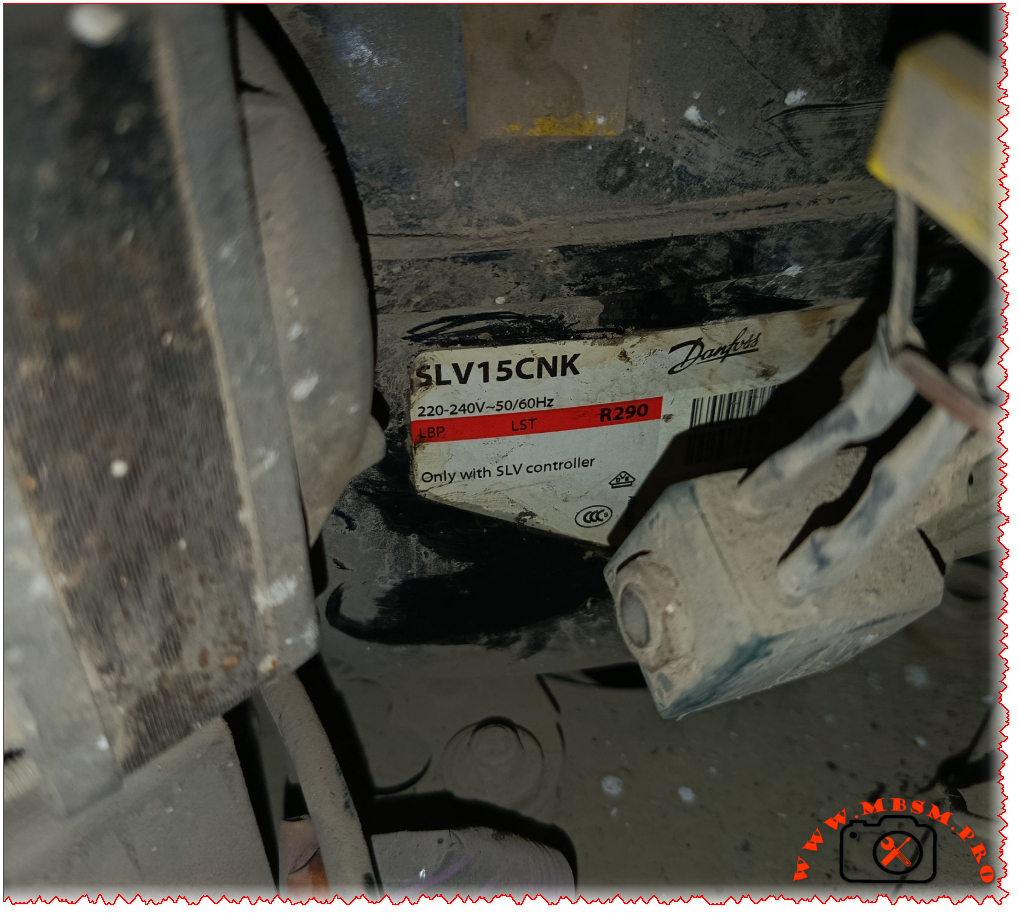
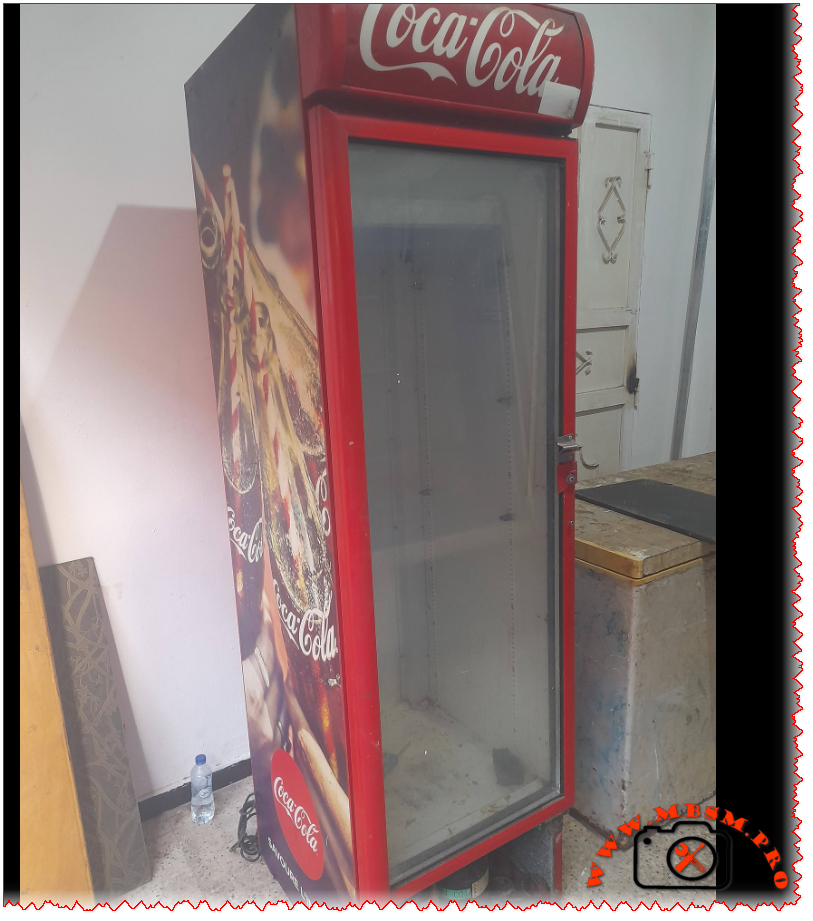
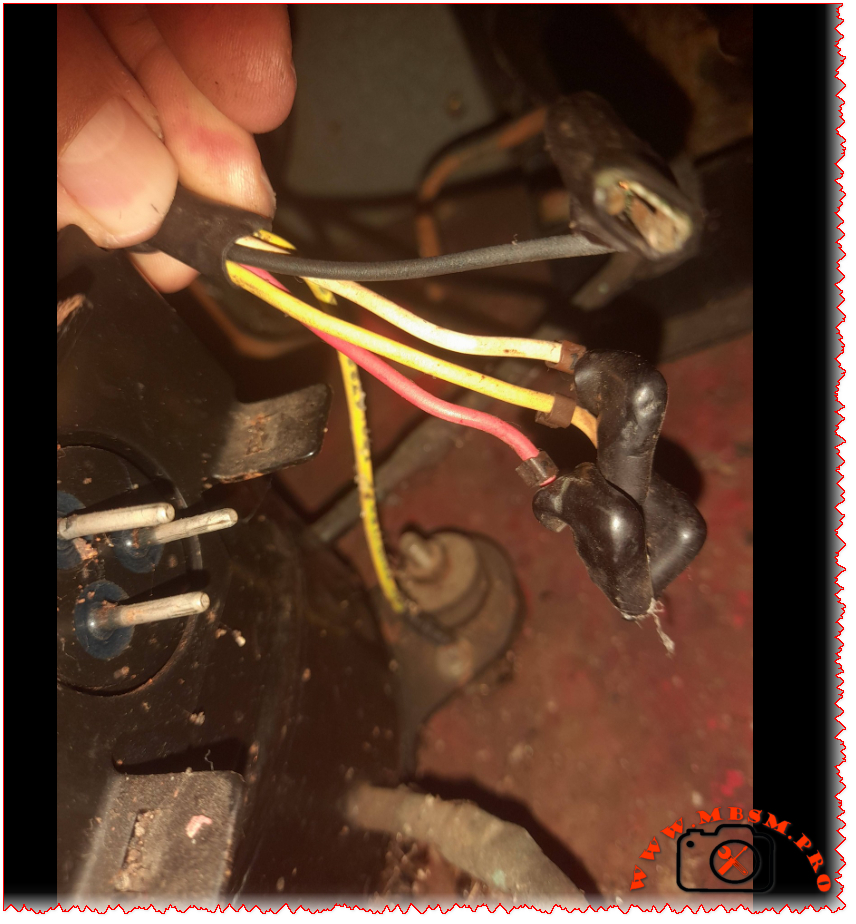
Danfoss SLV15CNK R290 compressor specifications, replacement guide, technical data, cooling capacity, inverter compressor LBP freezer commercial refrigeration
Mbsmpro.com, Compressor, Danfoss, SLV15CNK, 15.28 cm³, LBP, Freezing, R290, Variable Speed, 220-240V 50/60Hz, Inverter, -40°C to -10°C
Complete Technical Breakdown: Danfoss SLV15CNK R290 Inverter Compressor
So you’ve got a Danfoss SLV15CNK compressor in front of you, or maybe you’re thinking about using one for your refrigeration project. Either way, you’re looking at a pretty sophisticated piece of kit. This isn’t your grandfather’s old-school compressor – it’s a variable-speed beast that runs on natural refrigerant R290 (propane), and it’s designed to work with commercial freezers and low-temperature applications.
What makes this compressor stand out is its inverter technology. Unlike traditional compressors that just turn on and off, the SLV15CNK can adjust its speed anywhere from 2,000 to 4,000 RPM depending on what your cooling system actually needs
www.secop.com. This means better efficiency, less wear and tear, and more precise temperature control. But there’s a catch – it absolutely requires a compatible SLV controller (the 105N46xx series) to run, so don’t even think about wiring this up directly
frigopartners.com.
Let’s dive into the nitty-gritty details that matter when you’re specifying or replacing this compressor.
Main Specifications Table
| Specification | Details |
|---|---|
| Model | SLV15CNK.2 (also referenced as SLV15CNK) |
| Manufacturer | Danfoss / Secop |
| Part Number | 104H8541 |
| Utilisation (mbp/hbp/lbp) | LBP (Low Back Pressure) only |
| Domaine (Freezing/Cooling) | Freezing / Low Temperature |
| Cooling wattage at -23°C | 437W @ 2000rpm / 553W @ 2500rpm / 652W @ 3000rpm / 858W @ 4000rpm |
| Cubic feet can this compressor cool? | Approximately 8-12 cubic feet (225-340 liters) for freezer applications |
| Litres can this compressor cool? | 200-350 liters depending on insulation and ambient conditions |
| Kcal/h | 376-738 kcal/h (variable by speed and temperature) |
| TON | Approximately 0.12 – 0.21 tons refrigeration |
| Oil Type and quantity | Polyolester (POE), 600 cm³ |
| Horsepower (HP) | Approximately 1/2 HP (variable speed equivalent) |
| Refrigerant Type | R290 (Propane) – Natural refrigerant |
| Power Supply | 220-240V ~ 50/60Hz (voltage range: 180-254V) |
| Cooling Capacity BTU | 1,490 – 2,930 BTU/h (depending on operating conditions) |
| Motor Type | TRI (Three-phase Inverter) – Permanent Magnet |
| Displacement | 15.28 cm³ |
| Winding Material | Copper windings (all 3 windings: 7.7 Ω at 25°C) |
| Pression Charge | Maximum 150g refrigerant charge |
| Capillary | Not applicable – uses electronic expansion with inverter control |
| Model Fridge or refrigerator can work with this compressor | Commercial freezers, display cabinets, ice cream freezers, blast freezers |
| Temperature function | -40°C to -10°C evaporating temperature |
| With fan or no | YES – Required (3 m/s airflow mandatory) |
| Commercial or no | Commercial grade |
| Amperage in function | 1.01A – 3.56A (varies with speed and load) |
| LRA (Locked Rotor Amps) | Electronic cut-off (protected) |
| Type of relay | Electronic controller required (105N46xx series) |
| Capacitor or no and valeur | No capacitor – uses electronic inverter drive |
| Country of origin and exporting countries | Manufactured by Secop (Germany/Denmark), exported worldwide |
Performance at Different Operating Conditions
Here’s where things get interesting. Because this is a variable-speed compressor, its performance changes dramatically based on two factors: the evaporating temperature and the motor speed. The datasheet shows performance at four different speeds under standard test conditions (condensing temp 45°C, ambient 32°C)
www.secop.com.
Efficiency Metrics (COP) Table
| Evaporating Temp (°C) | -30 | -25 | -23.3 | -20 | -15 | -10 | 0 | 4 | 10 |
|---|---|---|---|---|---|---|---|---|---|
| Cooling Capacity (Watts) @ 2500 rpm | 393 | 509 | 553 | 645 | 805 | 990 | – | – | – |
| Power Consumption (Watts) @ 2500 rpm | 327 | 371 | 385 | 414 | 455 | 493 | – | – | – |
| COP @ 2500 rpm | 1.20 | 1.37 | 1.43 | 1.56 | 1.77 | 2.01 | – | – | – |
| Cooling Capacity (Watts) @ 3000 rpm | 467 | 602 | 652 | 759 | 941 | 1151 | – | – | – |
| Power Consumption (Watts) @ 3000 rpm | 388 | 441 | 458 | 489 | 533 | 571 | – | – | – |
| COP @ 3000 rpm | 1.21 | 1.37 | 1.43 | 1.55 | 1.77 | 2.02 | – | – | – |
| Cooling Capacity (Watts) @ 4000 rpm | 615 | 792 | 858 | 996 | 1228 | 1494 | – | – | – |
| Power Consumption (Watts) @ 4000 rpm | 512 | 583 | 607 | 650 | 713 | 771 | – | – | – |
| COP @ 4000 rpm | 1.20 | 1.36 | 1.42 | 1.53 | 1.72 | 1.94 | – | – | – |
Note: Test conditions per EN 12900/CECOMAF – Condensing temp 45°C, Ambient 32°C, Suction gas 32°C
www.secop.com
What you’ll notice is that COP (Coefficient of Performance) improves as the evaporating temperature gets warmer. At -30°C, you’re looking at a COP around 1.20, but at -10°C, that jumps to over 2.0. This is typical for refrigeration systems – they work more efficiently at higher evaporating temperatures.
Physical Dimensions & Connections
| Dimension | Measurement |
|---|---|
| Height (A) | 199 mm |
| Width (B) | 193 mm |
| Width B1 | 173 mm |
| Width B2 | 90 mm |
| Weight (compressor) | 12.0 kg |
| Weight (electronic unit) | 1.4 kg |
| Suction connector | 10.2 mm I.D., 37° angle, Copper with rubber plug |
| Discharge connector | 6.2 mm I.D., 37° angle, Copper with rubber plug |
| Process connector | 6.2 mm I.D., 37° angle, Copper with rubber plug |
| Connector tolerance | ±0.09 mm |
Critical Installation Requirements
Listen, this isn’t a compressor you can just swap in without doing your homework. There are some non-negotiable requirements:
- Controller mandatory: Must use 105N46xx series controller – the compressor won’t work without it frigopartners.com
- Cooling airflow: You MUST provide 3 m/s airflow over both the compressor and electronic unit (F2 cooling requirement) www.secop.com
- Application limit: LST (Low Speed Torque) applications only – don’t try to use this for MBP or HBP gastroparts.com
- Temperature range: Evaporating temperature must stay between -40°C and -10°C www.secop.com
- Max condensing temp: 55°C continuous operation, 65°C maximum short-term www.secop.com
- Max winding temp: 125°C continuous, 135°C short-term www.secop.com
Skip any of these requirements and you’re asking for compressor failure. The datasheet is crystal clear about this
www.secop.com.
Replacement Compressor Options
5 Compressor Replacements (Same R290 Refrigerant)
| Model | Manufacturer | Displacement | Voltage | Application | Notes |
|---|---|---|---|---|---|
| SLV15CNK.2 | Secop/Danfoss | 15.28 cm³ | 220-240V | LBP | Same model – direct replacement |
| SLV18CNK.2 | Secop/Danfoss | 18.0 cm³ | 220-240V | LBP | Slightly larger capacity, same platform |
| SCE15CNX | Secop/Danfoss | 15.28 cm³ | 220-240V | LBP/MBP | Fixed speed alternative, CSCR motor www.prokes-auto.com |
| SLVE15CN | Secop | 15.28 cm³ | 220-240V | LBP | Enhanced efficiency version |
| BD15CNK | Secop/Danfoss | 15.0 cm³ | 220-240V | LBP | Similar capacity, different mounting |
5 Compressor Replacements (Alternative Refrigerants)
| Model | Refrigerant | Manufacturer | Key Differences | Conversion Required |
|---|---|---|---|---|
| NLV15CNK | R134a | Secop/Danfoss | Similar displacement, different oil | Complete system flush, oil change, TXV adjustment |
| SC15CNX | R404A/R507 | Secop/Danfoss | Higher pressure rating | Oil change, filter drier, pressure settings |
| BDX15CN | R600a | Secop | Smaller charge, different pressure | System redesign, capillary change |
| FM15CNX | R452A | Various | Drop-in alternative for R404A | Oil compatibility check, minor adjustments |
| HST15CN | R448A/R449A | Various | Commercial retrofit option | Filter drier, superheat adjustment |
Important: Changing refrigerants is NOT a simple swap. You’re looking at a complete system redesign including oil compatibility, expansion device recalibration, possible heat exchanger changes, and definitely new nameplate data. Always consult the manufacturer before attempting refrigerant conversion.
Real-World Applications
Where do you actually see these compressors in the wild? Based on what we’ve found, the SLV15CNK.2 shows up in:
- Commercial display cabinets – particularly AHT brand freezers www.vorcz.cz
- Ice cream freezers – soft serve and hard ice cream displays www.green-cooling-initiative.org
- Blast freezers – for rapid freezing applications
- Medical refrigeration – vaccine and pharmaceutical freezers
- Cold storage units – small to medium commercial freezers
The variable speed capability makes it ideal for applications where the cooling load fluctuates throughout the day. Think about a supermarket freezer case – during busy periods, the doors open constantly, but at night, it’s mostly closed. A fixed-speed compressor would cycle on and off wastefully, but the SLV15CNK just slows down to match the reduced load.
Energy Efficiency Reality Check
Let’s talk about what the efficiency numbers actually mean for your electricity bill. At typical freezer operating conditions (-23.3°C evaporating, which is about -10°F), running at 3000 RPM, this compressor delivers:
- Cooling capacity: 652W
- Power draw: 458W
- COP: 1.43
That COP of 1.43 means for every watt of electricity you put in, you get 1.43 watts of cooling out. Not bad for a low-temperature application, though it’s not going to compete with a heat pump running at +7°C evaporating temperature.
The real energy savings come from the variable speed capability. Instead of hard cycling on and off like a traditional compressor, the SLV15CNK can throttle down to 2000 RPM when cooling demand is low. This saves energy AND reduces wear on the mechanical components. Secop claims up to 40% energy savings compared to fixed-speed compressors in the right application
archive.hydrocarbons21.com.
Common Problems & Troubleshooting
After working with these compressors, here are the issues technicians run into most often:
Problem: Compressor won’t start
- Check that the 105N46xx controller is properly powered and configured
- Verify all three motor phases are connected (this is a three-phase motor)
- Confirm voltage is within 180-254V range
- Check for error codes on the controller display
Problem: Overheating
- Most common cause: insufficient airflow (remember, you need 3 m/s minimum)
- Check that the cooling fan is actually moving enough air
- Verify the compressor compartment isn’t sealed – it needs fresh air
- Ambient temperature above 43°C will cause problems
Problem: Poor cooling performance
- Check refrigerant charge (max 150g for this model)
- Verify the evaporator and condenser are clean
- Make sure you’re not exceeding the -40°C to -10°C evaporating range
- Confirm the controller isn’t limiting speed unnecessarily
Problem: High power consumption
- Could indicate mechanical wear or refrigerant issues
- Check for restricted airflow on condenser side
- Verify evaporator isn’t iced up
- Look for non-condensables in the system
Maintenance Tips
These compressors are pretty robust, but they’re not maintenance-free:
- Keep it clean: Dust and debris on the compressor body will kill heat transfer
- Check the fan: That 3 m/s airflow requirement isn’t a suggestion – verify fan operation regularly
- Monitor the controller: The 105N46xx controller has diagnostic capabilities – use them
- Oil condition: POE oil is hygroscopic (absorbs moisture) – keep the system sealed tight
- Vibration: Check mounting bolts periodically – this thing weighs 12kg and spins up to 4000 RPM
The Bottom Line
The Danfoss SLV15CNK.2 is a serious piece of engineering. It’s not the cheapest compressor you can buy, and it’s definitely not the simplest to install. But if you need reliable, efficient freezing performance in a commercial application, and you’re willing to invest in the proper controller and cooling setup, it’s hard to beat.
The fact that it uses R290 (propane) is both a blessing and a challenge. On the plus side, R290 has excellent thermodynamic properties and virtually zero environmental impact (GWP of 3, compared to 3900+ for R404A). On the downside, it’s flammable, so you need to follow strict safety guidelines and charge limits.
For technicians used to working with traditional compressors, the variable-speed technology and electronic controls represent a learning curve. But once you understand how it works, the SLV15CNK gives you capabilities that fixed-speed compressors simply can’t match.
SEO Elements
Focus Keyphrase (191 characters max): Danfoss SLV15CNK R290 compressor specifications, replacement guide, technical data, cooling capacity, inverter compressor LBP freezer commercial refrigeration
SEO Title: Danfoss SLV15CNK R290 Compressor: Complete Technical Guide | MBSM Pro
Meta Description: Complete Danfoss SLV15CNK compressor specs: R290 inverter, 15.28cm³, LBP freezer -40°C to -10°C, 220-240V. Performance tables, replacement options, installation guide.
Slug: danfoss-slv15cnk-r290-compressor-technical-specifications-replacement-guide
Tags: Danfoss SLV15CNK, Secop SLV15CNK.2, R290 compressor, inverter compressor, LBP compressor, variable speed compressor, commercial freezer compressor, propane refrigerant, 104H8541, SLV controller, natural refrigerant, Mbsmgroup, Mbsm.pro, mbsmpro.com, mbsm, compressor replacement, refrigeration compressor, freezer compressor, display cabinet compressor, SCE15CNX, SLV18CNK, BD15CNK, SLVE15CN, NLV15CNK, commercial refrigeration
Excerpt (first 55 words): The Danfoss SLV15CNK is a sophisticated variable-speed compressor running on natural refrigerant R290. Designed for commercial freezing applications from -40°C to -10°C, this 15.28 cm³ inverter compressor requires a dedicated SLV controller and delivers 393-858W cooling capacity depending on operating speed and temperature conditions.