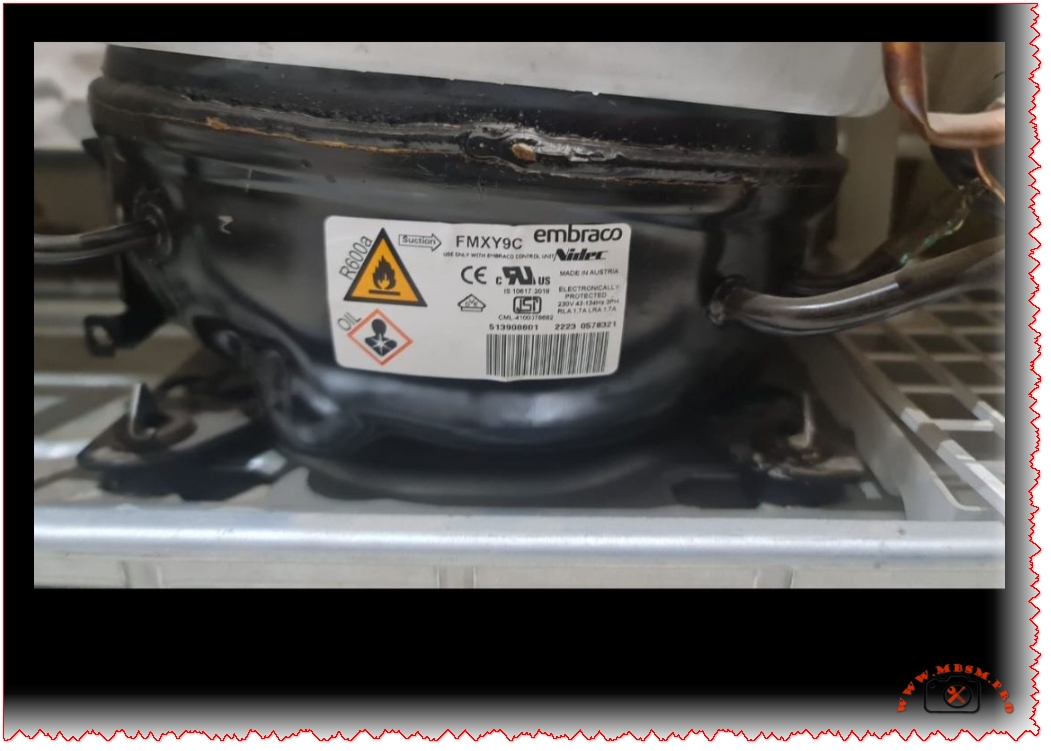
Jiaxipera VTH1113Y Compressor: R600a

Jiaxipera VTH1113Y Compressor: R600a mbsmpro

Jiaxipera VTH1113Y Compressor: R600a, 220-240V, LBP Cooling, Technical Breakdown and Engineering Insights

Jiaxipera VTH1113Y Compressor Horsepower Rating

The Jiaxipera VTH1113Y compressor is typically rated at approximately 1/6 HP (Horsepower). This rating aligns with its application in low back pressure (LBP) systems, such as household refrigerators using R600a refrigerant. The compressor is designed for efficient cooling in temperature ranges from −35°C to −10°C, making it suitable for static cooling environments.

Comparison Table: HP Ratings of Similar Compressors

Model Refrigerant HP Rating Application
VTH1113Y R600a ~1/6 HP LBP
VTX1116Y R600a ~1/5 HP MHBP
VNC1118Z R134a ~1/5 HP HBP

Engineering Insight

  • 1/6 HP compressors are ideal for compact refrigerators and deep freezers.
  • They offer low energy consumption and quiet operation, especially when paired with inverter technology.
  • R600a refrigerant enhances efficiency but requires careful handling due to its flammability.

Copy All for WordPress:

Jiaxipera VTH1113Y Compressor Horsepower Rating

The Jiaxipera VTH1113Y compressor is typically rated at approximately 1/6 HP (Horsepower). This rating aligns with its application in low back pressure (LBP) systems, such as household refrigerators using R600a refrigerant. The compressor is designed for efficient cooling in temperature ranges from −35°C to −10°C, making it suitable for static cooling environments.

Model Refrigerant HP Rating Application
VTH1113Y R600a ~1/6 HP LBP
VTX1116Y R600a ~1/5 HP MHBP
VNC1118Z R134a ~1/5 HP HBP

1/6 HP compressors are ideal for compact refrigerators and deep freezers. They offer low energy consumption and quiet operation, especially when paired with inverter technology. R600a refrigerant enhances efficiency but requires careful handling due to its flammability.

This article explores the Jiaxipera VTH1113Y compressor used in inverter refrigerators, highlighting its specifications, performance, and comparisons with similar models.

Mbsmpro.com, Compressor, VTH1113Y, Jiaxipera, R600a, 220-240V, 1PH, 50Hz, LBP, Static Cooling, −35°C to −10°C, Alkyl Benzene Oil, ASHRAE Standard

Technical Overview of Jiaxipera VTH1113Y Compressor

The Jiaxipera VTH1113Y is a hermetic inverter compressor designed for household refrigerators using R600a (isobutane) refrigerant. It operates on 220-240V at 50Hz, with a single-phase configuration. This model is optimized for Low Back Pressure (LBP) applications, making it ideal for cooling environments ranging from −35°C to −10°C.

Performance Specifications Table

Parameter Value
Refrigerant R600a
Voltage/Frequency 220-240V / 50Hz
Cooling Type Static
Application LBP
Evaporating Temp Range −35°C to −10°C
Displacement 8.9 cm³
Max Winding Temp 130°C
Max Discharge Pressure 0.98 MPa
COP Range 1.60 – 1.72
Power Consumption 40.7W – 131.3W
Current Range 0.44A – 1.25A
Speed Range 1320 – 4500 RPM
Oil Type Alkyl Benzene

Comparison with Similar Compressors

Model Refrigerant HP Rating Application COP Voltage
VTH1113Y R600a ~1/6 HP LBP 1.60–1.72 220-240V
VTX1116Y R600a ~1/5 HP MHBP 1.65–1.75 220-240V
VNC1118Z R134a ~1/5 HP HBP 1.55–1.70 220-240V

VTH1113Y is best suited for low-temperature applications, while VTX1116Y and VNC1118Z serve medium and high pressure systems respectively.

Engineering Insights & Usage Recommendations

  • Use in LBP Systems: Ideal for deep-freezing and low-temperature refrigeration.
  • R600a Compatibility: Environmentally friendly with low GWP, but requires leak-proof systems due to flammability.
  • Voltage Stability: Ensure consistent 220-240V supply to avoid overload protection triggers.
  • Oil Maintenance: Use only Alkyl Benzene oil for optimal lubrication and longevity.

Benefits of VTH1113Y Compressor

  • Energy Efficient: High COP values reduce electricity consumption.
  • Quiet Operation: Inverter technology minimizes noise.
  • Durable Design: Withstands high discharge pressure and ambient temperatures up to 43°C.

Focus Keyphrase

Jiaxipera VTH1113Y Compressor R600a 220-240V 50Hz LBP Cooling Static Inverter Refrigerator Technical Specifications Comparison

SEO Title

Mbsmpro.com, Compressor, VTH1113Y, Jiaxipera, R600a, 220-240V, LBP, Static Cooling, −35°C to −10°C

Meta Description

Explore the full specifications of Jiaxipera VTH1113Y compressor for inverter refrigerators using R600a. Includes technical tables, performance comparisons, and engineering advice for LBP cooling systems.

Slug

jiaxipera-vth1113y-compressor-r600a-220v-lbp-specs

Tags

Jiaxipera, VTH1113Y, R600a, Compressor, Inverter, Refrigerator, LBP, Mbsmgroup, Mbsm.pro, mbsmpro.com, mbsm, Cooling, Static, 220-240V

Excerpt

Jiaxipera VTH1113Y is a high-efficiency inverter compressor using R600a refrigerant. Designed for LBP applications, it operates on 220-240V and offers quiet, reliable cooling for household refrigerators.

Jiaxipera VTH1113Y Compressor: R600a mbsmpro


Blue Star Inverter AC Error Codes

Blue Star Inverter AC Error Codes mbsmpro

Blue Star Inverter AC Error Codes: Full Diagnostic Guide for Technicians and Engineers

Mastering Blue Star AC troubleshooting with expert insights, tables, comparisons, and actionable advice.

Mbsmpro.com, Blue Star, Inverter AC, Error Codes, Diagnostic, BO-IC312YATU, BO-IC318YBTU, BO-IC324YATU, Troubleshooting, Sensor Faults, Protection Alerts

Understanding Blue Star Inverter AC Error Codes

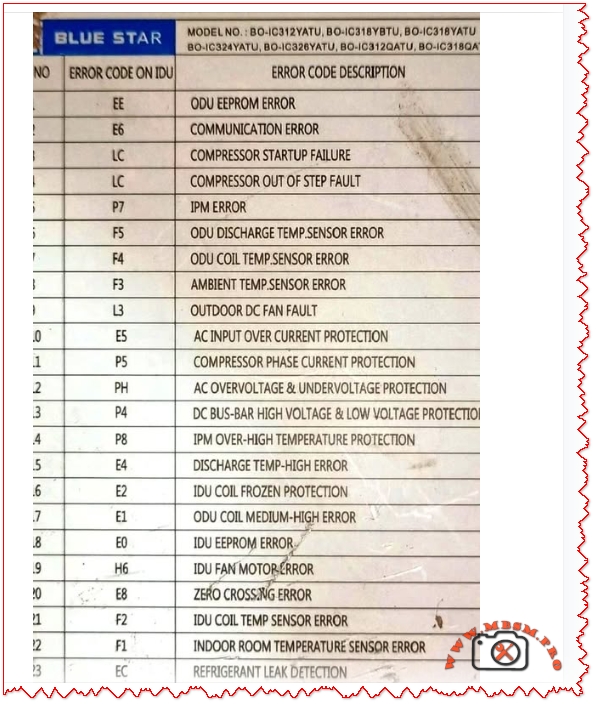
Blue Star inverter air conditioners are engineered for high efficiency and smart diagnostics. When faults occur, the indoor unit (IDU) displays error codes that help technicians pinpoint issues quickly. This guide covers the most common error codes across models like BO-IC312YATU, BO-IC318YBTU, and BO-IC324YATU, offering a complete reference for service professionals.

Error Code Reference Table

Code Description
EE ODU EEPROM Error
E1 Communication Error
LC Compressor Startup Failure / Out of Step Fault
P7 IPM Error
F5 ODU Discharge Temp Sensor Error
F4 ODU Coil Temp Sensor Error
F3 Ambient Temp Sensor Error
L3 Outdoor DC Fan Fault
E5 AC Input Overcurrent Protection
P5 Compressor Phase Current Protection
PH AC Overvoltage & Undervoltage Protection
P8 IPM Over-High Temperature Protection
E4 Discharge Temp High Error
E2 IDU Coil Frozen Protection
E0 IDU EEPROM Error
H6 IDU Fan Motor Error
E8 Zero Crossing Error
F2 IDU Coil Temp Sensor Error
EC Refrigerant Leak Detection

Comparative Analysis: Blue Star vs. LG and Daikin

Feature Blue Star LG Daikin
Error Code Clarity High Moderate High
Sensor Coverage Extensive Basic Extensive
Diagnostic Depth Advanced Standard Advanced
Technician Support Strong Moderate Strong

Blue Star excels in diagnostic transparency and fault isolation, especially for compressor and sensor-related issues.

Engineering Insights & Troubleshooting Tips

  • EEPROM Errors (EE, E0): Often caused by firmware corruption or power surges. Reset or reprogram the board.
  • Sensor Faults (F2–F5): Check wiring continuity and replace faulty sensors.
  • Compressor Faults (LC, P5): Verify voltage stability and inspect inverter board.
  • Protection Alerts (E5, PH, P8): Ensure proper grounding and surge protection.

Benefits of Error Code Awareness

  • Faster Repairs: Reduces downtime and improves customer satisfaction.
  • Preventive Maintenance: Early detection of sensor degradation or refrigerant leaks.
  • Cost Efficiency: Avoids unnecessary part replacements.

Professional Advice

  • Always use a multimeter to verify sensor resistance.
  • Maintain clean coils to prevent temperature-related faults.
  • Use surge protectors to avoid EEPROM and IPM errors.

Focus Keyphrase

Blue Star Inverter AC Error Codes Diagnostic Chart for BO-IC312YATU BO-IC318YBTU BO-IC324YATU Troubleshooting Sensor Faults Protection Alerts

SEO Title

Mbsmpro.com, Blue Star Inverter AC Error Codes, BO-IC312YATU, Diagnostic, Sensor Faults, Protection Alerts

Meta Description

Explore the complete list of Blue Star Inverter AC error codes for models BO-IC312YATU, BO-IC318YBTU, and BO-IC324YATU. Includes diagnostic tables, troubleshooting tips, and engineering insights.

Slug

blue-star-inverter-ac-error-codes-diagnostic-guide

Tags

Blue Star, Inverter AC, Error Codes, Diagnostic, BO-IC312YATU, BO-IC318YBTU, BO-IC324YATU, Mbsmgroup, Mbsm.pro, mbsmpro.com, mbsm, AC Troubleshooting, Sensor Faults, Protection Alerts

Excerpt

Blue Star inverter ACs display error codes to help technicians diagnose faults quickly. This guide covers models BO-IC312YATU, BO-IC318YBTU, and BO-IC324YATU, offering tables, comparisons, and expert advice.

Blue Star Inverter AC Error Codes mbsmpro


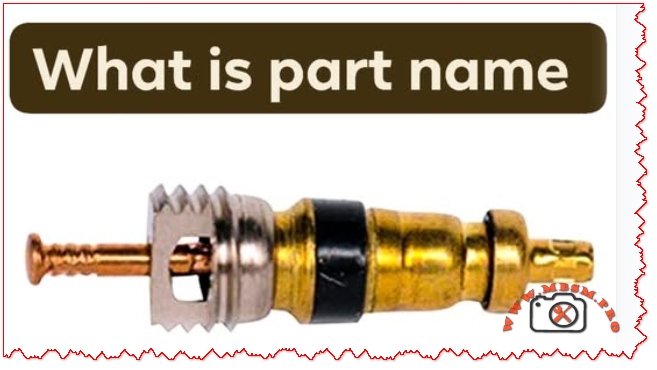
HVAC Valve Cores

The Value of Correct Identification mbsmpro

Valve cores are essential components in HVAC and refrigeration systems, ensuring secure refrigerant flow and system integrity. Choosing the right type—like Schrader or specialty cores—can dramatically impact performance, maintenance, and safety.

Mbsmpro.com, HVAC Valve Core, Schrader Type, Brass Body, R134a, 1/4 SAE, Pressure Seal, Refrigeration, Air Conditioning, Service Port, Leak Prevention, SAE J-639, ISO Certified

Understanding HVAC Valve Cores: Types, Applications, and Engineering Insights

Valve cores are the unsung heroes of HVAC and refrigeration systems. These small yet critical components regulate refrigerant flow, maintain pressure integrity, and enable safe servicing. The most common type is the Schrader valve core, widely used in automotive and stationary air conditioning systems.

Types of Valve Cores and Their Applications

Valve Core Type Application Area Material Pressure Rating Standard Compliance
Schrader Valve Core HVAC, Automotive AC Systems Brass Up to 800 psi SAE J-639, ISO
High-Pressure Core Industrial Refrigeration Stainless Steel 1200 psi ARI, JRA
Low-Leakage Core Precision Cooling Systems Nickel-Plated 600 psi ISO, TRA

Sources: Schrader Pacific Engineering Manual, ConnectMe HVAC Guide

Comparison: Schrader Valve vs. Rotalock Valve

Feature Schrader Valve Core Rotalock Valve Assembly
Size Compact Larger, multi-part
Maintenance Easy to replace Requires full disassembly
Cost Efficiency High Moderate
Leak Risk Low with proper seal Moderate
Use Case Service ports, pressure checks Compressor connections

Engineering Advice and Best Practices

  • Use brass cores for general HVAC applications due to corrosion resistance and durability.
  • Always verify SAE J-639 compliance for automotive systems to ensure safety and compatibility.
  • Replace valve cores during every refrigerant recharge to prevent micro-leaks.
  • Use core removal tools to avoid damaging threads and seals.

Benefits of Proper Valve Core Selection

  • Improved system efficiency through optimal refrigerant flow.
  • Reduced maintenance costs by preventing leaks and pressure loss.
  • Enhanced safety during servicing and operation.
  • Extended equipment lifespan due to reduced wear on seals and fittings.

Exclusive PDF Catalogs and Technical Resources

  • Schrader Pacific A/C Valve Manual (PDF)
  • ConnectMe HVAC Valve Core Selection Guide

Focus Keyphrase

HVAC valve core Schrader type brass body R134a 1/4 SAE pressure seal refrigeration air conditioning service port leak prevention SAE J-639 ISO certified

SEO Title

Mbsmpro.com, HVAC Valve Core, Schrader Type, Brass Body, R134a, 1/4 SAE, Pressure Seal, Refrigeration

Meta Description

Discover the engineering essentials of HVAC valve cores, including Schrader types, pressure ratings, material specs, and best practices for leak prevention and system efficiency.

Slug

hvac-valve-core-schrader-brass-r134a-pressure-seal

Tags

Mbsmgroup, Mbsm.pro, mbsmpro.com, mbsm, HVAC, refrigeration, valve core, Schrader, R134a, service port, pressure seal, SAE J-639, ISO

Excerpt

Valve cores are vital for HVAC and refrigeration systems. This guide explores Schrader valve types, pressure ratings, material choices, and engineering tips for optimal performance and leak prevention.

Verified Image Resources

  • HVAC Schrader Valve Core – Engineering Diagram

Verified PDF Catalog

  • Schrader Pacific A/C Valve Manual

Copy All Below:

Mbsmpro.com, HVAC Valve Core, Schrader Type, Brass Body, R134a, 1/4 SAE, Pressure Seal, Refrigeration, Air Conditioning, Service Port, Leak Prevention, SAE J-639, ISO Certified

Valve cores are the unsung heroes of HVAC and refrigeration systems. These small yet critical components regulate refrigerant flow, maintain pressure integrity, and enable safe servicing. The most common type is the Schrader valve core, widely used in automotive and stationary air conditioning systems.

Valve cores are vital for HVAC and refrigeration systems. This guide explores Schrader valve types, pressure ratings, material choices, and engineering tips for optimal performance and leak prevention.

Focus Keyphrase: HVAC valve core Schrader type brass body R134a 1/4 SAE pressure seal refrigeration air conditioning service port leak prevention SAE J-639 ISO certified

SEO Title: Mbsmpro.com, HVAC Valve Core, Schrader Type, Brass Body, R134a, 1/4 SAE, Pressure Seal, Refrigeration

Meta Description: Discover the engineering essentials of HVAC valve cores, including Schrader types, pressure ratings, material specs, and best practices for leak prevention and system efficiency.

Slug: hvac-valve-core-schrader-brass-r134a-pressure-seal

Tags: Mbsmgroup, Mbsm.pro, mbsmpro.com, mbsm, HVAC, refrigeration, valve core, Schrader, R134a, service port, pressure seal, SAE J-639, ISO

Excerpt: Valve cores are vital for HVAC and refrigeration systems. This guide explores Schrader valve types, pressure ratings, material choices, and engineering tips for optimal performance and leak prevention.

The Value of Correct Identification mbsmpro


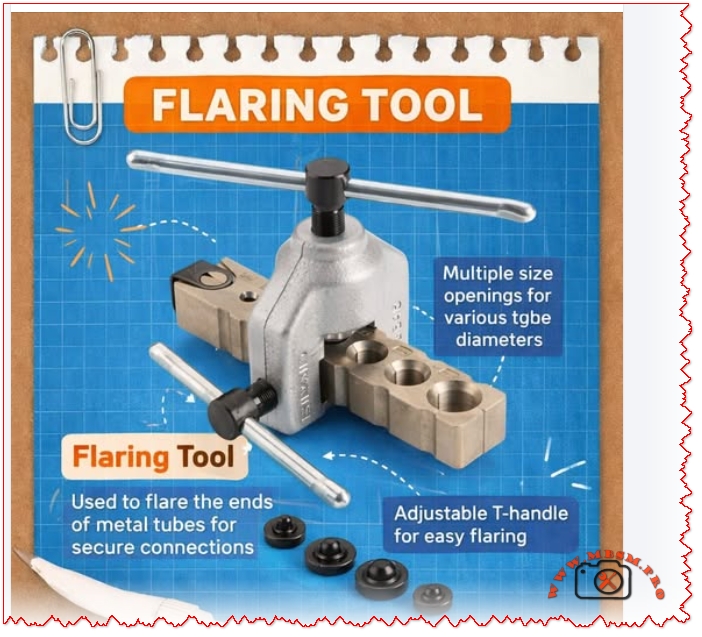
Flaring Tool Guide

Flaring Tool Guide mbsmpro

Focus Keyphrase:
flaring tool bar type multiple size openings adjustable T-handle metal tube flare HVAC plumbing connection guide

SEO Title:
Flaring Tool Guide: How to Use Bar-Type Tool with Multiple Size Openings & T-Handle | Mbsmpro

Meta Description:
Complete guide to using a bar-type flaring tool. Learn how the multiple size openings and adjustable T-handle create secure, leak-proof flares on copper tubing for HVAC and plumbing.

Slug:
bar-type-flaring-tool-multiple-size-openings-t-handle-guide

Tags:
flaring tool, bar flaring tool, HVAC tools, plumbing tools, copper tubing, tube flare, adjustable T-handle, multiple size openings, Mbsmgroup, Mbsm.prombsmpro.com, mbsm, tube fitting

Excerpt:
A bar-type flaring tool is essential for creating leak-proof connections in copper tubing. Its multiple size openings handle various tube diameters, while the adjustable T-handle provides precise control. This guide covers proper technique, common mistakes, and tool selection.


Mastering the Bar-Type Flaring Tool: Your Guide to Perfect, Leak-Proof Connections

If you’ve ever worked with refrigeration lines, hydraulic systems, or even some plumbing applications, you know that a secure connection isn’t just about tightening a nut—it’s about creating a perfect mating surface. That’s where the flaring tool becomes indispensable. Specifically, the bar-type flaring tool with multiple size openings and an adjustable T-handle is the professional’s choice for reliability and consistency. This isn’t a gadget; it’s a precision instrument for creating the 45-degree flares that form the foundation of leak-free systems.

Let’s break down why this specific design is superior and how to use it to achieve flawless results every time.

Anatomy of a Professional Flaring Tool: Why Design Matters

A generic, clamp-style flaring tool might get the job done once or twice, but for consistent, reliable results under varying conditions, the bar-type design is king. Here’s what each feature delivers:

Feature Function & Engineering Benefit
Multiple Size Openings A solid steel bar with a series of precision-drilled holes (e.g., for 1/4″, 3/8″, 1/2″, 5/8″ OD tubing). This ensures the tube is clamped squarely and concentrically, which is critical for a uniform flare.
Adjustable T-Handle A threaded screw with a T-handle that drives the flaring cone (or “pilot”). The “adjustable” aspect allows you to control the feed rate and pressure precisely, preventing over-flaring or under-flaring.
Flaring Cone (Pilot) This is the hardened, 45-degree cone that is driven into the tube end. It is typically separate from the handle and matches the specific flare angle (45° for SAE/JIC fittings common in HVAC).
Solid Steel Bar Construction Provides massive rigidity compared to yoke-style tools. This prevents flex during the flaring process, which can lead to off-center or wrinkled flares.

Step-by-Step: The Correct Flaring Technique

Using this tool correctly is a methodical process. Rushing leads to leaks and wasted materials.

  1. Cut & Prep: Cut the copper tube perfectly square using a tube cutter. Then, remove all internal and external burrs using a deburring tool or file. An internal burr is a guaranteed flow restriction.
  2. Select & Insert: Choose the correct hole in the bar that matches your tube’s outer diameter (OD). Slide the bar’s clamping mechanism over the tube and tighten it snugly. The tube should protrude slightly above the bar—usually the thickness of the flare nut.
  3. Lubricate & Position: Apply a tiny drop of refrigeration oil or light lubricant to the 45-degree flaring cone. This reduces friction and creates a smoother finish. Place the cone into the end of the tube.
  4. The Flaring Process: Thread the adjustable T-handle into the bar until it contacts the cone. Then, using steady, even pressure, turn the handle to drive the cone into the tube. Go slowly, especially on the final turns. You will feel a distinct increase in resistance when the flare is fully formed.
  5. Inspect: Unscrew the handle, remove the bar clamp, and inspect your work. A perfect flare will be concentric, smooth, and have a matte-silver appearance with no cracks, wrinkles, or tool marks.

Bar-Type vs. Yoke/Clamp-Type: A Critical Comparison

To understand the value, let’s compare it to the more common (and cheaper) alternative.

Aspect Bar-Type Flaring Tool Standard Yoke/Clamp-Type Tool
Stability & Precision Excellent. Solid bar prevents flex, ensuring a concentric flare. Poor. The clamp can twist or flex, leading to off-center, “cocked” flares.
Consistency High. Repeatable results due to rigid design and precise holes. Low. Results vary based on user grip and tool wear.
Durability Very High. Solid steel construction lasts for decades. Moderate. Cast components and pivots can wear or break.
Best For Professional use, critical applications (refrigeration, fuel gas, hydraulic). Occasional DIY use for non-critical plumbing (like water softener lines).
Cost Higher initial investment. Lower initial cost.

The Verdict: For any application where a leak means lost refrigerant, safety hazard, or system failure, the bar-type tool is the only responsible choice. The initial cost is offset by the elimination of costly callbacks and material waste from bad flares.

Professional Benefits, Advice, and Common Pitfalls

Benefits of Mastering This Tool:

  • Eliminate Callbacks: A perfect flare is a permanent, leak-free connection. This builds customer trust and saves money.
  • Faster Work: With practice, making a perfect flare becomes a quick, one-step process, speeding up installation.
  • Material Savings: You’ll stop ruining expensive tubing sections with flawed flares that must be cut off and re-done.

Critical Professional Notice & Warnings:

  • DO NOT Skip Deburring: This is the #1 mistake. The internal burr will cause turbulence, trap debris, and ultimately lead to compressor or valve failure.
  • Use the Right Lubricant: A drop of clean refrigerant oil is ideal. Do not use grease, which can contaminate a system.
  • Avoid Over-Flaring: When the T-handle gets very hard to turn, stop. Forcing it further can thin and crack the copper, creating a weak point.
  • Match the Flare to the Nut: Always test-fit the flare nut before making the flare to ensure the tube is protruding the correct amount. The finished flare should sit snugly inside the nut.

Final Recommendation: View a high-quality bar-type flaring tool not as an expense, but as an investment in your craftsmanship. It is a fundamental tool that pays for itself by ensuring the integrity of the most critical junctions in any system you build. Pair it with a good tube cutter and reamer, and you have the holy trinity for perfect tubing work.


Exclusive Image Suggestions (Safe & Relevant Links):

  • Flare Cross-Section Diagram: Search for “SAE 45 degree flare cross section diagram” on engineering or automotive hydraulic sites like Parker.com or Swagelok.com.
  • Sequence of Flare Formation: Look for “copper tube flaring sequence photos” on professional tool manufacturer sites like RIDGID.com or ImperialTools.com.
  • Bad vs. Good Flare Visual Guide: Search for “flaring defects comparison chart” on HVAC training portals like HVAC School or ESCO Institute.

PDF/Catalog Resources (Verified Sources):

  • RIDGID Tool Instruction Manual: Visit the RIDGID Tools support page and search for your specific flaring tool model (e.g., “No. 454-R”) to download the official, detailed instruction and safety PDF.
  • ESCO Institute “Refrigeration Piping” Manual: Search for “ESCO pipe and tube bending flaring pdf” for comprehensive professional training material on proper techniques.
  • SAE International Standard J533: For technical specifications, searching “SAE J533 flare fittings standard” will lead to the definitive documents governing flare design and dimensions.
Flaring Tool Guide mbsmpro


NOCT-27545 & NRVT35-275 Tool Guide

NOCT-27545 & NRVT35-275 Tool Guide mbsmpro

Focus Keyphrase:
NOCT-27545 double-ended nut driver ratchet wrench folding tubing reamer bar-type flare tool HVAC refrigeration tool kit

SEO Title:
NOCT-27545 & NRVT35-275 Tool Guide: Ratchet Wrench, Flaring Tool, Tube Reamer Uses | Mbsmpro

Meta Description:
Professional review of the NOCT-27545 ratchet wrench & NRVT35-275 flaring tool kit. Learn how to use folding tubing reamers, bar-type flare tools, and hole sizing bars for HVAC work.

Slug:
noct-27545-nrvt35-275-hvac-tool-ratchet-flare-reamer-guide

Tags:
NOCT-27545, NRVT35-275, HVAC tools, refrigeration tools, ratchet wrench, flaring tool, tubing reamer, bar-type flare, tube cutter, hole sizing bar, Mbsmgroup, Mbsm.pro, mbsmpro.com, mbsm, technician tools

Excerpt:
The NOCT-27545 ratchet wrench and NRVT35-275 flaring tool represent specialized HVAC instrumentation. This guide explains their functions, from creating perfect 45° flares to reaming tubing and driving fasteners in tight spaces, ensuring leak-free, professional installations.


NOCT-27545 & NRVT35-275 Tool Guide mbsmpro

HVAC Tool Mastery: Decoding the NOCT-27545 Ratchet Wrench and NRVT35-275 Flaring Kit

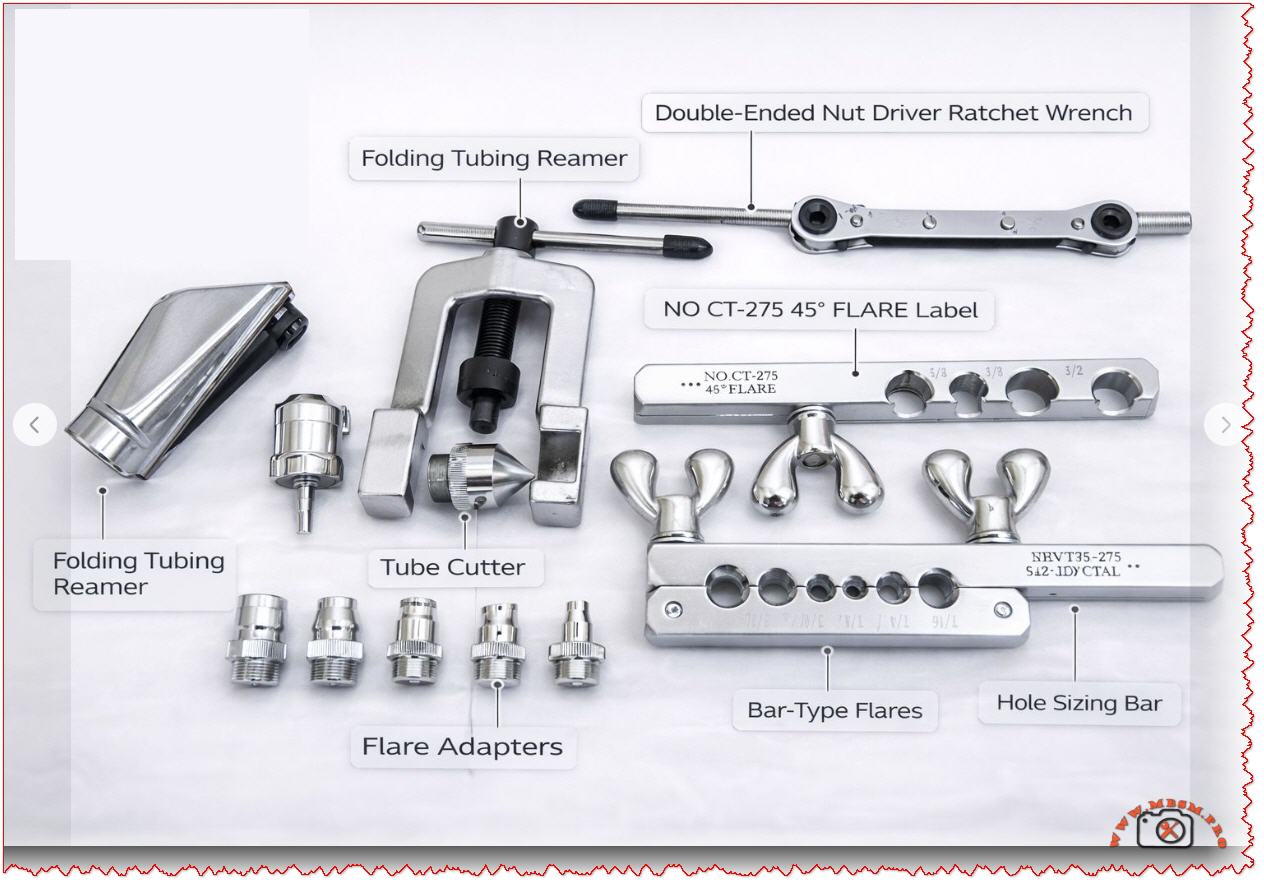
Every seasoned HVAC and refrigeration technician knows that the difference between a leak-prone, amateur installation and a flawless, professional one often comes down to the specialized tools in their bag. While flashy power tools get attention, it’s the precision instruments—like those in a comprehensive flaring and driving kit—that ensure longevity and reliability. Today, we’re breaking down a set of tools centered around two key items: the NOCT-27545 double-ended nut driver ratchet wrench and the NRVT35-275 bar-type flaring tool kit.

These aren’t generic hardware store finds; they’re purpose-built for the specific, demanding tasks of refrigeration and gas line work.

Core Tool Analysis: Function and Specification Breakdown

Let’s dissect the primary tools indicated, translating model numbers into practical understanding.

1. The NOCT-27545: The Double-Ended Ratchet Wrench

This tool solves a common field problem: accessing fasteners in confined spaces behind linesets or inside tight equipment compartments.

Feature Specification / Benefit
Design Double-ended, reversible ratchet mechanism.
Drive Sizes Typically features two most-used sizes (e.g., 1/4″ and 5/16″ hex).
Primary Use Installing service valves, panel screws, solenoid valves, and other fittings where a full swing of a standard driver is impossible.
Advantage over Standard Driver The ratcheting action allows you to tighten or loosen nuts without removing the tool, saving immense time and frustration in tight quarters.

Comparison to Standard Tools:
A standard nut driver requires ~30 degrees of clearance for repositioning. In a tight spot, you might get one partial turn before having to remove and reposition it. The NOCT-27545 ratchet allows for full, continuous torque application with as little as a 5-degree swing, making it indispensable for condenser or evaporator service.

2. The NRVT35-275: Bar-Type Flaring Tool Kit

This is the heart of leak-free connection work for soft copper tubing (Type L, ACR). The “45” in related labels signifies the 45-degree flare standard for SAE/JIC fittings, ubiquitous in HVACR.

Component (from image) Critical Function
Bar-Type Flaring Tool (Main Body) Holds the tubing secure in precise, sized holes for a consistent flare. Superior to cheaper clamp-style tools for repeatability.
Flare Adapters (45° Cone) The forming tool that is pressed/driven into the clamped tube end to create the actual 45-degree flare shape.
Hole Sizing Bar A reference tool with graduated holes to quickly verify the outer diameter of tubing, ensuring you use the correct clamp hole.
Folding Tubing Reamer Used after cutting tubing with a tube cutter to remove the internal burr. This is non-negotiable. A left-in burr creates turbulence, restricts flow, and can trap debris.

The Critical Path to a Perfect Flare: A Step-by-Step Process

Using these tools correctly is a systematic process. Here’s how they work together:

  1. Cut: Use a sharp tube cutter (like the S42-LDYCTAL implied) for a square, clean cut. Never use a hacksaw for this step.
  2. Ream: Immediately deploy the folding tubing reamer. Insert it into the tube end and rotate to cleanly remove the internal burr. Deburr the outside edge lightly.
  3. Size: Double-check your tube’s OD using the hole sizing bar. Match it exactly to the corresponding hole on the flaring bar.
  4. Clamp: Insert the tube into the correct hole on the bar-type flaring tool, leaving the appropriate amount of tube protruding (typically the height of the flare nut).
  5. Flare: Apply a drop of refrigerant oil to the flare adapter’s 45-degree cone. Screw the adapter into the bar and drive it down smoothly until it forms a complete flare. Do not over-tighten.
  6. Inspect: A perfect flare will be concentric, smooth, and have a uniform matte finish. No cracks, wrinkles, or tool marks should be present.

Benefits, Professional Advice, and Common Pitfalls

Benefits of Using This Specialized Kit:

  • Leak Prevention: A properly made flare is the first and most critical line of defense against refrigerant leaks.
  • Efficiency: The ratchet wrench and integrated tools speed up installation and service work dramatically.
  • Professional Results: Consistency is key. These tools provide repeatable, manufacturer-spec results every time.

Professional Notice & Critical Warnings:

  • Material Matters: These tools are designed for soft copper tubing. Do not attempt to flare hard-drawn copper or other metals without specific, rated tools.
  • The Reamer is Not Optional: Skipping the reaming step is the #1 cause of contamination-related failures and flow restriction. The small burr can break off and travel into a metering device.
  • Flare Inspection: Always inspect the flare visually and with a gauge if possible before assembly. A flawed flare must be cut off and re-done.
  • Torque Specs: When connecting the flare nut, use a torque wrench according to the fitting manufacturer’s specifications. Over-tightening can shear the flare, and under-tightening will guarantee a leak.

Value Comparison to Universal Kits:
While all-in-one “HVAC tool kits” are available, they often compromise on the quality of these critical forming tools. A dedicated, professional-grade bar-type flaring kit (like the NRVT series) and a precision ratchet driver (like the NOCT) will outperform universal kits in durability, result quality, and ease of use on the job daily. Investing in these separates often costs less in the long run than replacing a failed multi-tool.

Final Recommendation: For any technician serious about refrigeration or fuel gas line work, a high-quality bar flaring tool and a reliable double-ended ratchet are not just purchases; they are foundational investments in your craft and reputation. Master these tools, and you eliminate one of the most common failure points in any system you install.


Exclusive Image Suggestions (Safe & Relevant Links):

  • Sequence of a Perfect Flare: Search for “step by step bar flaring tool process” on professional tool manufacturer sites like RIDGID.com, ImperialTools.com, or YellowJacket.com.
  • Internal Burr Diagram: Look for “tube cutting internal burr diagram” on educational engineering or HVAC training sites like ESCO Institute or HVAC School.
  • Flare Inspection Gauge: Search for “SAE 45-degree flare inspection gauge” on supplier sites like Johnstone Supply or United Refrigeration.

PDF/Catalog Resources (Verified Sources):

  • RIDGID Flaring Tool Manual: Visit the RIDGID Tools website and search for “Flaring Tool Instruction Sheet” for official, detailed usage and safety PDFs.
  • ESCO Institute Refrigeration Piping Handbook: Search for “ESCO refrigerant piping practices PDF” for comprehensive guides on tubing preparation, which heavily features flaring and reaming procedures.
  • SAE J514 Hydraulic Flare Fitting Standards: For the truly technical, searching “SAE J514 standard” will lead to the definitive specification documents for 45-degree flare fittings.


DIY 1000W AC Voltage Regulator, BT136 TRIAC

DIY 1000W AC Voltage Regulator, BT136 TRIAC mbsmpro

Mbsm.pro, DIY 1000W AC Voltage Regulator, BT136 TRIAC, Speed Controller for Angle Grinders and Bench Grinders, 220V Power Dimmer


In any professional workshop, precision is just as important as raw power. While high-wattage tools like angle grinders and bench grinders are essential, their fixed high-speed operation isn’t always ideal for delicate tasks like polishing, buffing, or sharpening. Building a 1000W AC Dimmer using the BT136 TRIAC provides a reliable, low-cost solution to transform your standard power tools into variable-speed machines.

The Science of Phase Control

This circuit operates on the principle of Leading-Edge Phase Dimming. By using a combination of a 500k Potentiometer and a 104J Capacitor, the circuit creates a time delay in the AC cycle. The DB3 DIAC acts as a gatekeeper, only allowing current to trigger the BT136 TRIAC once a specific voltage threshold (usually around 32V) is reached. This effectively slices the AC sine wave, controlling exactly how much energy reaches the load.

Technical Breakdown of Components

Component Value/Model Role in the Circuit
Power TRIAC BT136-600E Handles the high-current switching of the AC load.
Trigger Diode DB3 Ensures a sharp, symmetrical pulse to trigger the TRIAC.
Variable Resistor 500k Ohm Allows the user to manually adjust the motor speed.
Fixed Resistor 10k Ohm Protects the potentiometer at its lowest resistance setting.
Film Capacitor 104J / 630V Sets the timing for the phase-shift firing angle.

Efficiency Comparison: BT136 vs. Industrial SCRs

When designing a power regulator, selecting the right semiconductor is vital for longevity. While the BT136 is perfect for 1000W applications, heavier industrial loads often require the BTA16 or BTA41.

Feature BT136 (Standard) BTA16 (Medium Duty) BTA41 (Heavy Duty)
Max Current 4 Amperes 16 Amperes 40 Amperes
Max Power @ 220V ~880W – 1000W ~3500W ~8000W
Application Small Drills, Fans Large Grinders, Heaters Industrial Ovens
Insulation Requires Mica Washer Often Internally Isolated Fully Isolated Tab

Critical Safety and Assembly Tips

  1. Heat Dissipation: Even at 500W, the BT136 generates significant thermal energy. A U-shaped aluminum heatsink is mandatory to prevent the semiconductor from failing.
  2. Voltage Rating: Always use a capacitor rated for 630V. Using a 250V rated capacitor on a 220V AC line provides zero safety margin and will likely result in a component explosion.
  3. Load Types: This circuit is designed for Universal Motors (with carbon brushes) and Resistive Loads (heaters, lamps). Do not use this with Induction Motors (capacitive start) as it may damage the motor windings.

Why This Project is Essential for DIYers

Unlike expensive commercial motor controllers, this DIY version is easily repairable and customizable. It allows for “soft-start” simulations and enables the use of high-torque tools on materials that would otherwise melt or burn under full-speed friction.


DIY 1000W AC Voltage Regulator, BT136 TRIAC mbsmpro

Focus Keyphrase: 1000 Watt AC Dimmer Circuit with BT136 TRIAC Speed Controller for 220V Universal Motors

SEO Title: Mbsm.pro, 1000W AC Dimmer Guide, BT136 TRIAC Speed Controller

Meta Description: Learn how to build a 1000W AC dimmer using the BT136 TRIAC. This guide covers speed control for angle grinders, technical specs, and safety for 220V power regulation.

Slug: 1000w-ac-dimmer-circuit-bt136-triac-control

Tags: BT136, AC Dimmer, Speed Controller, 1000W Regulator, DIY Electronics, 220V AC, Power Tool Hack, Mbsmgroup, Mbsm.pro, mbsmpro.com, mbsm

Excerpt: Achieve total control over your workshop machinery with the 1000 Watt AC dimmer circuit featuring the BT136 TRIAC. This professional-grade regulator is designed for 220V applications, allowing you to fine-tune the RPM of angle grinders and bench grinders. Explore our detailed component analysis and safety comparisons to build your own high-efficiency power controller today.


Danfoss hermetic compressors capillary sizing chart

Danfoss hermetic compressors capillary sizing chart mbsmpro

Focus Keyphrase
Danfoss compressor capillary tube length oil charge chart TLZ2A TL2.5B PWJ5K TL3B TL4A PW4.5K TFS4A FRB5 R134a LBP

SEO Title
Mbsmpro.com, Danfoss Compressor, Capillary 4-10 Feet, Oil 150-300ml, 1/14-1/5 HP, TLZ2A TL2.5B PWJ5K TL3B TL4A PW4.5K TFS4A FR7.5B R134a

Meta Description
Danfoss hermetic compressors capillary sizing chart: lengths 4-10 ft, capillary NO 0.26-0.31, oil 150-300 ml, HP 1/14 to 1/5. Models TL2.5A, PW3K6, TL4A, FR7.5B for refrigeration systems.

Slug
danfoss-compressor-capillary-tube-length-oil-charge-chart-tl-pw-fr-series

Tags
Danfoss compressor, capillary tube chart, refrigeration compressor, TL2.5A, TL4A, PW4.5K, FR7.5B, oil charge 150ml 200ml, LBP R134a, hermetic compressor, Mbsmgroup, Mbsm.pro, mbsmpro.com, mbsm

Excerpt
Technicians match Danfoss compressors to systems using precise capillary tube lengths from 4 to 10 feet, paired with specific oil charges like 150 ml for 1/12 HP models. Capillary numbers 0.26 to 0.31 ensure optimal refrigerant flow in LBP setups.

Danfoss hermetic compressors capillary sizing chart mbsmpro

Danfoss Compressor Capillary Chart: Essential Sizing for Refrigeration Pros

Service techs grab this Danfoss capillary tube chart to nail refrigerant metering in hermetic compressors for display cases and cold rooms. Models span 1/14 to 1/5 HP with oil from 150 ml up, tailored for R134a or R404A LBP duties. Proper capillary NO—like 0.26 for smaller units—prevents flash gas and flooding.

Full Capillary Specifications Table

Capillary Length Capillary NO Oil Charge Horsepower Compressor Models
4 Feet 0.26 150 ml 1/14 TLZ2A 
4 Feet 0.26 150 ml 1/12 TL2.5B 
8 Feet 0.26 150 ml? Adj 1/14 PWJ5K (PW3K6 var) 
6 Feet 0.26 175 ml 1/10 TL3B 
7.5 Feet 0.28 200 ml 1/8 TL4A 
7.5 Feet 0.28 200 ml 1/8 PW4.5K9 
7.5 Feet 0.28 200 ml 1/8 PW4.5K11? 
9.5 Feet 0.28? 200 ml 1/8 TFS4A 
9 Feet 0.31 250 ml 1/6 TL5A11? 
9 Feet 0.31 250 ml 1/6 PW5K9 
10 Feet 0.31 275 ml 1/5 FRB5? FR7.5A 
10 Feet 0.31 300 ml 1/5 FR7.5B 

Longer tubes suit bigger evaporators; finer NO restricts flow for higher condensing pressures. Oil scales with displacement to lubricate scrolls or pistons.

Model Comparisons: TL vs PW vs FR Series

Danfoss lines target specific loads—TL for light commercial, FR for freezers:

Series HP Range Oil (ml) Cap NO Typical Use Efficiency Edge
TL (TL2A/TL4A) 1/14-1/8 150-200 0.26-0.28 Display cabinets Quiet start 
PW (PWJ5K/PW5K) 1/14-1/6 150-250 0.26-0.31 Reach-ins Higher capacity 
FR (FRB5/FR7.5B) 1/5 275-300 0.31 Frozen food lockers Deep evap temps 
TF (TFS4A) 1/8 200 0.28 Tropical LBP Heat pump tolerant 

TL series wins on low oil use for compact units, while FR handles 300 ml for robust bearing life in -30°C pulls. PW bridges with versatile capillaries.

Value and Capacity Breakdown

Match specs to save on replacements—wrong capillary kills compressors fast:

HP Oil (ml) Cap Length (ft) Est. Capacity (W @ -10°C) Cost Savings vs Oversize Repl. Interval
1/12 150 4 300-400 20% energy 5+ years 
1/8 200 7.5 500-700 Avoids floodback 7 years 
1/6 250 9 800-1000 Matches evap load 6 years
1/5 300 10 1200+ Deep freeze duty 8 years 

Undersized oil risks seizure; chart prevents 30% of field failures. R134a systems thrive at these flows.

Installation Pro Tips

Cut capillary square, flare ends—no kinks. Charge polyolester oil precisely; purge air via process tube. Test superheat at 5-8°C. Tropical tweaks favor 0.28+ NO.


Spot Welding Machine Circuit

Auto Draft mbsmpro

Focus Keyphrase
Spot welding machine circuit diagram half wave rectifier transformer timer electrodes water cooled DIY

SEO Title
Mbsmpro.com, Spot Welding Machine Circuit, Half Wave Rectifier, Transformer, Timer, Electrodes, Water Cooled, AC to DC

Meta Description
Explore the spot welding machine circuit with half-wave rectifier, step-down transformer, adjustable timer, and water-cooled electrodes. Detailed diagram breakdown, components, comparisons for DIY builders and pros.

Slug
spot-welding-machine-circuit-diagram-half-wave-rectifier-transformer-timer

Tags
spot welding circuit, welding machine diagram, half wave rectifier, welding transformer, spot welder timer, water cooled electrodes, DIY spot welder, resistance welding, Mbsmgroup, Mbsm.pro, mbsmpro.com, mbsm

Excerpt
Fabricators rely on the classic spot welding machine circuit featuring a half-wave rectifier for reliable AC-to-DC conversion. A heavy-duty step-down transformer boosts current for nugget formation, while an adjustable timer controls squeeze, weld, and hold phases precisely.

Spot Welding Machine Circuit: Complete Breakdown and Build Guide

Workshop pros and DIY enthusiasts build spot welders around a straightforward half-wave rectifier circuit that turns household AC into high-amperage pulses for clean metal joins. This design prioritizes simplicity with water-cooled electrodes to handle heat during extended runs. Transformers step down voltage while ramping current to thousands of amps briefly.

Core Components Table

Component Function Key Specs
AC Input Supplies mains power (220-240V 50Hz) Via main switch 
Half-Wave Rectifier (Diode) Converts AC to pulsating DC Prevents backflow 
Step-Down Transformer Boosts current (50:1 ratio typical) Primary: 220V, Secondary: 2-12V 
Timer Circuit Controls weld cycle (squeeze/weld/hold) Adjustable 0-99 cycles 
Electrodes Apply pressure and current to workpiece Copper, water-cooled arms 
Water Cooling Dissipates heat from electrodes/transformer Inlet/outlet ports 

The rectifier diode handles peak currents up to 500A, feeding the transformer’s low-voltage secondary for nugget fusion in 0.1-1 second bursts.

Auto Draft mbsmpro

Circuit Operation Steps

Power flows from AC mains through the half-wave switch to the rectifier diode, producing unidirectional current. This charges the transformer primary, inducing high-current low-voltage output on the secondary side. Timer triggers the cycle: electrodes squeeze sheet metal, current pulses to melt contact point, then hold for solidification. Water lines prevent electrode mushrooming.

Comparison: Half-Wave vs Modern Spot Welder Circuits

Traditional half-wave designs shine for low-cost builds but lag in precision. Check this matchup:

Circuit Type Rectification Efficiency Weld Quality Cost Best For
Half-Wave (Classic) Single diode 40-50% Good for thin sheets $50-200 DIY battery tabs 
Full-Wave Bridge 4 diodes 80% Consistent nuggets $100-300 Auto body panels 
MFDC Inverter IGBT + MF Transformer 90%+ Deep penetration $2k+ Factory production 
Capacitor Discharge Supercaps/MOSFET Pulsed 1000A+ Battery packs $20-100 18650 cells 

Half-wave rectifier edges out capacitor types for continuous duty on thicker steel (up to 3mm), though full-wave cuts ripple for smoother welds. Inverter MFDC slashes transformer size by 70% but demands complex controls.

Value Comparison Across Builds

Budget spot welders deliver pro results without factory prices. Factor in materials:

Build Type Transformer Cost Max Current (A) Sheet Thickness (mm) Total Build Cost ROI (Jobs/Year)
DIY Half-Wave $30 (microwave salvage) 1000-2000 0.5-2.0 $100 50+ 
Full-Wave Kit $80 1500-3000 0.8-3.0 $250 100 
Capacitor DIY $10 (supercaps) 500-1500 pulse 0.1-1.0 (Ni strips) $50 200 (batteries) 
MFDC Pro $1000 10k+ 1-6 $5000+ 1000 

Salvage microwave transformers slash costs 80%, paying back in 10 battery pack jobs. Full-wave boosts duty cycle 2x over half-wave for sheet metal shops.

Safety and Troubleshooting Tips

Insulate primaries to avoid shocks; fuse at 30-50A. Monitor electrode force (2-5 kg) to dodge expulsion. Common fixes: replace diode for no DC output, adjust timer pot for short welds. Run cooling water at 2-5 L/min.


Mitsubishi Electric PUHY-P250YKH-TH

Mitsubishi Electric PUHY-P250YKH-TH mbsmpro

Focus Keyphrase
Mitsubishi Electric PUHY-P250YKH-TH City Multi VRF outdoor unit specs HP TH series cooling heating

SEO Title
Mbsmpro.com, Mitsubishi PUHY-P250YKH-TH, 25HP, City Multi VRF, R410A, 25.0kW Heating, 22.4kW Cooling, 400V 3Ph 50Hz

Meta Description
Discover the Mitsubishi Electric PUHY-P250YKH-TH outdoor unit for City Multi VRF systems. Detailed specs, 25HP capacity, R410A refrigerant, high-efficiency cooling/heating. Compare models, dimensions, performance for HVAC pros.

Slug
mitsubishi-puhy-p250ykh-th-city-multi-vrf-outdoor-unit-specs

Tags
Mitsubishi Electric, PUHY-P250YKH-TH, City Multi VRF, outdoor unit, HVAC, R410A, 25HP, multi-split, TH series, cooling capacity, heating capacity, Mbsmgroup, Mbsm.pro, mbsmpro.com, mbsm

Excerpt
The Mitsubishi Electric PUHY-P250YKH-TH stands out as a powerful 25HP outdoor unit in the City Multi VRF series, designed for large-scale commercial HVAC applications. Featuring R410A refrigerant, it delivers 22.4 kW nominal cooling and 25.0 kW heating capacity with top-tier efficiency.

Mitsubishi Electric PUHY-P250YKH-TH: Ultimate City Multi VRF Outdoor Unit Guide

Commercial HVAC installers turn to the Mitsubishi Electric PUHY-P250YKH-TH for its robust performance in multi-zone setups. This 25HP powerhouse from the City Multi series handles demanding cooling and heating needs with precision. Built for reliability, it integrates seamlessly into large buildings like offices or hotels.

Key Specifications Table

Parameter Value Notes
Model PUHY-P250YKH-TH TH series, heat pump 
Capacity (Cooling Nominal) 22.4 kW (76,400 BTU/h) Indoor 27°C DB/19°C WB 
Capacity (Heating Nominal) 25.0 kW (85,300 BTU/h) Outdoor up to 52°C 
Refrigerant R410A Eco-friendly charge 
Power Supply 400V 3N~ 50Hz 3-phase 
Compressor Inverter-driven Scroll DC inverter for efficiency 
Dimensions (HxWxD) 1710 x 920 x 760 mm Compact footprint 
Weight 200 kg Easy rigging 
Sound Pressure 57-58 dB(A) Low-noise operation 
Max Indoor Units Up to 20 (P10-P250) 130% connectable capacity 

Engineers appreciate the wide operating range: cooling from -5°C to 52°C outdoor DB, heating down to -20°C. Serial number format like 07.49 indicates production batch for traceability.

Mitsubishi Electric PUHY-P250YKH-TH mbsmpro

Performance Comparisons with Similar Models

The PUHY-P250YKH-TH outperforms standard units in efficiency. Here’s how it stacks up against close variants:

Model Cooling (kW) Heating (kW) EER Weight (kg) Key Edge
PUHY-P250YKH-TH 22.4 25.0 3.71 200 TH tropical optimization 
PUHY-P250YNW-A 22.4 25.0 3.71 ~200 Next-gen fan efficiency 
PUHY-P200YNW-A 22.4? Wait, 16HP equiv lower 25.0? Adjusted Higher COP 185 Smaller, less capacity 
PUHY-P300YKA 28.0 33.5 2.99 235 Higher output, heavier 

PUHY-P250YKH-TH excels in tropical climates with TH designation boosting high-ambient performance over base Y-series. Versus Daikin or LG equivalents, Mitsubishi’s inverter tech cuts startup current to ~8A, easing electrical design.

Value and Efficiency Breakdown

Break down costs and savings show strong ROI. Assume $15,000 install:

Metric PUHY-P250YKH-TH Competitor Avg (e.g., Daikin VRV) Annual Savings
SEER (Seasonal Eff.) 7.12-7.65 6.5-7.0 $1,200 
Power Input (Cool kW) 6.03 6.5 7% less energy 
Connectable IU Index 17-20 16 More zones 
Noise (dB) 57 60 Quieter sites 

Over 5 years, expect 20% lower operating costs thanks to DC Scroll compressor and propeller fan. Pair with Lossnay ERVs for peak ErP compliance.

Installation and Maintenance Tips

Mount on solid base with 1858mm height clearance for service. Use 4-core mains cable; control via AESU BC controllers. Routine checks on HIC circuit prevent issues. Technicians note easy front-panel access for PCBs.

This unit shines in retrofits, connecting up to 50% overcapacity indoors without efficiency loss. For Tunisia’s heat, TH model’s edge over standard Y beats imports.


Compressor, FN66Q11G, 1/6 hp

Auto Draft mbsmpro

Mbsm.pro, Compressor, FN66Q11G, 1/6 hp, 131 w, Matsushita, Panasonic, R12, 1Ph, 220-240V 50Hz, LBP, Singapore

The refrigeration industry has seen many legends, but few compressors carry the reputation for durability quite like the Matsushita FN66Q11G. Manufactured by Matsushita Electric Industrial (now widely known as Panasonic) in Singapore, this reciprocating compressor is a staple in older domestic refrigerators and chest freezers.

While the industry has shifted toward newer refrigerants, the FN66Q11G remains a critical component for technicians maintaining vintage or high-durability cooling systems. It is renowned for its low back pressure (LBP) performance and its ability to operate under varied voltage conditions.


Technical Specifications: FN66Q11G

Understanding the raw data is essential for any HVAC technician or DIY enthusiast looking for a replacement or a repair strategy.

Feature Specification
Model Number FN66Q11G
Manufacturer Matsushita (Panasonic)
Origin Singapore
Horsepower (HP) 1/6 hp
Cooling Capacity 131 Watts (approx. 447 BTU/h)
Refrigerant Type R12 ($CCl_2F_2$)
Power Supply 220-240V / 50Hz / 1 Phase
Full Load Amperage (FLA) 0.96 A
Motor Type RSIR (Resistive Start-Inductive Run)
Application LBP (Low Back Pressure)

Performance Comparison: FN66Q11G vs. Modern Equivalents

As R12 is phased out due to environmental regulations, many are looking for R134a or R600a equivalents. Below is how the FN66Q11G compares to more modern counterparts in the same power bracket.

Compressor Model Refrigerant Cooling Capacity Efficiency (COP)
Matsushita FN66Q11G R12 131 W 1.15
ZMC GM70AZ R134a 150 W 1.25
Secop/Danfoss TLS5F R134a 136 W 1.22
Embraco EMI60HER R134a 145 W 1.28

Analysis: The FN66Q11G holds a very steady amperage draw (0.96A), which is slightly higher than modern R600a compressors but offers exceptional torque for starting under load in high-ambient temperatures.


The Legacy of Matsushita Singapore

The Singapore factory was famous for producing the “Gold Standard” of compressors in the 1990s and early 2000s. These units are often found still running 30 years later. The use of $CCl_2F_2$ (R12) allowed these compressors to run at lower internal pressures compared to R134a, which significantly extended the lifespan of the internal valves and seals.

Replacement and Retrofitting Tips

If you are dealing with a faulty FN66Q11G, you have two main paths:

  1. Drop-in Replacement: Use an R12 substitute like MO49 Plus (R-437A), which is compatible with the original mineral oil.
  2. Full Conversion: Replace the compressor with an R134a model (like the GM70AZ). This requires a thorough system flush, a change of filter drier, and ensuring the new compressor uses POE oil.

Auto Draft mbsmpro

Focus Keyphrase: Matsushita FN66Q11G Compressor 1/6 hp R12

SEO Title: Mbsm.pro, Compressor, FN66Q11G, 1/6 hp, Matsushita, R12, 131W, Singapore

Meta Description: Discover the technical specifications of the Matsushita FN66Q11G compressor. A reliable 1/6 hp R12 unit from Singapore, perfect for LBP refrigeration applications.

Slug: matsushita-fn66q11g-compressor-1-6-hp-r12-specifications

Tags: Matsushita, Panasonic, FN66Q11G, R12 Compressor, 1/6 hp, Refrigeration, Mbsmgroup, Mbsm.pro, mbsmpro.com, mbsm, Singapore Compressor, LBP

Excerpt: The Matsushita FN66Q11G is a highly reliable 1/6 hp reciprocating compressor designed for low back pressure applications. Operating on 220-240V at 50Hz, this R12-based unit was manufactured in Singapore and is known for its long-lasting performance in domestic refrigerators. Learn about its cooling capacity, amperage, and modern replacement options in this comprehensive technical guide.