This article provides a full technical breakdown of the Embraco FMXY9C compressor, including specs, performance, comparisons, and engineering advice for refrigeration systems.
Mbsmpro.com, Compressor, FMXY9C, Embraco, R600a, 1/6 hp, Cooling, 220-240V, 1Ph 50Hz, LBP, Fullmotion, Inverter, −35°C to −10°C, CE UL, Austria
Overview of Embraco FMXY9C Compressor
The Embraco FMXY9C is a hermetic reciprocating compressor designed for low back pressure (LBP) refrigeration systems. It uses R600a (isobutane) refrigerant, offering high efficiency and low environmental impact. Built in Austria, this model features Fullmotion inverter technology, allowing variable speed operation for optimized cooling and energy savings.
Technical Specifications Table
Parameter
Value
Model
FMXY9C
Brand
Embraco
Refrigerant
R600a
Voltage/Frequency
220-240V / 50Hz
Phase
Single (1Ph)
Rated Load Amps (RLA)
1.1 A
Locked Rotor Amps (LRA)
1.7 A
HP Rating
~1/6 HP
Cooling Type
LBP
Compressor Type
Fullmotion (Inverter)
Displacement
8.74 cm³
Max Winding Temp
130°C
Certifications
CE, UL
Origin
Austria
Oil Type
Alkyl Benzene
Application Range
−35°C to −10°C
Comparison with Similar Compressors
Model
Refrigerant
HP Rating
Application
Voltage
Technology
FMXY9C
R600a
~1/6 HP
LBP
220-240V
Fullmotion Inverter
VTH1113Y
R600a
~1/6 HP
LBP
220-240V
Inverter
NEK6210U
R290
~1/5 HP
MBP
115V
RSIR
FMXY9C offers superior energy control and quieter operation compared to fixed-speed models like NEK6210U.
Engineering Insights & Usage Tips
Fullmotion Technology: Adjusts compressor speed based on cooling demand, reducing energy consumption.
R600a Refrigerant: Eco-friendly with zero ozone depletion, but flammable—requires sealed systems and proper ventilation.
Electronic Protection: Prevents overload and ensures safe operation under voltage fluctuations.
Maintenance Advice: Use only Embraco-approved components and compatible oil to maintain performance and warranty.
Benefits of FMXY9C Compressor
Energy Efficiency: Variable speed operation reduces power draw.
Quiet Performance: Ideal for residential and commercial refrigeration.
Durability: Designed for high ambient temperatures and long duty cycles.
Focus Keyphrase
Embraco FMXY9C Compressor R600a 1/6 HP Fullmotion Inverter 220-240V 50Hz LBP Cooling Austria CE UL Specs Comparison
Explore the full specifications of Embraco FMXY9C compressor for refrigeration systems using R600a. Includes technical tables, performance comparisons, and engineering advice for LBP cooling applications.
The Embraco FMXY9C compressor is a high-efficiency inverter model using R600a refrigerant. Designed for LBP applications, it operates on 220-240V and offers quiet, reliable cooling with electronic protection.
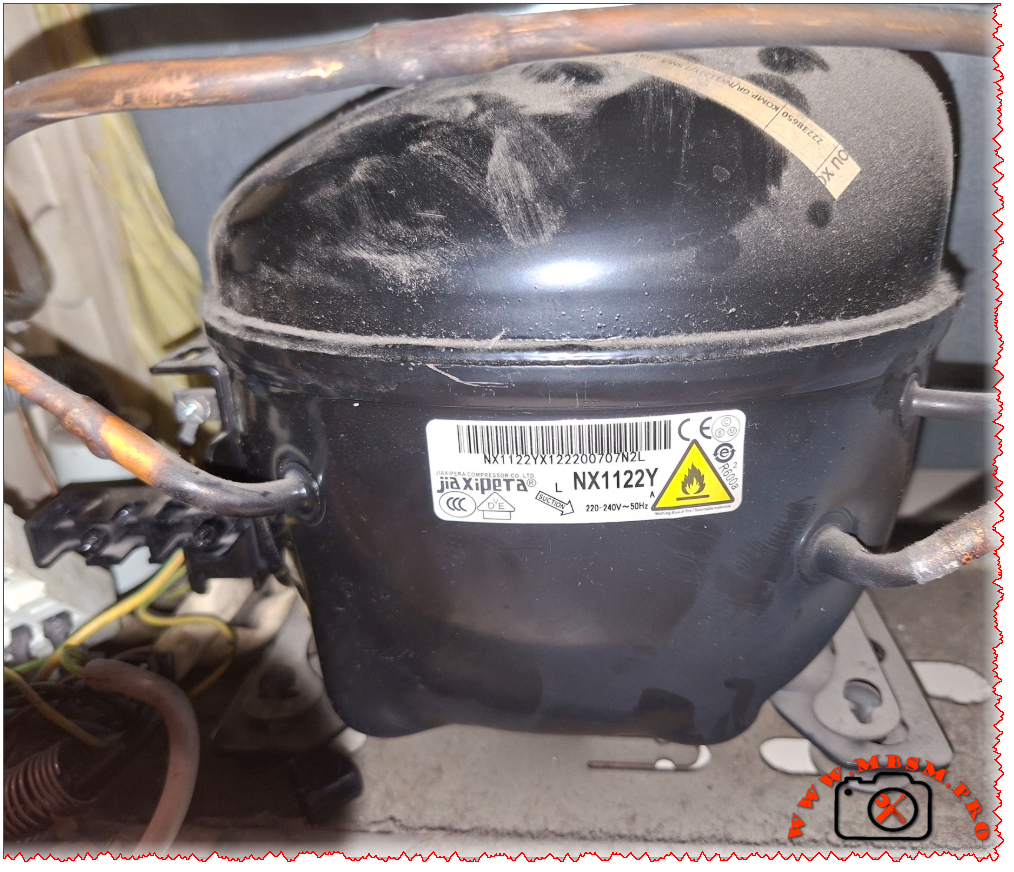
The Jiaxipera VTH1113Y compressor is typically rated at approximately 1/6 HP (Horsepower). This rating aligns with its application in low back pressure (LBP) systems, such as household refrigerators using R600a refrigerant. The compressor is designed for efficient cooling in temperature ranges from −35°C to −10°C, making it suitable for static cooling environments.
Comparison Table: HP Ratings of Similar Compressors
Model
Refrigerant
HP Rating
Application
VTH1113Y
R600a
~1/6 HP
LBP
VTX1116Y
R600a
~1/5 HP
MHBP
VNC1118Z
R134a
~1/5 HP
HBP
Engineering Insight
1/6 HP compressors are ideal for compact refrigerators and deep freezers.
They offer low energy consumption and quiet operation, especially when paired with inverter technology.
R600a refrigerant enhances efficiency but requires careful handling due to its flammability.
Copy All for WordPress:
Jiaxipera VTH1113Y Compressor Horsepower Rating
The Jiaxipera VTH1113Y compressor is typically rated at approximately 1/6 HP (Horsepower). This rating aligns with its application in low back pressure (LBP) systems, such as household refrigerators using R600a refrigerant. The compressor is designed for efficient cooling in temperature ranges from −35°C to −10°C, making it suitable for static cooling environments.
Model
Refrigerant
HP Rating
Application
VTH1113Y
R600a
~1/6 HP
LBP
VTX1116Y
R600a
~1/5 HP
MHBP
VNC1118Z
R134a
~1/5 HP
HBP
1/6 HP compressors are ideal for compact refrigerators and deep freezers. They offer low energy consumption and quiet operation, especially when paired with inverter technology. R600a refrigerant enhances efficiency but requires careful handling due to its flammability.
This article explores the Jiaxipera VTH1113Y compressor used in inverter refrigerators, highlighting its specifications, performance, and comparisons with similar models.
Mbsmpro.com, Compressor, VTH1113Y, Jiaxipera, R600a, 220-240V, 1PH, 50Hz, LBP, Static Cooling, −35°C to −10°C, Alkyl Benzene Oil, ASHRAE Standard
Technical Overview of Jiaxipera VTH1113Y Compressor
The Jiaxipera VTH1113Y is a hermetic inverter compressor designed for household refrigerators using R600a (isobutane) refrigerant. It operates on 220-240V at 50Hz, with a single-phase configuration. This model is optimized for Low Back Pressure (LBP) applications, making it ideal for cooling environments ranging from −35°C to −10°C.
Performance Specifications Table
Parameter
Value
Refrigerant
R600a
Voltage/Frequency
220-240V / 50Hz
Cooling Type
Static
Application
LBP
Evaporating Temp Range
−35°C to −10°C
Displacement
8.9 cm³
Max Winding Temp
130°C
Max Discharge Pressure
0.98 MPa
COP Range
1.60 – 1.72
Power Consumption
40.7W – 131.3W
Current Range
0.44A – 1.25A
Speed Range
1320 – 4500 RPM
Oil Type
Alkyl Benzene
Comparison with Similar Compressors
Model
Refrigerant
HP Rating
Application
COP
Voltage
VTH1113Y
R600a
~1/6 HP
LBP
1.60–1.72
220-240V
VTX1116Y
R600a
~1/5 HP
MHBP
1.65–1.75
220-240V
VNC1118Z
R134a
~1/5 HP
HBP
1.55–1.70
220-240V
VTH1113Y is best suited for low-temperature applications, while VTX1116Y and VNC1118Z serve medium and high pressure systems respectively.
Engineering Insights & Usage Recommendations
Use in LBP Systems: Ideal for deep-freezing and low-temperature refrigeration.
R600a Compatibility: Environmentally friendly with low GWP, but requires leak-proof systems due to flammability.
Voltage Stability: Ensure consistent 220-240V supply to avoid overload protection triggers.
Oil Maintenance: Use only Alkyl Benzene oil for optimal lubrication and longevity.
Benefits of VTH1113Y Compressor
Energy Efficient: High COP values reduce electricity consumption.
Explore the full specifications of Jiaxipera VTH1113Y compressor for inverter refrigerators using R600a. Includes technical tables, performance comparisons, and engineering advice for LBP cooling systems.
Jiaxipera VTH1113Y is a high-efficiency inverter compressor using R600a refrigerant. Designed for LBP applications, it operates on 220-240V and offers quiet, reliable cooling for household refrigerators.
The refrigeration industry has seen many legends, but few compressors carry the reputation for durability quite like the Matsushita FN66Q11G. Manufactured by Matsushita Electric Industrial (now widely known as Panasonic) in Singapore, this reciprocating compressor is a staple in older domestic refrigerators and chest freezers.
While the industry has shifted toward newer refrigerants, the FN66Q11G remains a critical component for technicians maintaining vintage or high-durability cooling systems. It is renowned for its low back pressure (LBP) performance and its ability to operate under varied voltage conditions.
Technical Specifications: FN66Q11G
Understanding the raw data is essential for any HVAC technician or DIY enthusiast looking for a replacement or a repair strategy.
Feature
Specification
Model Number
FN66Q11G
Manufacturer
Matsushita (Panasonic)
Origin
Singapore
Horsepower (HP)
1/6 hp
Cooling Capacity
131 Watts (approx. 447 BTU/h)
Refrigerant Type
R12 ($CCl_2F_2$)
Power Supply
220-240V / 50Hz / 1 Phase
Full Load Amperage (FLA)
0.96 A
Motor Type
RSIR (Resistive Start-Inductive Run)
Application
LBP (Low Back Pressure)
Performance Comparison: FN66Q11G vs. Modern Equivalents
As R12 is phased out due to environmental regulations, many are looking for R134a or R600a equivalents. Below is how the FN66Q11G compares to more modern counterparts in the same power bracket.
Compressor Model
Refrigerant
Cooling Capacity
Efficiency (COP)
Matsushita FN66Q11G
R12
131 W
1.15
ZMC GM70AZ
R134a
150 W
1.25
Secop/Danfoss TLS5F
R134a
136 W
1.22
Embraco EMI60HER
R134a
145 W
1.28
Analysis: The FN66Q11G holds a very steady amperage draw (0.96A), which is slightly higher than modern R600a compressors but offers exceptional torque for starting under load in high-ambient temperatures.
The Legacy of Matsushita Singapore
The Singapore factory was famous for producing the “Gold Standard” of compressors in the 1990s and early 2000s. These units are often found still running 30 years later. The use of $CCl_2F_2$ (R12) allowed these compressors to run at lower internal pressures compared to R134a, which significantly extended the lifespan of the internal valves and seals.
Replacement and Retrofitting Tips
If you are dealing with a faulty FN66Q11G, you have two main paths:
Drop-in Replacement: Use an R12 substitute like MO49 Plus (R-437A), which is compatible with the original mineral oil.
Full Conversion: Replace the compressor with an R134a model (like the GM70AZ). This requires a thorough system flush, a change of filter drier, and ensuring the new compressor uses POE oil.
Focus Keyphrase: Matsushita FN66Q11G Compressor 1/6 hp R12
Meta Description: Discover the technical specifications of the Matsushita FN66Q11G compressor. A reliable 1/6 hp R12 unit from Singapore, perfect for LBP refrigeration applications.
Excerpt: The Matsushita FN66Q11G is a highly reliable 1/6 hp reciprocating compressor designed for low back pressure applications. Operating on 220-240V at 50Hz, this R12-based unit was manufactured in Singapore and is known for its long-lasting performance in domestic refrigerators. Learn about its cooling capacity, amperage, and modern replacement options in this comprehensive technical guide.
The LG BMH089NHMV is a high-efficiency, variable-speed inverter compressor designed for modern refrigeration systems. Operating on the eco-friendly R600a refrigerant, this BLDC (Brushless DC) motor unit is a cornerstone of LG’s “Smart Inverter” technology, offering superior energy savings and precise temperature control compared to traditional fixed-speed models. Engineered for Low Back Pressure (LBP) applications, it is commonly found in large-capacity household and commercial refrigerators ranging from 150L to 170L.
Technical Specifications and Performance Data
The BMH089NHMV is part of the BMH series, characterized by its medium-sized chassis and a displacement of 8.9 cc/rev. Unlike standard compressors that run at a constant speed, this inverter model adjusts its frequency between 60 Hz and 225 Hz, allowing it to modulate cooling capacity from 36W to 348W depending on the real-time demand of the appliance.
Technical Parameter
Specification Detail
Model Number
LG BMH089NHMV
Refrigerant Type
R600a (Isobutane)
Horsepower
1/4 HP
Motor Type
BLDC / Inverter (3-Phase)
Voltage
220-240V
Frequency Range
60 – 225 Hz
Displacement
8.9 cc/rev
Cooling Capacity
188W (at standard LBP)
Application
LBP (Low Back Pressure)
Performance Comparison: BMH089NHMV vs. BMG089NHMV
While these two models share the same displacement, they often differ in their wire construction or generation code. The BMH series frequently utilizes Aluminum (Al) wire to balance cost-effectiveness with thermal efficiency, whereas some BMG variants may use copper.
Feature
LG BMH089NHMV
LG BMG089NHMV
Displacement
8.9 cc/rev
8.9 cc/rev
Wire Material
Aluminum (Al) Wire
Copper or Al (Model dependent)
Cooling Cap (W)
~188 W
~188 W
Max Frequency
225 Hz
225 Hz
Efficiency (EER)
High (Inverter)
High (Inverter)
The Inverter Advantage: Efficiency and Noise Reduction
The BMH089NHMV employs a sleeve-less aluminum connecting rod and a specialized oil pumping system to minimize friction points. This design is critical for the variable speed range of 1,200 to 4,500 rpm, ensuring that the compressor remains stable even at ultra-low speeds. In terms of noise, the integrated suction muffler design reduces pulsation, making it significantly quieter than its fixed-speed counterparts.
Energy Savings: Consumes up to 40% less energy than conventional compressors by avoiding frequent on/off cycles.
Durability: Reduced mechanical stress due to soft-start and soft-stop capabilities.
Precision: Maintains a consistent internal temperature, extending the shelf life of fresh food.
SEO Metadata
Focus Keyphrase: LG BMH089NHMV Compressor
SEO Title: LG BMH089NHMV Compressor: 1/4 HP R600a Inverter Technical Data
Meta Description: Get full specs for the LG BMH089NHMV inverter compressor. 1/4 HP, R600a, 220-240V BLDC motor for high-efficiency cooling. Learn performance data and comparison.
Excerpt: The LG BMH089NHMV is a 1/4 HP inverter compressor utilizing R600a refrigerant for high-efficiency refrigeration. With a variable speed range of 60-225 Hz and a displacement of 8.9 cc/rev, this BLDC motor unit provides precise cooling capacity up to 188W, making it ideal for modern household and commercial LBP applications.
HITACHI FL20S88NAA Compressor Specifications: Complete Technical Guide for Sharp Refrigerators with HFC-134a R134a 220-240V 50Hz LBP
Comprehensive technical documentation on the HITACHI FL20S88NAA 0.75 HP refrigeration compressor and its integration in the Sharp SJ-PT73R-HS3 refrigerator-freezer unit. This professional guide covers compressor specifications, operating principles, performance comparisons, pressure classifications, and maintenance essentials for HVAC and refrigeration professionals.
Understanding the HITACHI FL20S88NAA Compressor: Core Specifications and Technical Characteristics
The HITACHI FL20S88NAA represents a critical component in small to medium-capacity refrigeration systems, specifically engineered for household refrigerator-freezer applications. This hermetic, scroll-based compressor operates on the low back pressure (LBP) principle, making it ideal for maintaining temperature ranges between −30°C and −10°C—the optimal zone for freezer compartments with secondary refrigeration cycles for fresh food storage. Manufactured on December 16, 2009, and bearing serial number 65447, this compressor demonstrates the robust engineering standards that established HITACHI’s reputation in refrigeration technology across the Asian and European markets.
The FL20S88NAA designation itself contains critical encoded information for technicians and engineers. The “FL” prefix indicates the Rotary Scroll Compressor Series, while “20” refers to the approximate displacement volume of 20.6 cubic centimeters per revolution. This displacement capacity, combined with 50Hz operation at 220-240V single-phase input, produces a rated cooling capacity of approximately 256 watts under ASHRAE test conditions—a specification that aligns with the energy demands of mid-size refrigerators ranging from 550 to 700 liters gross volume.
The compressor utilizes HFC-134a (R134a) refrigerant, a hydrofluorocarbon that has been the industry standard for household refrigeration since the phase-out of CFC-12 under the Montreal Protocol. The 110-gram charge specified for the Sharp SJ-PT73R-HS3 unit represents a carefully calibrated mass that balances system efficiency with environmental responsibility—HFC-134a has zero ozone depletion potential while maintaining favorable thermodynamic properties for small-scale refrigeration applications.
Pressure Classification and Operating Principles: LBP vs. Other Pressure Categories
The LBP (Low Back Pressure) designation distinguishes the FL20S88NAA from its medium back pressure (MBP) and high back pressure (HBP) counterparts, a classification system that directly reflects the compressor’s evaporating temperature operational range and intended application environment. Understanding this distinction is essential for proper compressor selection, replacement procedures, and system diagnostics.
Low Back Pressure (LBP) compressors like the FL20S88NAA are optimized for evaporating temperatures typically ranging from −10°C down to −35°C or lower, making them the standard choice for deep freezers, freezer compartments in refrigerators, and preservation units where sustained low temperatures are required. These compressors operate efficiently when the suction-side pressure remains low, which occurs naturally when the evaporator temperature is substantially below the ambient cooling environment.
The compression ratio—the mathematical relationship between discharge pressure and suction pressure—becomes critically important when analyzing LBP versus MBP performance. The FL20S88NAA’s LBP optimization means it achieves maximum volumetric efficiency when operating across the wider pressure differential inherent in freezer systems, but attempting to operate this same compressor in an MBP application (such as a beverage cooler) would result in reduced cooling capacity, potential motor overheating, and shortened service life.
Electrical Specifications and Motor Design: RSIR Starting Method
The electrical configuration of the FL20S88NAA incorporates the RSIR (Resistance Start, Induction Run) starting method—a proven design approach that uses the compressor motor’s run capacitor combined with a starting relay to achieve reliable cold starts without requiring additional starting capacitor hardware. This single-phase motor configuration accepts 220-240V at 50Hz frequency, with a rated current draw of approximately 1.2-1.3A during normal operation, producing a motor input of 145-170 watts.
The RSIR designation indicates that the compressor motor windings are designed with intentional resistance differential between the start and run coils, creating the phase shift necessary to produce rotating magnetic fields during the initial acceleration phase. Once the motor reaches approximately 75% of its synchronous speed, the starting relay mechanism automatically disconnects the start coil circuit, and the motor continues operating on the run coil alone—a configuration offering several advantages over alternative starting methods:
Advantages of RSIR Design:
Simplified Control Circuitry: Eliminates the need for dedicated starting capacitors, reducing component count and complexity
Reliable Cold Starts: Provides adequate starting torque even after extended shutdown periods when gas pressures have equalized
Extended Motor Life: The reduced electrical stress during startup contributes to longer operational life compared to capacitor-start designs
Cost Effectiveness: Lower manufacturing complexity translates to reduced acquisition costs
The Sharp SJ-PT73R-HS3 Refrigerator: Integration and Performance Specifications
The SHARP SJ-PT73R-HS3 represents a mid-range, dual-chamber refrigerator-freezer unit engineered around the FL20S88NAA compressor as its primary cooling agent. With a gross storage volume of 662 liters and net capacity of 555 liters, this model exemplifies the contemporary approach to household refrigeration, combining traditional vapor-compression cooling technology with advanced supplementary systems for enhanced freshness retention.
The refrigerator’s physical footprint—800mm width, 1770mm height, and 720mm depth—accommodates standard kitchen layouts while maximizing internal storage efficiency through the Hybrid Cooling System. This technology employs an aluminum panel cooled to approximately 0°C, which acts as an intermediary heat sink. Rather than exposing food directly to rapid cold air circulation (which causes dehydration), the Hybrid Cooling System distributes temperature-controlled air more gradually across all compartments, maintaining humidity levels while preventing moisture loss from produce and fresh items.
The electrical specifications indicate a refrigerant charge of 110 grams HFC-134a and insulation blowing gas consisting of cyclo pentane (a hydrocarbon substitute for CFCs). The unit’s net weight of 82 kilograms reflects substantial internal copper piping, aluminum evaporator surfaces, and the insulation foam layer manufactured with flammable blowing agents—an environmental trade-off that reduces global warming potential while introducing manageable thermal stability requirements.
Refrigerant Properties and System Thermodynamics: HFC-134a Characteristics
HFC-134a (Hydrofluorocarbon-134a, also marketed as Freon™ 134a) possesses specific thermodynamic properties that make it uniquely suited for small hermetic refrigeration systems like the FL20S88NAA. With a boiling point of −26.06°C at one atmosphere and a critical temperature of 101.08°C, HFC-134a occupies a favorable operating envelope for household refrigeration where evaporator temperatures range from −30°C to +5°C and condenser temperatures typically reach 40−60°C.
The refrigerant’s molecular weight of 102.03 g/mol and critical pressure of 4060.3 kPa absolute influence the pressure-temperature relationships critical for technician diagnostics. At an evaporating temperature of −23.3°C (ASHRAE rating condition), HFC-134a exhibits a saturation pressure of approximately 1.0 bar absolute, while at a condensing temperature of 54.4°C (130°F), the saturation pressure rises to approximately 10.6 bar absolute—a pressure ratio of roughly 10:1 that the FL20S88NAA’s displacement and motor design accommodate efficiently.
The solubility of HFC-134a in mineral oil adds complexity to compressor oil selection and system lubrication strategy. The refrigerant dissolves in the compressor’s mineral oil lubricant to varying degrees depending on temperature and pressure conditions. This miscibility is essential for proper motor cooling and bearing lubrication but requires careful attention during system service—oil contamination with air or moisture accelerates acid formation, potentially damaging motor insulation and compressor valve surfaces.
Displacement Volume and Cooling Capacity Performance Analysis
The FL20S88NAA’s 20.6 cm³ displacement per revolution, operating at 50Hz (3000 RPM nominal synchronous speed, typically 2800-2900 RPM actual), theoretically moves approximately 617 cm³ (0.617 liters) of refrigerant gas per minute under full-speed operation. However, actual volumetric efficiency—the percentage of theoretical displacement that translates to useful refrigerant circulation—typically ranges from 65−85% depending on system operating conditions, suction line pressure, and compressor wear characteristics.
The 256-watt cooling capacity specification deserves careful interpretation. This measurement represents the heat removal rate (in joules per second) achieved under standardized ASHRAE test conditions: evaporating temperature of −23.3°C, condensing temperature of 54.4°C, and subcooled liquid entering the expansion device. This cooling capacity represents the actual useful heat transfer occurring at the evaporator surface, not the total energy input to the system. The relationship between cooling capacity, displacement, and power input defines the Coefficient of Performance (COP)—a unitless metric expressing system efficiency:
COP = Cooling Capacity (W) / Compressor Power Input (W)
For the FL20S88NAA operating near design conditions: COP ≈ 256 W / 160 W ≈ 1.6
This 1.6 COP indicates that for every watt of electrical energy supplied to the motor, the system removes 1.6 watts of heat from the refrigerated space—a reasonable efficiency level for small hermetic compressors operating under typical household refrigeration loads.
Starting Method, Relay Operation, and Control System Integration
The RSIR (Resistance Start, Induction Run) starting methodology employed by the FL20S88NAA requires careful coordination between the motor windings, starting relay, and compressor discharge pressure characteristics. During the startup sequence—the critical 0−3 second period when the motor must accelerate from zero to approximately 75% synchronous speed—the starting relay circuit permits current through both main and auxiliary motor windings, creating the requisite rotating magnetic field.
As motor speed increases, back EMF (electromotive force) builds in the run winding. When back EMF reaches approximately 75% of applied voltage, the pressure equalization mechanism integrated into the compressor discharge line equalizes internal pressures, reducing the starting torque requirement. Simultaneously, the starting relay detects this speed increase through a combination of current sensing and mechanical timing, automatically opening the starting circuit.
The Sharp SJ-PT73R-HS3’s electronic control system monitors refrigerator and freezer compartment temperatures through thermistor sensors, determining when to activate the compressor. A typical refrigeration cycle operates on an ON/OFF basis: when freezer temperature rises above the setpoint (typically −18°C), the thermostat closes a relay contact, energizing the compressor motor. The motor runs continuously until evaporator temperature drops to satisfy the freezer setpoint, at which point the thermostat opens the relay, stopping the compressor. This simple but effective control strategy suits the thermal mass and insulation characteristics of large household refrigerators.
Comparison with Modern Inverter Compressors and Energy Efficiency Implications
Contemporary refrigerator designs increasingly incorporate inverter compressors—variable-speed motors controlled by electronic inverter drives that adjust compressor speed continuously based on cooling demand. Sharp’s J-Tech Inverter technology, featured in their premium refrigerator models, offers substantial energy savings compared to fixed-speed designs like those utilizing the FL20S88NAA.
Performance Parameter
Fixed-Speed (FL20S88NAA Type)
Inverter-Based System
Improvement
Energy Consumption
100% (baseline)
60−70%
30−40% reduction
Noise Level
100% (baseline)
~50%
50% noise reduction
Vibration
100% (baseline)
~70%
30% vibration reduction
Temperature Stability
±3−5°C variance
±0.5−1°C variance
Significantly improved
Compressor On/Off Cycles
~8−15 per hour
~50+ per hour (variable speed)
More stable operation
The energy efficiency advantage stems from compressor speed modulation. Fixed-speed compressors like the FL20S88NAA operate in a binary mode: either running at full displacement (consuming maximum power) or completely stopped. During partial-load conditions—when the refrigerator’s cooling requirement is less than the compressor’s full capacity—the system cycles on and off frequently, wasting energy during starting transients and experiencing temperature overshoot/undershoot between cycles.
Inverter systems address this through continuous variable-speed operation. When cooling demand decreases, the inverter electronics progressively reduce motor frequency and voltage, allowing the compressor to operate at lower displacement rates. This eliminates the energy waste from repeated start/stop cycles and maintains more stable compartment temperatures. Testing by Sharp indicates approximately 40% faster ice cube formation and 10% additional energy savings in Eco Mode compared to conventional fixed-speed designs.
Oil Charge Requirements and Lubrication Considerations
The FL20S88NAA specification calls for precisely 220 grams of mineral-based compressor oil—a critical parameter that directly affects motor cooling, bearing lubrication, and long-term compressor reliability. Insufficient oil reduces bearing film thickness and motor cooling effectiveness, while excess oil impairs heat transfer at the motor windings and can damage the expansion valve through oil slugging (liquid oil being pumped into the evaporator discharge line).
The oil selection process involves considering the refrigerant miscibility characteristics. HFC-134a systems typically employ mineral oils with kinematic viscosity around 32 cSt at 40°C, a standard that balances viscous film strength at bearing surfaces with the reduced viscosity that occurs when refrigerant dissolves in the oil during system operation. At typical operating temperatures (motor discharge reaching 80−100°C), the combined refrigerant-oil mixture maintains adequate viscosity for bearing protection while allowing efficient heat transfer away from motor windings.
Maintenance, Diagnostics, and Service Considerations
Professional HVAC technicians servicing the Sharp SJ-PT73R-HS3 or similar systems using the FL20S88NAA require specific diagnostic approaches. Key parameters to monitor include:
Suction Pressure Monitoring: At the compressor inlet, steady-state suction pressure should reflect the evaporating temperature. For −23.3°C ASHRAE conditions, expect approximately 1.0 bar absolute. Abnormally high suction pressure suggests restricted refrigerant metering (plugged expansion valve), while low suction pressure indicates insufficient evaporator heat absorption or refrigerant charge loss.
Discharge Pressure Analysis: Condensing temperature directly influences discharge pressure. At typical ambient conditions (27°C kitchen temperature), expect discharge pressures of 8−12 bar absolute. Excessively high discharge pressure (>14 bar) indicates condenser fouling, non-condensables in the refrigerant circuit, or restriction in the discharge line. Abnormally low discharge pressure suggests superheated refrigerant or loss of refrigerant charge.
Motor Current Signature Analysis: The FL20S88NAA’s rated run current of 1.2−1.3A provides a baseline for condition assessment. Elevated current draw (>1.5A sustained) indicates either elevated system pressures (condenser dirty, high ambient temperature) or motor winding degradation. Diminished current draw (<1.0A) suggests insufficient load, possibly from low system pressures from refrigerant loss.
Liquid Line Temperature: Ideally, the high-pressure liquid exiting the condenser should be 5−10°C above ambient. This “subcooling” indicates proper refrigerant charge levels and condenser performance. Insufficient subcooling suggests low charge or poor condenser air flow; excessive subcooling (>15°C above ambient) may indicate excess charge or expansion valve malfunction.
Compatibility, Retrofitting, and Replacement Considerations
The FL20S88NAA occupies a specific application niche that has remained largely stable since its introduction in 2009, reflecting the standardization of household refrigerator designs. When replacement becomes necessary—typically after 15−20 years of operation or following mechanical failure—technicians must carefully assess compatible alternatives.
Direct Replacement Options: The HITACHI FL20H88-TAA represents a direct successor, offering identical displacement but enhanced efficiency. The H-series designation indicates “Improved” performance characteristics.
HFC-134a Retrofitting: Any replacement compressor must be HFC-134a compatible. Retrofitting from older CFC-12 or HCFC-22 systems to R134a requires not only compressor replacement but also expansion valve adjustment (R134a typically requires finer orifice sizing), lubricant conversion (synthetic polyol ester oils for R134a vs. mineral oils for CFC-12), and sometimes condenser enhancement due to R134a’s different heat transfer characteristics.
Cross-Reference Challenges: Different manufacturers encode compressor specifications differently. A technician replacing the FL20S88NAA might encounter GMCC, Copeland, or Tecumseh alternatives with fundamentally equivalent displacement and pressure ratings. Success requires consulting manufacturer’s cross-reference tables and verifying that replacement units operate at 220-240V/50Hz and suit LBP applications.
Conclusion: Integration of Compressor Technology in Modern Refrigerator Systems
The HITACHI FL20S88NAA compressor embedded within the Sharp SJ-PT73R-HS3 refrigerator-freezer unit exemplifies the technical sophistication underlying everyday household appliances. This 0.75-horsepower hermetic scroll compressor, optimized for 220-240V/50Hz operation with HFC-134a refrigerant and LBP pressure characteristics, delivers approximately 256 watts of cooling capacity while consuming just 160 watts of electrical power—a 1.6 COP that reflects decades of incremental engineering refinement.
The integration of the Hybrid Cooling System, electronic temperature control, and RSIR-method starting represents a balanced approach to refrigerant-based heat transfer, prioritizing reliability and simplicity over the variable-speed sophistication now becoming standard in premium models. For regions utilizing 50Hz electrical infrastructure and requiring robust, serviceable refrigeration systems, the specifications outlined herein provide both immediate diagnostic guidance and long-term maintenance planning tools.
As the refrigeration industry transitions toward next-generation compressor technologies—incorporating variable-speed inverter drives, alternative refrigerants such as HFO-1234yf and hydrofluoroolefins (HFOs) for reduced global warming potential, and AI-enabled predictive maintenance systems—the FL20S88NAA remains an instructive reference point for understanding the thermodynamic principles that continue to govern small-scale refrigeration applications worldwide.
SEO Title (Optimal length 50-60 characters): HITACHI FL20S88NAA Compressor: Complete Technical Specifications Guide for HFC-134a Refrigerators
Meta Description (Optimal length 155-160 characters): Professional guide to HITACHI FL20S88NAA 0.75 HP refrigerator compressor. Specifications, LBP pressure classification, HFC-134a refrigerant, operating principles for technicians.
Excerpt (First 55 words): The HITACHI FL20S88NAA 0.75 HP hermetic scroll compressor delivers 256W cooling capacity at 50Hz, utilizing HFC-134a refrigerant for household refrigerator-freezer applications. This LBP-classified unit operates reliably at 220-240V with RSIR starting method, integrated into Sharp’s SJ-PT73R-HS3 model offering 662-liter gross capacity with Hybrid Cooling System and Plasmacluster technology.
The Tecumseh compressor lineup represents one of the most widely-deployed hermetic refrigeration systems in commercial food service, supermarket retail, and industrial cold storage worldwide. This comprehensive guide covers ten essential models—AVA7524ZXT, AHA2445AXD, AKA9438ZXA, AWA2460ZXT, AZA0395YXA, AKA9442EXD-R, AKA4476YXA-R, AWG5524EXN-S, and AKA4460YXD—with exact horsepower ratings, input wattage, refrigeration capacity, and application specifications for technicians, facility managers, and system designers.
Complete Specifications Table: All Ten Tecumseh Compressor Models
Model
HP Rating
Input Watts (Rated)
Refrigeration Capacity (W)
Refrigerant
Voltage/Phase
Evaporating Range
Application Type
Motor Type
AVA7524ZXT
3 HP
3,490–4,000 W (varies by refrigerant)
6,639–6,973 W (R407A-R404A @ 20°F evap.)
R404A, R407A, R448A, R449A, R452A
200–230V 3-phase 60Hz / 50Hz
−23.3°C to −1.1°C (−10°F to 30°F)
Medium-Back-Pressure (MBP)
HST (High Start Torque) 3-phase
AHA2445AXD
1 HP
1,225 W (R-12 @ −10°F evap.)
1,289 W (legacy R-12)
R-12 (inactive/restricted)
200–230V 1-phase 50/60Hz
−40°C to −12.2°C (−40°F to 10°F)
Low-Back-Pressure (LBP)
CSIR (Capacitor-Start) HST
AKA9438ZXA
1/2 HP
756 W (R404A @ 20°F evap.)
1,099–1,112 W (R404A-R407A)
R404A, R407A, R448A, R449A, R452A
115V 1-phase 60Hz / 100V 50Hz
−17.8°C to 10°C (0°F to 50°F)
Commercial-Back-Pressure (CBP)
CSIR HST
AWA2460ZXT
1.5 HP
1,552–1,686 W (R452A-R449A)
1,684–1,758 W (−10°F evap.)
R404A, R407A, R448A, R449A, R452A
200–230V 3-phase 50/60Hz
−40°C to −12.2°C (−40°F to 10°F)
Low-Back-Pressure (LBP)
HST 3-phase
AZA0395YXA
1/9 HP
230 W (R134a @ 20°F evap.)
278 W (R134a)
R-134a
115V 1-phase 60Hz / 100V 50Hz
−17.8°C to 10°C (0°F to 50°F)
Commercial-Back-Pressure (CBP)
RSIR (Rotary Solenoid) LST
AKA9442EXD-R
1/2 HP
760 W (R-22 @ 20°F evap.)
1,231 W (R-22)
R-22, R-407C
208–230V 1-phase 60Hz / 200V 50Hz
−17.8°C to 10°C (0°F to 50°F)
Commercial-Back-Pressure (CBP)
CSR (Capacitor-Start) HST
AKA4476YXA-R
3/4 HP
1,070–1,111 W (R134a-R513A)
2,250–2,265 W (45°F evap.)
R-134a, R-513A
115V 1-phase 60Hz / 100V 50Hz
−6.7°C to 12.8°C (20°F to 55°F)
High-Back-Pressure (HBP)
CSIR HST
AWG5524EXN-S
2 HP
1,650–2,480 W (varies load)
7,091 W (R-22 rated)
R-22, R-407C
208–230V 1-phase 60Hz / 200–220V 50Hz
−23.3°C to 12.8°C (−10°F to 55°F)
Multi-Temperature
PSC LST
AKA4460YXD
1/2 HP
889–890 W (R134a HT)
6,250 BTU/h (~1,830 W) @ 20°F evap.
R-134a (high-temperature rated)
208–230V 1-phase 60Hz
−6.7°C to 12.8°C (20°F to 55°F)
High-Back-Pressure (HBP)
CSIR HST
Detailed Model Analysis with Exact Power Specifications
AVA7524ZXT: 3 HP, 3,490–4,000 W Medium-Back-Pressure Workhorse
The Tecumseh AVA7524ZXT is one of the company’s flagship 3-horsepower, three-phase compressors with input power consumption ranging from 3,490 W to 4,000 W depending on refrigerant and operating conditions. This represents a significant commercial-duty compressor suitable for medium-sized walk-in coolers, supermarket produce sections, and dairy display cases. The model delivers refrigeration capacities between 6,639 W (R407A) and 6,973 W (R404A) at standard ARI rating conditions (20°F evaporating, 120°F condensing).
Power Consumption Breakdown by Refrigerant at 20°F Evaporation:
R404A: 4,000 W input (Most demanding; highest discharge temperature)
R449A: 3,622 W input (Better efficiency than R404A)
R448A: 3,622 W input (Similar to R449A; lower GWP)
R452A: 3,772 W input (Improved efficiency; very low GWP)
R407A: 3,490 W input (Most efficient; legacy alternative)
The high three-phase inrush current (65.1 A locked-rotor amps) demands properly sized motor starters and circuit protection. Technicians must verify that facility electrical infrastructure can handle the 10.9 A rated load at 60 Hz continuously without voltage sag exceeding 3%.
Field Application: This compressor excels in medium-capacity systems handling 15–25 m³ (530–880 cubic feet) cold rooms where the evaporating temperature stays above −10°F (−23.3°C) and cooling loads are moderate to heavy. Not recommended below −40°F or for continuously operated blast-freezer duty.
AHA2445AXD: 1 HP, 1,225 W Legacy Low-Temperature R-12 Unit
The Tecumseh AHA2445AXD is a 1-horsepower, single-phase compressor rated for 1,225 W input power at the ASHRAE standard low-temperature rating (−10°F evaporating, 130°F condensing). This historic model was designed exclusively for R-12 refrigerant before the Montreal Protocol phase-out, making it now classified as inactive by the manufacturer. Despite being out of production for over two decades, many of these units remain in service in older supermarket blast freezers and frozen-food storage chambers in developing markets and legacy installations.
Critical Specifications:
Refrigeration Capacity: 1,289 W @ −10°F evaporation (ASHRAE standard)
Motor Configuration: CSIR (Capacitor-Start/Induction-Run) with High Start Torque
Locked-Rotor Amps: 51 A (high inrush current requiring heavy-duty contactors)
Displacement: 53.186 cc (relatively small piston chamber)
Oil Type: Mineral oil (incompatible with modern POE-based refrigerants)
Why It’s Obsolete: R-12 recovery is mandatory in most developed nations; supplies are restricted to legacy system maintenance only. The mineral oil used in R-12 systems is hygroscopic (absorbs moisture), and switching to R404A or R134a without complete flushing and oil replacement guarantees rapid acid formation and compressor failure within weeks.
Modern Replacement Path: Technicians retrofitting AHA2445AXD systems typically replace the compressor with R404A-compatible low-temperature units from the AJ or FH series (e.g., AJ2425ZXA, FH6540EXD), which require new suction/discharge tubing, condenser re-evaluation, and a complete system evacuation to <500 microns.
AKA9438ZXA: 1/2 HP, 756 W Compact Commercial Medium-Temperature
The Tecumseh AKA9438ZXA is a compact 1/2-horsepower compressor drawing just 756 W input power at R404A rating conditions (20°F evaporation). Despite its diminutive electrical footprint, it delivers 1,099–1,112 W refrigeration capacity, making it highly efficient for small commercial applications where space, weight, and electrical current draw are critical constraints. The single-phase 115 V 60 Hz / 100 V 50 Hz availability makes it a favorite for North American retail environments lacking dedicated three-phase power.
Performance and Electrical Profile:
Refrigerant
Input Watts
Capacity Watts
Locked-Rotor Amps
Rated Load Amps
R404A
800 W
1,099 W
58.8 A
9.2 A
R407A
756 W
1,112 W
58.8 A
9.2 A
R449A
724 W
1,094 W
58.8 A
9.2 A
R452A
757 W
1,092 W
58.8 A
9.2 A
R448A
724 W
1,094 W
58.8 A
9.2 A
Critical Field Consideration: The high locked-rotor current (58.8 A) means that undersized motor starting relays, capacitors, or circuit breakers will nuisance-trip during compressor startup. Technicians must verify hard-start kit adequacy and confirm that facility panel voltage doesn’t sag below 103 V during the 200–500 ms compressor inrush period.
Ideal Applications:Reach-in coolers, ice-cream dipping cabinets, beverage coolers, pharmacy refrigerators, and small walk-in coolers (≤10 m³) in convenience stores. The evaporating range of 0°F to 50°F (−17.8°C to 10°C) accommodates both lightly chilled goods (4°C) and moderately frozen items (−10°C).
AWA2460ZXT: 1.5 HP, 1,552–1,686 W Three-Phase Low-Temperature
The Tecumseh AWA2460ZXT is a 1.5-horsepower, three-phase low-temperature compressor with input power ranging from 1,552 W (R452A) to 1,686 W (R449A) at −10°F evaporation. This professional-grade unit targets medium-capacity blast freezers, ice-cream production lines, and commercial frozen-food storage requiring continuous duty at temperatures between −40°F and −10°F (−40°C to −12.2°C).
Power Efficiency Comparison Across Refrigerants (230 V 3-phase, −10°F evaporation):
Refrigerant
Input Watts
Refrigeration Capacity (W)
Efficiency (W/W)
Discharge Temp. Trend
R404A
1,630 W
1,758 W
1.08
Baseline
R449A
1,686 W
1,684 W
1.00
Higher; more discharge heat
R448A
1,686 W
1,684 W
1.00
Similar to R449A
R452A
1,552 W
1,719 W
1.11
Lowest input; best COP
Three-Phase Electrical Requirements:
Locked-Rotor Amps (LRA): 63.4 A (substantial; requires oversized contactor)
Displacement: 51.27 cc (large piston volume for high-displacement performance)
Operational Excellence: The AWA2460ZXT shines in consistent, heavy-duty freezer service where uninterrupted cooling at −20°F to −30°F is essential for product quality. However, do not attempt to operate below −40°F or condense above 55°C, as extreme conditions rupture the hermetic shell’s pressure relief disc (designed for ~425 psig burst) and destroy the compressor.
AZA0395YXA: 1/9 HP, 230 W Micro-Displacement Extended-Temperature
The Tecumseh AZA0395YXA represents a tiny 1/9-horsepower compressor with only 230 W input power consumption at ARI rating conditions (20°F evaporation, R134a). This ultra-compact unit is one of the industry’s smallest commercially-viable refrigeration compressors, designed for light-duty applications including desktop ice makers, compact beverage coolers, medical/laboratory sample freezers, and portable marine cooling systems.
Remarkable Compactness:
Weight: Only 19 lbs (8.6 kg)
Displacement: 5.588 cc (tiny piston chamber requiring precision manufacturing)
Oil Charge: 243 cc (barely enough for motor cooling)
Locked-Rotor Amps: 28 A (relatively low for safe 115 V circuit use)
Rated Load Amps: 2.9 A @ 115 V 60 Hz (draws less current than a desk lamp)
Capacity and Efficiency Profile:
Evaporating Temp.
Capacity BTU/h (W)
Input Watts
Power Factor
20°F (−6.7°C)
950 BTU/h (278 W)
230 W
1.21 W/W
25°F (−3.9°C)
1,230 BTU/h (360 W)
257 W
1.40 W/W
30°F (−1.1°C)
1,370 BTU/h (401 W)
274 W
1.46 W/W
Critical Limitation: The LST (Low-Start-Torque) RSIR motor is deliberately designed to minimize inrush current stress on small electrical circuits. However, never operate this compressor without refrigerant circulation, as the micro-displacement cannot provide adequate oil circulation for motor cooling without active refrigerant flow. Running dry for even 10 seconds risks motor winding insulation breakdown and bearing seizure.
Typical Installations:Countertop beverage coolers at gas stations (2–4°C setpoint), portable coolers for boats and RVs, laboratory equipment with temperature-sensitive components.
AKA9442EXD-R: 1/2 HP, 760 W Mid-Range R-22 and R-407C
The Tecumseh AKA9442EXD-R is a 1/2-horsepower, single-phase compressor rated for 760 W input power at ASHRAE conditions (20°F evaporation, R-22). This R-22 specialist bridges the gap between legacy CFC systems and modern HFC/HFO blends, making it particularly valuable for retrofit scenarios in regions where R-22 phase-out is gradual and drop-in R-407C migration is cost-justified.
R-22 vs. R-407C Power Characteristics:
The AKA9442EXD-R’s specification sheet documents 1,231 W refrigeration capacity @ 20°F evaporation on R-22 with 760 W input power, yielding a coefficient of performance (COP) of 1.62. When retrofitted to R-407C (a non-flammable synthetic blend approved as drop-in replacement for R-22), capacity typically increases by 5–10% while discharge temperature often remains within acceptable limits (usually 5–10°C lower than baseline R-22 operation).
Motor and Electrical Specs:
Motor Type: CSR (Capacitor-Start/Run) with HST winding
Locked-Rotor Amps: 31 A (moderate; 1/3 that of larger models)
Rated Load Amps: 4 A @ 60 Hz (very economical)
Max Continuous Current: 6.64 A (allows smaller circuit breakers)
Displacement: 15.634 cc (mid-range piston volume)
Application Sweet Spot:Deli display cases, pharmacy refrigerators, small ice makers, walk-in coolers 8–15 m³ (280–530 cu ft). The 0°F to 50°F (−17.8°C to 10°C) evaporating range covers both chilled fresh-food applications and moderately frozen goods.
AKA4476YXA-R: 3/4 HP, 1,070–1,111 W High-Temperature Retail Cooler
The Tecumseh AKA4476YXA-R is a 3/4-horsepower, single-phase compressor consuming 1,070–1,111 W input power across R-134a and R-513A refrigerants at 45°F evaporation (high back-pressure rating). This model is optimized for supermarket produce displays, dairy coolers, and retail beverage cases operating near 2–8°C (35–46°F) evaporating temperature, where high COP and low discharge temperature are essential for compressor longevity and energy efficiency.
R-134a vs. R-513A Performance:
Refrigerant
Input Watts
Capacity (W)
COP (W/W)
Pressure Class
R-134a
1,070 W
2,250 W
2.10
Standard HBP
R-513A
1,111 W
2,265 W
2.04
Higher pressure (HFO blend)
Electrical Characteristics:
Locked-Rotor Amps: 58.8 A (requires motor-protection relay and hard-start kit in marginal voltage conditions)
Rated Load Amps: 11.3 A @ 115 V 60 Hz (moderate continuous draw)
Displacement: 22.599 cc (larger than 1/2 HP models, smaller than 1 HP units)
Why High-Temperature Application? The 20°F to 55°F (−6.7°C to 12.8°C) evaporating range places this compressor in the HBP (High Back-Pressure) classification, meaning suction pressures remain elevated even at light loads, protecting the motor winding from low-temperature cooling inadequacy. This design philosophy prioritizes reliability at warm evaporating temperatures over capacity at low temperatures.
Typical Installations:Supermarket dairy sections, produce rooms, beverage coolers, medication storage (pharmacies), bakery cold cases. The high efficiency (COP ≈ 2.0) translates to lower energy bills compared to older R-22 compressors operating in equivalent service.
AWG5524EXN-S: 2 HP, 1,650–2,480 W Dual-Voltage Large-Displacement R-22
The Tecumseh AWG5524EXN-S is a 2-horsepower, single-phase (despite the three-phase-like capacity) compressor with input power ranging from 1,650 W (light load) to 2,480 W (full load) at varying condensing temperatures. This large-displacement unit (43.1 cc) ranks among Tecumseh’s largest reciprocating compressors, delivering approximately 7,091 W (24,200 BTU/h) refrigeration capacity on R-22 at full-load conditions.
Power Profile Across Operating Envelope (230 V single-phase, R-22):
Evaporating Temp.
Condensing Temp. 100°F
Condensing Temp. 110°F
Condensing Temp. 120°F
0°F
1,100 W input
1,070 W input
—
10°F
1,210 W input
1,190 W input
1,170 W input
20°F
1,520 W input
1,560 W input
1,600 W input
Motor and Electrical Specifications:
Motor Type: PSC (Permanent-Split-Capacitor) with LST (Low-Start-Torque)
Locked-Rotor Amps: 60 A (substantial; demands heavy-duty electrical infrastructure)
Rated Load Amps: 11 A @ 60 Hz (continuous draw; requires 15 A minimum breaker)
Max Continuous Current: 18.3 A (absolute maximum permissible)
Displacement: 43.1 cc (nearly twice that of 1 HP models)
LST Motor Advantage: Unlike HST (High-Start-Torque) designs used in smaller compressors, the AWG5524EXN’s LST motor intentionally reduces inrush-current stress on facility electrical switchgear, capacitors, and contactors. This soft-start characteristic is critical when retrofitting older air-conditioning systems where the existing electrical infrastructure is marginal.
Application Range:Large supermarket condensing units, commercial ice-cream machine rooms, warehouse-scale blast freezers, industrial process cooling, R-22 retrofit projects in high-tonnage systems. The −10°F to 55°F (−23.3°C to 12.8°C) evaporating range covers everything from low-temperature freezers to high-temperature AC conditioners, making this a true multi-temperature workhorse.
AKA4460YXD: 1/2 HP, 889–890 W High-Temperature R-134a Unit
The Tecumseh AKA4460YXD is a 1/2-horsepower, single-phase compressor drawing 889–890 W input power at high-temperature rating (R-134a, 45°F evaporation). Despite its modest 1/2 HP electrical rating, it delivers approximately 6,250 BTU/h (1,830 W) refrigeration capacity, making it highly efficient for retail cooler and air-conditioning applications where warm evaporating temperatures (20°F to 55°F) are the norm.
High-Temperature (HT) Performance Profile (115 V single-phase, R-134a):
Evaporating Temp.
Input Watts
Capacity (W)
Efficiency (W/W)
20°F
890 W
1,830 W
2.06
30°F
891 W
2,100 W
2.36
40°F
893 W
2,350 W
2.63
50°F
895 W
2,600 W
2.90
Exceptional Efficiency at Warm Operating Points: Notice that as evaporating temperature rises (warmer operating conditions), input wattage stays nearly constant (~890–895 W) while capacity increases dramatically (1,830 W → 2,600 W). This represents an efficiency gain from 2.06 to 2.90 W/W—a hallmark of HBP/high-temperature design.
Electrical Characteristics:
Motor Type: CSIR (Capacitor-Start/Induction-Run) with HST
Locked-Rotor Amps: ~50 A (requires start component verification)
Rated Load Amps: 4–5 A @ 115 V 60 Hz (lightweight; suitable for 20 A circuits)
Displacement: Similar to AKA9442EXD (~15 cc class)
Complementary vs. Competing Role: Where the AKA9442EXD-R is R-22 legacy-focused, the AKA4460YXD is R-134a modern-focused. Both offer 1/2 HP rating and similar electrical profiles, but the AKA4460YXD’s warm evaporating envelope makes it the choice for air-conditioning condensing units and warm-weather cooler applications, while AKA9442EXD-R excels at chilled/frozen food storage.
Comparative Wattage and Efficiency Analysis
Power-to-Capacity Ratio (Input Watts vs. Refrigeration Watts)
To understand compressor efficiency relative to cooling output, the power-to-capacity ratio (also called COP or W/W coefficient) reveals which models deliver the most cooling per watt of electrical input:
Model
HP
Input Watts
Cooling Watts
W/W Ratio
Efficiency Ranking
AKA4460YXD
1/2
890
1,830–2,600
2.06–2.90
Excellent (HT-optimized)
AKA4476YXA-R
3/4
1,070
2,250
2.10
Excellent (HT-optimized)
AWG5524EXN-S
2
1,650–2,480
7,091
2.86 (avg)
Very Good
AKA9438ZXA
1/2
756
1,099
1.45
Good (CBP-rated)
AKA9442EXD-R
1/2
760
1,231
1.62
Good
AZA0395YXA
1/9
230
278
1.21
Fair (micro-sized)
AVA7524ZXT
3
3,490–4,000
6,973
1.74–1.99
Good
AWA2460ZXT
1.5
1,552–1,686
1,758
1.04–1.13
Fair (LT-rated; high pressure)
AHA2445AXD
1
1,225
1,289
1.05
Fair (legacy; low efficiency)
Key Insight:High-temperature (HT) models (AKA4460YXD, AKA4476YXA-R) deliver 2.0–2.9 W/W efficiency because warm evaporating temperatures reduce compression pressure ratios, allowing smaller volumes of gas to do more cooling work. Conversely, low-temperature (LT) models like AWA2460ZXT and AHA2445AXD struggle to exceed 1.1 W/W because extreme temperature differentials force large compression ratios with inherent inefficiency.
Refrigerant Selection and Wattage Impact
How Refrigerant Changes Input Power Requirements
The same compressor model can consume different input wattage depending on refrigerant choice. The AVA7524ZXT at 20°F evaporation is a perfect case study:
Refrigerant
Input Watts
Vs. R404A
Discharge Temp.
Pressure Ratio
R404A
4,000 W
Baseline (highest)
95°C (typical)
8.5:1
R449A
3,622 W
−9.4%
85°C (lower)
8.1:1
R448A
3,622 W
−9.4%
85°C (lower)
8.1:1
R452A
3,772 W
−5.7%
88°C
8.3:1
R407A
3,490 W
−12.8%
78°C (lowest)
7.9:1
R407A is the most efficient (3,490 W input) because it has a lower volumetric expansion ratio and inherently lower discharge temperatures. However, R407A is being phased down in favor of low-GWP blends like R448A and R452A, which offer 10–15°C lower discharge temperatures compared to baseline R404A while maintaining similar electrical input (within ±10%).
Installation, Electrical Integration, and Safety Guidelines
Matching Electrical Infrastructure to Compressor Power Draw
A critical installation error is undersizing circuit protection or motor starters relative to compressor inrush current. Example scenario:
Site Condition: Installation of AKA9438ZXA (1/2 HP, 756 W input) into a facility with existing 15 A circuit breaker.
Problem:Locked-rotor amps = 58.8 A. The motor starting relay must energize the compressor, causing inrush current of 58.8 A for ~200 ms. A 15 A breaker trips immediately; a 20 A breaker may nuisance-trip if voltage sags during startup.
Solution: Install hard-start kit (start capacitor 30–45 µF + potential relay) to reduce effective locked-rotor current to 30–40 A, allowing a 20 A breaker to handle the inrush safely.
Three-Phase vs. Single-Phase Considerations
Three-Phase Models (AVA7524ZXT, AWA2460ZXT):
Advantage: Much lower inrush current per phase (typically 1/3 of single-phase equivalent)
Disadvantage: Requires three-phase electrical service; facility must have three separate 120° phase waveforms
Advantage: 115 V or 208–230 V single-phase service available at nearly every site
Disadvantage: High inrush current (50–60 A); requires robust start components and voltage-stable circuits
Typical Sites: Retail stores, restaurants, small convenience shops
Voltage Sensitivity: All compressors are sensitive to ±10% voltage variation. A 115 V compressor operating at only 103.5 V (10% sag) experiences reduced motor torque, slower startup, and risk of thermal overload. Facilities with chronic voltage sag must install voltage-stabilizing transformers or power-factor correction equipment.
Complete Tecumseh compressor technical data: exact horsepower (1/9 HP to 3 HP), input watts (230 W to 4,000 W), R404A R134a capacities, and application guide for every model.
Tecumseh commercial compressors range from 1/9 HP (230 W) to 3 HP (4,000 W), delivering refrigeration capacities from 278 W to 6,973 W across R404A, R134a, and legacy refrigerants. This complete technical guide provides exact horsepower, input wattage, evaporating ranges, and application types for all ten major models used in supermarkets, walk-ins, and retail coolers.
Selecting a compressor for refrigeration and freezing is more than numbers; it’s about trust, energy efficiency, and optimal performance in demanding environments. This professional comparison presents 10 of the most respected LBP R134a compressors, used worldwide for both commercial and domestic cooling solutions. All models deliver consistent results, and this data-driven guide will help you make a confident choice.
Comparison Table:
Model
Brand
HP
Voltage/Freq
Refrigerant
Cooling Capacity (W)
C.O.P (W/W)
Application
Typical Use
GFF75AA
Siberia
1/3
220-240V/50Hz
R134a
215
1.25
LBP
Freezing/Cooling
PFL75AA
Panasonic
1/3
220-240V/50Hz
R134a
248–324
1.41–2.03
LBP
Freezing/Cooling
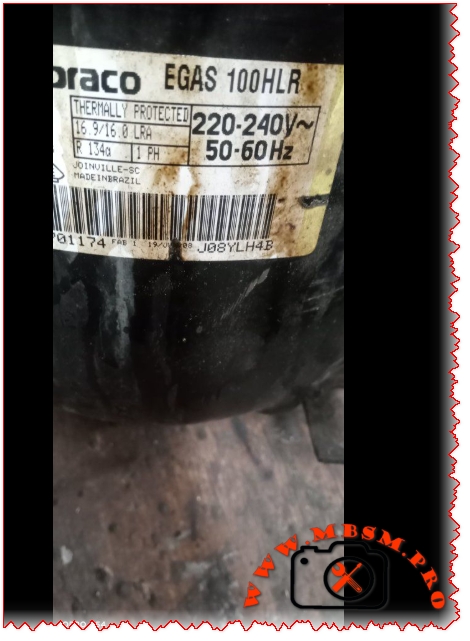
EGAS100HLR
Embraco
1/3
220-240V/50Hz
R134a
250
~1.20–1.30
LBP
Freezing/Cooling
STT134L
Secop
1/3
220-240V/50Hz
R134a
205
~1.20
LBP
Freezing/Cooling
AEA4440Y
Tecumseh
1/3
220-240V/50Hz
R134a
226
1.10
LBP
Freezing/Cooling
ZR86AA
Zero
1/3
220-240V/50Hz
R134a
250
1.52
LBP
Commercial/Freezing
GPY14NGA
Cubigel
1/3
200-220V/50Hz
R134a
250
~1.30
LBP
Display fridges
LM72CZ
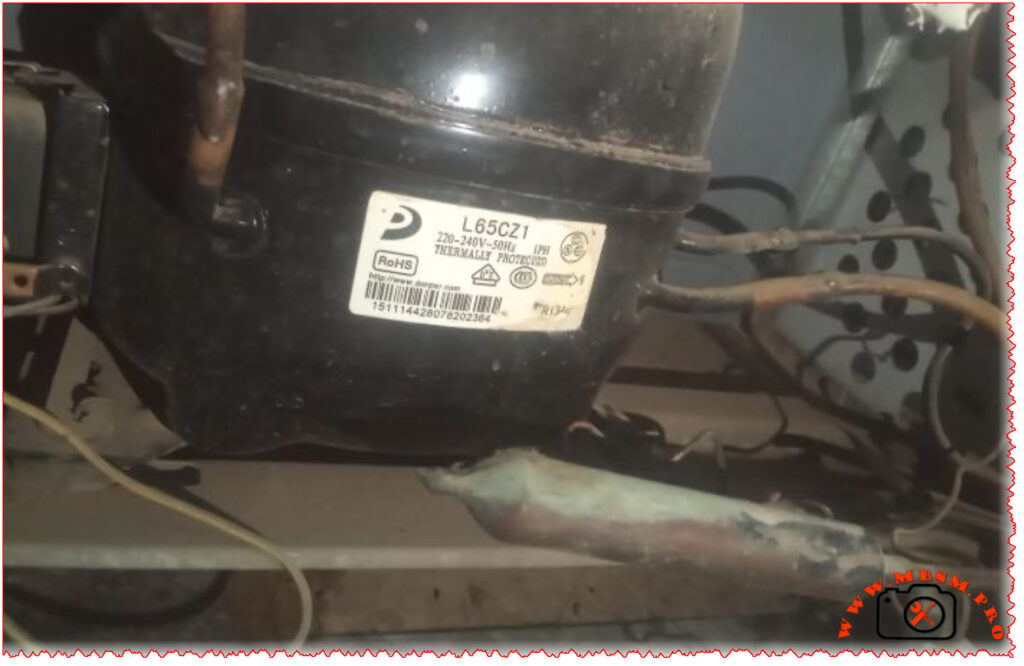
Donper
1/3
220V/50Hz
R134a
~245
~1.25
LBP
Fridge/Freezer
EGM90AZ
ZMC
1/3
220-240V/50Hz
R134a
~235
~1.20
LBP
Domestic, commercial
ML200A
Samsung
1/3
220-240V/50Hz
R134a
~240
~1.22
LBP
Home/commercial
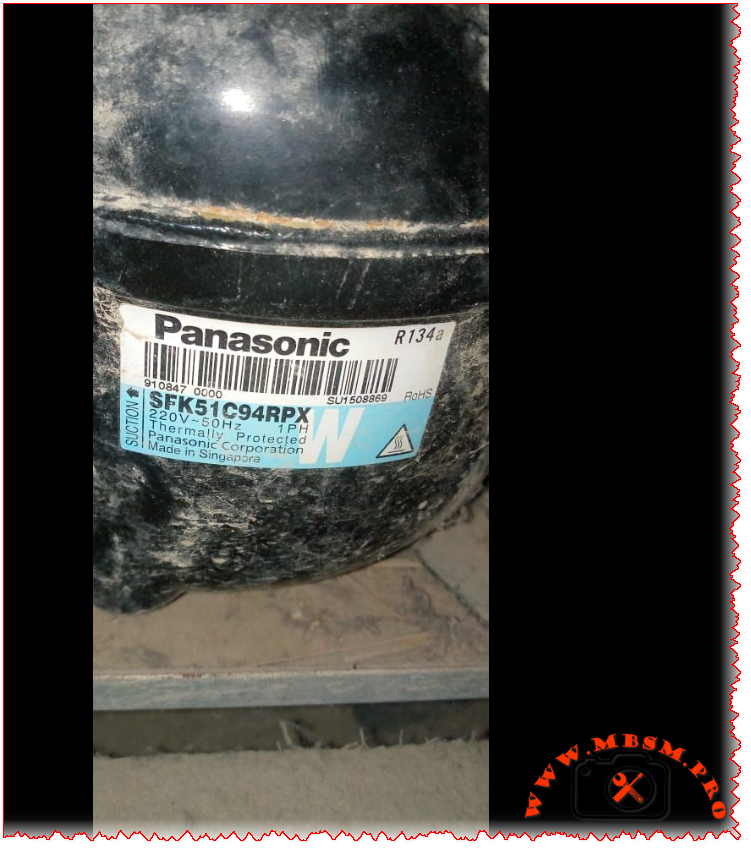
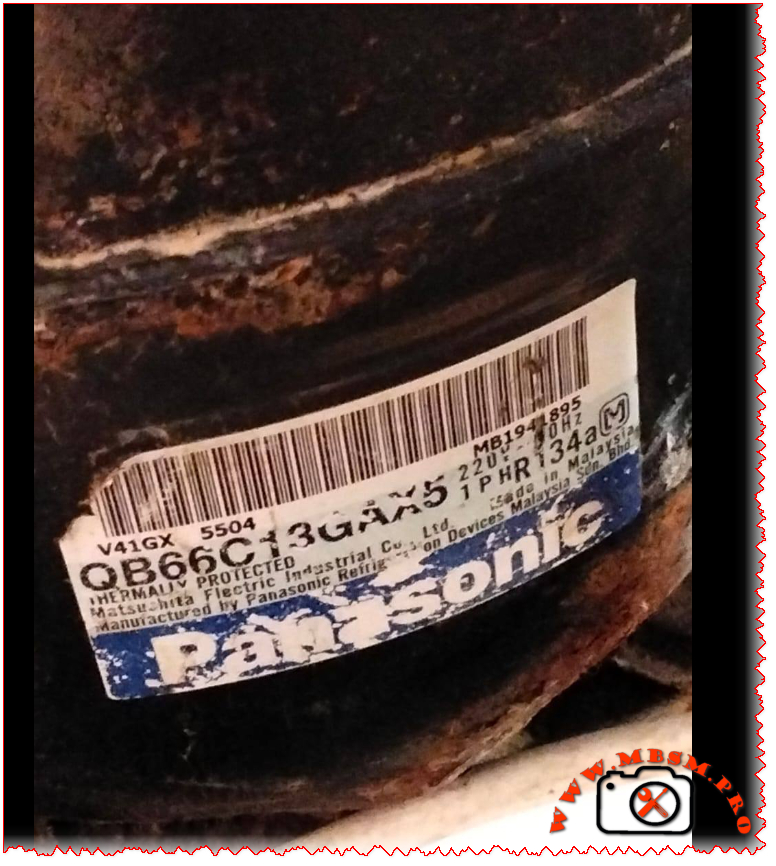
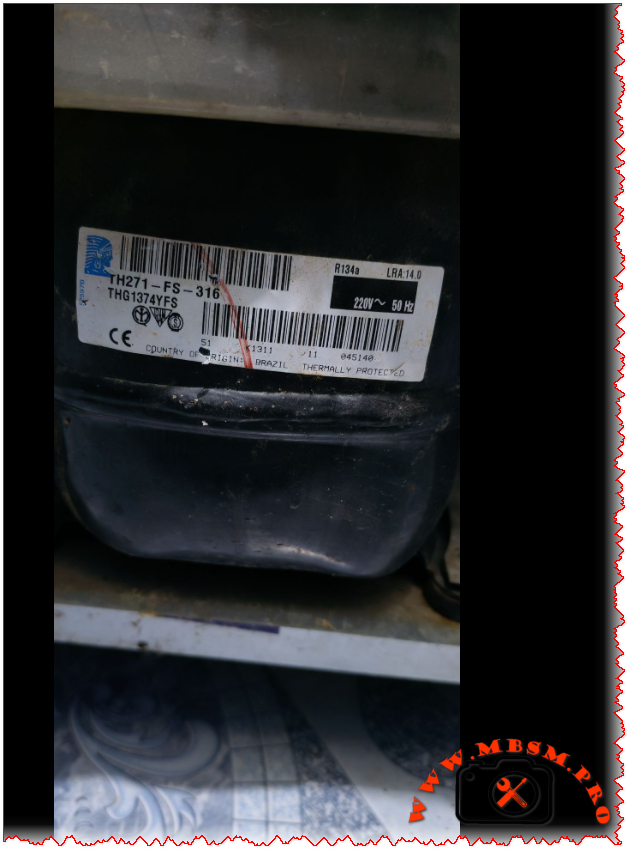
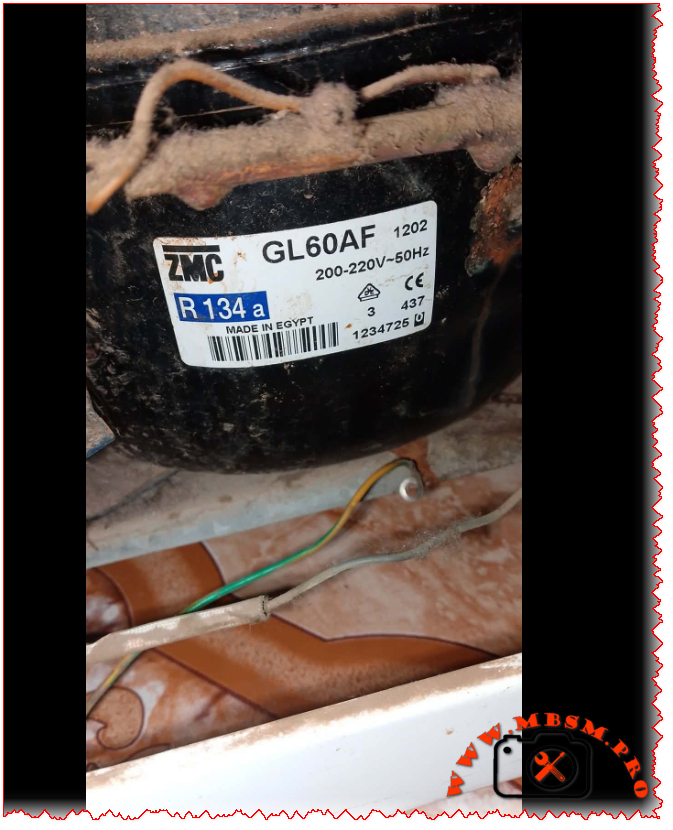
Exclusive Images:
Analysis and Use Cases:
Siberia GFF75AA: Known for balanced performance and robust construction.
Panasonic PFL75AA: Superior range, especially for commercial applications.
Embraco EGAS100HLR: Quiet, efficient—choice for high-demand retail.
Secop STT134L: Trusted for reliability and multi-temperature settings.
Zero ZR86AA: High efficiency, strong for commercial setups.
Cubigel GPY14NGA: Reliable, used in display and retail cooling.
Donper LM72CZ: Versatile and value-focused.
ZMC EGM90AZ: Efficient for domestic and small business.
Samsung ML200A: Modern electronics, energy efficiency.
Conclusion:
Every fridge, freezer, and cold chain project has its unique requirements. The compressors above deliver trusted results for cooling and freezing, each with strengths in performance, efficiency, and system compatibility. For professional guidance and integration help, contact mbsmgroup.tn or mbsmpro.com.