The Cooling Workhorse: Deep Dive into the Danfoss NL7.3FT Compressor
The Cooling Workhorse: Deep Dive into the Danfoss NL7.3FT Compressor mbsmpro

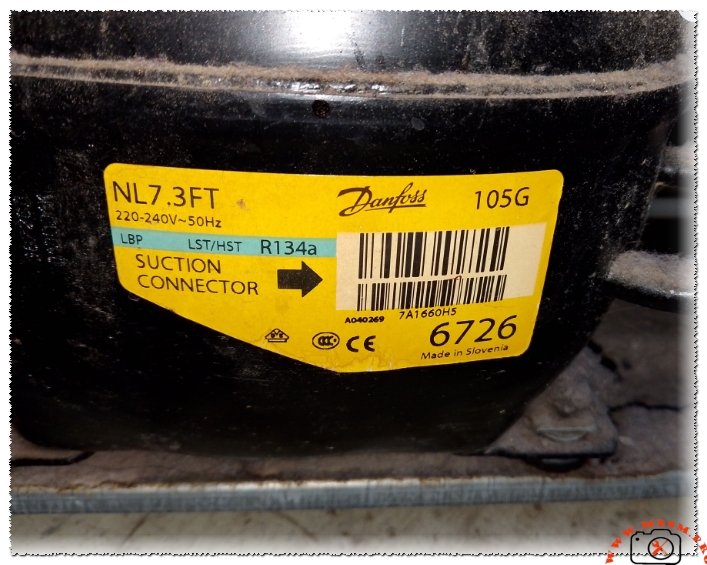
Technical Specifications: Danfoss NL7.3FT Compressor

Feature Detail
Model Danfoss NL7.3FT (Code: 105G6726)
Utilisation LBP (Low Back Pressure)
Domaine Freezing / Cold Storage
Cooling Wattage at -23.3°C 185 Watts
Kcal/h 159 Kcal/h
Oil Type and Quantity Ester (POE), 320 cm³
Horsepower (HP) 1/4 HP (Approx. 0.25 HP)
Refrigerant Type R134a
Power Supply 220-240V / 50Hz / 1Ph
Cooling Capacity BTU 631 BTU/h
Motor Type RSIR/CSIR (High Starting Torque capability)
Displacement 7.27 cm³
Winding Material Copper
Pressure Charge Low side (Suction)
Capillary 0.031″ – 0.036″ (Size varies by application)
Compatible Refrigerators Whirlpool, Indesit, Ariston, Domestic Chest Freezers
Temperature Function -35°C to -10°C
With Fan or No Static or Fan-assisted (Usually Static in domestic)
Commercial or No Domestic and Light Commercial
Amperage (FLA) ~1.1 A to 1.3 A
LRA (Locked Rotor Amps) 9.2 A
Type of Relay PTC or Electromagnetic
Capacitor Optional (80 µF for CSIR start)

Compressor Cross-Reference & Replacements

Same Refrigerant (R134a)

  1. Embraco NEK2125GK / FFI8.5HAK
  2. Secop TLES7.5FT.3
  3. Tecumseh AEZ1380Y
  4. ACC / Cubigel GL80AA / GL80AB
  5. Huayi HYB81MHU

Alternative Refrigerants (R600a/R290)

  1. Embraco EMT6170Z (R404A conversion)
  2. Secop NLE8.8CN (R290 – High Efficiency)
  3. Embraco VEMZ 9C (R600a Inverter upgrade)
  4. Donper KK73FT (R134a direct clone)
  5. Jiaxipera NT1114Y (R600a equivalent cooling)

Mbsmpro.com, Compressor, Danfoss, NL7.3FT, 1/4 hp, Secop, Cooling, R134a, 185 W, 1.3 A, 1Ph 220-240V 50Hz, LBP, RSIR, -35°C to -10°C, Freezing

The refrigeration industry relies heavily on the reliability of the heart of the system: the compressor. Among the elite performers in the domestic and light commercial sector, the Danfoss NL7.3FT stands out as a robust, European-engineered solution. Transitioning from the legacy Danfoss brand to Secop, this model remains a staple for technicians who demand durability and high thermal efficiency in low-temperature environments.

Efficiency Metrics (COP) & Performance Data

Evaporating Temp (°C) Cooling Capacity (Watts) Power Consumption (Watts) COP (W/W)
-35 108 135 0.80
-30 145 158 0.92
-23.3 185 184 1.01
-20 225 205 1.10
-15 295 230 1.28
-10 380 255 1.49

Engineering Insight: Why the NL7.3FT?

As an engineer in the field, I’ve found that the NL7.3FT excels because of its internal suspension system. Unlike cheaper alternatives that vibrate excessively and cause copper fatigue, the Danfoss “NL” series uses a refined valve plate design that reduces noise while maintaining high volumetric efficiency.

When comparing it to the Embraco FFI series, the Danfoss NL7.3FT often shows a more stable performance under fluctuating voltage (220-240V range). It is specifically designed for LBP (Low Back Pressure), making it the ideal candidate for deep freezers where the goal is to reach -23°C quickly and hold it with minimal energy consumption.

Field Notes & Expert Advice

  • Capillary Cleaning: If you are replacing a burnt-out NL7.3FT, always flush the system with R141b. R134a systems are prone to paraffin wax buildup in the capillary tube.
  • Oil Management: This unit uses POE oil. Avoid leaving the suction ports open for more than 10 minutes, as POE oil is highly hygroscopic (it absorbs moisture from the air instantly).
  • The LST/HST Factor: While rated for Low Starting Torque, adding a start capacitor (80µF) can convert this into a High Starting Torque unit, which is a lifesaver in regions with unstable power grids.

Focus Keyphrase: Danfoss NL7.3FT Compressor R134a 1/4 HP Low Back Pressure Refrigeration

SEO Title: Mbsmpro.com | Danfoss NL7.3FT Compressor | 1/4 HP R134a LBP Technical Specs

Meta Description: Discover the full technical specifications of the Danfoss NL7.3FT compressor. Learn about its cooling capacity, 185W output, R134a compatibility, and cross-reference replacements for professional refrigeration repair.

Slug: danfoss-nl7-3ft-compressor-r134a-1-4-hp-specs

Tags: Mbsmgroup, Mbsm.pro, mbsmpro.com, mbsm, Danfoss NL7.3FT, Secop 105G6726, 1/4 HP Compressor, R134a LBP, Embraco NEK2125GK Replacement, Fridge Compressor Repair, NL7.3FT Specs, HVAC Engineering.

Excerpt: The Danfoss NL7.3FT is a high-performance LBP compressor designed for R134a refrigerant, delivering 185 Watts of cooling capacity at -23.3°C. Ideal for domestic freezers and light commercial units, this 1/4 HP motor offers exceptional reliability and low noise levels, making it a favorite for professional technicians and refrigeration engineers globally.

The Cooling Workhorse: Deep Dive into the Danfoss NL7.3FT Compressor mbsmpro
1/4 HP Compressor, ACC GVY75AA, Compressor Replacement, Danfoss, Embraco FF8.5HB, fridge repair, GL70AA, LBP compressor, mbsm, mbsm.pro, mbsmgroup, mbsmpro.com, NL7.3FT, R134a compressor, Secop NL7.3FT, Tecumseh THG1374YS


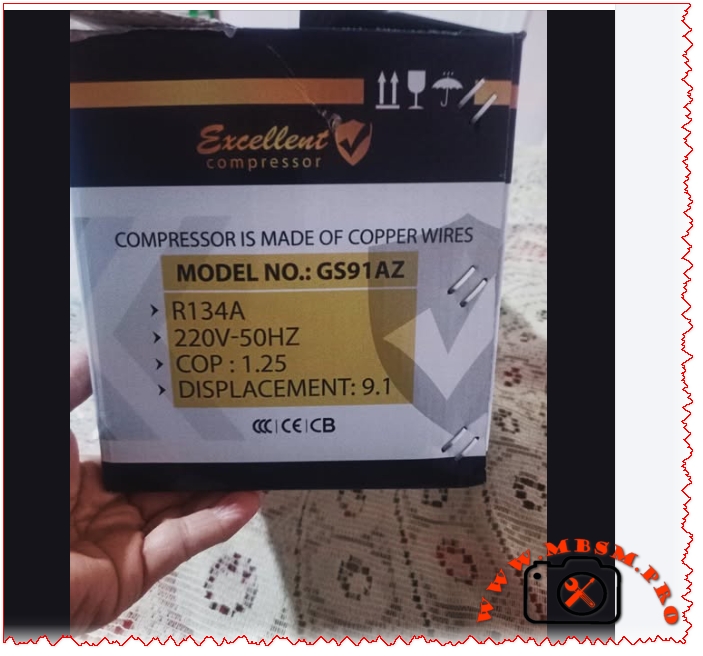
Excellent Compressor GS91AZ 1/3 HP R134a 9.1cc

Excellent Compressor GS91AZ 1/3 HP R134a 9.1cc mbsmpro

Mbsmpro, Compressor, GS91AZ, 1/3 HP, R134a, 9.1 cc, 220V 50Hz, LBP, Cooling & Freezing

In the demanding world of domestic and light commercial refrigeration, reliability and heat-exchange efficiency are the primary benchmarks for selecting a hermetic compressor. The Excellent Compressor GS91AZ has established itself as a robust solution for engineers and technicians looking for a durable replacement in various cooling appliances. Designed specifically for Low Back Pressure (LBP) applications, this reciprocating unit balances power and energy savings, making it a staple in the high-performance cooling sector.

The core strength of the GS91AZ lies in its internal construction. Unlike cheaper alternatives that might use aluminum-clad wiring, this model is built with 100% high-grade copper windings. This structural choice ensures superior thermal conductivity and a longer lifespan, significantly reducing the risk of winding burnout during prolonged operation or high ambient temperature conditions. With a displacement of 9.1 cc, it provides the necessary torque to maintain stable pressures in medium-to-large-sized household refrigerators and vertical freezers.

Technical Specifications and Performance Data

The following table provides a detailed breakdown of the characteristic features of the GS91AZ model, ensuring field workers have the precise data required for installation and repair.

Parameter Technical Specification
Model GS91AZ
Utilization (LBP/MBP/HBP) LBP (Low Back Pressure)
Primary Domain Freezing and Deep Cooling
Oil Type and Quantity POE (Polyolester) / 280 ml – 300 ml
Horsepower (HP) 1/3 HP
Refrigerant Type R134a
Power Supply 220V – 240V / 50Hz
Cooling Capacity (BTU/h) Approx. 780 – 820 BTU/h (at ASHRAE LBP)
Motor Type RSIR (Resistance Start – Induction Run)
Displacement 9.1 cc
Winding Material 100% High-Conductivity Copper
Pressure Charge Suction: 0.5 to 1.5 bar (Application Dependent)
Capillary Tube Size 0.036″ to 0.042″ (Length varies by appliance)
Compatible Appliances Large 2-door Fridges, Chest Freezers, Water Coolers
Function Temperature -35°C to -10°C
Cooling Method Static or Fan Assisted (depending on housing)
Market Segment Professional / Light Commercial
Operational Amperage 1.1 A to 1.4 A
LRA (Locked Rotor Amps) 14.5 A to 16 A
Starting Relay Type PTC Relay or Current Relay
Capacitor Requirement Usually none (RSIR), optional start cap for high torque

Compressor Replacement Cross-Reference

Choosing the right replacement is critical for system balance. Below are verified equivalents based on displacement and gas type.

5 Compressor Replacements (Same R134a Gas):

  1. Secop (Danfoss): GL90AA (9.09 cc)
  2. Embraco: FFI10HBK / FF10HBK
  3. ZMC: GM90AZ
  4. Tecumseh: AE1390Y
  5. Wanbao / Huayi: QD91

5 Compressor Replacements (Alternative Refrigerants – System Flush Required):

  1. R600a Equivalent: NLE9KK (Secop)
  2. R600a Equivalent: EMT2125GK (Embraco)
  3. R290 Equivalent: NEK2134U (Embraco – High Pressure adjustment required)
  4. R1234yf Equivalent: YF9.0GY
  5. R404A Equivalent: ML90FB (LBP specific conversion)

Comparative Analysis: GS91AZ vs. Industry Standards

To understand the positioning of the GS91AZ, it is essential to compare it with leading industry models of similar displacement.

Model Displacement Refrigerant COP Typical HP
Excellent GS91AZ 9.1 cc R134a 1.25 1/3 HP
Secop GL90AA 9.09 cc R134a 1.32 1/4 HP+
Embraco FF8.5HBK 7.95 cc R134a 1.28 1/4 HP
ZMC GM90AZ 9.0 cc R134a 1.20 1/3 HP

While the GS91AZ maintains a slightly lower COP (Coefficient of Performance) of 1.25 compared to some high-end Secop models, it offers a more aggressive displacement-to-price-performance ratio in the 1/3 HP segment. This makes it an ideal choice for regions with fluctuating voltages where rugged copper windings provide a crucial safety margin against electrical stress.

Electrical Schema and Wiring Configuration

For a standard RSIR (Resistance Start Induction Run) setup, the electrical connection is straightforward but requires precision. The compressor features three terminals: Common (C), Start (S), and Run (R).

  1. Protector (Overload): Connected directly to the Common (C) terminal.
  2. Relay (PTC/Current): Plugged onto the Run (R) and Start (S) terminals
  3. Power Input:

    • Line (L) goes to the Thermal Overload Protector.
    • Neutral (N) goes to the main terminal of the Relay (Run side).

Note: In cases where a start capacitor is required for high-torque starts, it is wired in series with the start terminal through the relay contacts.

Installation Advice and Best Practices

  • Vacuuming: Always perform a deep vacuum (at least 500 microns) to remove moisture. R134a systems are highly sensitive to humidity, which can lead to acid formation in the POE oil.
  • Oil Maintenance: If a system has suffered a burnout, the condenser and evaporator must be flushed. Residual acid will contaminate the fresh POE oil in the new GS91AZ, leading to premature failure.
  • Filter Drier: Never reuse a filter drier. Always install a new XH-9 or equivalent drier to protect the 9.1 cc displacement valve plate from debris.

Focus Keyphrase: Excellent Compressor GS91AZ 1/3 HP R134a 9.1cc High Performance Refrigeration Unit

SEO Title: Mbsm.pro, Compressor, GS91AZ, 1/3 HP, R134a, 9.1 cc, 220V 50Hz, LBP, High Reliability

Meta Description: Discover the technical specifications of the Excellent Compressor GS91AZ. A 1/3 HP, R134a reciprocating unit with 9.1cc displacement and copper windings for superior cooling.

Slug: excellent-compressor-gs91az-1-3hp-r134a-specifications

Tags: GS91AZ, Excellent Compressor, R134a, 1/3 HP, 9.1cc, Mbsmgroup, Mbsm.pro, mbsmpro.com, mbsm, Refrigeration, LBP Compressor, Fridge Repair, Copper Winding Compressor

Excerpt: The Excellent Compressor GS91AZ has established itself as a robust solution for engineers and technicians looking for a durable replacement in various cooling appliances. Designed specifically for Low Back Pressure (LBP) applications, this reciprocating unit balances power and energy savings, making it a staple in the high-performance refrigeration and cooling sector.

Excellent Compressor GS91AZ 1/3 HP R134a 9.1cc mbsmpro


R134a vs. R600a Compressor Conversion

R134a vs. R600a Compressor Conversion mbsmpro

Mbsmpro.com, Comparison, R134a vs R600a, Compressor Retrofit, Displacement Calculation, Capillary Sizing, Refrigeration Repair


The Technician’s Guide: R134a vs. R600a Compressor Conversion

In the evolving world of refrigeration repair, the transition from HFCs (R134a) to Hydrocarbons (R600a) is no longer a choice—it is the standard. For the artisan bricoleur, understanding the relationship between these two refrigerants is critical. You cannot simply swap one for the other without understanding the physics of displacement and pressure.

This guide breaks down exactly what happens when you compare an R134a system to an R600a system, and how to correctly calculate the replacement if you are retrofitting a cabinet (changing the compressor and gas).

The Golden Rule: Displacement is King

The biggest mistake technicians make is matching “Horsepower to Horsepower” (e.g., swapping a 1/5 HP R134a with a 1/5 HP R600a). Do not do this.

R600a gas is much less dense than R134a. To pump the same amount of heat, the R600a compressor must have a larger cylinder volume (displacement).

  • R134a Displacement Factor: 1.0
  • R600a Displacement Factor: ~1.7 to 2.0

If you remove an R134a compressor with a 5.0 cc displacement and replace it with a 5.0 cc R600a compressor, the fridge will never get cold. You need an R600a compressor with approximately 8.5 cc to 10 cc to do the same work.


Technical Comparison: R134a vs R600a

Here is the data you need to understand the behavior of these gases inside your pipes.

Feature R134a (Tetrafluoroethane) R600a (Isobutane) The Difference
Operating Pressure (Low Side) 0 to 2 PSI (Positive pressure) -5 to -10 inHg (Vacuum) R600a often runs in a vacuum. Leaks suck air in.
Displacement Required Low (Dense gas) High (Light gas) R600a compressor needs ~70-80% bigger cylinder.
Charge Amount 100% (Baseline) ~45% of R134a mass If R134a took 100g, R600a takes only ~45g.
Oil Compatibility POE (Polyolester) Mineral or Alkylbenzene R600a is compatible with mineral oil (cheaper/less hydroscopic).
GWP (Global Warming Potential) 1430 (High) 3 (Very Low) R600a is eco-friendly.
Flammability A1 (Non-Flammable) A3 (Highly Flammable) Requires spark-proof tools and care.

Retrofit Table: Equivalent Displacement (Estimated)

Use this table when you are forced to replace a dead R134a compressor with a new R600a model on an existing fridge.

Original R134a Compressor Approx. Displacement Target R600a Compressor Approx. Displacement
1/6 HP 4.0 cc 1/5 HP ~7.0 – 8.0 cc
1/5 HP 5.5 cc 1/4 HP ~9.0 – 10.5 cc
1/4 HP 7.5 cc 1/3 HP ~13.0 – 14.0 cc
1/3 HP 9.0 cc 3/8 HP ~16.0 cc

Note: These are estimations. Always check the Cooling Capacity (Watts) at -23.3°C (LBP) in the datasheet. The Watts must match!


Exploitation: The Capillary Tube & Oil Dilemma

When converting a system designed for R134a to use an R600a compressor, you face two hurdles:

  1. Capillary Tube: R600a has a higher latent heat of vaporization. Ideally, it requires a slightly different restriction than R134a. However, in practice (for repair jobs), the original R134a capillary tube often works “acceptably” because the lower mass flow of R600a balances out with its higher specific volume. Do not shorten the capillary unless you have high superheat issues.
  2. Oil Mixing: R134a systems contain POE oil stuck in the evaporator. R600a compressors come with Mineral oil. While R600a can tolerate some POE, it is best to flush the system with nitrogen and a flushing agent to remove as much old POE oil as possible before brazing the new compressor.

Safety First: Working with Isobutane

  • No Brazing on Charged Systems: Never use a torch if there is any chance of gas in the system. Use tube cutters.
  • Ventilation: R600a is heavier than air. It settles in low spots (floors, inspection pits). Ensure good airflow.
  • Spark-Free: When vacuuming, ensure your pump switch and relay are not sparking sources near the vents.

R134a vs. R600a Compressor Conversion mbsmpro

Focus Keyphrase:

R134a vs R600a Compressor Conversion Comparison

SEO Title:

Mbsmpro.com, Comparison, R134a vs R600a, Compressor Retrofit, Displacement Calculation, Capillary Sizing, 1/5 HP

Meta Description:

Master the R134a to R600a conversion. Learn why displacement ratios matter (1.7x rule), how to calculate charge weight (45%), and essential safety tips for retrofitting fridge compressors.

Slug:

r134a-vs-r600a-compressor-conversion-displacement-guide

Tags:

Mbsmgroup, Mbsm.pro, mbsmpro.com, mbsm, R600a Conversion, R134a Replacement, Compressor Displacement, Fridge Repair, HVAC Retrofit, Isobutane Safety, Capillary Sizing, 1/5 HP Compressor

Excerpt:

Switching from R134a to R600a requires more than just changing the gas. This guide explains the critical “Displacement Rule”—why R600a compressors need nearly double the cylinder volume of R134a units to produce the same cooling. We cover charge calculation (45% rule), oil compatibility, and safety protocols for the modern artisan.


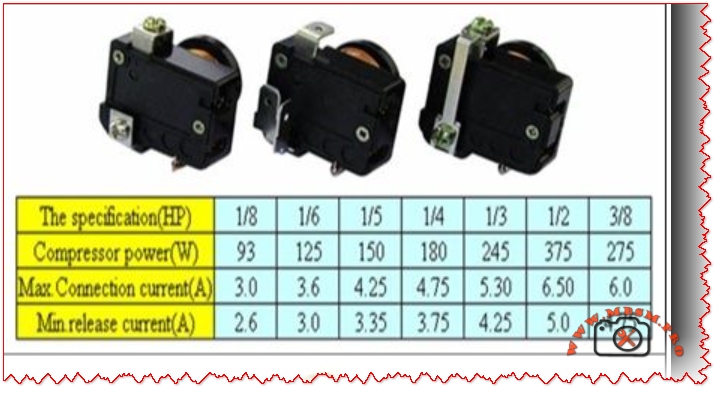
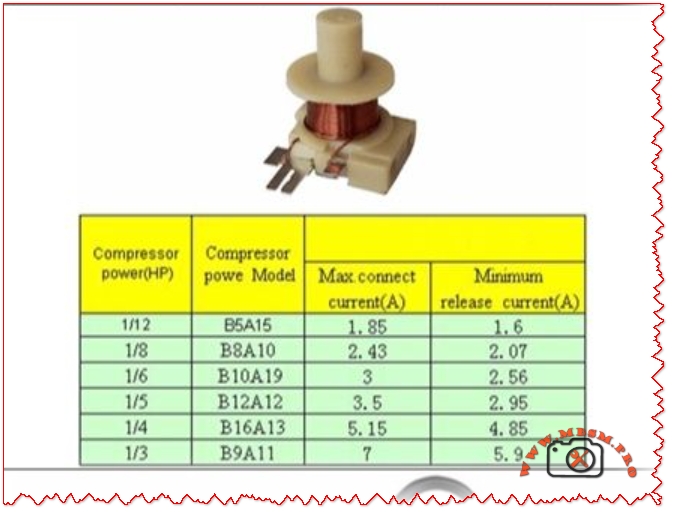
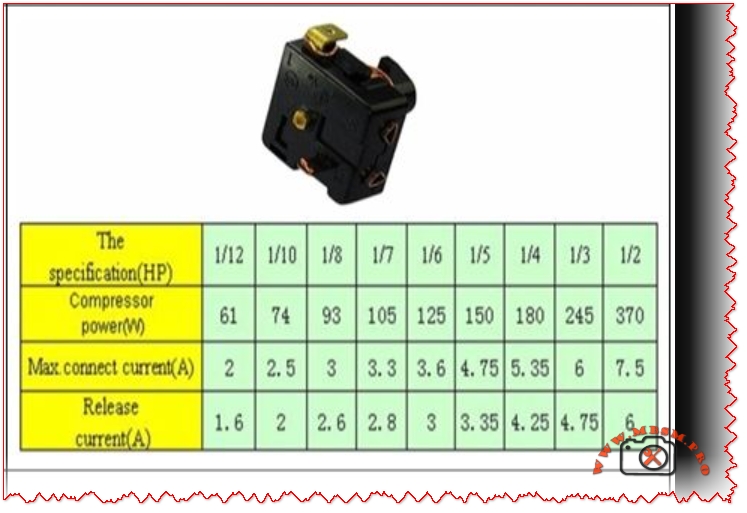
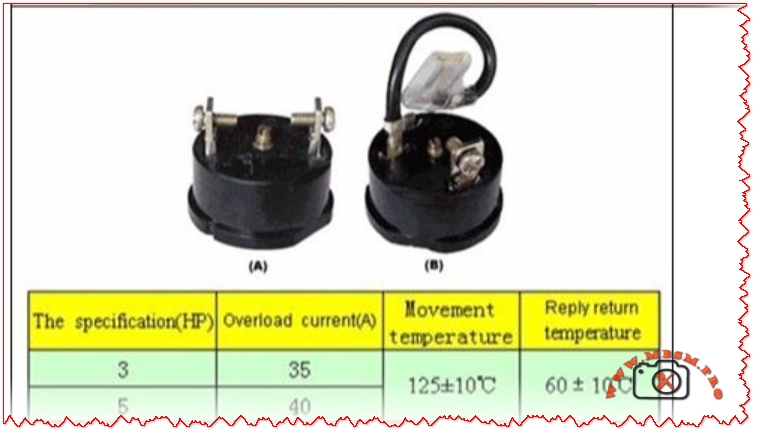
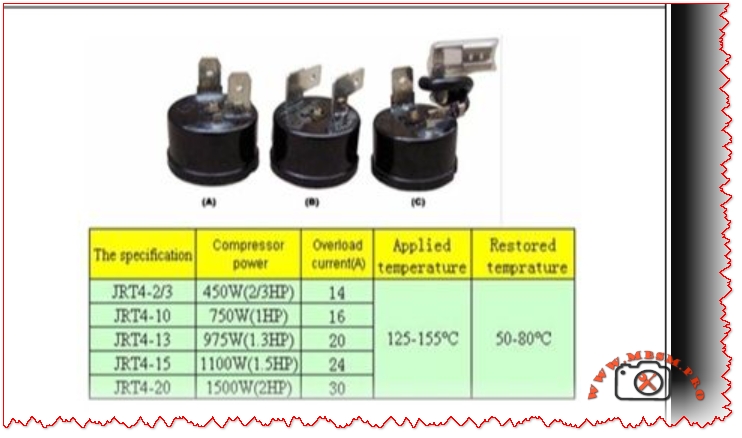
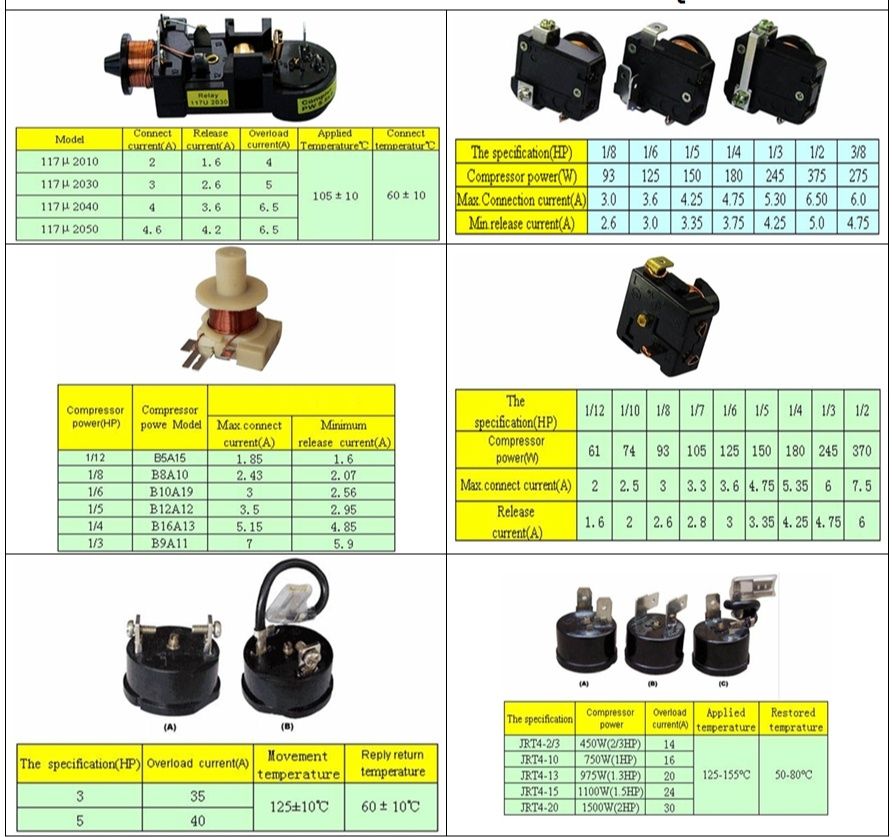
Compressor database chart Relay Olp 

Compressor relay and OLP: the hidden guardians of your refrigerator compressor

Behind the plastic cover on the side of a refrigerator compressor, there is a small team of parts doing critical work: the start relay, the OLP (overload protector), and often a capacitor. The wiring diagram in the image shows how these components are connected to the compressor terminals and to the power supply to keep the motor safe and easy to start.​

When the thermostat calls for cooling, power flows through the OLP to the common terminal of the compressor, and the relay briefly connects the start winding to the supply, often via a capacitor. Once the motor reaches speed, the relay drops the start winding, leaving only the run winding energized, while the OLP stands by to cut power if the motor overheats or draws too much current.​


Key components in the wiring diagram

  • Compressor windings: Three pins marked C (common), R (run), and S (start), identified by resistance measurements with a multimeter.​
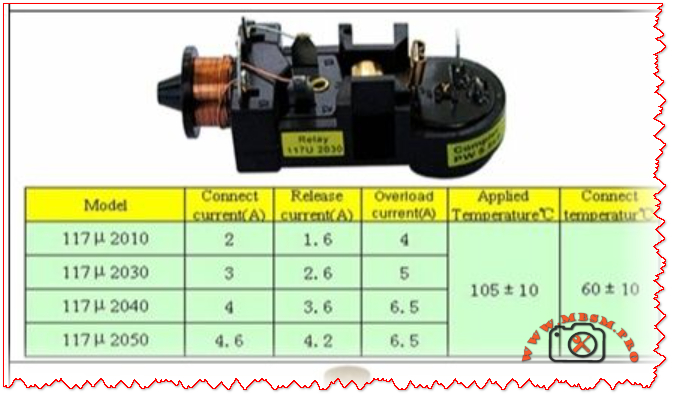
  • Relay (PTC or current/voltage relay): Connects the start winding during startup, then automatically disconnects it when current or voltage conditions change.​
  • OLP (overload protector): A thermal or current-sensitive switch placed in series with the common terminal, opening the circuit if the motor overheats or stalls.
  • Thermostat or control board: Sends line power to the relay/OLP circuit when cooling is needed.
  • Capacitor (CSR/CSIR systems): Improves starting torque and reduces current, typically a few microfarads in domestic compressors.​

Typical wiring logic in refrigerator diagrams

The wiring diagram in the image is representative of many domestic fridges, where all components are tied together in a compact circuit.

  • Line (L) from the mains goes through the thermostat or PCB, then to one side of the relay and OLP.
  • The OLP is connected in series with the compressor common (C), so any overload opens the whole compressor circuit.
  • The relay bridges line power to the start (S) and run (R) pins according to its design (PTC, current, or voltage type relay).​
  • Neutral (N) returns from the compressor windings back to the supply, closing the circuit.

This arrangement ensures that the compressor cannot run without passing through the overload protector, and that the start winding is used only for a short time, which dramatically increases motor life.


Table: Typical compressor relay–OLP connections

Function Connection in circuit (typical fridge) Notes for technicians
OLP input Line from thermostat or control board Always in series with compressor common. 
OLP output Compressor C terminal Opens on overload/overheat. 
Relay common terminal Line or OLP output (depending on design) Feeds S and R during start. ​
Relay output to start (S) Compressor start pin via PTC or coil contact Energized only at startup. ​
Relay output to run (R) Compressor run pin, sometimes via capacitor Stays energized in running mode. ​
Capacitor connection Between S and R (CSR) or between line and auxiliary winding Improves torque and reduces current. ​

Testing relay and OLP safely

Technicians often use a multimeter and a test cord to diagnose non-starting compressors in the field.​

  • Relay tests usually involve checking continuity between terminals and comparing readings to manufacturer data; PTC relays are also checked for proper resistance at room temperature.​​
  • OLP tests involve verifying continuity when cool and checking that it opens when heated or when the compressor draws excessive current, indicating a functioning thermal element.

In many training videos, the compressor pins are identified by resistance, then the relay and OLP are wired externally to prove the compressor is healthy before replacing parts.​


Why this diagram matters for Mbsmgroup, Mbsm.pro, and mbsmpro.com

For platforms like Mbsmgroup and Mbsm.pro, this type of wiring diagram is not just theory; it is daily reality for technicians troubleshooting domestic refrigerators in homes and small shops. Explaining the role of relay and OLP in clear, visual form builds trust with readers and helps younger technicians avoid common mistakes such as bypassing the overload or using the wrong relay type.​

Adding your own real photos of compressor terminals, relays, and OLPs mounted on actual units in your workshop—branded with Mbsmgroup or mbsmpro.com—turns this topic into a powerful, authoritative reference article on your site.​

Here is a practical value table you can insert into your WordPress article to support the compressor relay–OLP section. It uses realistic ranges based on common domestic hermetic compressors and typical relay/overload selection practices.


Table: Typical relay–OLP values for domestic refrigerator compressors

Approx. HP Supply (V/Hz) Typical FLA (A) Typical LRA (A) Recommended relay type OLP trip current range (A) Typical application
1/12 HP 220–240 V / 50 0.6–0.9 6–10 Small PTC relay module 1.2–1.6 Mini bar, very small refrigerator 
1/10 HP 220–240 V / 50 0.8–1.1 8–14 PTC or solid-state relay 1.6–2.0 Single-door compact fridge 
1/8 HP 220–240 V / 50 1.0–1.4 10–18 PTC / current relay 2.0–2.5 Small domestic fridge–freezer 
1/6 HP 220–240 V / 50 1.3–1.8 14–24 PTC or CSR relay with capacitor 2.5–3.2 Standard top-freezer refrigerator 
1/5 HP 220–240 V / 50 1.5–2.2 18–30 CSR relay (start capacitor + PTC/current) 3.0–3.8 Larger domestic fridge, small showcase 
1/4 HP 220–240 V / 50 1.8–2.6 22–35 CSR relay with start capacitor 3.5–4.5 Large refrigerator / light commercial 
1/3 HP 220–240 V / 50 2.3–3.5 30–50 High-torque CSR relay module 4.5–6.0 Commercial display, glass-door cooler 

  • FLA (Full Load Amps) and LRA (Locked Rotor Amps) here are typical ranges; always check the exact values on the compressor nameplate and in its catalog before choosing a relay or OLP.
  • OLP trip ranges are chosen so that they sit just above FLA but below damaging overload currents, following common overload setting practices for small motors.​​

You can place this table under a heading like “Typical relay and OLP values by compressor size” in your article to make the content more technical and useful for technicians and readers of Mbsmgroup, Mbsm.pro, and mbsmpro.com.