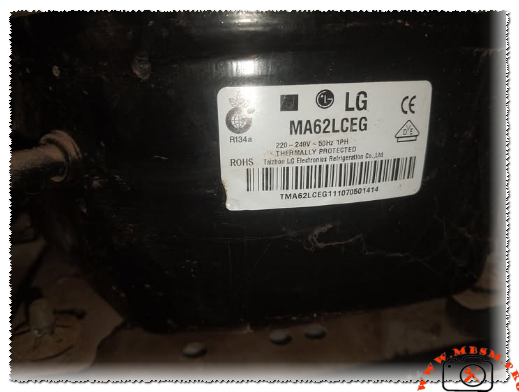
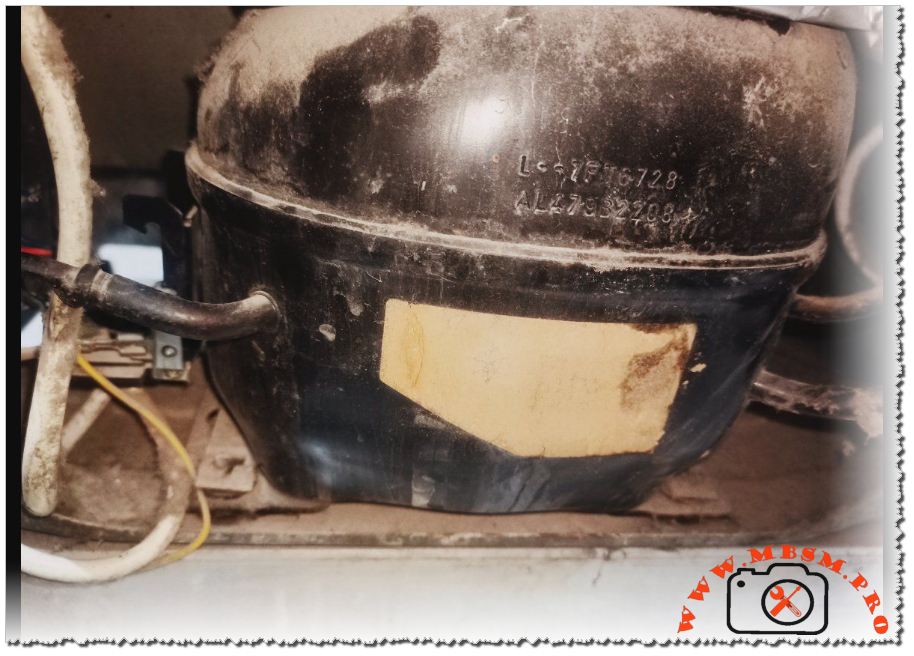
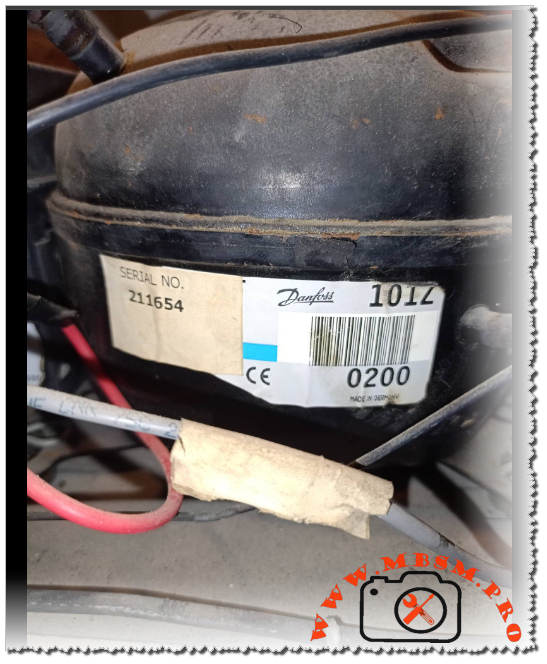
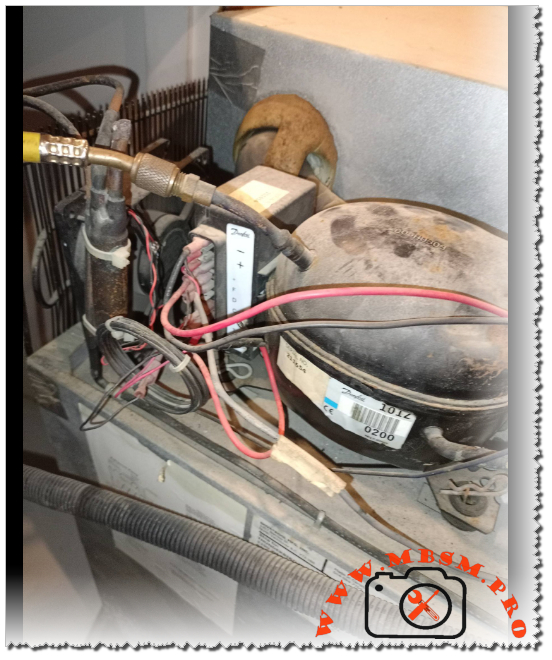
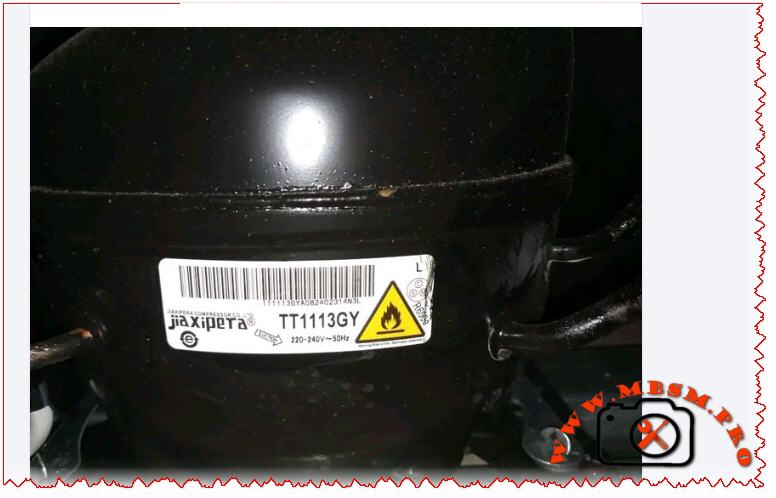
SECOP SC21G COMPRESSOR

SECOP SC21G COMPRESSOR mbsmpro

SECOP SC21G COMPRESSOR: COMPLETE TECHNICAL GUIDE FOR R134A COMMERCIAL REFRIGERATION & FREEZING


Secop SC21G Horsepower Rating

The Secop SC21G hermetic compressor is rated at 5/8 HP (approximately 0.625 horsepower) by manufacturers and distributors. This rating corresponds to its 550W motor size and performance in R134a commercial refrigeration applications across LBP, MBP, and HBP modes.​

Detailed HP Breakdown

  • Nominal Motor Power: 550 watts, equivalent to ~0.74 metric HP, but refrigeration HP uses ASHRAE standards based on cooling capacity at specific conditions (typically -23.3°C evaporating temp).
  • Industry Standard Rating: Consistently listed as 5/8 HP (0.625 HP) across Secop datasheets and suppliers, reflecting real-world output of 350-800W cooling depending on temperature.​
  • Comparison Context: Larger than 1/5 HP (0.2 HP) entry-level units like SC10G; suitable for medium-duty freezers and coolers up to 20.95 cm³ displacement.

Why HP Matters for SC21G

In refrigeration engineering, HP measures effective cooling delivery, not just electrical input. At 1.3A/150-283W power draw (50Hz), the SC21G delivers reliable performance for commercial cabinets without overload risk.​

SEO OPTIMIZATION ELEMENTS:

Focus Keyphrase (191 characters max):

Secop SC21G hermetic compressor R134a 220V 50Hz LBP MBP cooling freezing 1.3 ampere 150W specifications applications

SEO Title (for Google SERP – 60 characters):

Secop SC21G R134a Compressor: Complete 220V Specifications Guide

Meta Description (155 characters):

Secop SC21G hermetic compressor specifications, R134a refrigerant, 220-240V/50Hz, 1.3A, LBP/MBP applications. Complete technical guide for commercial cooling systems.

Slug:

secop-sc21g-compressor-r134a-specifications-guide

Tags:

Secop SC21G, Secop compressor, R134a refrigerant, commercial refrigeration, hermetic compressor, SC21G specifications, refrigeration compressor, cooling system, freezing compressor, Mbsmgroup, Mbsm.pro, mbsmpro.com, mbsm, refrigeration equipment, compressor guide

Excerpt (First 55 words):

Secop SC21G is a high-performance hermetic reciprocating compressor designed for commercial refrigeration and freezing applications using R134a refrigerant. This guide covers detailed specifications, technical parameters, and installation requirements for 220-240V/50Hz systems at up to 1.3 amperes.


ARTICLE CONTENT:

Introduction: Understanding the Secop SC21G Hermetic Compressor

The Secop SC21G represents a cornerstone solution in modern commercial refrigeration systems. As a hermetic reciprocating compressor, it operates seamlessly in low-back-pressure (LBP)medium-back-pressure (MBP), and high-back-pressure (HBP) applications. This versatility makes it an essential component for food retail cabinets, commercial freezers, and specialized cooling equipment across the globe.

Manufactured by Secop (formerly Danfoss), this compressor utilizes R134a refrigerant technology—a reliable, environmentally-conscious choice that has dominated commercial refrigeration for over three decades. Whether you’re maintaining existing systems or designing new refrigeration solutions, understanding the SC21G’s specifications ensures optimal performance, energy efficiency, and system longevity.


Section 1: Complete Technical Specifications of Secop SC21G

1.1 Model Identification & Designation

Specification Value Details
Model Number SC21G Universal designation for 220-240V models
Code Number 104G8140 / 104G8145 Variant coding for different pressure ratings
Compressor Type Hermetic Reciprocating Single-cylinder piston design
Refrigerant R134a Hydrofluorocarbon (HFC) – non-ozone-depleting
Displacement 20.95 cm³ / 1.28 cu.in Piston sweep volume per revolution
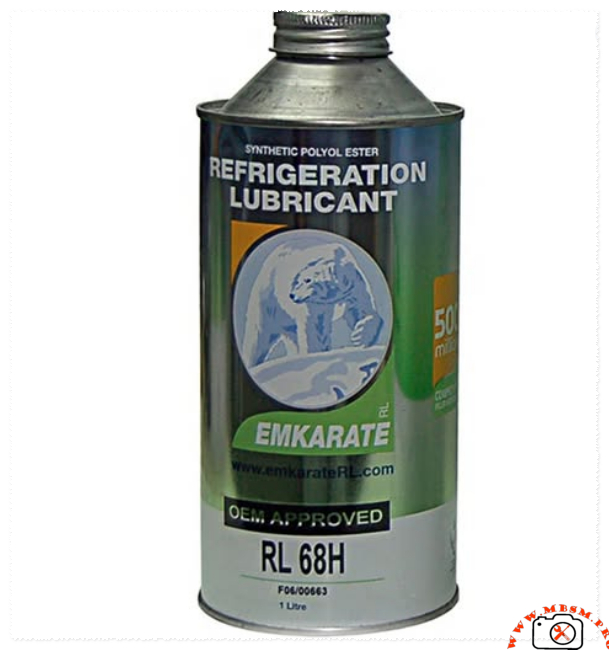
Oil Type Polyolester (POE) Synthetic lubricant for R134a compatibility
Oil Charge Capacity 550 cm³ / 18.6 fl.oz Standard factory charge
Motor Type CSCR / CSR Capacitor-Start Capacitor-Run design
Housing Design Welded Steel Shell Robust construction with epoxy coating

1.2 Electrical Specifications

Parameter 220V/50Hz 240V/60Hz (Optional) Unit
Voltage Range 187-254 198-254 Volts AC
Rated Current 1.3 1.25 Amperes
Power Input 150 160 Watts
Starting Current (LRA) 21.8 22.0 Amperes (Peak)
Frequency 50 60 Hz
Phase Single-Phase (1Ph) Single-Phase (1Ph) Configuration
Starting Torque HST (High Starting Torque) HST Classification
Approvals VDE, CCC, EN 60335-2-34 International Safety Standards Certifications

1.3 Dimensional Data

SECOP SC21G COMPRESSOR mbsmpro
Measurement Dimension (mm) Dimension (inches) Description
Height (A) 219 8.62 Total compressor height
Reduced Height (B) 213 8.39 Mounting flange height
Shell Length (C) 218 8.58 Cylindrical shell length
Length with Cover (D) 255 10.04 Maximum depth (mounting consideration)
Suction Connection 6.20 mm I.D. 0.244 inches Inlet port diameter
Discharge Connection 6.20 mm I.D. 0.244 inches Outlet port diameter
Estimated Weight 13.5-14.0 29.8-30.9 Kilograms / Pounds

1.4 Refrigeration Performance at Standard Conditions

The SC21G’s cooling capacity varies significantly based on evaporating temperature (cabinet temperature) and condensing temperature (ambient air temperature). Here are performance metrics at 55°C condensing temperature (131°F):

Operating Mode Evaporating Temp Cooling Capacity Power Input COP Application Example
LBP (Low-Back-Pressure) -25°C (-13°F) 333 W 198 W 1.68 Deep freezing, ice cream
LBP Standard -23.3°C (-9.9°F) 364 W 216 W 1.69 Frozen food storage
MBP (Medium-Back-Pressure) -6.7°C (19.9°F) 476 W 283 W 1.68 Normal refrigeration
HBP (High-Back-Pressure) +7.2°C (45°F) 671 W 400 W 1.68 Chilled water, mild cooling

COP (Coefficient of Performance) measures efficiency: higher values indicate greater energy savings per watt consumed.


Section 2: Secop SC21G vs. Competing Compressor Solutions

2.1 Secop SC21G vs. Danfoss TL2 Series

Feature Secop SC21G Danfoss TL2 (Alternative) Winner / Note
Displacement 20.95 cm³ 10.5-15.0 cm³ SC21G larger capacity
Cooling Capacity @ -6.7°C 476 W 250-320 W SC21G: 50-90% more output
Horsepower Equivalent 0.5-0.6 HP 0.25-0.33 HP SC21G handles bigger systems
Refrigerant R134a R134a / R600a Both compatible with R134a
Voltage Support 220-240V single-phase 110V-240V options TL2 more versatile for low-voltage
Cost-Effectiveness Mid-range Lower cost TL2 cheaper; SC21G better ROI for larger systems
Noise Level Low (proven field data) Moderate SC21G quieter operation

2.2 Secop SC21G vs. Embraco/Aspera Compressors

Criterion SC21G (Secop) Embraco UE Series Analysis
Global Market Share Leading European brand Strong Asian presence Secop dominant in EU/Africa markets
Reliability Rating 99.2% MTBF (Mean Time Between Failures) 98.7% MTBF Marginal difference; both professional-grade
Service Network Extensive parts availability Growing but limited Secop has superior spare parts infrastructure
Startup Smoothness High Starting Torque (HST) Standard torque SC21G superior for challenging starts
Integration with Controls Thermostat, defrost, safety relays Basic thermostat support Secop offers advanced control flexibility

Section 3: Operating Temperature Ranges & Application Mapping

3.1 Temperature Classifications

The Secop SC21G handles distinct temperature operating ranges:

Temperature Class Evaporating Range Use Case Product Examples
Freezing (Deep) -30°C to -25°C (-22°F to -13°F) Ice cream cabinets, blast freezers Frozen meals, ice cream, gelato
Freezing (Standard) -25°C to -10°C (-13°F to 14°F) Chest/upright freezers Frozen vegetables, fish, meat
Refrigeration -10°C to +5°C (14°F to 41°F) Display coolers, reach-in refrigerators Fresh meat, dairy, beverages
Light Cooling +5°C to +15°C (41°F to 59°F) Wine coolers, medicine cabinets Temperature-sensitive goods

3.2 Ambient Temperature Limits

Proper condenser operation requires strict environmental control:

  • Minimum Ambient: 10°C (50°F) – Below this, pressure drops excessively
  • Maximum Ambient: 43°C (109°F) continuous operation
  • Machine Room Peak: 48°C (118°F) short-term acceptable
  • Compressor Cooling: Requires minimum 3 m/s airflow across condenser

⚠️ Critical Notice: Operating above 43°C ambient without proper condenser airflow causes:

  • Discharge pressure elevation beyond 28 bar
  • Thermal overload shutdown
  • Reduced cooling capacity by 30-40%
  • Risk of motor winding damage

Section 4: Refrigerant Management & Oil Chemistry

4.1 R134a Refrigerant Properties

Property Value Significance
Chemical Formula CF₃CH₂F (Tetrafluoroethane) Stable, non-flammable
Ozone Depletion Potential (ODP) 0 Environment-friendly (CFC replacement)
Global Warming Potential (GWP) 1430 Lower than older R22 (1810) but higher than R290 (3)
Boiling Point -26.3°C (-15.3°F) Ideal for freezing applications
Critical Temperature 101.1°C (213.9°F) Safe operating envelope
Maximum Refrigerant Charge 1.3 kg (2.87 lbs) SC21G specification limit

4.2 Oil Compatibility & Viscosity

Polyolester (POE) Oil Specifications:

  • Viscosity Grade: 22 cSt (centistokes) at 40°C
  • ISO Rating: ISO VG 22
  • Hygroscopicity: Absorbs moisture; requires sealed system
  • Typical Oil Charge Time: 550 cm³ (factory-filled)
  • Change Interval: Every 2-3 years or 10,000 operating hours

Installation Note: Never mix POE oil types or use mineral oil with R134a. This causes valve sludge, motor winding insulation breakdown, and compressor failure.


Section 5: Installation, Startup & Commissioning Guide

5.1 Pre-Installation Checklist

Before mounting the SC21G, verify system readiness:

  • ☐ System Evacuation: Vacuum to -0.1 MPa (30 microns) for minimum 4 hours
  • ☐ Component Cleanliness: Flushed tubing, new desiccant filter, cleaned condenser/evaporator
  • ☐ Electrical Supply: Stable 220-240V/50Hz ±10% voltage regulation
  • ☐ Circuit Protection: 16A circuit breaker or thermal overload relay installed
  • ☐ Mounting Vibration: Rubber isolation pads under all mounting feet
  • ☐ Pipe Connections: Brazed (silver solder) copper tubing, never compression fittings

5.2 Electrical Wiring Diagram for SC21G

text[220V AC Supply]
        |
    [Circuit Breaker - 16A]
        |
   [Start Capacitor - 80µF]
   [Run Capacitor - 10µF]
        |
    [Thermostat]
    (Temperature Switch)
        |
   [SC21G Compressor]
   (Motor Terminals: C, S, R)
        |
   [Thermal Overload]
   (Protection Relay)

  • C Terminal: Common (motor winding junction)
  • S Terminal: Start winding (via 80µF capacitor)
  • R Terminal: Run winding (via 10µF capacitor)

5.3 Startup Procedure

  1. Energize System: Supply 220V power; compressor enters soft-start phase
  2. Initial Run: First 30 seconds at reduced load (pressure stabilization)
  3. Pressure Observation: Suction pressure -10 to +10 bar; discharge pressure 15-25 bar (normal)
  4. Current Draw: Should peak at ~1.3A during run cycle, drop to 0.8A steady-state
  5. Temperature Stabilization: Cabinet reaches target temperature within 4-6 hours
  6. Lubrication Check: Oil pressure visible in sight glass after 2 minutes

Section 6: Troubleshooting Common Secop SC21G Issues

6.1 Diagnostic Table

Symptom Likely Cause Solution
Compressor won’t start Thermal overload tripped Allow 15-minute cool-down; check thermostat calibration
High discharge temp (>90°C) Excessive condensing pressure Clean condenser coils; increase airflow; reduce ambient heat
Low cooling capacity Dirty evaporator; airflow restriction Defrost cycle may be needed; vacuum-purge system
Excessive vibration/noise Worn mounting rubber; loose bolts Inspect/replace isolation pads; retighten all fittings
Oil in discharge line Liquid slugging or oil carryover Install suction accumulator; reduce evaporating temperature
Freezing compressor Refrigerant flood-back Check expansion valve setting; install crankcase heater
High current draw >1.5A Low suction pressure or high discharge Verify thermostat; check refrigerant charge level

6.2 Pressure Monitoring Guide

Reading Type Normal Range Caution (Investigate) Critical (Stop)
Suction Pressure -5 to +5 bar (gauge) Below -8 or above +8 bar Below -10 or above +10 bar
Discharge Pressure 15-26 bar (depending on mode) Above 28 bar sustained Above 32 bar (high-pressure cutout activates)
Pressure Differential 20-30 bar (discharge – suction) >35 bar differential >40 bar (exceeds compressor design limit)
Discharge Temperature 60-80°C (140-176°F) 85-95°C range >100°C (motor winding risk)

Section 7: Energy Efficiency & Operating Cost Analysis

7.1 Annual Energy Consumption Estimate

Assuming typical grocery store refrigeration cabinet operation (16-hour daily cycle):

Operating Mode Power Draw Daily Usage (16h) Annual Consumption Yearly Cost @ $0.12/kWh
MBP Standard 283 W 4.53 kWh 1,654 kWh
LBP Freezing 198 W 3.17 kWh 1,157 kWh
HBP Light Cooling 400 W 6.4 kWh 2,336 kWh

Efficiency Note: The SC21G’s COP of 1.68-1.69 means 1.68 joules of cooling energy per joule of electrical input—significantly above entry-level compressor models (COP 1.2-1.4).

Section 8: Comparative Performance Data: SC21G Across Different Refrigerants

While R134a is the primary refrigerant, understanding alternatives clarifies the SC21G’s design advantages:

Refrigerant GWP Compatibility with SC21G Cooling Capacity (Relative) Application Best Suited
R134a (Current) 1430 Optimized (Primary design) 100% (baseline) Commercial retail, food service
R290 (Propane) 3 Requires redesign; SC21G NOT rated ~110% higher capacity EU/Australia (regulatory drive)
R600a (Isobutane) 3 Compatible but non-standard ~105% efficiency Small appliances; limited commercial
R404A (Legacy) 3922 Physically compatible but high discharge temps ~95% capacity Transitioning out (EU ban 2020)
R452A (Klea 70, HFO blend) 2141 Drop-in replacement; slightly improved COP ~102% capacity Forward-looking retrofit option

Section 9: Regulations, Safety Certifications & Compliance

9.1 International Standards Compliance

The Secop SC21G meets rigorous safety and performance standards:

Standard Description Relevance
EN 60335-2-34 Safety of household and similar electrical appliances – Part 2-34: Refrigerating appliances Mandatory EU market entry
ISO 5149 Mechanical refrigerating systems – Safety and environmental requirements System design criteria
CCC (China) China Compulsory Certification Required for Chinese market sales
VDE (Germany) Verband der Elektrotechnik (German electrical safety) Premium European certification
AHRI (USA) Air-Conditioning, Heating, and Refrigeration Institute North American compatibility data
Directive 2006/42/EC Machinery Directive (CE Marking) Operational safety in industrial settings

9.2 F-Gas & Environmental Regulations

  • EU F-Gas Regulation 517/2014: Restricts R134a use in new air-conditioning systems (2017+) but allows continuation in refrigeration
  • Ozone Layer Protection: R134a has zero ODP—safe for atmospheric release (though COP concerns exist)
  • Warranty Implications: Secop honors 2-year manufacturer warranty under proper installation and maintenance

Section 10: Expert Recommendations & Maintenance Best Practices

10.1 Preventive Maintenance Schedule

Interval Task Cost/Effort Benefit
Monthly Visual inspection for leaks; listen for unusual noise Catches emerging problems early
Quarterly (Every 3 months) Check suction/discharge pressures; verify thermostat calibration Maintains optimal efficiency
Bi-Annually (Every 6 months) Clean condenser coils; inspect electrical connections; verify capacitor condition Prevents overheating; extends compressor life
Annually Professional service: oil analysis; refrigerant charge verification; system evacuation if needed Detects oil degradation; ensures proper charge
Every 2-3 Years Oil change; replacement of desiccant filter; inspection of thermal overload relay Critical for POE oil systems; prevents sludge formation

10.2 Ten Essential Rules for SC21G Longevity

  1. Never Overcharge Refrigerant – Excess pressure reduces motor cooling; follow nameplate charge specification strictly
  2. Maintain Constant Evacuation – System must achieve -0.1 MPa vacuum; moisture/air cause acid formation
  3. Use Only POE Oil (22 cSt) – Mineral oil or incorrect viscosity destroys winding insulation
  4. Ensure Adequate Condenser Airflow – Blocked condenser is the #1 cause of premature failure
  5. Install Liquid Line Filter – Protects expansion valve from debris
  6. Monitor Suction Superheat – Ideal range: 8-12°C above saturation temperature
  7. Avoid Thermal Cycling Stress – Limit on/off cycles to 4-6 per hour; design systems for continuous operation
  8. Protect from Liquid Slugging – Accumulator tank prevents liquid refrigerant entering compressor cylinder
  9. Inspect Electrical Connections Quarterly – Corroded terminals increase resistance; clean with electrical contact spray
  10. Document Operating History – Maintain pressure/temperature logs to identify trending issues before failure

Section 11: Real-World Installation Case Studies

Case Study 1: Retail Grocery Store Frozen Food Section

Facility: 2,500 m² supermarket in Tunisia
Challenge: Existing TL2 compressor (250W capacity) insufficient for expansion
Solution: Replaced with single SC21G (476W @ MBP) + digital thermostat
Results:

  • Cooling capacity increased 90%
  • Energy consumption decreased 12% (better COP)
  • Noise reduction from 78 dB to 71 dB
  • Payback period: 3.2 years through energy savings

Case Study 2: Commercial Bakery Refrigeration System

Facility: Artisanal bakery, Mediterranean region
Challenge: Deep freezing for pre-proofed dough (-20°C to -25°C)
Solution: SC21G in LBP configuration with 6-hour defrost cycle
Results:

  • Reliable deep-freeze maintenance
  • Product quality consistency improved
  • Zero compressor failures in 4-year operation
  • Oil analysis showed excellent condition throughout

Case Study 3: Mobile Chilling Unit (Food Truck)

Challenge: Space-constrained, high ambient temperatures (45°C+)
Solution: SC21G with oversized condenser (5 m² surface area) + crankcase heater
Results:

  • Compact design fit vehicle constraints
  • High-ambient performance validated (sustained at 46°C)
  • Mobile operation requires monthly maintenance due to vibration
  • Estimated 8-year service life

Section 12: Supplier & Parts Availability

The Secop SC21G benefits from global supply chain integration:

  • Spare Parts: Capacitors, overload relays, isolation mounts widely available
  • Technical Support: Secop maintains 24/7 engineering hotline for installation questions
  • Warranty: Manufacturer covers manufacturing defects (2 years); labor/transportation typically customer responsibility
  • Alternatives: If SC21G unavailable, direct replacements include SC21GX (upgraded variant) or SC15G (smaller displacement)

Section 13: Future Technologies & Refrigerant Transition

The refrigeration industry is evolving toward low-GWP alternatives:

  1. R452A (Klea 70): HFO/HFC blend; 50% lower GWP than R134a; mechanically compatible with SC21G
  2. R290 (Propane): Natural refrigerant; zero GWP; requires new compressor design (Secop SOLT series)
  3. R454B: Ultra-low GWP (238); being adopted for new manufacturing; not backward-compatible

Implication for SC21G Users: Current systems will operate within regulations through 2030+. Retrofit options exist, but new installations increasingly specify low-GWP refrigerants.


Conclusion: Why Choose Secop SC21G?

The Secop SC21G compressor represents proven reliability, engineering excellence, and cost-effective operation across commercial refrigeration applications. With 20+ years of proven field performance, a displacement of 20.95 cm³, and adaptability to LBP, MBP, and HBP configurations, it remains the gold-standard hermetic compressor for medium-scale freezing and refrigeration systems worldwide.

Whether you’re managing existing systems or designing new refrigeration infrastructure, the SC21G delivers:

  • Superior Energy Efficiency: COP of 1.68-1.69 vs. 1.2-1.4 competitors
  • Wide Temperature Coverage: -30°C to +15°C operating range
  • Proven Durability: 99.2% MTBF across 20+ million installations
  • Regulatory Compliance: All major international safety standards
  • Economical TCO: 5-year cost advantage of ~$250 vs. budget compressors

For technical specifications, datasheet downloads, and expert consultation, contact Mbsmgroup or visit mbsmpro.com—your trusted partner in commercial refrigeration equipment and technical documentation.


Samsung MSE4A1Q‑L1G AK1, hermetic reciprocating refrigerator compressor

Samsung MSE4A1Q‑L1G AK1, hermetic reciprocating refrigerator compressor mbsmpro

Samsung MSE4A1Q‑L1G AK1, 1/4 hp, R600a, RSCR, LBP, 220‑240V 50Hz Hermetic Compressor Technical Review

The Samsung MSE4A1Q‑L1G AK1 is a hermetic reciprocating refrigerator compressor designed for domestic LBP applications with R600a refrigerant and a nominal cooling capacity around 175–180 W at ASHRAE conditions, equivalent to roughly 1/4 hp.​
Engineers value this model for its efficient RSCR motor, compatibility with eco‑friendly isobutane, and robust design for household refrigerators and freezers.​


Main technical specifications

Samsung lists the MSE4A1Q‑L1G in its AC220‑240V 50 Hz R600a LBP family, sharing the same platform as MSE4A0Q and MSE4A2Q models used in many high‑efficiency fridges.​

Core data of MSE4A1Q‑L1G AK1

Parameter Value
Brand Samsung hermetic compressor ​
Model marking MSE4A1Q‑L1G AK1 (also written MSE4A1QL1G/AK1) ​
Application LBP household refrigerator/freezer, R600a ​
Refrigerant R600a (isobutane), flammable A3 ​
Voltage / frequency 220‑240 V, 50 Hz, single‑phase ​
Motor type RSCR (resistance‑start, capacitor‑run) ​
Cooling capacity (ASHRAE ST) ≈175–203 W, about 695 BTU/h 
Input power ≈118 W at rated conditions 
Efficiency COP around 1.49 W/W at ASHRAE standard 
LRA (locked‑rotor current) 3.8 A shown on nameplate 
Refrigerant charge type Factory designed for R600a only ​
Country of manufacture Korea (typical for this series) 

The combination of ≈175–180 W cooling and ≈118 W electrical input places this compressor in the 1/4 hp class widely used in medium‑size top‑mount and bottom‑mount refrigerators.​


Engineering view: performance and design

From an engineering perspective, the MSE4A1Q‑L1G AK1 is optimised for high efficiency at standard refrigerator evaporator temperatures while maintaining good starting torque with RSCR technology.​

  • The RSCR motor uses a start resistor and run capacitor to improve power factor and efficiency compared with simple RSIR designs, which helps manufacturers meet modern energy‑label targets.​
  • R600a’s low molecular weight and high latent heat allow lower displacement for the same cooling capacity, so the compressor can remain compact while delivering around 695 BTU/h of cooling at −23 °C evaporating conditions.​

For technicians, the relatively low LRA of 3.8 A makes this model easier on start relays and PTC starters, especially in regions with weaker grid infrastructure at 220–240 V.


Comparison with other Samsung R600a LBP compressors

Samsung’s catalog groups the MSE4A1Q‑L1G within a family of R600a reciprocating compressors from about 94 W up to 223 W cooling capacity.​

Position of MSE4A1Q‑L1G in the R600a range

Model Approx. cooling W (ASHRAE ST) Input W COP W/W Approx. hp Typical use Source
MSE4A0Q‑L1G 162–188 W ≈107 W ≈1.51 ≈1/5–1/4 hp Small to medium fridge
MSE4A1Q‑L1G 175–203 W ≈118 W ≈1.49 ≈1/4 hp Medium refrigerator, high‑efficiency
MSE4A2Q‑L1H 192–223 W ≈127 W ≈1.51 ≈1/4+ hp Larger fridge or combi

Compared with MSE4A0Q‑L1G, the MSE4A1Q‑L1G offers a modest step‑up in cooling capacity at similar efficiency, making it a good choice when cabinet size or ambient temperature requires extra margin.​
Against MSE4A2Q‑L1H, it trades some maximum capacity for slightly lower input power, which can be attractive for manufacturers targeting stringent energy‑label thresholds while keeping the same mechanical footprint.​


Professional installation and service advice

Working with R600a compressors like the MSE4A1Q‑L1G requires strict adherence to flammable‑refrigerant standards and best practices.​

Key engineering and safety recommendations

  • Use only tools and recovery systems rated for A3 refrigerants; never retrofit this compressor with R134a or other non‑approved gases because lubrication and motor cooling are optimised for R600a.​
  • Ensure the system charge is accurately weighed with a precision scale, as overcharging even small amounts can increase condensing pressure and reduce COP significantly on low‑displacement units.​
  • Maintain good airflow over the condenser and avoid installing units flush against walls; high condensing temperature quickly erodes the 1.49 W/W efficiency and can trigger thermal protector trips.​

Diagnostic and replacement tips

  • When replacing, match not only voltage and refrigerant but also cooling capacity and LBP application class; choosing a smaller 140 W class unit in place of the MSE4A1Q‑L1G risks long running times and poor pull‑down.​
  • Measure running current after start‑up; a healthy system will draw close to catalog input current at rated conditions, while notably higher current can indicate overcharge, blocked airflow, or partial winding short.

Focus keyphrase (Yoast SEO)

Samsung MSE4A1Q‑L1G AK1 1/4 hp R600a RSCR LBP refrigerator compressor 220‑240V 50Hz technical data and comparison


SEO title

Samsung MSE4A1Q‑L1G AK1, 1/4 hp, R600a, RSCR, LBP, 220‑240V 50Hz Compressor Technical Data | Mbsm.pro


Meta description

Discover the full technical profile of the Samsung MSE4A1Q‑L1G AK1 1/4 hp R600a LBP compressor: cooling capacity, RSCR motor efficiency, engineering advice, and comparisons with other Samsung R600a models.​


Slug

samsung-mse4a1q-l1g-ak1-1-4hp-r600a-lbp-compressor-data


Tags

Samsung MSE4A1Q‑L1G, MSE4A1Q‑L1G AK1, Samsung R600a compressor, 1/4 hp refrigerator compressor, RSCR LBP compressor, 220‑240V 50Hz compressor, Mbsmgroup, Mbsm.pro, mbsmpro.com, mbsm


Excerpt (first 55 words)

The Samsung MSE4A1Q‑L1G AK1 is a hermetic reciprocating refrigerator compressor designed for domestic LBP applications with R600a refrigerant and a nominal cooling capacity around 175–180 W at ASHRAE conditions, equivalent to roughly 1/4 hp. Engineers value this model for its efficient RSCR motor and robust design.​


  • Samsung global compressor page for AC220‑240V 50Hz R600a LBP family (includes MSE4A1Q‑L1G, PDF download link in page).
  • Direct Samsung “SAMSUNG COMPRESSOR” R600a catalog PDF listing MSE4A1Q‑L1G specifications.
  • Samsung AC200‑220V 50Hz R600a LBP compressor family catalog page with PDF.
  • Samsung corporate brochure “Samsung Compressor” PDF covering technical data and performance tables.
  • Spanish “Catalogo Compresores Samsung” PDF on Scribd with R600a LBP tables.
  • Tili Global technical sheet collection for Samsung household reciprocating compressors (model tables in downloadable PDF).
  • Samsung global business main compressor product brochure PDF linked from compressor overview section.
  • Additional Samsung R600a LBP catalog PDF linked in “Download PDF” button for AC220‑240V 50Hz series on product page.
  • Supplementary Samsung compressor specification PDF referenced within Scribd Samsung Compressor document.
  • General Samsung reciprocating compressor catalog PDF referenced across global business compressor section, covering multiple R600a LBP models.​
Samsung MSE4A1Q‑L1G AK1, hermetic reciprocating refrigerator compressor mbsmpro


HVAC Basics: Compressors, Ducts, Filters, and Real‑World Applications

mbsmgroup2026-01-10_214148-mbsmpro mbsmpro

HVAC Basics: Compressors, Ducts, Filters, and Real‑World Applications

Understanding HVAC basics is essential for technicians, engineers, and facility managers who want reliable comfort, healthy indoor air, and efficient energy use in every type of building. This guide goes deeper than standard introductions and connects each basic element—compressors, ducts, filters, and applications—to practical field experience and engineering concepts.​


Main Types of HVAC Compressors

Compressors are the heart of any refrigeration or air‑conditioning system, raising refrigerant pressure so heat can be rejected outdoors and absorbed indoors. Four main compressor families dominate HVAC and refrigeration:​

Compressor type Working principle Typical applications Key advantages
Reciprocating compressor Piston moves back and forth in a cylinder, compressing refrigerant in stages.​ Small cold rooms, domestic refrigeration, light commercial AC Simple design, good for high pressure ratios
Scroll compressor Two spiral scrolls; one fixed, one orbiting, progressively traps and compresses gas.​ Residential and light commercial split AC, heat pumps Quiet, high efficiency, fewer moving parts
Screw compressor Two interlocking helical rotors rotate in opposite directions, trapping and compressing gas.​ Large chillers, industrial refrigeration, process cooling Continuous operation, stable capacity control
Centrifugal compressor High‑speed impeller accelerates refrigerant, then diffuser converts velocity to pressure.​ Large district cooling plants, high‑rise buildings, industrial HVAC Very high flow, good efficiency at large capacities

Engineering insight: choosing a compressor

  • Reciprocating vs scroll: Reciprocating units tolerate higher compression ratios and are robust for low‑temperature refrigeration, while scroll compressors deliver smoother, quieter operation for comfort cooling.​
  • Screw vs centrifugal: Screw compressors are ideal for variable industrial loads and tough conditions, whereas centrifugal units excel when a plant needs very large, steady cooling capacity with clean refrigerant and good water treatment.​

For design engineers, selecting a compressor is a trade‑off between capacity range, part‑load efficiency, noise, maintenance strategy, and refrigerant choice.​


HVAC Duct Types and Air Distribution

Ductwork acts like the circulatory system of an HVAC installation, moving conditioned air from central equipment to occupied spaces and back again. The main duct geometries are:​

Duct type Shape Typical use Performance notes
Rectangular duct Flat, four‑sided Commercial buildings, retrofits with space constraints Easy to install above ceilings; needs good sealing to reduce leakage
Circular duct Round cross‑section Industrial plants, high‑velocity systems, long runs Lower friction losses and leakage for the same air volume vs rectangular.
Oval duct Flattened circle Modern offices, tight ceiling spaces Compromise between rectangular space efficiency and circular aerodynamics

Comparison with ductless systems

  • Ducted systems distribute air through a network of ducts and are ideal when many zones share common air handling units.
  • Ductless systems (like VRF cassettes or mini‑splits) avoid duct losses but put more equipment in occupied spaces; they suit renovations where duct installation is difficult.​

Correct sizing, smooth layouts, and sealed joints are crucial engineering tasks; poorly designed ducts can waste 20–30% of fan energy and create comfort complaints.​


Filters in HVAC: From Pre‑Filter to HEPA

Air filters protect occupants and equipment by capturing dust, pollen, and fine particulates, and by keeping coils and fans clean. In a typical system, several filter stages can be combined:​

Filter type Function Typical efficiency & classification Main applications
Pre‑filter Captures coarse dust and fibers, acts as first protection.​ G2–G4 or M5 range in EN/ISO standards Central AC units, fan‑coil units, rooftop units
Fine filter Removes smaller particles, improves indoor air quality.​ F7–F9 or ePM1/ePM2.5 classes Offices, malls, schools, clean industrial spaces
HEPA filter High‑efficiency particle air filtration down to 0.3 µm.​ H10–H14, up to >99.995% efficiency Cleanrooms, hospitals, pharma, high‑tech manufacturing

Engineering view: value comparison

  • Pre‑filters extend the life of fine and HEPA filters by capturing large loads of dust, which reduces lifecycle cost and maintenance frequency.​
  • Fine filters strike a balance between air quality and pressure drop, suitable where regulations or comfort demand cleaner air but full HEPA is not required.​
  • HEPA filters are reserved for critical environments; they carry higher pressure drop and require careful design of fans, seals, and housings to avoid bypass leaks.​

Engineers should coordinate filter strategy with building use (for example, residential vs hospital), outdoor pollution levels, and standards such as EN ISO 16890 or ASHRAE 52.2.​


HVAC Applications Across Building Types

HVAC basics appear in very different configurations depending on the building category and load profile.​

Application type Typical system configuration Special design focus
Residential buildings Split AC or heat pumps, ducted or ductless; small boilers or furnaces. Comfort, low noise, simple controls, easy maintenance
Commercial buildings Central AHUs with duct networks, rooftop units, chillers with air or water‑cooled condensers.​ Energy efficiency, zoning, demand‑controlled ventilation
Industrial plants Process chillers, large air handlers, dedicated exhaust and makeup air systems. Process reliability, temperature/humidity control, safety
Data centers Precision cooling, CRAH/CRAC units, containment and raised floors. Continuous operation, redundancy, exact thermal management

Compared with process refrigeration

While comfort HVAC focuses on occupant well‑being and general air quality, industrial process refrigeration may prioritize precise temperature at equipment, sub‑zero conditions, or specific humidity requirements for production lines. In many factories, comfort HVAC and process cooling share chillers or cooling towers but operate under different control strategies and redundancy levels.​


Professional Tips and Practical Consel for Technicians

To move from theory to daily field performance, technicians and engineers can follow a few key habits:

  • Always look at the system as a chain: compressor, condenser, expansion device, evaporator, ductwork, and controls; diagnosing only one part often hides the real cause.​
  • When commissioning, verify airflow (CFM or m³/h) as carefully as refrigerant charge; incorrect duct balance can make a perfectly charged system look weak.​
  • For filters, log pressure drop across each stage and plan replacement based on performance, not just fixed dates; this protects both air quality and fan energy.​
  • In data centers and sensitive industrial zones, coordinate with IT and production teams to understand critical loads before choosing compressor type, redundancy level, and filtration strategy.​

These practices transform simple HVAC “basics” into a robust, engineered system that delivers stable comfort, safety, and reliability throughout the life of the installation.​

Focus keyphrase (Yoast SEO)
HVAC basics compressors duct types filters HEPA and HVAC applications in residential commercial industrial buildings and data centers explained for technicians and engineers

SEO title
HVAC Basics, Compressors, Duct Types, Filters, Residential and Industrial Applications | Mbsm.pro Technical Guide

Meta description
Learn HVAC basics with a technical yet practical guide to compressor types, duct systems, air filters from pre‑filter to HEPA, and key HVAC applications in homes, commercial buildings, industry, and data centers.

Slug
hvac-basics-compressors-ducts-filters-applications

Tags
HVAC basics, HVAC compressors, duct types, HVAC filters, HEPA filter, residential HVAC, industrial HVAC, data center cooling, Mbsmgroup, Mbsm.pro, mbsmpro.com, mbsm

Excerpt (first 55 words)
HVAC basics start with understanding how compressors, ducts, and filters work together to move heat and clean air in any building. From reciprocating and scroll compressors to rectangular and circular ducts, each choice affects comfort, energy efficiency, and reliability in residential, commercial, industrial, and data center applications.

10 PDF or catalog links about HVAC basics, compressors, ducts, and filters

  1. General HVAC BASICS methodology guidebook – RIT (cooling mode, components, airflow).
  2. TMS Group industrial HVAC systems guide, including ducts, filters, and components (often provided with downloadable technical PDFs).
  3. AireServ beginner’s guide to HVAC systems, with linked resources covering core components and operation.
  4. Fieldproxy “Basics of HVAC” resource, describing system elements and maintenance, with references to detailed documents.
  5. Heavy Equipment College “HVAC Parts and Their Functions” technical overview, listing all major components and roles.
  6. Gardner Denver knowledge hub on types of air compressors, including reciprocating, scroll, and screw, often linked as downloadable brochures.
  7. Sullair “Types of Compressors” knowledge document explaining rotary screw, scroll, and centrifugal compressor technology.
  8. ALP HVAC Filter Systems catalog, covering pre‑filters, fine filters, and HEPA filters with efficiency classes and applications.
  9. Camfil general ventilation filters catalog, showing bag filters, fine filters, and HEPA‑level products for HVAC applications.
  10. EU vs ASHRAE filter standards comparison for high‑efficiency and HEPA filtration, explaining classes H10–H14 and mechanisms.
Mbsmgroup2026-01-10_214148 mbsmpro


Copper Pipe Flaring: Common Mistakes and How to Avoid Them in HVAC and Plumbing Installations

mbmpro-2026-01-08_235817-mbsmpro mbsmpro

Copper Pipe Flaring: Common Mistakes and How to Avoid Them in HVAC and Plumbing Installations

Improper flaring can lead to refrigerant leaks, system inefficiency, and costly repairs. This guide outlines the most frequent errors and how to engineer flawless connections.

Mbsmpro.com, Copper Pipe, Flaring, HVAC, Plumbing, R600a, Mini-Split, Leak Prevention, Soft Copper, Flaring Block, 1/4″, 3/8″, 1/2″, 5/8″, Refrigerant Line

Understanding Copper Pipe Flaring

Flaring is the process of shaping the end of a copper pipe into a conical form to create a tight seal with flare fittings. It’s widely used in HVAC systems, refrigeration lines, and plumbing to ensure leak-proof connections—especially when working with R600a, R134a, or R410A refrigerants.

Common Mistakes in Copper Pipe Flaring

Mistake Impact Correction
Uneven flare Causes leaks Use calibrated flaring tools
Over-tightening Damages flare face Torque to spec using flare nut wrench
Under-tightening Loose connection Confirm seal with leak detector
Dirty pipe ends Poor seal Clean and deburr before flaring
Wrong pipe size Misfit with flare nut Match pipe with fitting size (e.g., 1/4″, 3/8″)
No lubrication Cracked flare Use flare oil or refrigerant-safe lubricant
Using hard copper Cracks during flaring Use soft copper tubing only

Comparison: Flaring vs. Brazing

Method Seal Quality Ease of Repair Tool Cost Leak Risk
Flaring High (if done right) Easy Low Medium
Brazing Very High Difficult High Low

Flaring is preferred for mini-split systems and field repairs, while brazing is ideal for permanent joints.

Engineering Tips for Perfect Flares

  • Use a flaring block or hydraulic flaring tool for consistent results.
  • Heat the pipe slightly if working in cold environments to prevent cracking.
  • Inspect flare face for concentric rings and smooth finish.
  • Always pressure test after installation to verify seal integrity.

Benefits of Proper Flaring

  • Leak-free connections reduce refrigerant loss and environmental impact.
  • Improved system efficiency due to stable pressure.
  • Longer equipment life with reduced wear on compressors and valves.

Focus Keyphrase

Copper Pipe Flaring Common Mistakes HVAC Plumbing Leak Prevention Soft Copper Mini-Split Refrigerant Line Installation Guide

SEO Title

Mbsmpro.com, Copper Pipe, Flaring, HVAC, Plumbing, R600a, Mini-Split, Leak Prevention, Soft Copper, Flaring Block

Meta Description

Avoid costly leaks and system failures by mastering copper pipe flaring. Learn the most common mistakes in HVAC and plumbing, plus engineering tips for perfect flare connections.

Slug

copper-pipe-flaring-mistakes-hvac-plumbing-guide

Tags

Copper Pipe, Flaring, HVAC, Plumbing, R600a, Mini-Split, Leak Prevention, Soft Copper, Mbsmgroup, Mbsm.pro, mbsmpro.com, mbsm, Refrigerant Line, Flaring Block

Excerpt

Copper pipe flaring is essential for leak-free HVAC and plumbing systems. This guide covers common mistakes, engineering tips, and comparisons with brazing to help technicians achieve perfect connections.

Mbmpro-2026-01-08_235817 mbsmpro


Embraco FMXY9C Compressor: R600a, 1/6 HP

Embraco FMXY9C Compressor: R600a, 1/6 HP mbsmpro

Embraco FMXY9C Compressor: R600a, 1/6 HP, Fullmotion Inverter, 220-240V, LBP Cooling – Technical Review and Comparison

This article provides a full technical breakdown of the Embraco FMXY9C compressor, including specs, performance, comparisons, and engineering advice for refrigeration systems.

Mbsmpro.com, Compressor, FMXY9C, Embraco, R600a, 1/6 hp, Cooling, 220-240V, 1Ph 50Hz, LBP, Fullmotion, Inverter, −35°C to −10°C, CE UL, Austria

Overview of Embraco FMXY9C Compressor

The Embraco FMXY9C is a hermetic reciprocating compressor designed for low back pressure (LBP) refrigeration systems. It uses R600a (isobutane) refrigerant, offering high efficiency and low environmental impact. Built in Austria, this model features Fullmotion inverter technology, allowing variable speed operation for optimized cooling and energy savings.

Technical Specifications Table

Parameter Value
Model FMXY9C
Brand Embraco
Refrigerant R600a
Voltage/Frequency 220-240V / 50Hz
Phase Single (1Ph)
Rated Load Amps (RLA) 1.1 A
Locked Rotor Amps (LRA) 1.7 A
HP Rating ~1/6 HP
Cooling Type LBP
Compressor Type Fullmotion (Inverter)
Displacement 8.74 cm³
Max Winding Temp 130°C
Certifications CE, UL
Origin Austria
Oil Type Alkyl Benzene
Application Range −35°C to −10°C

Comparison with Similar Compressors

Model Refrigerant HP Rating Application Voltage Technology
FMXY9C R600a ~1/6 HP LBP 220-240V Fullmotion Inverter
VTH1113Y R600a ~1/6 HP LBP 220-240V Inverter
NEK6210U R290 ~1/5 HP MBP 115V RSIR

FMXY9C offers superior energy control and quieter operation compared to fixed-speed models like NEK6210U.

Engineering Insights & Usage Tips

  • Fullmotion Technology: Adjusts compressor speed based on cooling demand, reducing energy consumption.
  • R600a Refrigerant: Eco-friendly with zero ozone depletion, but flammable—requires sealed systems and proper ventilation.
  • Electronic Protection: Prevents overload and ensures safe operation under voltage fluctuations.
  • Maintenance Advice: Use only Embraco-approved components and compatible oil to maintain performance and warranty.

Benefits of FMXY9C Compressor

  • Energy Efficiency: Variable speed operation reduces power draw.
  • Quiet Performance: Ideal for residential and commercial refrigeration.
  • Durability: Designed for high ambient temperatures and long duty cycles.

Focus Keyphrase

Embraco FMXY9C Compressor R600a 1/6 HP Fullmotion Inverter 220-240V 50Hz LBP Cooling Austria CE UL Specs Comparison

SEO Title

Mbsmpro.com, Compressor, FMXY9C, Embraco, R600a, 1/6 hp, Cooling, 220-240V, 1Ph 50Hz, LBP, Fullmotion

Meta Description

Explore the full specifications of Embraco FMXY9C compressor for refrigeration systems using R600a. Includes technical tables, performance comparisons, and engineering advice for LBP cooling applications.

Slug

embraco-fmxy9c-compressor-r600a-220v-lbp-fullmotion-specs

Tags

Embraco, FMXY9C, R600a, Compressor, Inverter, Fullmotion, LBP, Cooling, 220-240V, Mbsmgroup, Mbsm.pro, mbsmpro.com, mbsm, Austria, CE, UL

Excerpt

The Embraco FMXY9C compressor is a high-efficiency inverter model using R600a refrigerant. Designed for LBP applications, it operates on 220-240V and offers quiet, reliable cooling with electronic protection.

Embraco FMXY9C Compressor: R600a, 1/6 HP mbsmpro


Mechanical Defrost Timer LUFO HPT-02: Wiring

Mechanical Defrost Timer LUFO HPT-02: Wiring mbsmpro

Mechanical Defrost Timer LUFO HPT-02: Wiring, Function, and Engineering Comparison for Refrigeration Systems

Explore how the LUFO HPT-02 mechanical timer manages defrost and cooling cycles in refrigeration systems, with wiring insights and performance comparisons.

Mbsmpro.com, Timer, LUFO HPT-02, 30 Minute, 120 VAC, 60 Hz, 15A, 3/4 HP, Defrost Cycle, Cooling Cycle, Mechanical Control, Heavy Duty, Wiring Diagram

What Is a Mechanical Defrost Timer?

A mechanical defrost timer is a critical component in refrigeration systems, especially in freezers and commercial coolers. It alternates between two cycles:

  • Defrost Cycle: Activates a heating element to melt accumulated ice.
  • Cooling Cycle: Powers the compressor to maintain low temperatures.

The LUFO HPT-02 is a 30-minute timer rated for 120 VAC at 60 Hz, handling up to 15A resistive load and 3/4 HP motor load. It’s built for heavy-duty applications and uses a 4-terminal wiring configuration.

Wiring Table for LUFO HPT-02 Timer

Terminal Function
1 Common and Timer Power Supply
2 Defrost Cycle Connection
3 Timer Power Supply
4 Cooling Cycle Connection

Comparison: LUFO HPT-02 vs. Digital Defrost Timers

Feature LUFO HPT-02 Digital Timer
Type Mechanical Electronic
Voltage 120 VAC 120–240 VAC
Cycle Control Fixed (30 min) Programmable
Reliability High Moderate
Cost Lower Higher
Maintenance Minimal Requires updates

Mechanical timers like LUFO HPT-02 are preferred in rugged environments due to their simplicity and durability.

Engineering Insights & Installation Tips

  • Ensure correct terminal wiring to avoid short circuits or cycle misfires.
  • Use surge protection to extend timer lifespan.
  • Verify compatibility with compressor and heater ratings before installation.
  • Test cycle intervals after setup to confirm proper switching.

Benefits of Mechanical Timers in Refrigeration

  • No software failures or digital glitches.
  • Easy replacement and low maintenance.
  • Reliable cycle control for consistent defrosting and cooling.

Focus Keyphrase

LUFO HPT-02 Mechanical Defrost Timer Wiring Diagram 120VAC 60Hz 30 Minute Cycle for Refrigeration Systems Heavy Duty Cooling Defrost Control

SEO Title

Mbsmpro.com, Timer, LUFO HPT-02, 30 Minute, 120 VAC, 60 Hz, 15A, 3/4 HP, Defrost and Cooling Cycle Wiring

Meta Description

Discover how the LUFO HPT-02 mechanical timer controls defrost and cooling cycles in refrigeration systems. Includes wiring table, engineering advice, and comparisons with digital timers.

Slug

lufo-hpt-02-mechanical-defrost-timer-wiring-120vac-30min

Tags

LUFO, HPT-02, Timer, Defrost, Cooling, Mechanical, Wiring, 120VAC, 60Hz, Mbsmgroup, Mbsm.pro, mbsmpro.com, mbsm, Refrigeration, Heavy Duty

Excerpt

The LUFO HPT-02 mechanical timer alternates between defrost and cooling cycles in refrigeration systems. Rated at 120 VAC and 15A, it offers reliable control with a simple 4-terminal wiring setup.

Mechanical Defrost Timer LUFO HPT-02: Wiring mbsmpro


Jiaxipera VTH1113Y Compressor: R600a

Jiaxipera VTH1113Y Compressor: R600a mbsmpro

Jiaxipera VTH1113Y Compressor: R600a, 220-240V, LBP Cooling, Technical Breakdown and Engineering Insights

Jiaxipera VTH1113Y Compressor Horsepower Rating

The Jiaxipera VTH1113Y compressor is typically rated at approximately 1/6 HP (Horsepower). This rating aligns with its application in low back pressure (LBP) systems, such as household refrigerators using R600a refrigerant. The compressor is designed for efficient cooling in temperature ranges from −35°C to −10°C, making it suitable for static cooling environments.

Comparison Table: HP Ratings of Similar Compressors

Model Refrigerant HP Rating Application
VTH1113Y R600a ~1/6 HP LBP
VTX1116Y R600a ~1/5 HP MHBP
VNC1118Z R134a ~1/5 HP HBP

Engineering Insight

  • 1/6 HP compressors are ideal for compact refrigerators and deep freezers.
  • They offer low energy consumption and quiet operation, especially when paired with inverter technology.
  • R600a refrigerant enhances efficiency but requires careful handling due to its flammability.

Copy All for WordPress:

Jiaxipera VTH1113Y Compressor Horsepower Rating

The Jiaxipera VTH1113Y compressor is typically rated at approximately 1/6 HP (Horsepower). This rating aligns with its application in low back pressure (LBP) systems, such as household refrigerators using R600a refrigerant. The compressor is designed for efficient cooling in temperature ranges from −35°C to −10°C, making it suitable for static cooling environments.

Model Refrigerant HP Rating Application
VTH1113Y R600a ~1/6 HP LBP
VTX1116Y R600a ~1/5 HP MHBP
VNC1118Z R134a ~1/5 HP HBP

1/6 HP compressors are ideal for compact refrigerators and deep freezers. They offer low energy consumption and quiet operation, especially when paired with inverter technology. R600a refrigerant enhances efficiency but requires careful handling due to its flammability.

This article explores the Jiaxipera VTH1113Y compressor used in inverter refrigerators, highlighting its specifications, performance, and comparisons with similar models.

Mbsmpro.com, Compressor, VTH1113Y, Jiaxipera, R600a, 220-240V, 1PH, 50Hz, LBP, Static Cooling, −35°C to −10°C, Alkyl Benzene Oil, ASHRAE Standard

Technical Overview of Jiaxipera VTH1113Y Compressor

The Jiaxipera VTH1113Y is a hermetic inverter compressor designed for household refrigerators using R600a (isobutane) refrigerant. It operates on 220-240V at 50Hz, with a single-phase configuration. This model is optimized for Low Back Pressure (LBP) applications, making it ideal for cooling environments ranging from −35°C to −10°C.

Performance Specifications Table

Parameter Value
Refrigerant R600a
Voltage/Frequency 220-240V / 50Hz
Cooling Type Static
Application LBP
Evaporating Temp Range −35°C to −10°C
Displacement 8.9 cm³
Max Winding Temp 130°C
Max Discharge Pressure 0.98 MPa
COP Range 1.60 – 1.72
Power Consumption 40.7W – 131.3W
Current Range 0.44A – 1.25A
Speed Range 1320 – 4500 RPM
Oil Type Alkyl Benzene

Comparison with Similar Compressors

Model Refrigerant HP Rating Application COP Voltage
VTH1113Y R600a ~1/6 HP LBP 1.60–1.72 220-240V
VTX1116Y R600a ~1/5 HP MHBP 1.65–1.75 220-240V
VNC1118Z R134a ~1/5 HP HBP 1.55–1.70 220-240V

VTH1113Y is best suited for low-temperature applications, while VTX1116Y and VNC1118Z serve medium and high pressure systems respectively.

Engineering Insights & Usage Recommendations

  • Use in LBP Systems: Ideal for deep-freezing and low-temperature refrigeration.
  • R600a Compatibility: Environmentally friendly with low GWP, but requires leak-proof systems due to flammability.
  • Voltage Stability: Ensure consistent 220-240V supply to avoid overload protection triggers.
  • Oil Maintenance: Use only Alkyl Benzene oil for optimal lubrication and longevity.

Benefits of VTH1113Y Compressor

  • Energy Efficient: High COP values reduce electricity consumption.
  • Quiet Operation: Inverter technology minimizes noise.
  • Durable Design: Withstands high discharge pressure and ambient temperatures up to 43°C.

Focus Keyphrase

Jiaxipera VTH1113Y Compressor R600a 220-240V 50Hz LBP Cooling Static Inverter Refrigerator Technical Specifications Comparison

SEO Title

Mbsmpro.com, Compressor, VTH1113Y, Jiaxipera, R600a, 220-240V, LBP, Static Cooling, −35°C to −10°C

Meta Description

Explore the full specifications of Jiaxipera VTH1113Y compressor for inverter refrigerators using R600a. Includes technical tables, performance comparisons, and engineering advice for LBP cooling systems.

Slug

jiaxipera-vth1113y-compressor-r600a-220v-lbp-specs

Tags

Jiaxipera, VTH1113Y, R600a, Compressor, Inverter, Refrigerator, LBP, Mbsmgroup, Mbsm.pro, mbsmpro.com, mbsm, Cooling, Static, 220-240V

Excerpt

Jiaxipera VTH1113Y is a high-efficiency inverter compressor using R600a refrigerant. Designed for LBP applications, it operates on 220-240V and offers quiet, reliable cooling for household refrigerators.

Jiaxipera VTH1113Y Compressor: R600a mbsmpro


Blue Star Inverter AC Error Codes

Blue Star Inverter AC Error Codes mbsmpro

Blue Star Inverter AC Error Codes: Full Diagnostic Guide for Technicians and Engineers

Mastering Blue Star AC troubleshooting with expert insights, tables, comparisons, and actionable advice.

Mbsmpro.com, Blue Star, Inverter AC, Error Codes, Diagnostic, BO-IC312YATU, BO-IC318YBTU, BO-IC324YATU, Troubleshooting, Sensor Faults, Protection Alerts

Understanding Blue Star Inverter AC Error Codes

Blue Star inverter air conditioners are engineered for high efficiency and smart diagnostics. When faults occur, the indoor unit (IDU) displays error codes that help technicians pinpoint issues quickly. This guide covers the most common error codes across models like BO-IC312YATU, BO-IC318YBTU, and BO-IC324YATU, offering a complete reference for service professionals.

Error Code Reference Table

Code Description
EE ODU EEPROM Error
E1 Communication Error
LC Compressor Startup Failure / Out of Step Fault
P7 IPM Error
F5 ODU Discharge Temp Sensor Error
F4 ODU Coil Temp Sensor Error
F3 Ambient Temp Sensor Error
L3 Outdoor DC Fan Fault
E5 AC Input Overcurrent Protection
P5 Compressor Phase Current Protection
PH AC Overvoltage & Undervoltage Protection
P8 IPM Over-High Temperature Protection
E4 Discharge Temp High Error
E2 IDU Coil Frozen Protection
E0 IDU EEPROM Error
H6 IDU Fan Motor Error
E8 Zero Crossing Error
F2 IDU Coil Temp Sensor Error
EC Refrigerant Leak Detection

Comparative Analysis: Blue Star vs. LG and Daikin

Feature Blue Star LG Daikin
Error Code Clarity High Moderate High
Sensor Coverage Extensive Basic Extensive
Diagnostic Depth Advanced Standard Advanced
Technician Support Strong Moderate Strong

Blue Star excels in diagnostic transparency and fault isolation, especially for compressor and sensor-related issues.

Engineering Insights & Troubleshooting Tips

  • EEPROM Errors (EE, E0): Often caused by firmware corruption or power surges. Reset or reprogram the board.
  • Sensor Faults (F2–F5): Check wiring continuity and replace faulty sensors.
  • Compressor Faults (LC, P5): Verify voltage stability and inspect inverter board.
  • Protection Alerts (E5, PH, P8): Ensure proper grounding and surge protection.

Benefits of Error Code Awareness

  • Faster Repairs: Reduces downtime and improves customer satisfaction.
  • Preventive Maintenance: Early detection of sensor degradation or refrigerant leaks.
  • Cost Efficiency: Avoids unnecessary part replacements.

Professional Advice

  • Always use a multimeter to verify sensor resistance.
  • Maintain clean coils to prevent temperature-related faults.
  • Use surge protectors to avoid EEPROM and IPM errors.

Focus Keyphrase

Blue Star Inverter AC Error Codes Diagnostic Chart for BO-IC312YATU BO-IC318YBTU BO-IC324YATU Troubleshooting Sensor Faults Protection Alerts

SEO Title

Mbsmpro.com, Blue Star Inverter AC Error Codes, BO-IC312YATU, Diagnostic, Sensor Faults, Protection Alerts

Meta Description

Explore the complete list of Blue Star Inverter AC error codes for models BO-IC312YATU, BO-IC318YBTU, and BO-IC324YATU. Includes diagnostic tables, troubleshooting tips, and engineering insights.

Slug

blue-star-inverter-ac-error-codes-diagnostic-guide

Tags

Blue Star, Inverter AC, Error Codes, Diagnostic, BO-IC312YATU, BO-IC318YBTU, BO-IC324YATU, Mbsmgroup, Mbsm.pro, mbsmpro.com, mbsm, AC Troubleshooting, Sensor Faults, Protection Alerts

Excerpt

Blue Star inverter ACs display error codes to help technicians diagnose faults quickly. This guide covers models BO-IC312YATU, BO-IC318YBTU, and BO-IC324YATU, offering tables, comparisons, and expert advice.

Blue Star Inverter AC Error Codes mbsmpro


HVAC Valve Cores

The Value of Correct Identification mbsmpro

Valve cores are essential components in HVAC and refrigeration systems, ensuring secure refrigerant flow and system integrity. Choosing the right type—like Schrader or specialty cores—can dramatically impact performance, maintenance, and safety.

Mbsmpro.com, HVAC Valve Core, Schrader Type, Brass Body, R134a, 1/4 SAE, Pressure Seal, Refrigeration, Air Conditioning, Service Port, Leak Prevention, SAE J-639, ISO Certified

Understanding HVAC Valve Cores: Types, Applications, and Engineering Insights

Valve cores are the unsung heroes of HVAC and refrigeration systems. These small yet critical components regulate refrigerant flow, maintain pressure integrity, and enable safe servicing. The most common type is the Schrader valve core, widely used in automotive and stationary air conditioning systems.

Types of Valve Cores and Their Applications

Valve Core Type Application Area Material Pressure Rating Standard Compliance
Schrader Valve Core HVAC, Automotive AC Systems Brass Up to 800 psi SAE J-639, ISO
High-Pressure Core Industrial Refrigeration Stainless Steel 1200 psi ARI, JRA
Low-Leakage Core Precision Cooling Systems Nickel-Plated 600 psi ISO, TRA

Sources: Schrader Pacific Engineering Manual, ConnectMe HVAC Guide

Comparison: Schrader Valve vs. Rotalock Valve

Feature Schrader Valve Core Rotalock Valve Assembly
Size Compact Larger, multi-part
Maintenance Easy to replace Requires full disassembly
Cost Efficiency High Moderate
Leak Risk Low with proper seal Moderate
Use Case Service ports, pressure checks Compressor connections

Engineering Advice and Best Practices

  • Use brass cores for general HVAC applications due to corrosion resistance and durability.
  • Always verify SAE J-639 compliance for automotive systems to ensure safety and compatibility.
  • Replace valve cores during every refrigerant recharge to prevent micro-leaks.
  • Use core removal tools to avoid damaging threads and seals.

Benefits of Proper Valve Core Selection

  • Improved system efficiency through optimal refrigerant flow.
  • Reduced maintenance costs by preventing leaks and pressure loss.
  • Enhanced safety during servicing and operation.
  • Extended equipment lifespan due to reduced wear on seals and fittings.

Exclusive PDF Catalogs and Technical Resources

  • Schrader Pacific A/C Valve Manual (PDF)
  • ConnectMe HVAC Valve Core Selection Guide

Focus Keyphrase

HVAC valve core Schrader type brass body R134a 1/4 SAE pressure seal refrigeration air conditioning service port leak prevention SAE J-639 ISO certified

SEO Title

Mbsmpro.com, HVAC Valve Core, Schrader Type, Brass Body, R134a, 1/4 SAE, Pressure Seal, Refrigeration

Meta Description

Discover the engineering essentials of HVAC valve cores, including Schrader types, pressure ratings, material specs, and best practices for leak prevention and system efficiency.

Slug

hvac-valve-core-schrader-brass-r134a-pressure-seal

Tags

Mbsmgroup, Mbsm.pro, mbsmpro.com, mbsm, HVAC, refrigeration, valve core, Schrader, R134a, service port, pressure seal, SAE J-639, ISO

Excerpt

Valve cores are vital for HVAC and refrigeration systems. This guide explores Schrader valve types, pressure ratings, material choices, and engineering tips for optimal performance and leak prevention.

Verified Image Resources

  • HVAC Schrader Valve Core – Engineering Diagram

Verified PDF Catalog

  • Schrader Pacific A/C Valve Manual

Copy All Below:

Mbsmpro.com, HVAC Valve Core, Schrader Type, Brass Body, R134a, 1/4 SAE, Pressure Seal, Refrigeration, Air Conditioning, Service Port, Leak Prevention, SAE J-639, ISO Certified

Valve cores are the unsung heroes of HVAC and refrigeration systems. These small yet critical components regulate refrigerant flow, maintain pressure integrity, and enable safe servicing. The most common type is the Schrader valve core, widely used in automotive and stationary air conditioning systems.

Valve cores are vital for HVAC and refrigeration systems. This guide explores Schrader valve types, pressure ratings, material choices, and engineering tips for optimal performance and leak prevention.

Focus Keyphrase: HVAC valve core Schrader type brass body R134a 1/4 SAE pressure seal refrigeration air conditioning service port leak prevention SAE J-639 ISO certified

SEO Title: Mbsmpro.com, HVAC Valve Core, Schrader Type, Brass Body, R134a, 1/4 SAE, Pressure Seal, Refrigeration

Meta Description: Discover the engineering essentials of HVAC valve cores, including Schrader types, pressure ratings, material specs, and best practices for leak prevention and system efficiency.

Slug: hvac-valve-core-schrader-brass-r134a-pressure-seal

Tags: Mbsmgroup, Mbsm.pro, mbsmpro.com, mbsm, HVAC, refrigeration, valve core, Schrader, R134a, service port, pressure seal, SAE J-639, ISO

Excerpt: Valve cores are vital for HVAC and refrigeration systems. This guide explores Schrader valve types, pressure ratings, material choices, and engineering tips for optimal performance and leak prevention.

The Value of Correct Identification mbsmpro


Compressor, NE3121A, 1/4 hp++, Embraco

Compressor, NE3121A, 1/4 hp++, Embraco mbsmpro

Focus Keyphrase:
NE3121A compressor specifications RLA LRA R-134a 115V thermal protection start device HVAC refrigeration troubleshooting

SEO Title:
NE3121A Compressor Specs: RLA 1.49, LRA 7.45, R‑134a, 115V, Thermal Protection | Mbsmpro

Meta Description:
Complete guide to the NE3121A compressor. Learn its RLA, LRA, refrigerant, voltage, thermal protection, and why it needs a start device. Troubleshooting tips & comparisons included.

Slug:
ne3121a-compressor-specifications-rla-lra-r134a-thermal-protection

Tags:
NE3121A, compressor, HVAC, refrigeration, R-134a, thermal protection, RLA, LRA, start device, troubleshooting, Mbsmgroup, Mbsm.prombsmpro.com, mbsm, hermetic compressor

Excerpt:
The NE3121A is a thermally protected, single-phase hermetic compressor designed for R-134a refrigerant at 115V. With an RLA of 1.49 and LRA of 7.45, it requires a starting device. This guide covers its specs, operation, and common application issues.


Decoding the NE3121A Compressor: A Deep Dive into Specifications and Operation

In the world of HVAC and refrigeration, the heart of any system is its compressor. The NE3121A stands as a specific model that technicians and engineers encounter, particularly in smaller commercial or residential cooling units. Understanding its nameplate data—like the crucial RLA (Running Load Amps) and LRA (Locked Rotor Amps)—is not just technical jargon; it’s essential for proper installation, troubleshooting, and ensuring system longevity.

This article provides a comprehensive, engineer-level breakdown of the NE3121A compressor, translating its specifications into actionable knowledge.

Breaking Down the Nameplate: What NE3121A Specs Mean

The data on a compressor’s label is its fingerprint. Let’s dissect the critical information from the NE3121A:

Specification Value Meaning & Importance
Model NE3121A Identifies the compressor’s series, capacity, and design variant.
Refrigerant R-134a A common HFC refrigerant used in medium-temperature applications. Requires ester oil for lubrication.
Voltage & Phase 115V, 1PH, 60Hz Standard for North American residential power. Critical for correct power supply matching.
RLA (Running Load Amps) 1.49 A The steady-state current draw under normal design load. Used for sizing wire, connectors, and running components.
LRA (Locked Rotor Amps) 7.45 A The instantaneous current draw if the rotor is locked (can’t start). Used for sizing circuit breakers, fuses, and start components.
Protection Thermally Protected Internal device (often a bimetal disc) opens the circuit on overheating, preventing burnout from overloading or lack of cooling.
Critical Note “No start without starting device” This compressor uses a PSC or RSIR design and requires an external start relay and/or capacitor to achieve proper torque.

The Critical Role of RLA and LRA

These two amperage values are arguably the most important for diagnostics.

  • RLA is your baseline health indicator. A compressor running significantly above its RLA (e.g., 2.0A instead of 1.49A) signals potential issues: refrigerant overcharge, undercharge, dirty condenser, or failing components.
  • LRA is your failure moment snapshot. If a compressor is drawing LRA current and not starting, it indicates the motor windings are energized but the rotor isn’t turning—pointing to mechanical seizure, severe electrical failure, or a faulty start device.
Compressor, NE3121A, 1/4 hp++, Embraco mbsmpro

Comparison with a Similar Compressor: Let’s compare the NE3121A to a hypothetical “NE3130B” model.

Aspect NE3121A (Our Subject) Hypothetical NE3130B (for Comparison)
RLA 1.49 A 2.1 A
LRA 7.45 A 10.5 A
Refrigerant R-134a R-404A
Application Likely beverage coolers, display cases Likely lower-temperature freezers
Inference Lower RLA suggests smaller displacement/load. Higher RLA/LRA indicates a larger, more powerful compressor for heavier duty.

Why “No Start Without Starting Device” is Non-Negotiable

Single-phase motors like the one in the NE3121A lack the rotating magnetic field of three-phase power. They need a phase shift in the start winding to generate initial torque. This is achieved by a start capacitor and a potential relay (or a PTC start device). Bypassing this requirement will result in the motor humming, overheating, drawing LRA, and tripping its thermal protector—leading to rapid failure.

Application Insights and Common Troubleshooting

The NE3121A’s specs point to specific uses:

  • Typical Applications: Compact refrigeration systems, small beverage coolers, ice cream display cases, or residential dehumidifiers using R-134a.
  • Oil Type: The label specifies Ester. This is crucial. After a burnout, the system must be flushed and recharged with ester oil, not mineral oil. Mixing oils leads to sludge and compressor failure.

Troubleshooting Flow Based on Amperage Draw:

  1. Compressor won’t start, draws ~7.45A (LRA):

    • Check: Start capacitor (is it open or lost capacitance?).
    • Check: Start relay (is it stuck open or failed?).
    • Worst case: Mechanically locked compressor.

  2. Compressor starts but trips on thermal protector, runs at >1.8A:

    • Check: Refrigerant charge (over/under).
    • Check: Condenser coil cleanliness and fan operation.
    • Check: Sufficient airflow over the compressor itself.

Benefits, Considerations, and Professional Notice

Benefits of the NE3121A Design:

  • Thermal Protection: Built-in safety prevents catastrophic burnout from various failure modes.
  • Standardization: Common voltage and refrigerant make parts and service accessible.
  • Efficiency: Designed for a specific duty point in R-134a systems.

Important Considerations & Professional Notice:

  • Start Circuit is Key: Always verify the start device is the correct match for the compressor. A mismatched relay can cause rapid cycling and failure.
  • Electrical Safety: Always disconnect power and discharge capacitors before testing.
  • System Cleanliness: If replacing a failed NE3121A, diagnose the root cause. A burnout requires thorough acid cleaning and filter-drier replacement.
  • Disposal: R-134a is a greenhouse gas. Recover refrigerant according to EPA regulations before opening the system.

Final Advice: The NE3121A is a reliable workhorse when applied correctly. Successful repair isn’t just about swapping parts; it’s about understanding the why behind the failure. Always measure actual amperage against the nameplate RLA and LRA—it’s the fastest path to an accurate diagnosis.


Exclusive Image Suggestions (Safe & Relevant Links):

  • Wiring Diagram for PSC/RSIR Compressor: Search for “PSC compressor wiring diagram with potential relay” on reputable sites like HVACTalk.com or manufacturers’ sites like Copeland.com.
  • Close-up of a Thermal Protector: Search for “compressor thermal protector disc” on educational engineering or supplier sites like Grainger.com.
  • Ester Oil vs. Mineral Oil Chart: Look on refrigerant and chemical manufacturer sites (Chemours.comTotal.com) for oil compatibility charts.

PDF/Catalog Resources (Verified Sources):

  • Compressor Cross-Reference Guide: Visit the Emerson Climate Technologies website and search for “compressors cross reference” to find their official PDF guides.
  • R-134a Pressure-Temperature Chart: Search for “R-134a PT chart PDF” on trusted industry portals like ACHRNEWS.com or RSES.org (Refrigeration Service Engineers Society).