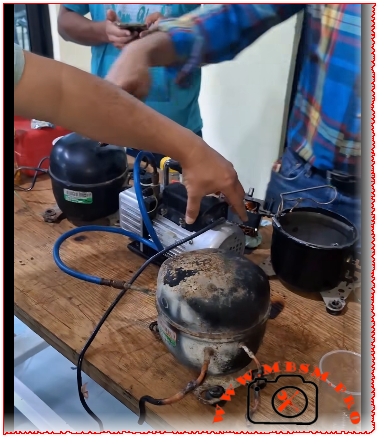
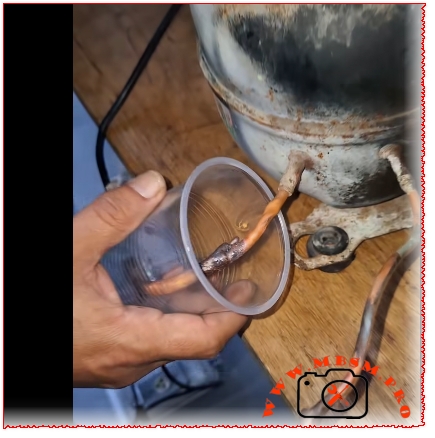
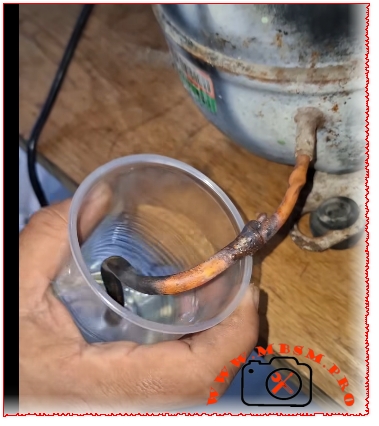
Changing Filter 1/5 Hp

Changing Filter 1/5 Hp mbsmpro

1. Safety First (The “Unplug” Rule)

Before you touch anything, pull the power plug. It’s the easiest way to make sure nothing kicks on while your hands are inside the machine.

2. Relieve the Pressure

If this is a fridge or a water cooler, turn off the water line and try to get one last glass of water out. This drops the pressure so the filter doesn’t “pop” or spray you when you unscrew it. If it’s a compressor, bleed the air tank first.

3. The “Left-Loose, Right-Tight” Swap

Most 1/5 Hp systems use a simple twist-lock:

  • Remove: Twist the old filter a quarter-turn to the left (counter-clockwise) and pull it straight out.
  • Install: Pop the plastic caps off the new filter. Line up the little arrows or notches, push it in firm, and twist to the right until it clicks or stops.

4. The “Grey Water” Trick

If it’s a water filter, the first few cups will look cloudy or even blackish. That’s just harmless carbon dust. Run the water for about 3 to 5 minutes until it’s crystal clear.
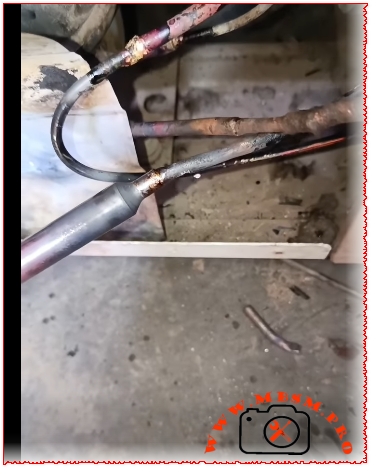


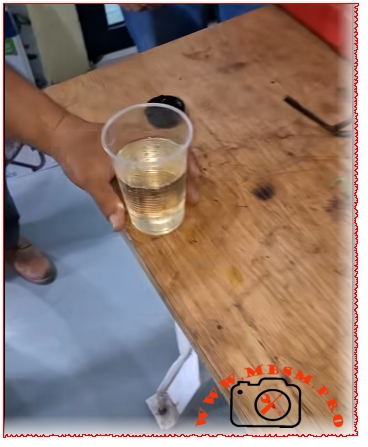
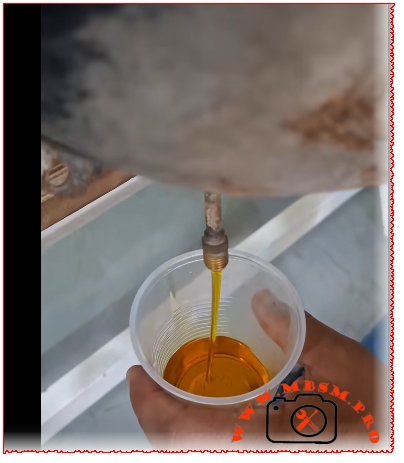
1/5 HP Compressor oil change: How much and how to do it right

1/5 HP Compressor oil change: How much and how to do it right mbsmpro

Professional Commentary (The Spirit of the Craft)

“When we talk about a 1/5 HP compressor, we are essentially talking about the ‘heart’ of a domestic refrigerator or a small cooler. In this field, the fine details are what set a professional apart:

  • The Quantity: Typically, this size requires about 200 to 250 ml (depending on the model and manufacturer, such as Danfoss or Jiaxipera). The golden rule here is ‘precision by the milliliter.’ Excess oil can lead to ‘Oil Logging’ within the cooling circuit, while a deficit causes friction that eventually kills the compressor.
  • The Method: It’s not just about pouring oil; it’s a matter of integrity. You must ensure the old oil is completely drained while inspecting it for impurities. If the oil is black or has a burnt odor, it’s a clear diagnostic sign of the motor’s condition. As for recharging, it must be done via the service line using vacuum suction to ensure no moisture or air enters the system—moisture is the ultimate enemy of refrigeration oil.
  • The Oil Type: This is the trap! The oil must be selected based on the refrigerant type. For instance, R134a requires synthetic POE oil, whereas older models or those running on R600a may require different specifications.

A final word: Someone asking about the ‘quantity and method’ is a technician who respects their craft and aims for perfection, not just someone trying to ‘get the job done.'”


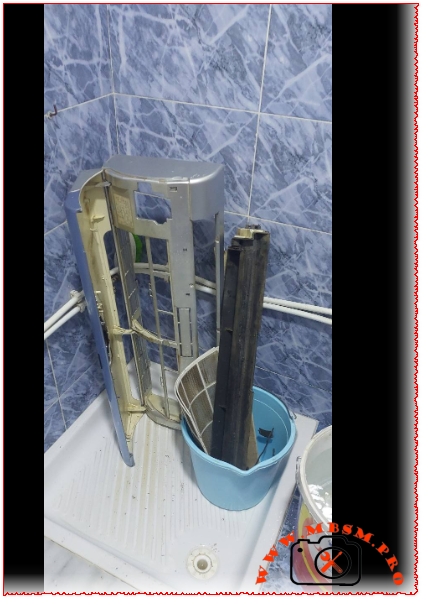
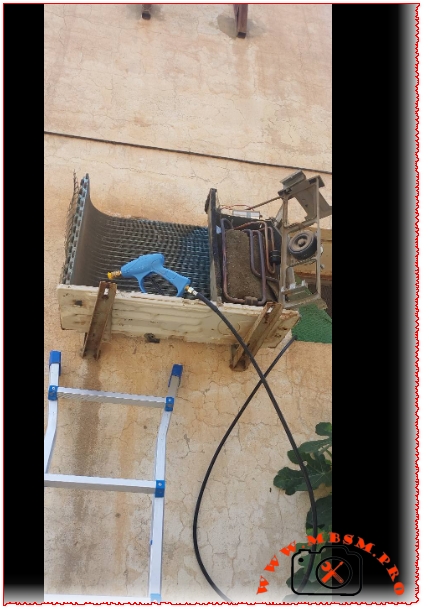
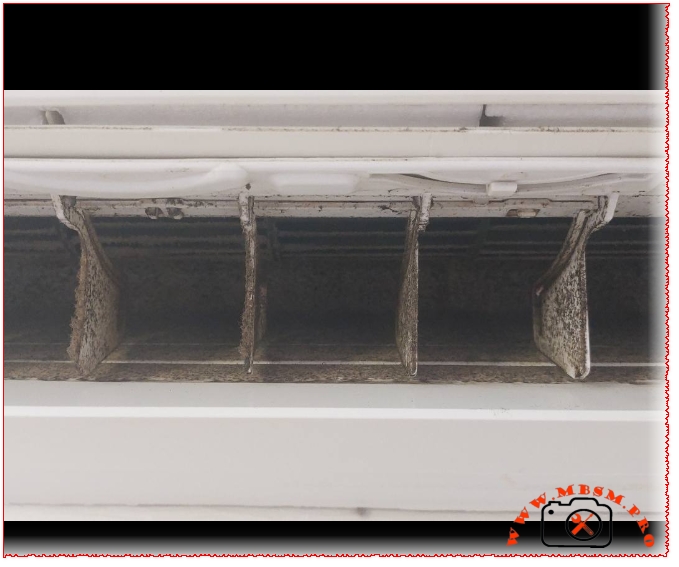
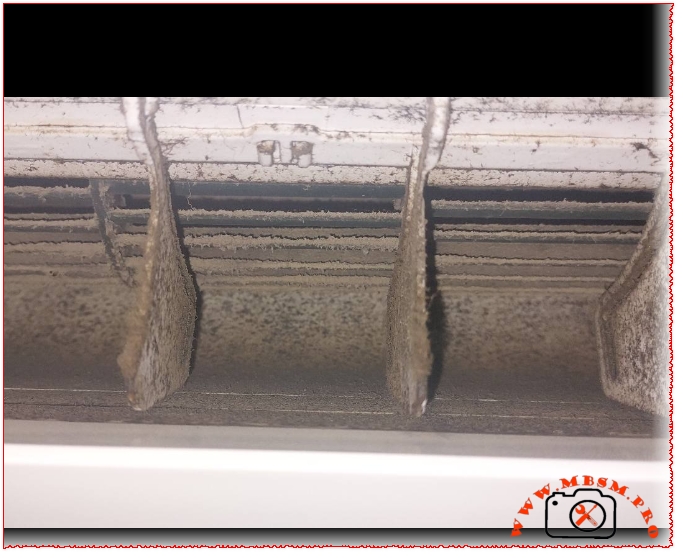
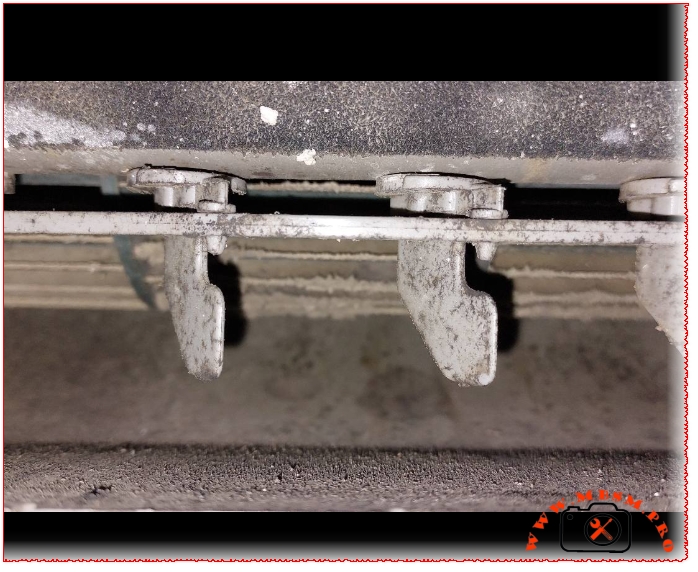
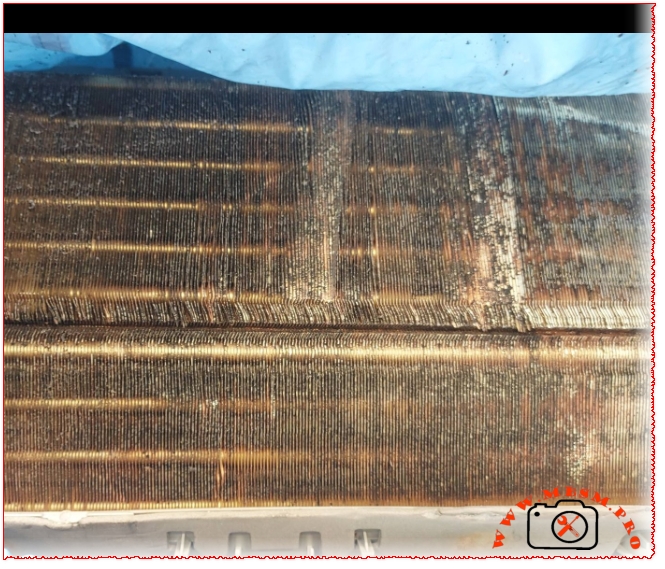
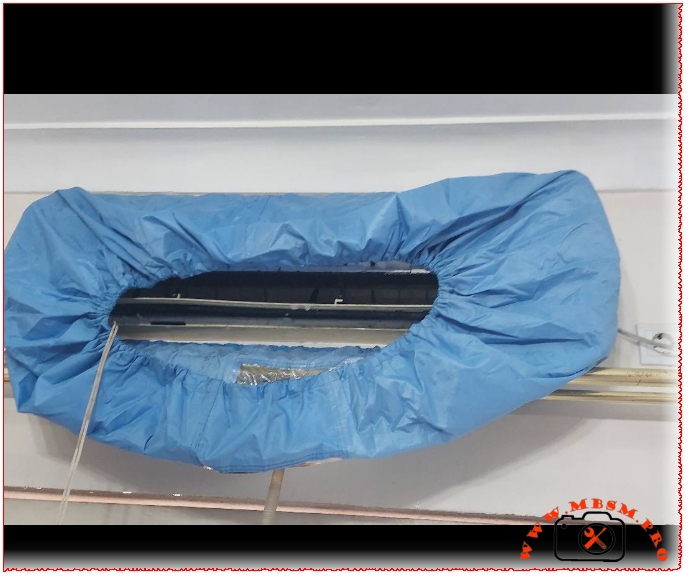
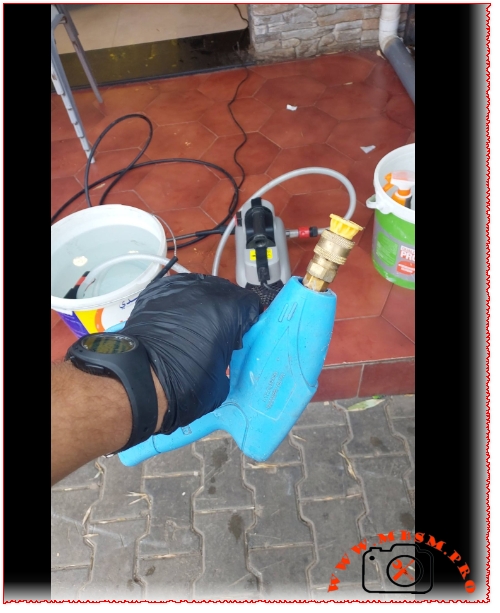
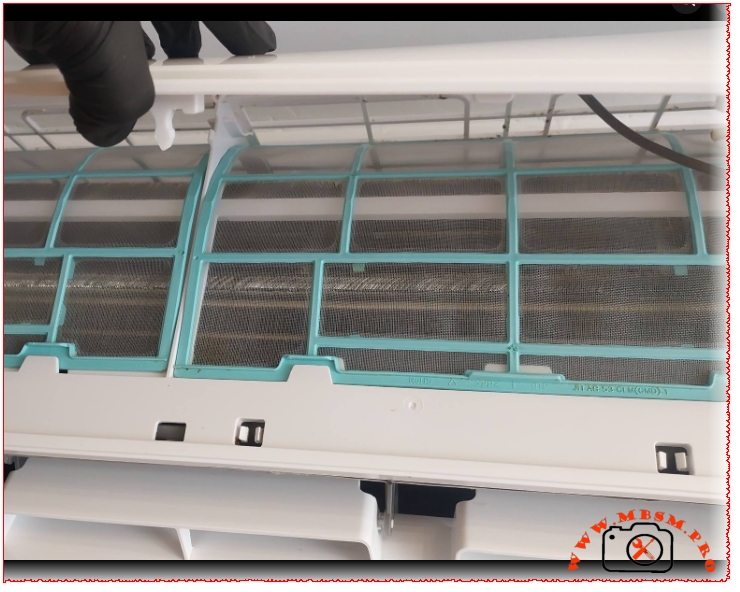
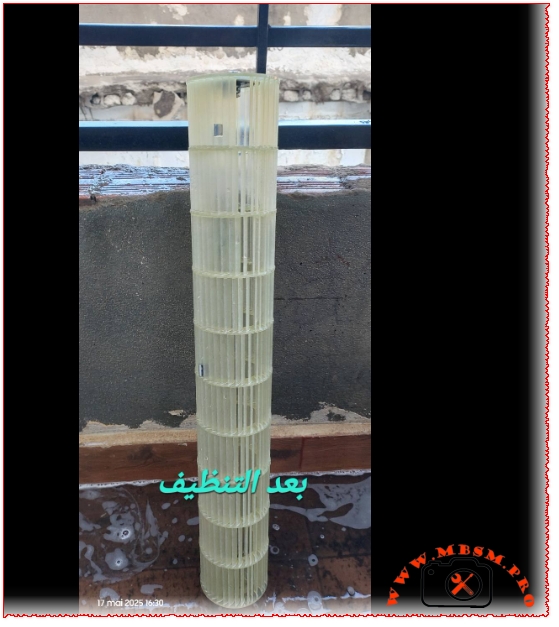
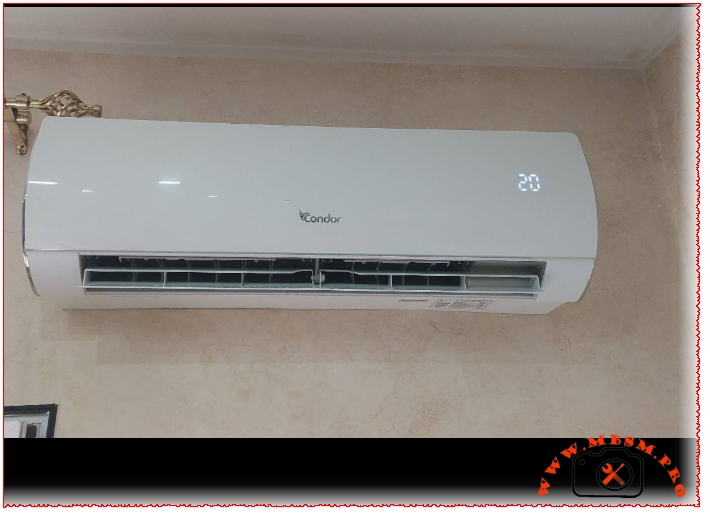
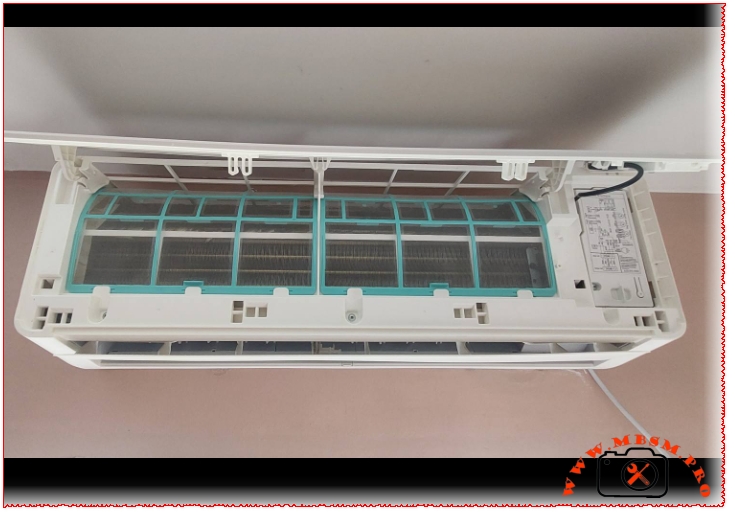
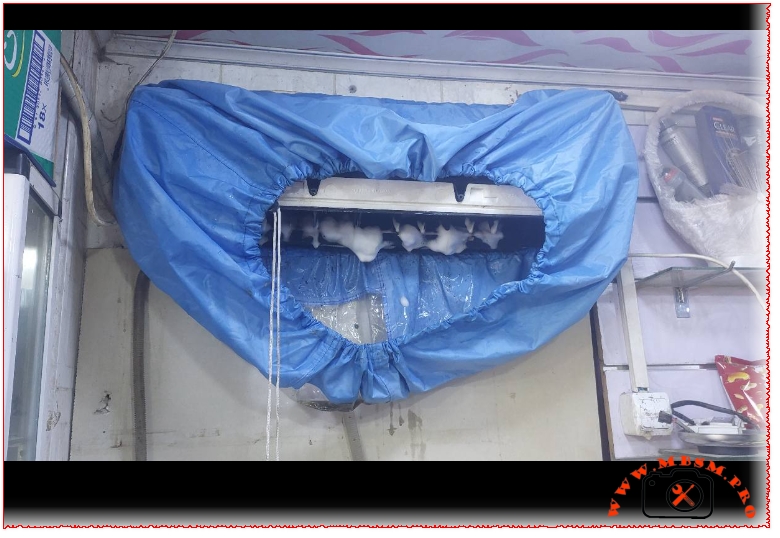
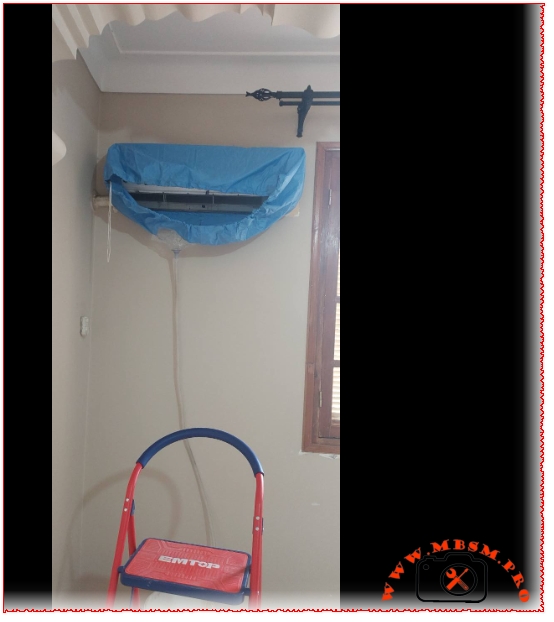
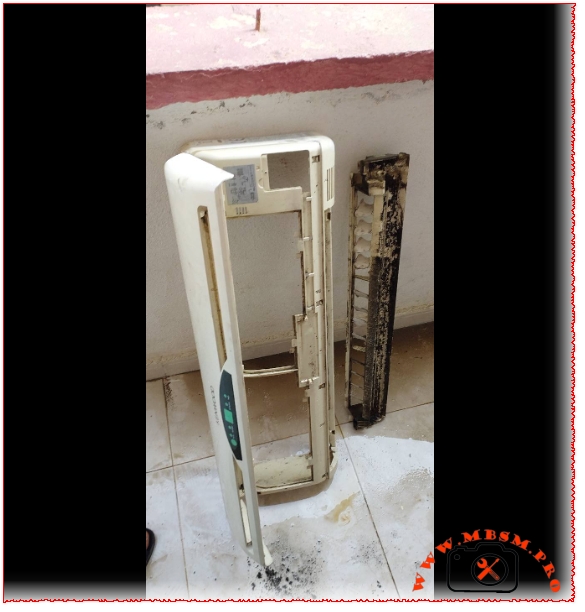
Deep cleaning AC units from A to Z… that’s our craft

Auto Draft mbsmpro


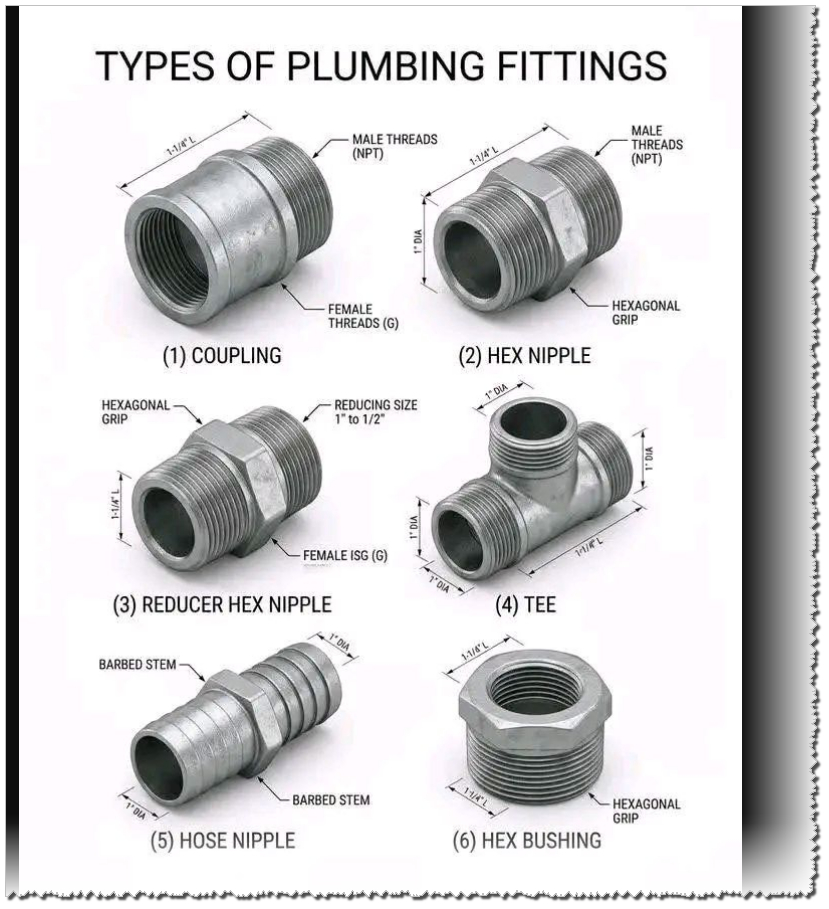
Plumbing Fittings Explained

Plumbing Fittings Explained mbsmpro

1. Coupling

A coupling is used to connect two pipes of the same diameter. It features internal (female) threads on both ends. This is the go-to fitting for extending a straight run of pipe.

2. Hex Nipple

A hex nipple has external (male) threads on both ends. The “hex” refers to the hexagonal section in the middle, which allows a wrench to grip the fitting securely during installation. It is used to connect two female-threaded fittings or valves.

3. Reducer Hex Nipple

Similar to a standard hex nipple, but the two threaded ends are different sizes (e.g., transitioning from a 1″ pipe to a 1/2″ pipe). This allows you to join components of unequal diameters.

4. Tee

A T-shaped fitting with three openings. It is used to split a single line into two separate branches or to combine two lines into one. In the image, this specific tee features male threads on all three ends.

5. Hose Nipple (Barb Fitting)

This fitting is designed to connect a flexible hose to a threaded pipe system.

  • Barbed Stems: These slide into the hose, and the ridges grip the interior to prevent it from slipping off.
  • Hex Grip: Used to tighten the fitting into a threaded port.

6. Hex Bushing

A bushing is used to reduce the size of a female threaded opening. It has male threads on the outside and female threads on the inside. You would screw this into a larger port so that a smaller pipe or fitting can be attached to it.


Key Technical Note: Thread Types

The image mentions two common thread standards:

  • NPT (National Pipe Tapered): Common in North America; the threads are tapered to create a liquid-tight seal.
  • G (BSP – British Standard Pipe): Common in Europe and internationally; these are parallel threads that usually require a washer or O-ring to seal.
Plumbing Fittings Explained mbsmpro


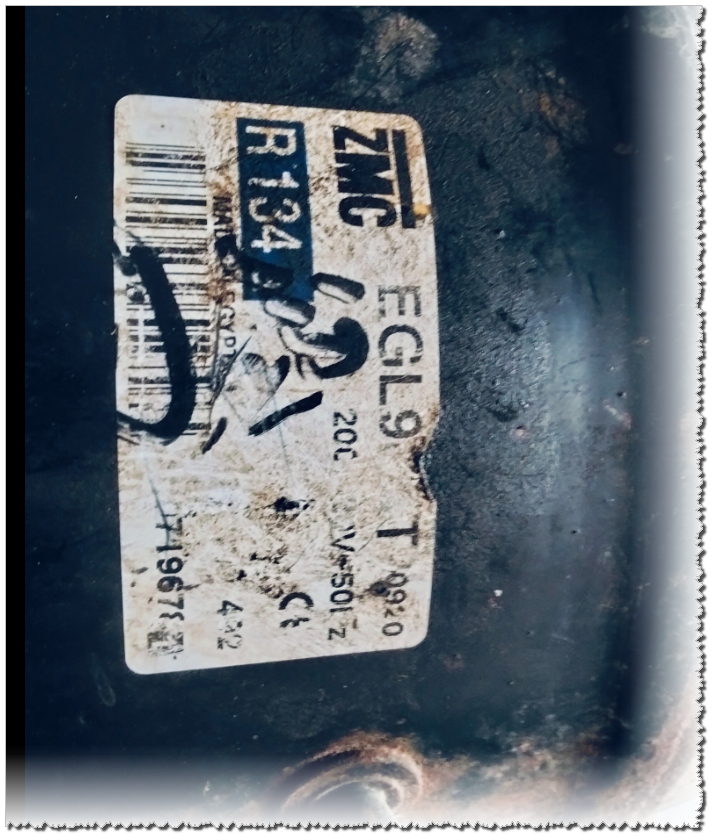
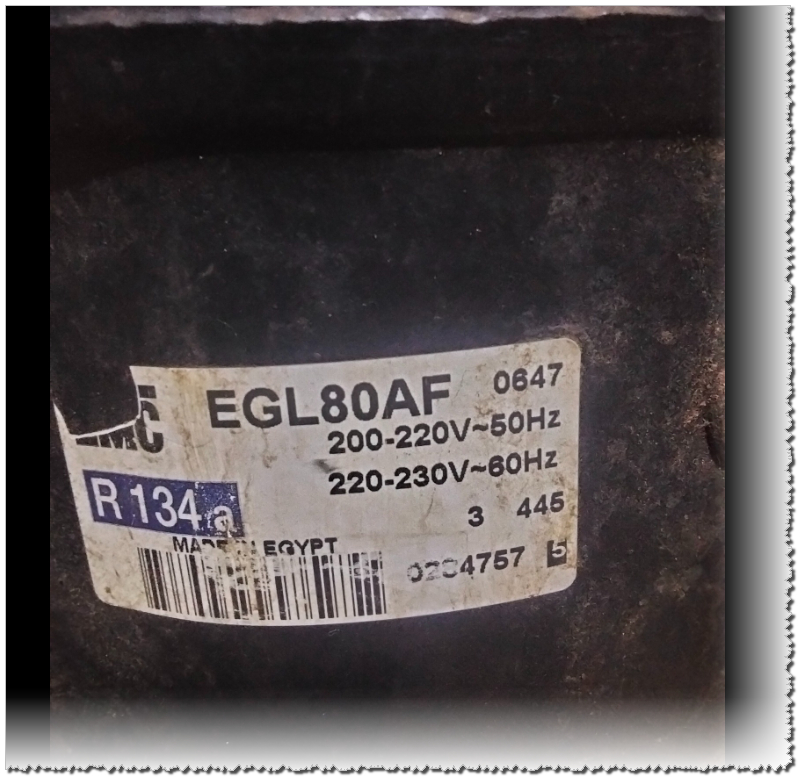
Can the GL80 compressor be installed in place of the GL90?

Can the GL80 compressor be installed in place of the GL90? mbsmpro

The main difference is the winding material: the GL80 uses aluminum coils, while the GL70 uses copper. Performance-wise, the GL80 is suitable for an upright deep freezer, whereas the GL70 is best for a 12ft double-door refrigerator
“The technical difference between the two compressors, manufactured by ZEM or ACC, lies primarily in the horsepower (HP) and displacement volume:

GL80: Has a slightly lower capacity, rated at approximately 1/5 HP

GL90: Typically rated at 1/4 HP (or equivalent, depending on the specific model

Technical Conclusion: Compressor Interchanges


1. Replacing GL80 by GL90 yes
2. Replacing GL90 by GL80 non
3. Replacing GL80 by GL70 non
4. Replacing GL70 by GL80 yes

Can the GL80 compressor be installed in place of the GL90? mbsmpro


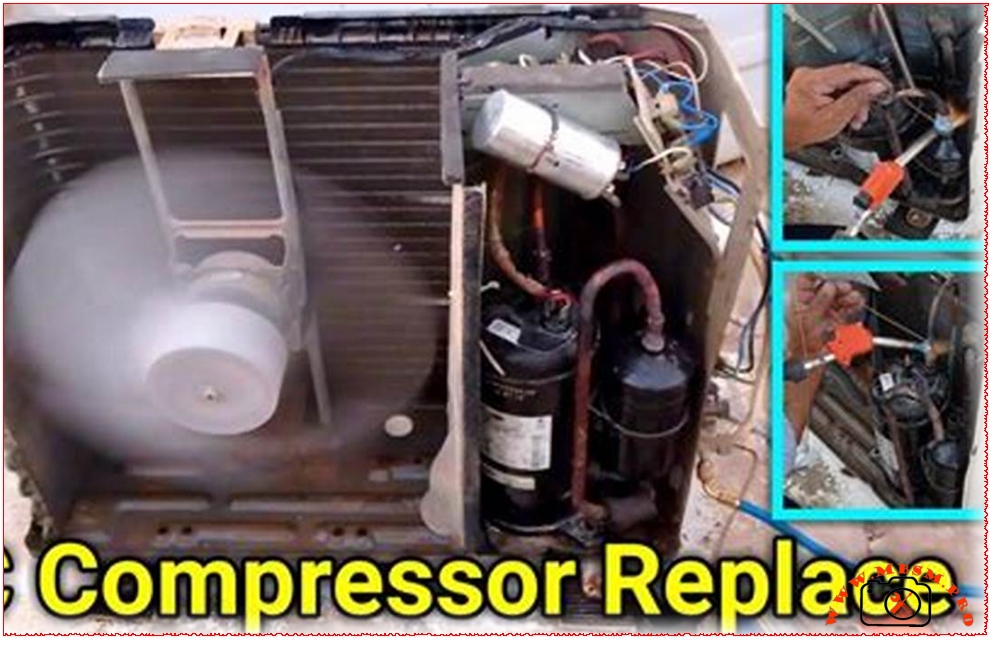
The process of replacing the air conditioner compressor is successful, and it is working as it was before ?

The process of replacing the air conditioner compressor is successful, and it is working as it was before mbsmpro

“The process of replacing the air conditioner compressor is successful, and it is working as it was before.”

Alternatively, if you are asking whether the process is viable, it can be translated as: “Is replacing the air conditioner compressor effective, and will it work as well as it did before?”


Key Points regarding Compressor Replacement:

If you are considering this repair, here are a few things to keep in mind to ensure it works “as it was”:

  • Matching Specifications: The new compressor must have the exact same cooling capacity (BTU) and electrical specifications as the original.
  • System Flushing: It is vital to flush the refrigerant lines to remove any contaminants or burnt oil from the old compressor; otherwise, the new one may fail quickly.
  • Vacuuming: A deep vacuum must be pulled on the system to remove moisture before recharging with gas.
  • Cost-Benefit: Since the compressor is the “heart” of the AC, the repair can be expensive. If the unit is more than 10 years old, it is often more cost-effective to replace the entire unit.
The process of replacing the air conditioner compressor is successful, and it is working as it was before mbsmpro


A problem with a Brand refrigerator: ice forms, it makes a noise, and it stops cooling

A problem with a Brand refrigerator: ice forms, it makes a noise, and it stops cooling mbsmpro

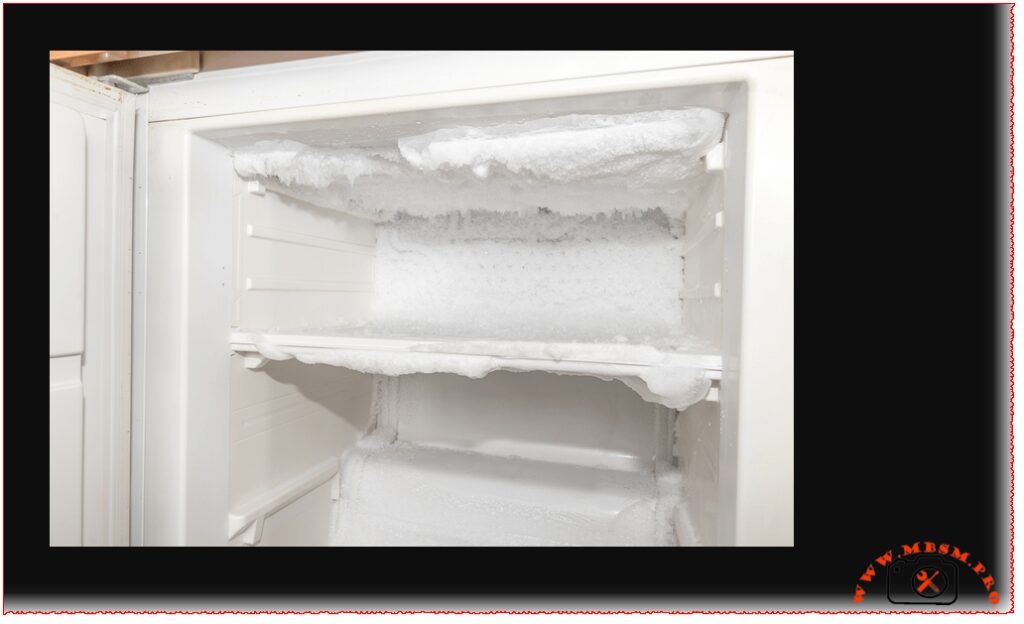
The issues you are experiencing with your Brandt refrigerator (ice buildup, unusual noise, and poor cooling) indicate a failure in the No Frost defrost system. Since a specialist was unable to fix it, the fault may have been misdiagnosed.

Here is the translation of the causes and solutions provided:


Possible Causes and Solutions

1. Clogged Drain Line (Canal d’évacuation bouché)

  • The Cause: When ice melts during the defrost cycle, water must flow into the rear tray through a drain tube. If blocked, water freezes in the evaporator, obstructing airflow and cooling.
  • The Solution:

    1. Unplug the refrigerator.
    2. Locate the drain hole at the bottom of the freezer compartment.
    3. Pour hot water into the hole to melt any ice blockage.
    4. Use a thin wire or compressed air to ensure the tube is completely clear.
2. Faulty Ventilation Fan (Ventilateur bloqué ou HS)

  • The Cause: The fan distributes cold air. If it gets stuck due to ice buildup or suffers a mechanical failure, it will make noise and the fridge will stop cooling.
  • The Solution:

    1. After defrosting the unit, turn it on and check if the fan spins when the door is closed.
    2. If it doesn’t spin, try moving it manually. If it remains stuck, it likely needs replacement.

3. Defective Defrost Heater (Résistance de dégivrage)

  • The Cause: This heater melts ice periodically. If it fails, ice will accumulate continuously.
  • The Solution:

    1. Test the heater using a multimeter (Ohms setting).
    2. If the circuit is broken, the part must be replaced by a specialist.

4. Damaged Temperature Sensor or Thermostat (Sonde HS)

  • The Cause: If the sensor is faulty, the system won’t know when to trigger the defrost cycle, leading to excessive ice.
  • The Solution:

    1. Replace the sensor (this is usually an inexpensive and straightforward fix).


What Should You Do Now?

  1. Manual Defrost: Manually defrost the unit and follow the steps above.
  2. Monitor: If the problem returns after a few days, the issue is likely electrical (the heater, sensor, or timer/control board).
  3. Professional Check: For a permanent fix, ask a technician to specifically measure the resistance (heater) and the sensor rather than just performing a manual defrost.

[!CAUTION] Important Advice: Never scrape ice with sharp tools (like knives) to avoid puncturing the cooling coils, which would cause a permanent refrigerant leak.

A problem with a Brand refrigerator: ice forms, it makes a noise, and it stops cooling mbsmpro


The refrigerator has a problem, it works for a minute and then shuts off

The refrigerator has a problem,  it works for a minute and then shuts off mbsmpro

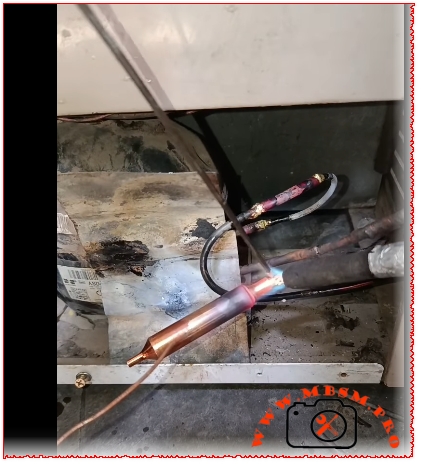
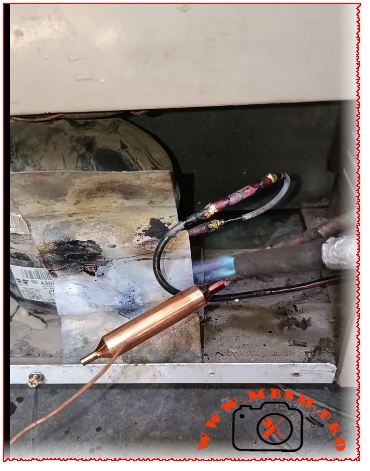
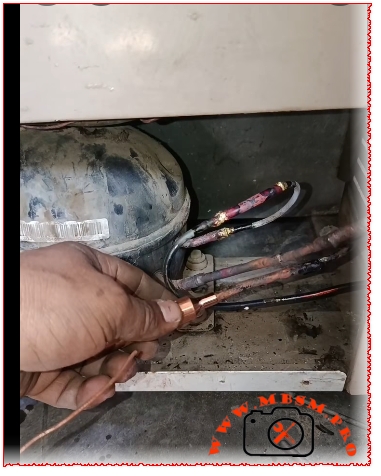
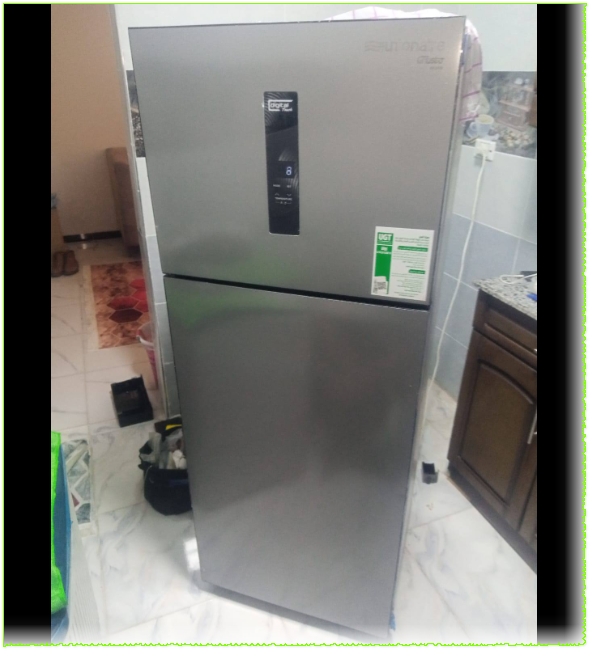
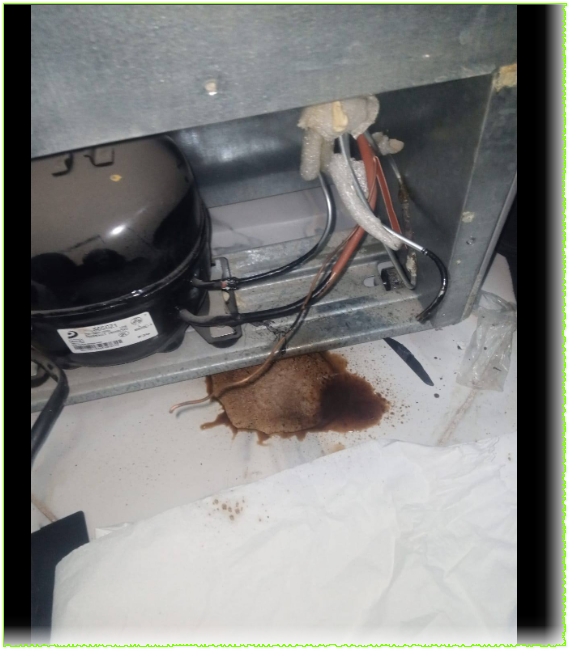
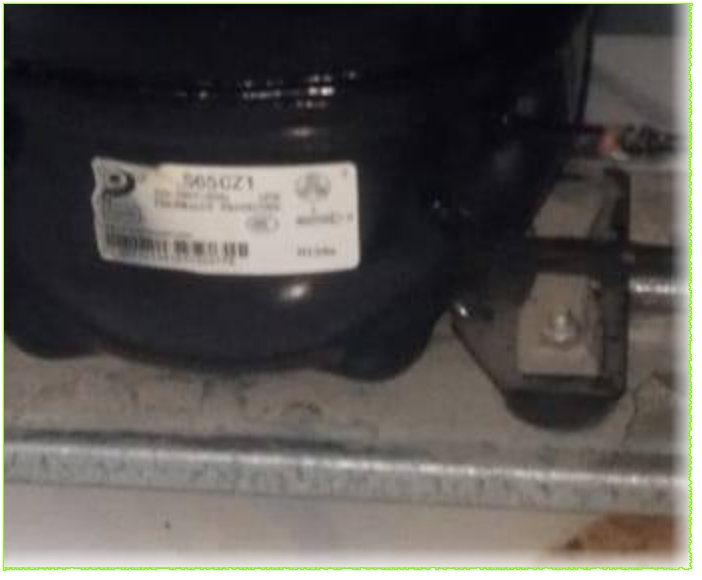
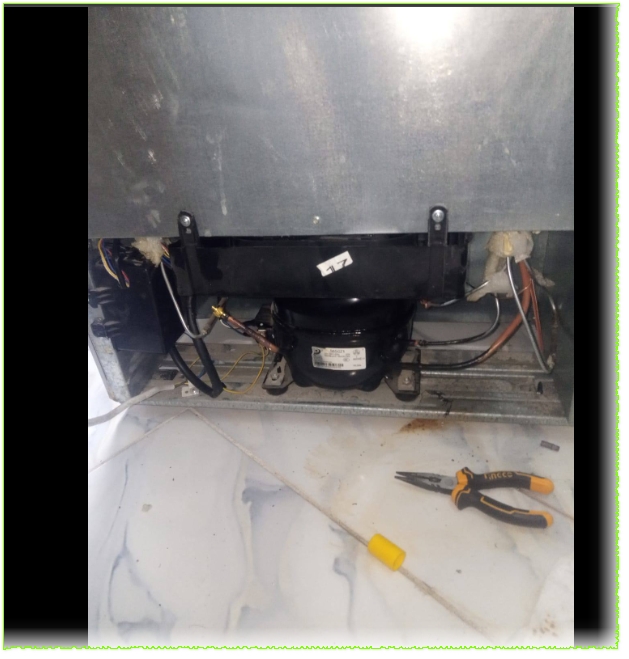
Our technical investigation revealed a dual issue. The system was suffering from a restricted filter drier, causing a blockage that choked the cooling cycle. This strain had also compromised the motor’s starting components.

Technical Specifications

Feature Specification
Model S65CZ1
Brand Panasonic
Refrigerant R134a
Power Supply 220-240V / 50Hz
Cooling Capacity Approximately 165W (at ASHRAE conditions)
Horsepower 1/5 HP
Displacement 6.5 cm3
Motor Type RSIR (Resistive Start-Inductive Run)
The refrigerator has a problem,  it works for a minute and then shuts off mbsmpro

Our intervention included:

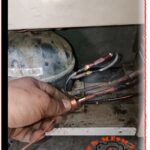
  • System Clearing: Replacing the clogged filter to allow the refrigerant to flow freely once again.
  • Electrical Upgrade: Installing a brand-new high-quality “Starting Kit” (Relay/Overload) to ensure the compressor starts smoothly every time.
  • The Mbsmpro Promise: We don’t just fix; we provide peace of mind. This repair is backed by a full 6-month warranty.