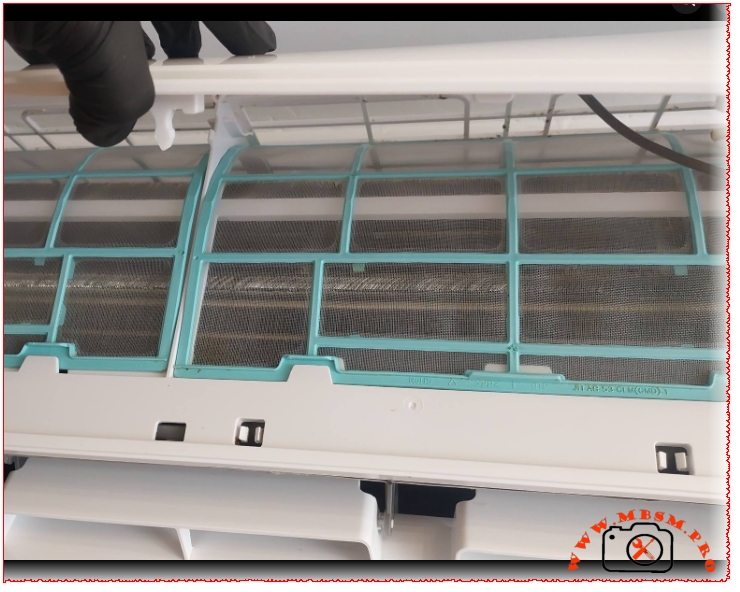
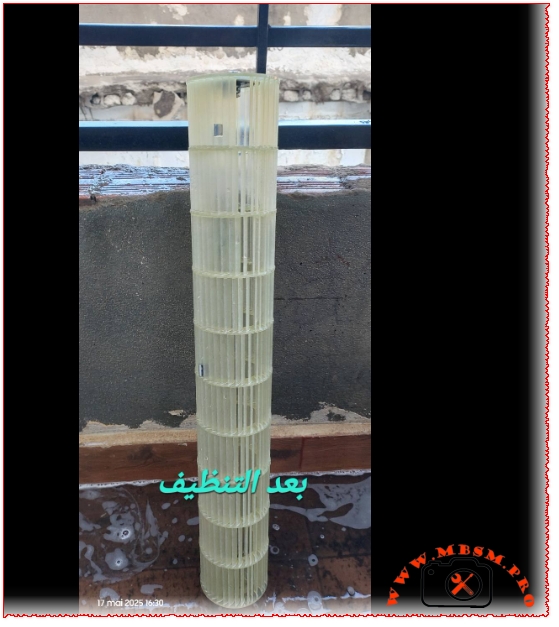
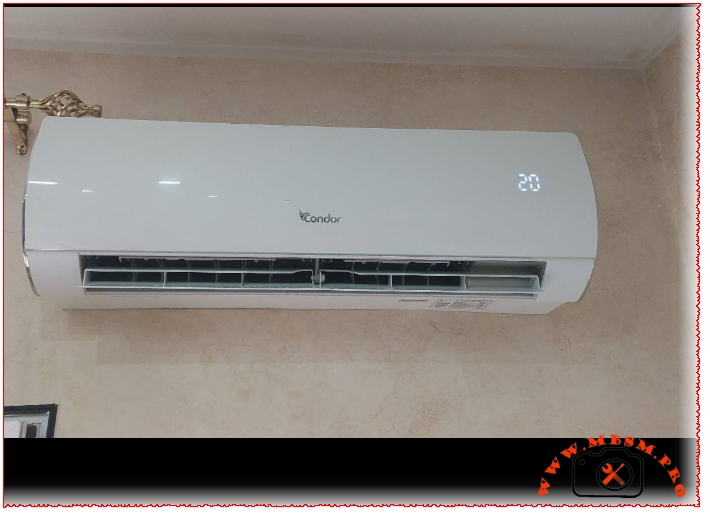
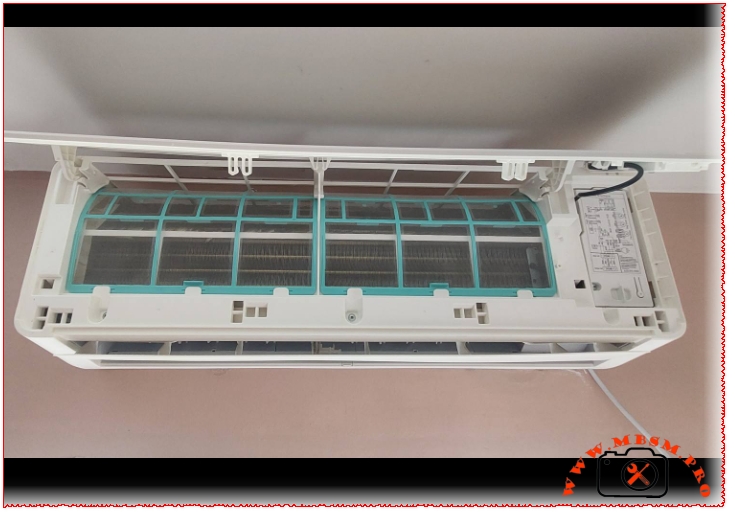
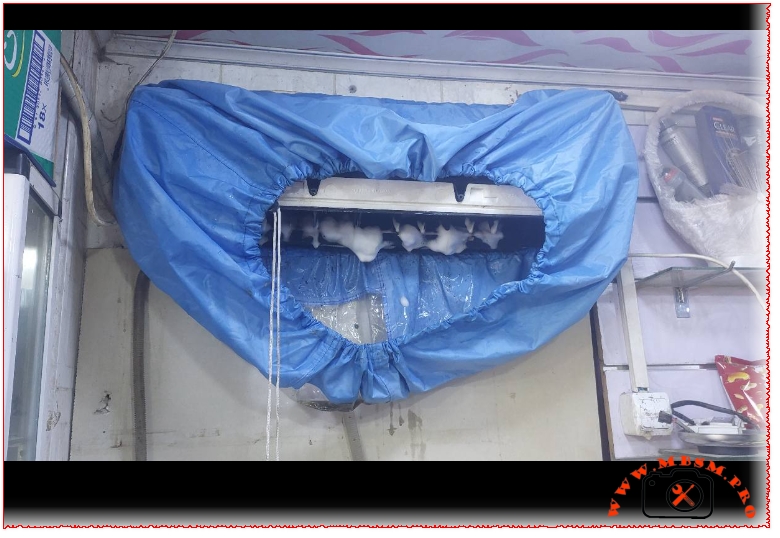
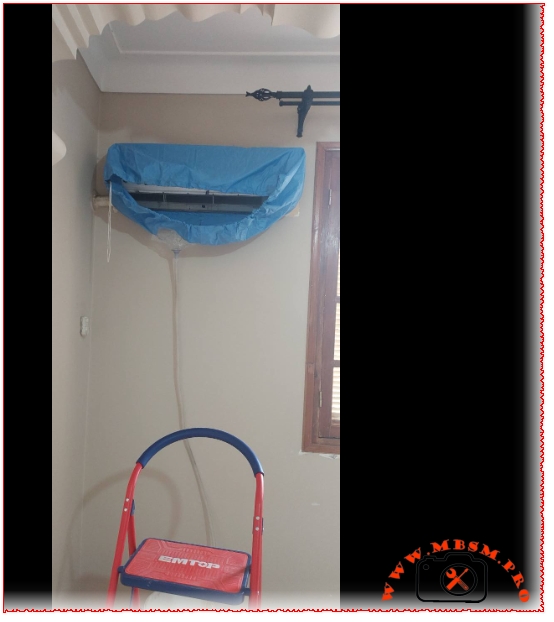
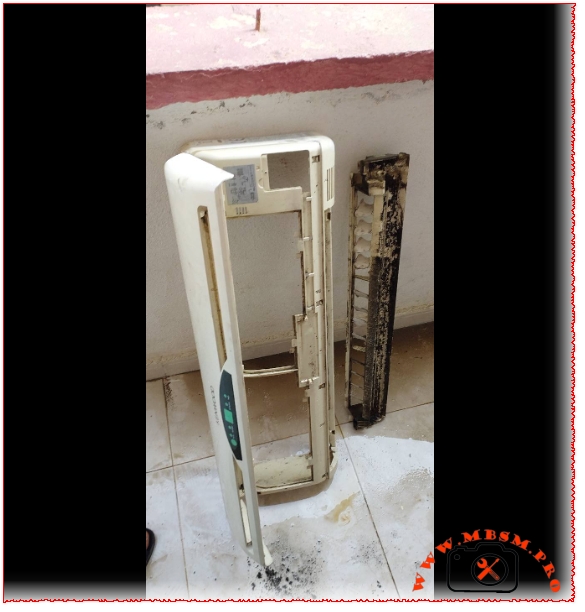
Changing Filter 1/5 Hp

Changing Filter 1/5 Hp mbsmpro

1. Safety First (The “Unplug” Rule)

Before you touch anything, pull the power plug. It’s the easiest way to make sure nothing kicks on while your hands are inside the machine.

2. Relieve the Pressure

If this is a fridge or a water cooler, turn off the water line and try to get one last glass of water out. This drops the pressure so the filter doesn’t “pop” or spray you when you unscrew it. If it’s a compressor, bleed the air tank first.

3. The “Left-Loose, Right-Tight” Swap

Most 1/5 Hp systems use a simple twist-lock:

  • Remove: Twist the old filter a quarter-turn to the left (counter-clockwise) and pull it straight out.
  • Install: Pop the plastic caps off the new filter. Line up the little arrows or notches, push it in firm, and twist to the right until it clicks or stops.

4. The “Grey Water” Trick

If it’s a water filter, the first few cups will look cloudy or even blackish. That’s just harmless carbon dust. Run the water for about 3 to 5 minutes until it’s crystal clear.
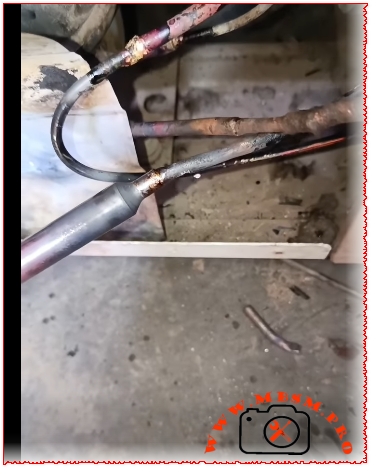


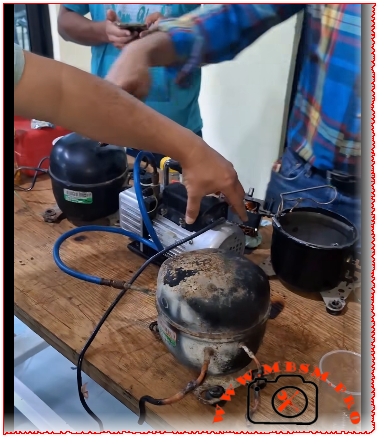
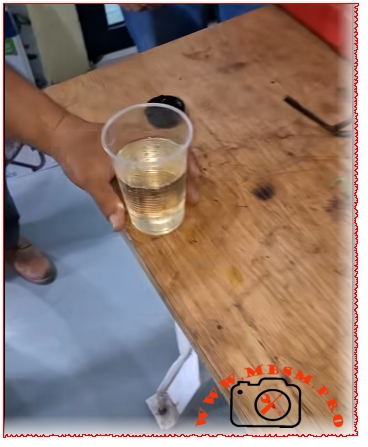
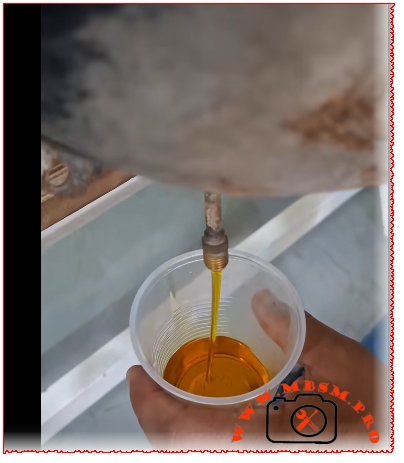
1/5 HP Compressor oil change: How much and how to do it right

1/5 HP Compressor oil change: How much and how to do it right mbsmpro

Professional Commentary (The Spirit of the Craft)

“When we talk about a 1/5 HP compressor, we are essentially talking about the ‘heart’ of a domestic refrigerator or a small cooler. In this field, the fine details are what set a professional apart:

  • The Quantity: Typically, this size requires about 200 to 250 ml (depending on the model and manufacturer, such as Danfoss or Jiaxipera). The golden rule here is ‘precision by the milliliter.’ Excess oil can lead to ‘Oil Logging’ within the cooling circuit, while a deficit causes friction that eventually kills the compressor.
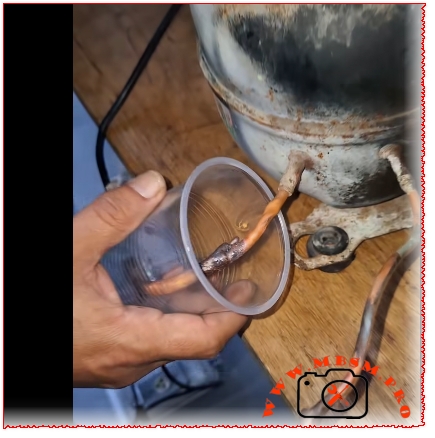
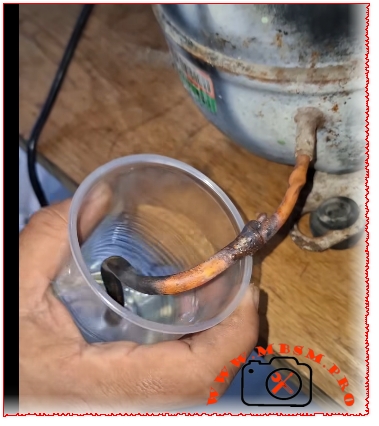
  • The Method: It’s not just about pouring oil; it’s a matter of integrity. You must ensure the old oil is completely drained while inspecting it for impurities. If the oil is black or has a burnt odor, it’s a clear diagnostic sign of the motor’s condition. As for recharging, it must be done via the service line using vacuum suction to ensure no moisture or air enters the system—moisture is the ultimate enemy of refrigeration oil.
  • The Oil Type: This is the trap! The oil must be selected based on the refrigerant type. For instance, R134a requires synthetic POE oil, whereas older models or those running on R600a may require different specifications.

A final word: Someone asking about the ‘quantity and method’ is a technician who respects their craft and aims for perfection, not just someone trying to ‘get the job done.'”


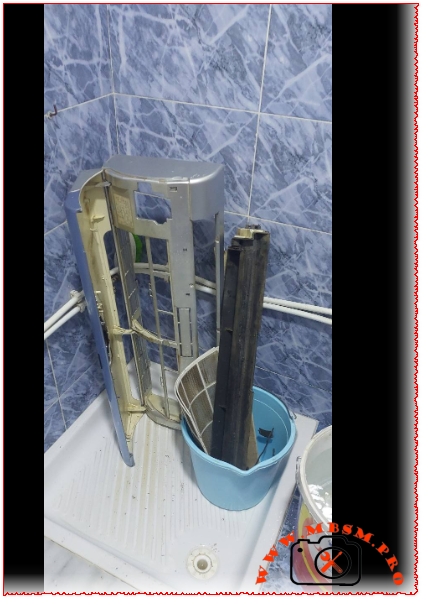
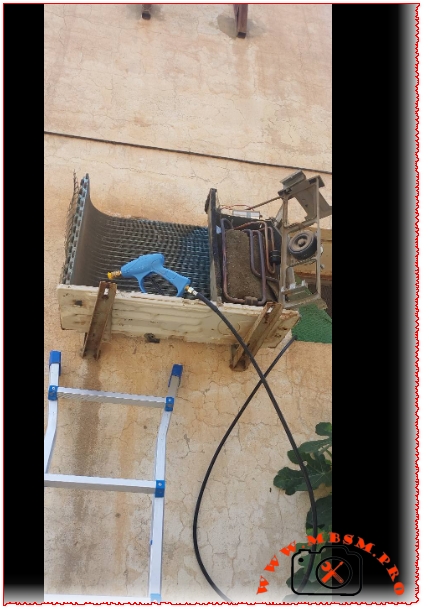
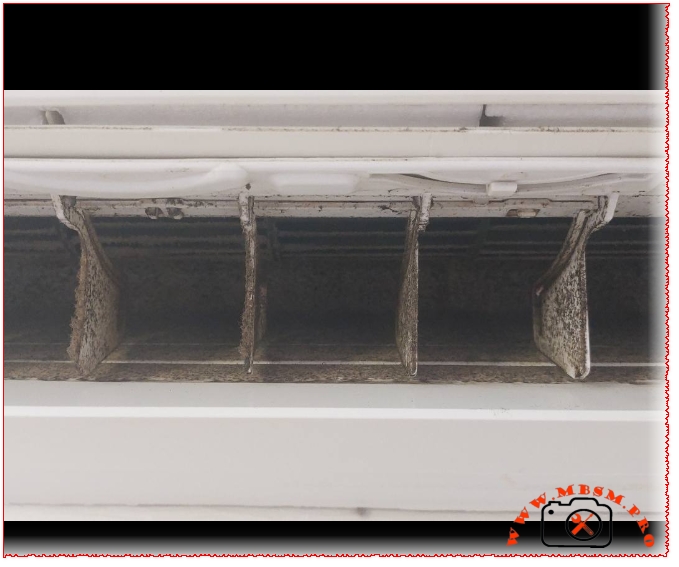
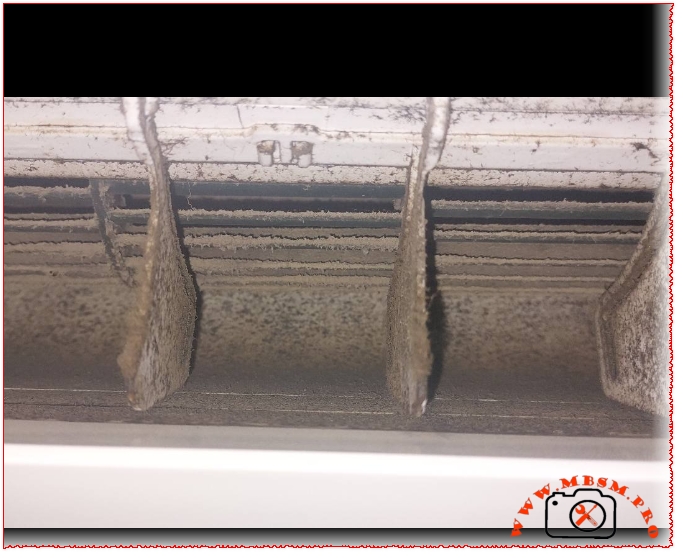
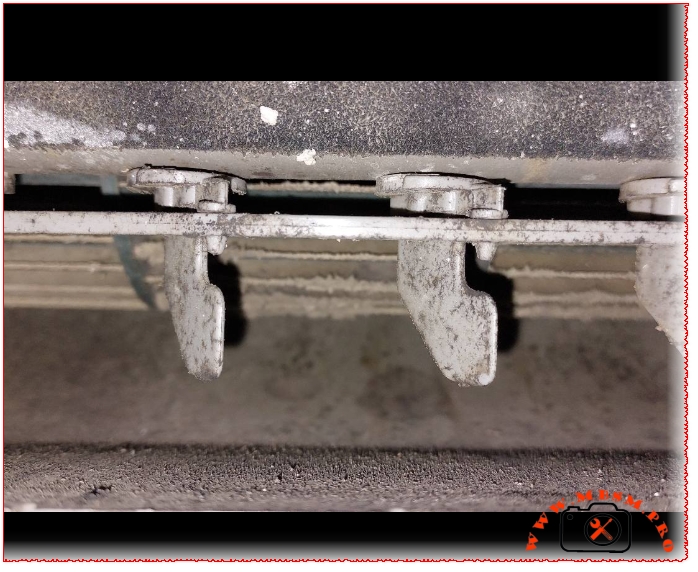
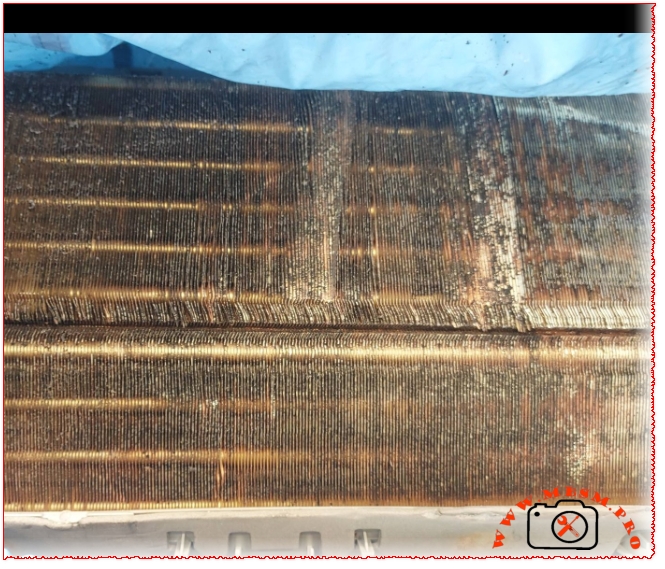
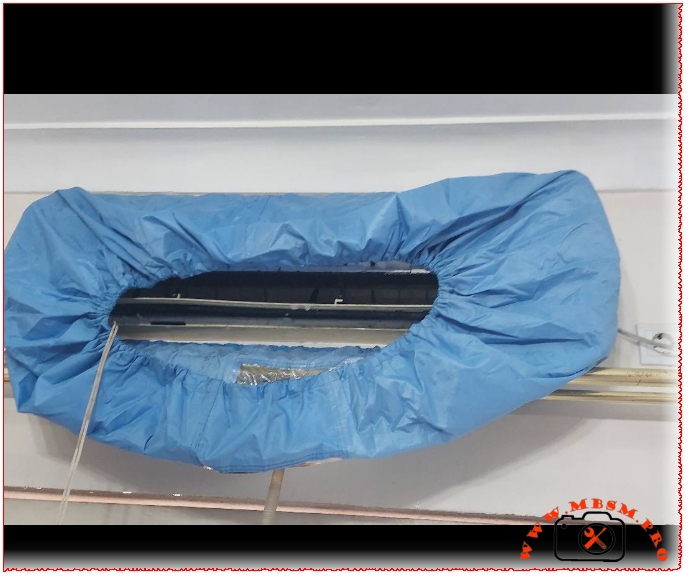
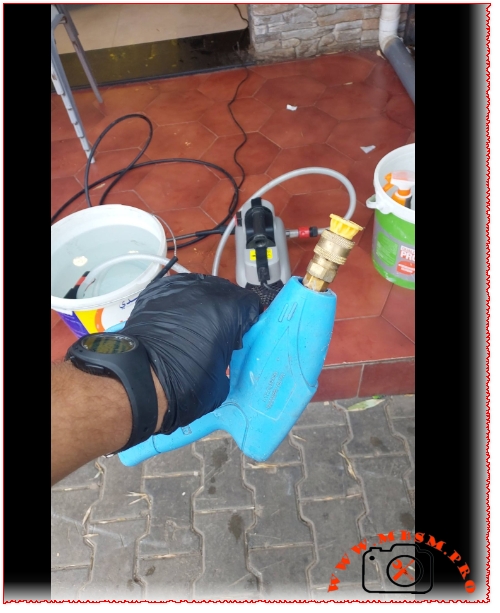
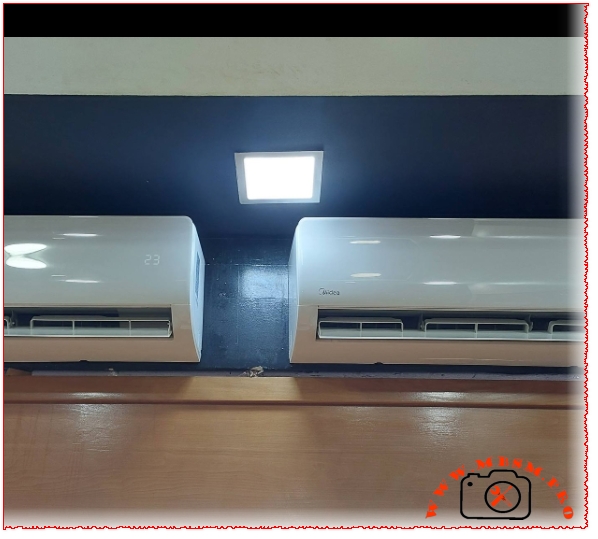
Deep cleaning AC units from A to Z… that’s our craft

Auto Draft mbsmpro