Unionaire Super Tech / UFN‑230 No‑Frost upright freezer
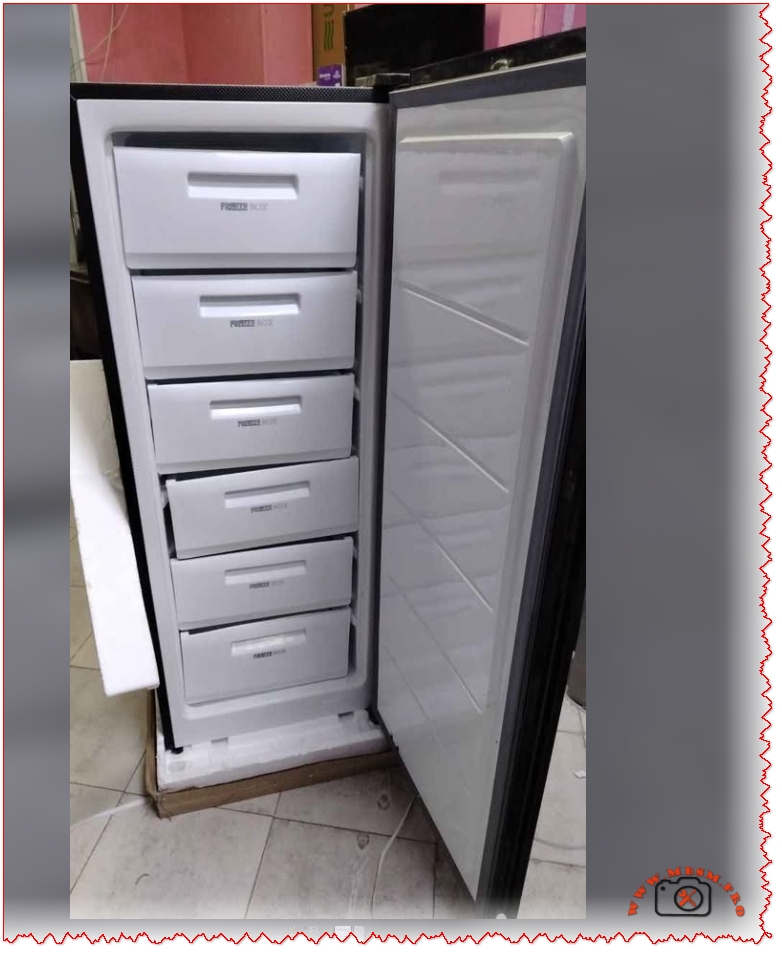
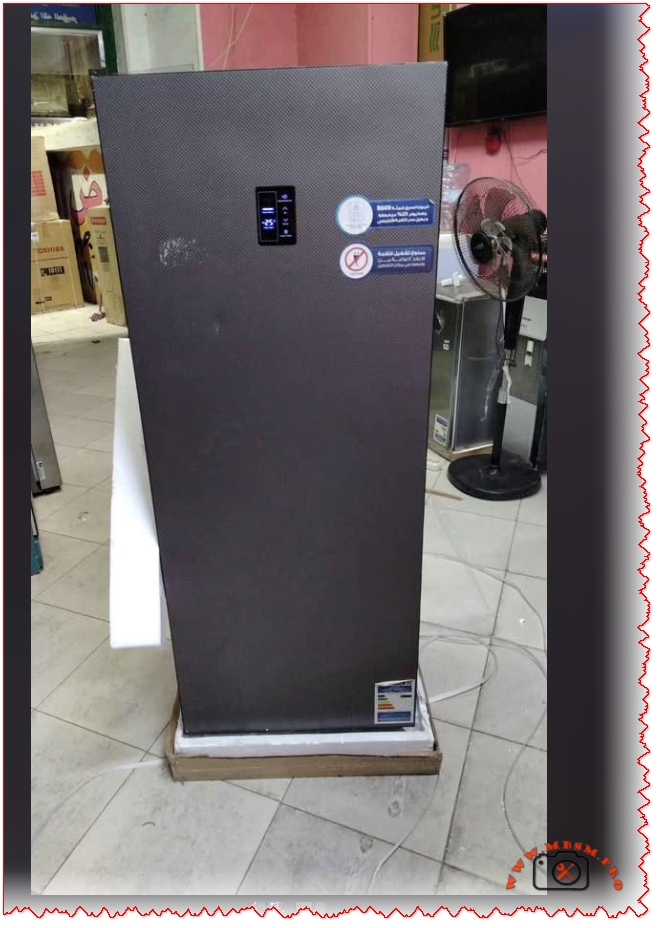
Unionaire Super Tech / UFN‑230 No‑Frost upright freezer mbsmpro

Unionaire Super Tech 6‑Drawer Inverter No‑Frost Deep Freezer – Full English Review

The Unionaire Super Tech upright deep freezer with 6 white drawers, inverter compressor, and steam No‑Frost system targets users who want modern design, digital control, and efficient freezing in a compact footprint. With its black glass door and touch digital display, it combines style and performance for households, mini‑markets, and premium kitchen projects such as those promoted by Mbsmgroup and its platforms.


Product overview

  • Brand: Unionaire, upright deep freezer, around 230‑liter capacity with 6 sliding drawers for organized storage of meat, vegetables, and ready meals.
  • Frost system: No‑Frost with forced air and automatic defrost, often marketed with steam‑assisted circulation to reduce ice formation on packages and drawer walls.
  • Design: Black cabinet with glass-textured front door, similar to model codes UFN‑230LBG1A‑DH and UFN‑230EBG1A‑DH seen on regional e‑commerce sites.

Key features and technology

  • Digital touch display on the front door allows precise temperature setting, fast‑freeze mode activation, and status monitoring without opening the door, reducing cold air loss.
  • Inverter‑type compressor (in newer Super Tech/UFN series) modulates speed according to load, improving energy efficiency and maintaining more stable internal temperatures compared with conventional on/off compressors.
  • No‑Frost steam air‑flow distributes cooling evenly across all 6 drawers, limiting frost, minimizing freezer‑burn, and keeping textures closer to fresh when food is thawed.

Design, usability, and installation

  • The front door’s dark glass finish gives a premium look suitable for open kitchens, showrooms, or commercial corners, matching the aesthetic style seen in the provided photo.
  • Vertical layout (approximate dimensions 157 × 60 × 69 cm for 230‑L models) makes it easier to place in tight spaces compared with bulky chest freezers, while interior LED lighting improves visibility in every drawer.
  • Built‑in or recessed handle and adjustable feet help the cabinet sit stable even on slightly uneven tiles, something important in small shops or workshops where Mbsm.pro projects might install such units.

Technical specifications table

The following table summarizes typical specs for a Unionaire 6‑drawer No‑Frost digital deep freezer in the Super Tech / UFN‑230 series (values may vary slightly by sub‑model and country):

Specification Typical value / description
Brand / series Unionaire Super Tech / UFN‑230 No‑Frost upright freezer
Type Vertical free‑standing deep freezer, No‑Frost digital control
Capacity Around 230 liters net storage volume
Drawers 6 internal white drawers, transparent fronts on many variants
Door design Black glass or silver finish, single reversible door depending on model
Control panel External digital touch display with temperature and mode indicators
Cooling gas R600a eco‑friendly refrigerant in most recent models
Energy class Typically class A (region‑specific), focused on energy‑saving operation
Approx. dimensions (H × W × D) About 157 × 60 × 69 cm for 230‑L variants
Country of manufacture Frequently listed as Made in Egypt for Middle East models

Ideal users and applications

  • Families who need extra frozen storage without taking too much floor space, especially in apartments or duplex kitchens.
  • Small grocery stores, butcher’s shops, pastry businesses, and workshop spaces promoted by Mbsmgroup and mbsmpro.com that require organized, quick‑access frozen storage with professional appearance.
  • Users looking for low‑maintenance equipment; No‑Frost technology and digital alarms (door‑open / high‑temperature) reduce manual defrosting and help protect stored goods during busy operation.

These links are suggested as reference resources and should be checked again during publishing for price and availability changes:

  • Product pages with similar specs and real photos:

    • Unionaire No Frost Digital Deep Freezer 230 L, 6 Drawers, Black – UFN‑230LBG1A‑DH (Khamato).
    • Unionaire Deep Freezer 6 Drawers Digital Black Glass – UFN‑230EBG1A‑DH (Homzmart).
    • Unionaire Upright Deep Freezer, No Frost, 6 Drawers, Digital Display, Black – UFN‑230LBG1A‑DH (El Ghazawy).

  • General No‑Frost upright freezer user manual (PDF, safe to open) explaining digital control, alarms, and No‑Frost operation, suitable as a catalog‑style technical reference for readers:
White Whale WR‑5395 HBX, 540L

White Whale WR‑5395 HBX, 540L mbsmpro

White Whale 540L Black No Frost Refrigerator with Water Dispenser – Full Technical Look with Compressor Power

Reference model and compressor power

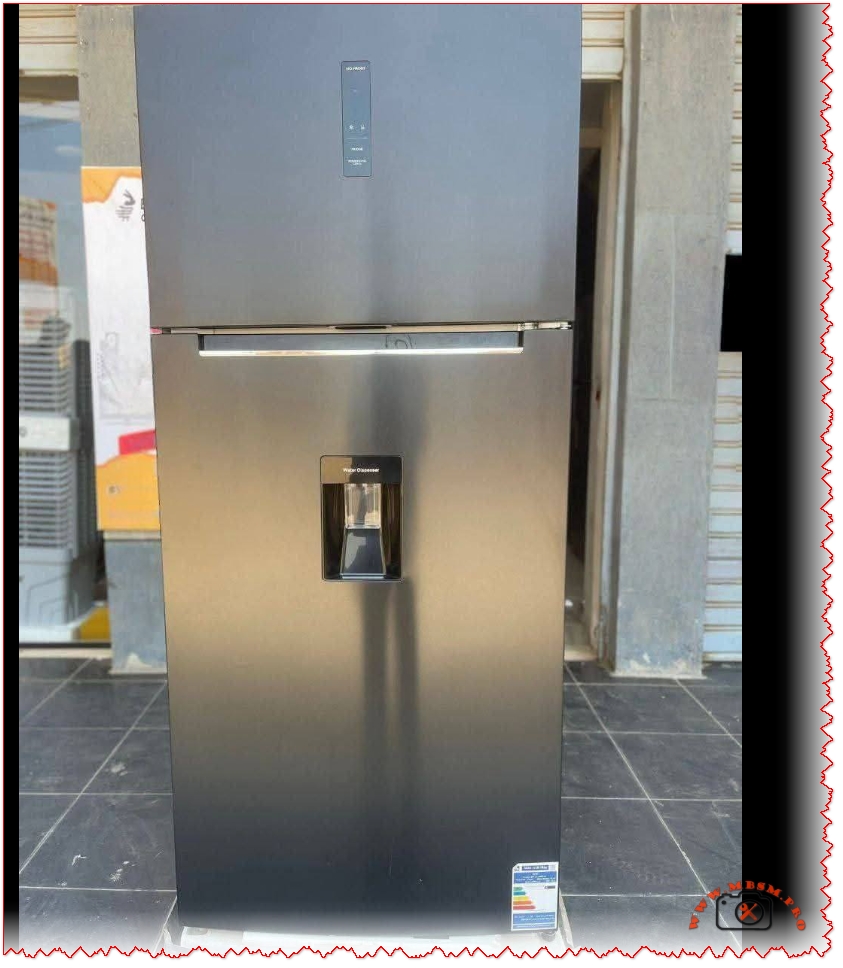
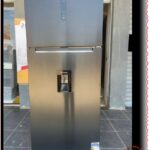
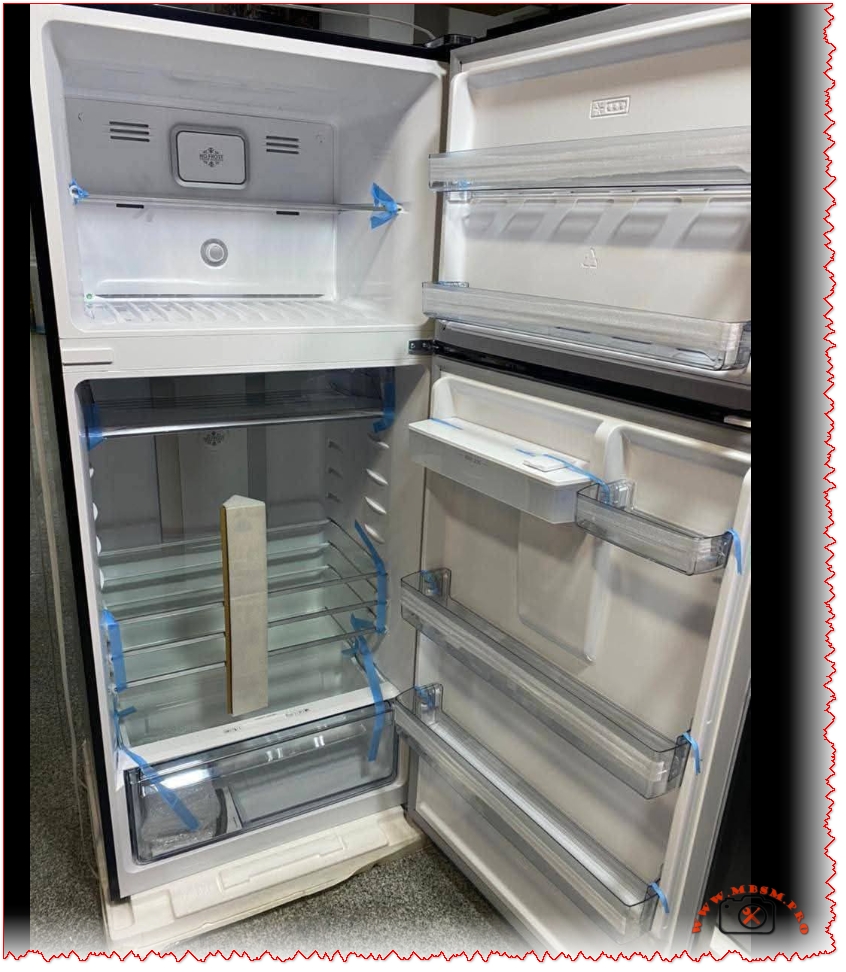
The refrigerator in your photos corresponds to the top‑mount White Whale WR‑5395 HBX: a 540‑liter, black, No Frost, 2‑door model with water dispenser and inverter compressor.
Official and retailer specification pages list the capacity, dimensions, features, and inverter motor, but they do not publish compressor horsepower (HP) or input wattage (W) for this model; only general “energy‑saving inverter motor” information is provided.

From similar 540L top‑mount inverter refrigerators, the compressor input is typically in the 180–260 W range, which corresponds to approximately 1/4 to 1/3 HP in residential R600a systems, but this is an engineering estimate, not an official White Whale figure.
For an exact HP or watt rating you would need either the compressor nameplate (inside or on the back of the unit) or a factory data sheet from White Whale’s technical support, because public catalogues for WR‑5395 HBX only state “inverter compressor / energy‑saving motor” without power numbers.


Updated article with explicit reference

White Whale 540L Black No Frost Refrigerator WR‑5395 HBX with Inverter Compressor and Water Dispenser

The White Whale WR‑5395 HBX is a 540‑liter black top‑mount refrigerator aimed at families who need generous storage, efficient cooling, and a modern look in one appliance.
It combines a full No Frost system, inverter compressor, digital control and a built‑in water dispenser, making it one of the most attractive options in White Whale’s large‑capacity range.

Design and layout

  • Sleek black or black‑glass door finish with a slim horizontal handle and integrated dispenser on the refrigerator door.
  • Inside, the cabinet offers adjustable tempered‑glass shelves, large vegetable drawer, multiple door balconies and bright LED interior lighting for clear visibility.

Cooling system and compressor

  • The WR‑5395 HBX uses a No Frost, multi‑airflow cooling system that keeps a stable temperature and prevents ice build‑up in both freezer and fridge compartments.
  • An inverter compressor modulates its speed according to cooling demand, cutting energy consumption and noise while maintaining fast pull‑down and a quick‑freeze mode in the top freezer.
  • Public datasheets do not disclose the exact compressor HP or watt input, but White Whale and retailer pages only describe it as an “energy‑saving inverter motor” without numeric power ratings.

Typical power range (engineering estimate)

  • Comparable 540L, No Frost, inverter top‑mount refrigerators with R600a usually run compressors rated between 180 W and 260 W, which equates to roughly 1/4–1/3 HP under nominal conditions.
  • This range is offered as a technical approximation based on similar‑size inverter models; for installation, warranty or spare‑part selection, always rely on the actual compressor label or an official White Whale technical sheet for WR‑5395 HBX.

Main technical specifications

Item Specification
Reference model White Whale WR‑5395 HBX.
Type Top‑mount, 2‑door refrigerator with freezer on top.
Capacity 540 liters net (family‑size cabinet).
Cooling system Full No Frost, multi‑airflow.
Compressor Inverter compressor (power not stated in public catalogues).
Estimated compressor range Around 180–260 W, approx. 1/4–1/3 HP (non‑official engineering estimate based on similar 540L inverters).
Color Black / black stainless, with matching handle line.
Water dispenser Built‑in cold‑water dispenser in fridge door.
Digital display Digital control for cooling and quick‑freeze functions.
Dimensions About 184 × 80 × 71 cm (H × W × D).
Doors 2 doors; the 540L family also includes 4‑door inverter black model WR‑9399AB‑INV.
Interior lighting Internal LED lighting.

Practical buying notes

This refrigerator suits users who want a large, family‑size fridge with No Frost convenience, inverter efficiency and a black, contemporary finish.
If you need exact compressor HP or wattage—for example, to size an inverter, voltage stabiliser or replacement compressor—check the compressor nameplate on the back of the unit or request a detailed technical datasheet from White Whale service using the WR‑5395 HBX model code.


Ariston AB 636 T EX

Ariston AB 636 T EX mbsmpro

Ariston AB 636 T EX: Technical Identification Plate Guide for Repair and Maintenance

Overview of the Ariston AB 636 T EX Plate

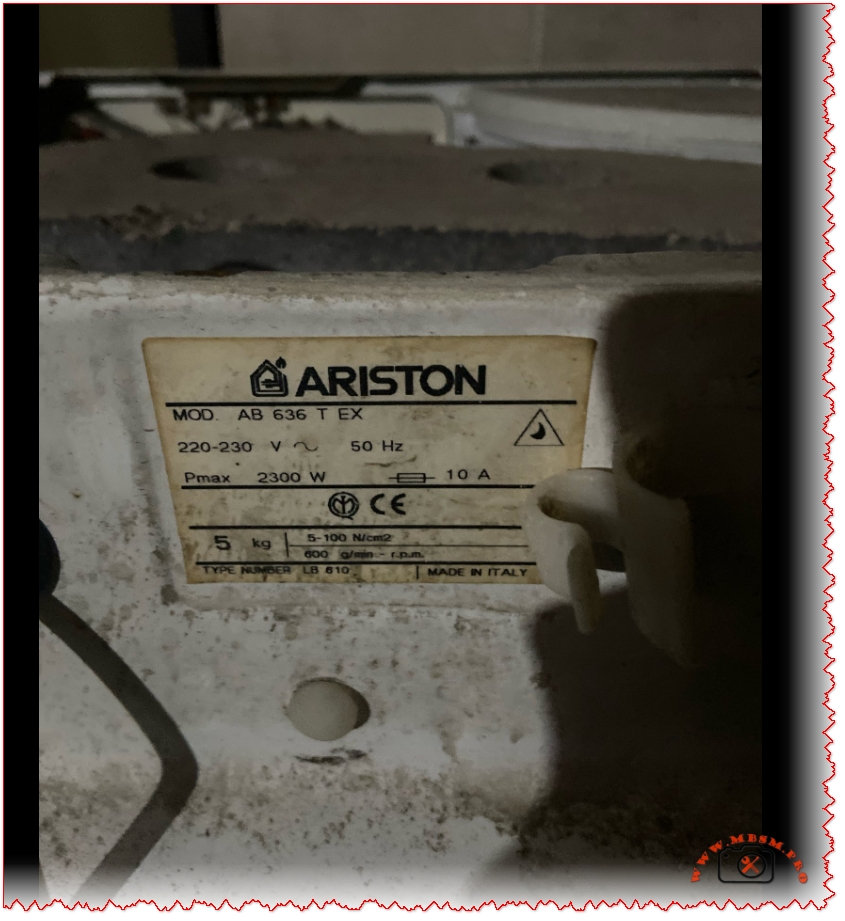
The image shows the rating plate of an Ariston AB 636 T EX front‑loading washing machine, a classic European model widely sold in the late 1990s and early 2000s. This metal label concentrates the essential electrical and mechanical data needed for correct installation, troubleshooting, and ordering spare parts.

Decoding the Electrical Specifications

The plate confirms that the machine operates on 220–230 V, 50 Hz single‑phase power, drawing a maximum power of 2300 W and a nominal current of 10 A. These values indicate that the washer is designed for typical European domestic circuits and must be connected to a properly grounded outlet protected by a 10–16 A breaker.

Technicians use the Pmax 2300 W figure to size wiring, check energy consumption, and verify heater and motor performance during diagnostics. Overheating, tripped breakers, or burned connectors often result from ignoring these limits during installation or repair.

Mechanical Data and Pressure Switch Range

On the lower part of the label, the plate lists maximum load 5 kg and a spin speed of about 600 rpm, which class the AB 636 T EX as an entry‑level to mid‑range washer by today’s standards. This moderate spin speed explains why these machines often require longer drying times compared with newer 1000–1400 rpm units.

The marking 5–100 N/cm² refers to the water pressure range for the pressure switch and hydraulic system, compatible with standard domestic water supplies. Maintaining this range is crucial for correct filling, level detection, and safe operation of the heating element.

Why the Rating Plate Matters for Technicians

For repair professionals and advanced DIY users, the rating plate is the identity card of the washing machine. It provides the exact model (AB 636 T EX) and type number LB 610, data that spare‑parts catalogues and service manuals use to match compatible components. Without these references, ordering parts like bearings (6203‑2Z), pressure switches, or door locks risks costly mistakes.

The “Made in Italy” indication helps trace manufacturing standards and sometimes the availability of regional variants sharing similar mechanical parts but different decorative panels or program boards.

Key Technical Data Table

Parameter Value on Plate Practical Use in Service
Supply voltage 220–230 V, 50 Hz Verifies compatibility with local mains and UPS/inverter use.
Maximum power (Pmax) 2300 W Used to size wiring, breakers, and estimate energy draw.
Nominal current 10 A Confirms circuit protection rating and plug type.
Maximum load washing machine 5 kg Helps avoid overloading and drum/bearing damage.
Spin speed Approx. 600 rpm Indicates residual moisture and cycle performance.
Water‑pressure range 5–100 N/cm² (pressure switch) Guides diagnostics for fill and level faults.
Type / code AB 636 T EX – Type LB 610 Essential for parts catalogues and service documentation.

Useful Resources: Images and Documentation

Several specialised websites still provide visual references and spare‑parts diagrams for the AB 636 T EX. High‑resolution product photos and exploded views can help confirm component positions before disassembly. These resources are particularly useful when documenting repairs or creating training content on platforms such as Mbsmgroup and Mbsm.pro.

For deeper technical information, technicians can consult multi‑page PDF manuals and parts lists for the Ariston AB 636 T family, which cover installation, wiring diagrams, and troubleshooting charts. Such documents detail bearing codes, seal dimensions, and pressure‑switch compatibility for AB 636 T EX and its derivatives.


Copeland ZB50KCE Scroll Compressor 

Copeland ZB50KCE Scroll Compressor  mbsmpro

Copeland ZB50KCE Scroll Compressor Nameplate: How to Read the Label and Choose the Right Polyester Oil

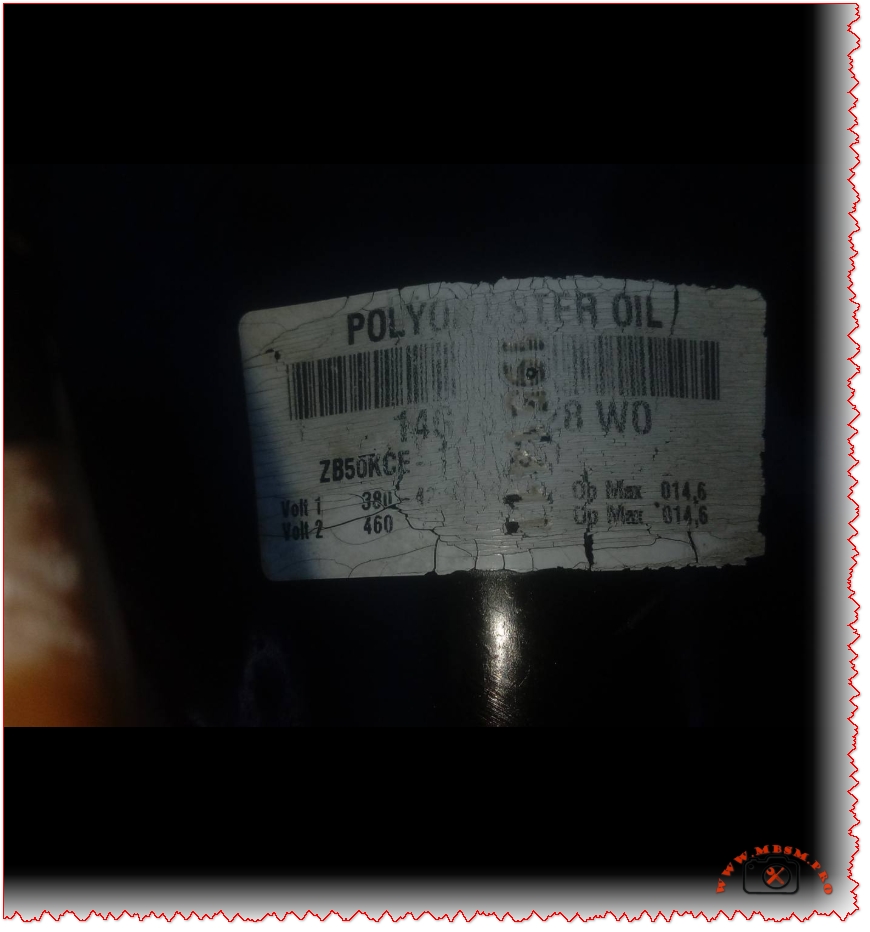
The photo shows the damaged nameplate of a Copeland ZB50KCE scroll compressor, factory‑charged with polyester (POE) oil for medium‑temperature refrigeration. Correctly interpreting this label helps technicians confirm oil, power, voltage and safety limits during service or replacement.

Compressor identification

The model belongs to the Copeland ZB series, used in commercial cold rooms and process cooling for refrigerants such as R404A, R134a and R22 alternatives. Depending on voltage code (TFD‑551, TFD‑950, etc.), it is sold as a 7 hp medium‑temperature compressor with around 11.9 kW nominal capacity.

  • Model code example: ZB50KCE‑TFD‑551 or ZB50KCE‑TFD‑950.
  • Technology: Hermetic scroll, part of the Summit series designed for higher seasonal efficiency.

Polyester oil (POE) on the label

The upper part of the label still shows POLYESTER OIL, confirming that the compressor is charged with POE lubricant. Catalogues list oil charges of about 2.6–2.7 l using approved POE types such as RL32‑3MAF or Mobil EAL Arctic 22 CC, depending on the variant.

  • POE oil absorbs moisture quickly, so systems must be evacuated deeply and fitted with quality filter‑driers.
  • Only compatible POE grades should be added; mixing with mineral or alkylbenzene oil is not permitted.

Technical data with hp and W

The following table compiles typical data for a Copeland ZB50KCE‑TFD‑551 running as a medium‑temperature refrigeration compressor; values may vary slightly by refrigerant and exact model.

Parameter Typical value for ZB50KCE*
Nominal power 7 hp
Nominal capacity 11.9 kW cooling (≈11 900 W)
Electrical power input ≈7.5–7.9 kW depending on conditions
Displacement 19.8 m³/h
Supply voltage 380–420 V/3/50 Hz and 460 V/3/60 Hz (TFD code)
Maximum operating current 14.6 A
Locked‑rotor current ≈100 A
Oil type POE (e.g. RL32‑3MAF)
Oil quantity 2.6–2.7 l
Sound level ≈64 dBA at 1 m
Net weight ≈59 kg (TFD‑551)

*Always confirm with the exact data sheet for your compressor code.

Voltage and operating limits on the sticker

On the lower part of the photographed label, remnants of “Volt 1 380 … Volt 2 460” can be identified, matching the dual‑voltage three‑phase motor used in TFD models. Another line mentions maximum current around 14.6 A, which is the value used to size breakers, contactors and cables.

  • The TFD motor code indicates 380–420 V/3/50 Hz and 460 V/3/60 Hz with internal motor protection.
  • Respecting these limits and using proper overload protection prevents overheating and nuisance trips in commercial installations.

Practical maintenance notes

For technicians such as those in Mbsmgroup and Mbsm.pro, a faded nameplate is common on older units, but the combination of model code and official catalogue restores all critical information. Creating a new service label with hp, kW, voltage, POE oil type and charge simplifies future troubleshooting and reduces the risk of mistakes during oil changes or retrofits.

  • When replacing or topping up oil, always isolate the compressor, recover refrigerant and work under clean, dry conditions.
  • If in doubt about capacity or application limits, refer to the Copeland ZB range catalogue and selection software before approving a replacement.
Copeland ZB50KCE Scroll Compressor  mbsmpro


ZMC GL80AF R134a Hermetic Compressor

ZMC GL80AF R134a Hermetic Compressor mbsmpro

ZMC GL80AF R134a Hermetic Compressor: Technical Profile, Applications and Professional Opinion

The image shows a ZMC GL80AF hermetic compressor designed for domestic refrigeration using refrigerant R134a, manufactured in Egypt and widely used as a 1/5 HP replacement in household refrigerators and coolers. This model belongs to the GL‑AF family of ZMC low‑back‑pressure compressors, optimized for energy‑efficient operation on 220–230 V, 50/60 Hz single‑phase supply in warm climates such as North Africa and the Middle East.


Main identification

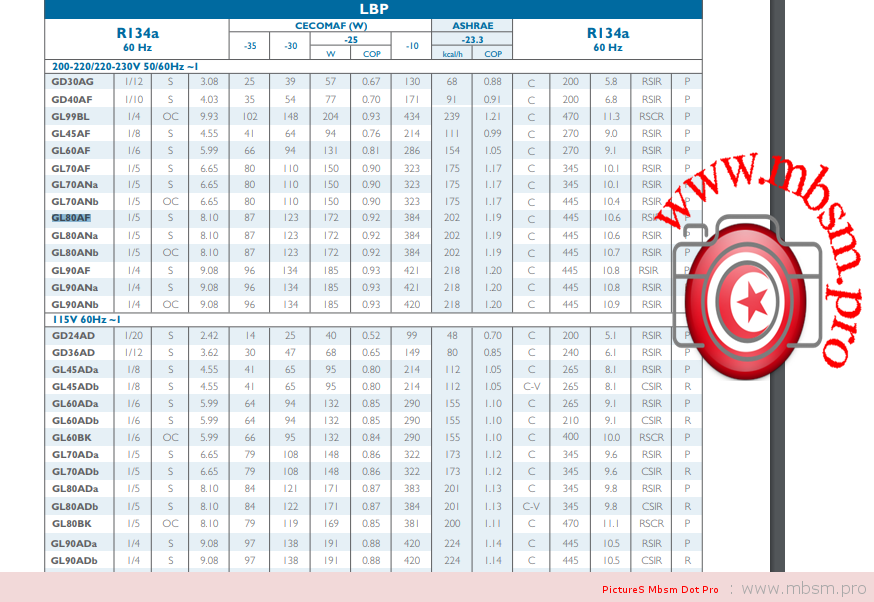
The label in the photo clearly indicates the marking GL80AF, the brand ZMC / ZEM, the refrigerant R134a and the supply range 200–220 V / 220–230 V at 50/60 Hz, with manufacture noted as “Made in Egypt”. In ZMC’s catalog, GL‑series compressors in the 80 class are rated around 1/5 HP, with displacement close to 8 cm³ and low‑back‑pressure duty for freezer and refrigerator applications using capillary tubes.

Table – ZMC GL80AF key data (typical catalog values for GL80 R134a series)

Item Value (typical) Note
Compressor family GL80AF ZMC hermetic piston, household/commercial use.
Nominal power ≈ 1/5 HP LBP R134a rating from GL80 family table.
Refrigerant R134a For CFC‑free domestic refrigeration.
Application LBP (freezer/fridge) Designed for evaporating temps down to about −23 °C.
Voltage / frequency 220–230 V, 50/60 Hz Single‑phase, wide operating range.
Motor type RSIR / RSCR Standard ZMC design for this family.
Country of origin Egypt ZMC plant in 10th of Ramadan City.

Technical context and typical uses

Within ZMC’s R134a range, the GL80AF is positioned between smaller GD40/GL45 units and larger GL90 models, offering a balance between cooling capacity and electrical consumption for medium‑size domestic refrigerators and small commercial coolers. Installers commonly use it as a service replacement for 1/5 HP R134a compressors in brands such as Electrolux, Zanussi and regional OEM manufacturers, particularly where a robust compressor is needed for high‑ambient conditions up to 43 °C.

The GL80AF is designed for use with capillary expansion devices, mineral‑free ester oil compatible with R134a and standard household line voltages, making it straightforward to integrate into existing systems that originally used CFC‑12 or early R134a units of similar capacity. For correct operation, technicians must respect ZMC’s recommendations regarding oil type, charge amount, airflow around the compressor shell and proper matching between evaporator, condenser and capillary tube dimensions.


Installation, replacement and troubleshooting notes

When replacing a failed compressor with a GL80AF, professionals typically verify that the original unit had a similar displacement and LBP duty rating and then adapt mounting springs, suction and discharge connection diameters if needed. Attention to cleanliness of the refrigeration circuit—nitrogen purging during brazing, filter‑drier replacement and precise R134a charging—is essential to guarantee reliability and avoid lubricant breakdown or acid formation inside the hermetic shell.

Electrical checks before start‑up usually include measuring winding resistances, confirming the correct RSIR/RSCR starting components (start relay, overload protector and capacitor if required) and ensuring that the supply voltage at the compressor terminals stays within the 187–264 V working range specified for ZMC R134a models. Because GL80‑class compressors are optimized for low back‑pressure, using them outside their intended evaporating temperature range (for example in high‑back‑pressure air‑conditioning duty) can lead to overheating, high current draw and premature mechanical failure.


Reference images and documentation

Technicians and buyers seeking more visuals can consult ZMC’s official product pages and specialist refrigeration catalogs, which show close‑up images of GL‑series compressors, terminals and mounting hardware. In addition, Mbsmgroup maintains its own photographic documentation and comparison articles featuring the GL80AF in real workshop conditions, including the same type of label as seen in the attached image.

Several reliable PDF resources provide detailed performance data, cooling‑capacity curves and application limits for ZMC R134a compressors, including GL80‑family models. These catalogs list parameters such as displacement, current, COP, recommended capillary tube sizes and wiring diagrams, giving professionals the information they need to design or repair systems around the GL80AF platform.

ZMC GL80AF R134a Hermetic Compressor mbsmpro


Refrigerants, Standing, Suction and Discharge Pressures for Modern HVAC Systems

Refrigerants, Standing, Suction and Discharge Pressures for Modern HVAC Systems mbsmpro

Guide to Common Refrigerants: Standing, Suction and Discharge Pressures for Modern HVAC Systems

Refrigeration technicians today work with a mix of legacy and new-generation refrigerants, each with its own safe pressure range and boiling temperature. Understanding these values is essential for accurate diagnostics, safe charging and long compressor life in air‑conditioning and commercial refrigeration.


Key role of pressure charts

Pressure–temperature charts and standing/suction/discharge tables give technicians a fast reference for what a system “should” be doing at a given ambient or evaporating temperature.
Using wrong reference values can lead to over‑charging, overheating, liquid slugging or misdiagnosis of a healthy system as faulty.


Overview of common refrigerants

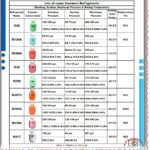
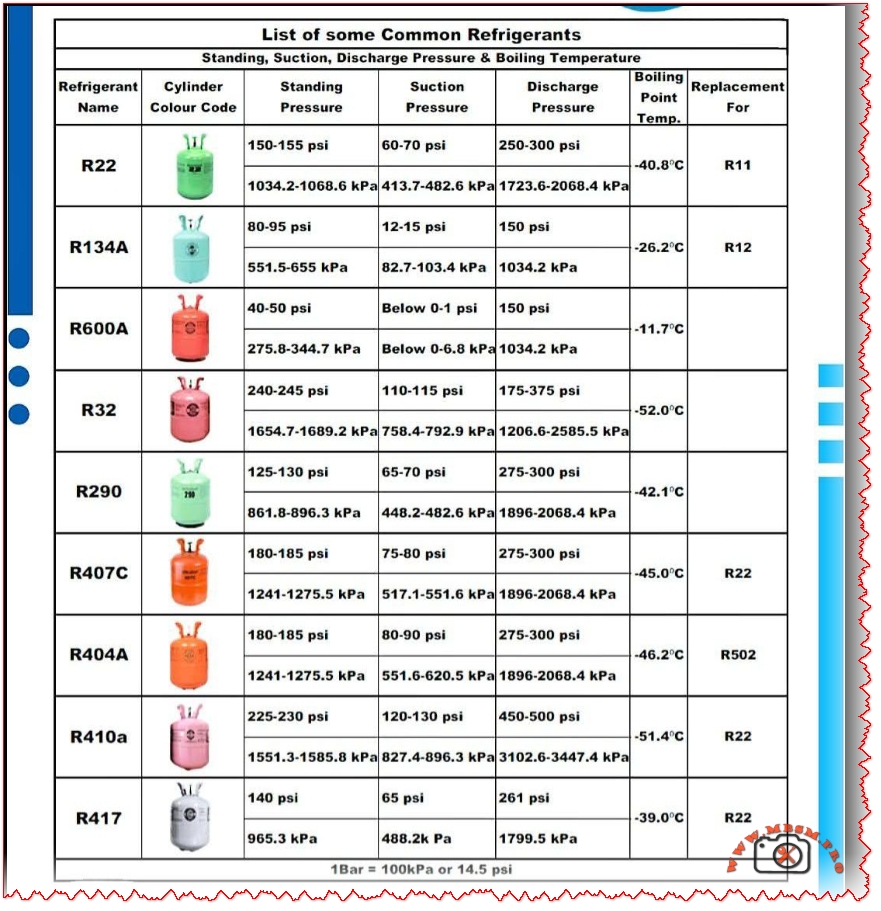
The image groups the most used refrigerants in residential and light commercial systems: R22, R134a, R600a, R32, R290, R407C, R404A, R410A and R417 (R417A).
Each gas has a typical standing pressure (static pressure at rest), an evaporating suction pressure, a condensing discharge pressure and a characteristic boiling point at atmospheric pressure.


Typical pressure ranges from the chart

The following table summarises the indicative values shown in the chart (all pressures are approximate, for normally loaded systems at typical comfort‑cooling conditions).

Indicative pressures and boiling points

Refrigerant Approx. standing pressure Approx. suction pressure Approx. discharge pressure Boiling point (°C) Typical replacement for
R22 150–155 psi / 1034–1069 kPa  60–70 psi / 413–483 kPa  250–300 psi / 1724–2069 kPa  −40.8 °C  R11 / legacy R22 AC 
R134a 80–95 psi / 552–655 kPa  12–15 psi / 83–103 kPa  ~150 psi / 1034 kPa  −26.2 °C  R12 in domestic & auto 
R600a 40–50 psi / 276–345 kPa  ≈0–1 psi / 0–7 kPa  ~150 psi / 1034 kPa  −11.7 °C  Low‑charge fridges, R12 
R32 240–245 psi / 1655–1689 kPa  110–115 psi / 758–793 kPa  175–375 psi / 1207–2586 kPa  −52.0 °C  High‑efficiency R410A/R22 
R290 125–130 psi / 862–896 kPa  65–70 psi / 448–483 kPa  275–300 psi / 1896–2069 kPa  −42.1 °C  R22 in some systems 
R407C 180–185 psi / 1241–1276 kPa  75–80 psi / 517–552 kPa  275–300 psi / 1896–2069 kPa  −45.0 °C (bubble)  R22 retrofits 
R404A 180–185 psi / 1241–1276 kPa  80–90 psi / 552–621 kPa  275–300 psi / 1896–2069 kPa  −46.2 °C  R502 low‑temp systems 
R410A 225–230 psi / 1551–1586 kPa  120–130 psi / 828–896 kPa  450–500 psi / 3103–3447 kPa  −51.4 °C  Modern R22 AC 
R417A ~140 psi / 965 kPa standing  ~65 psi / 448 kPa suction  ~261 psi / 1796 kPa discharge  −39.0 °C  R22 service blend 

These figures are not universal “set‑points”, but practical targets that help technicians decide whether a system is under‑charged, over‑charged or suffering airflow or mechanical problems.


Safety, cylinder colours and replacements

Many countries use conventional cylinder colour codes to identify refrigerants quickly on site, although some regions are migrating to neutral colours with clear labelling.
Hydrocarbons such as R290 and R600a are flammable, so working pressures must always be combined with strict leak‑prevention, ventilation and ignition‑control procedures.

When phasing out ozone‑depleting R22, blends like R407C or R417A are often used in retrofit projects, while new high‑efficiency equipment typically relies on R410A or R32 with different design pressures.
Comparing the standing and operating pressures during commissioning helps ensure that a replacement refrigerant is compatible with existing components such as compressors, valves and heat‑exchangers.


Practical use for technicians and trainers

  • Technicians can laminate similar tables and keep them in the toolbox or on the workshop wall as a quick‑reference during charging and troubleshooting.
  • Training centres and HVAC content creators like Mbsmgroup and Mbsm.pro can turn these values into interactive quizzes, infographics or mobile‑friendly charts for students and new technicians.​
Refrigerants, Standing, Suction and Discharge Pressures for Modern HVAC Systems mbsmpro